
When preparing for an ocean adventure, finding the right yapak pang sisid sa dagat is essential for a safe and comfortable experience. These diving fins serve as your primary source of propulsion and control underwater, translating your leg movements into efficient thrust. A poorly chosen pair can lead to rapid fatigue, painful muscle cramps, or blisters that can cut your dive day short.
To find the perfect pair, you must look beyond aesthetics and brand names. The selection process requires a careful evaluation of your physical strength, the specific environments where you plan to dive, and how the foot pocket interacts with your anatomy. By understanding how different blade designs, strap configurations, and sizing methods affect your performance, you can select gear that enhances your safety and enjoyment in the water.
Assess Your Sea Diving Conditions
Before looking at specific fin models, you must analyze the environments where you will do most of your diving. The geography of your dive sites plays a massive role in determining the style of fin that will serve you best. For instance, diving in the tropical waters of the Philippines often involves a mix of boat entries and shore entries. If you frequently dive from a large boat or a local outrigger, you can often giant-stride directly into deep water, which allows for simpler footwear.
Products mentioned in this guide
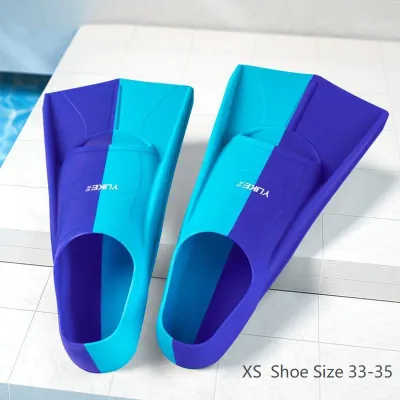
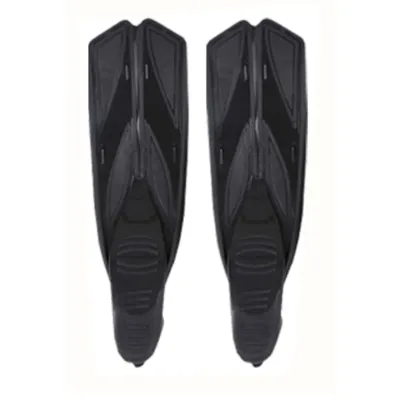
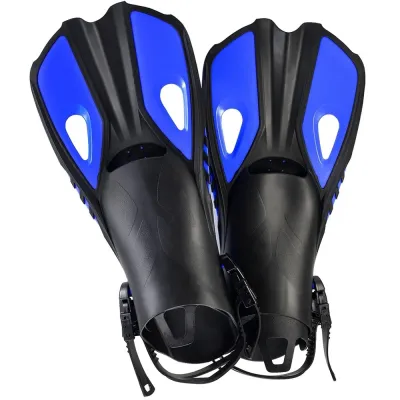
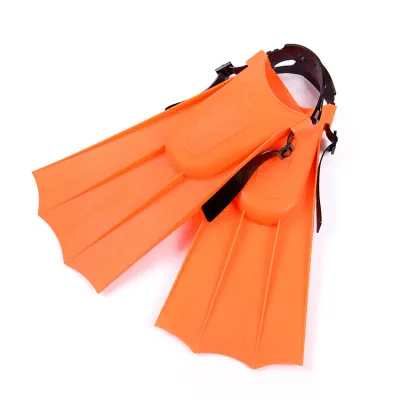
![Wave Ysla Freedive and Spearfishing Long Freediving Fins Black Foot Pocket[Fast Shipping]](https://img.lazcdn.com/g/p/54dc57acba5541da1606b88d4f1f1930.jpg_400x400q80.jpg_.webp)
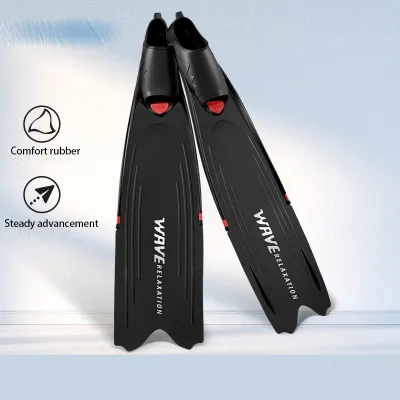
Prices are valid at publication and may change. Please refer to the product page for the latest price.
Conversely, shore entries present a completely different set of challenges. Walking over sharp volcanic rocks, slippery coral rubble, or hot sand requires robust foot protection. In these scenarios, attempting to walk barefoot in full-foot fins is highly impractical and dangerous. You will need thick-soled dive boots, which immediately dictates the need for open-heel fins designed to accommodate them.
Water temperature and exposure time also influence your choice. Even in warm tropical seas, your body loses heat faster in water than in air. If you plan on doing multiple long dives a day, your feet can get cold, making thin neoprene socks or boots a welcome addition for thermal insulation. Additionally, you must honestly assess your physical conditioning and the local current patterns. Strong coastal currents require a fin that can deliver powerful thrust when needed, but pushing a stiff blade against a current demands excellent leg strength and cardiovascular endurance.
Decide Between Full-Foot and Open-Heel Fins
Diving fins generally fall into two primary categories: full-foot and open-heel. Full-foot fins feature a soft, flexible foot pocket that completely encloses your heel. They are designed to be worn barefoot or with thin, flexible lycra or neoprene socks. This style is highly popular for warm-water diving, snorkeling, and boat-based excursions because they are lightweight, easy to pack, and highly responsive. Because there is no boot between your foot and the pocket, you get a very direct transfer of energy from your leg to the blade.

Open-heel fins, on the other hand, feature a rigid foot pocket with an open back, secured by an adjustable strap. These are designed to be worn with thick neoprene dive boots. The primary advantage of this system is versatility and protection. You can wear your boots while walking across rough shorelines, hot sand, or boat decks, and then slip your feet into the fins right before entering the water. This setup is the standard choice for shore divers and those diving in cooler waters where thermal protection is mandatory.
When choosing open-heel fins, the strap mechanism is a key consideration. Traditional rubber straps with plastic buckles are common and highly adjustable, but they can become brittle over time due to UV exposure and saltwater. Upgrading to bungee straps or stainless steel spring straps is highly recommended. These self-adjusting straps automatically contract as water pressure compresses your boots at depth, ensuring a snug fit throughout the dive. They also eliminate the need to adjust buckles, allowing you to slide the fins on and off with a single pull, even while wearing thick gloves.
Match Blade Design and Stiffness to Your Profile
The blade is the engine of the fin, and its design directly impacts how much effort is required to move through the water. Traditional paddle blades are solid, flat surfaces that push water directly backward. They offer excellent stability, precise maneuverability, and are highly effective for advanced kicking techniques like the frog kick or helicopter turn. However, because they push a large volume of water, they require significant leg strength to operate efficiently over long distances.
To reduce leg strain, manufacturers developed split blades and channel blades. Split blades feature a slice down the center, allowing the two halves to flex independently and act like a propeller. This design creates lift and reduces drag, making it incredibly easy to kick with a rapid, shallow flutter kick. They are ideal for divers who suffer from knee or joint pain, or those who prefer a relaxed pace in mild currents. However, split fins can struggle to provide sufficient thrust when swimming against strong head currents or when trying to push heavy, high-drag gear configurations.
Channel fins utilize flexible materials in the center of the blade to scoop and direct water backward in a focused jet, rather than letting it spill off the sides. This provides a middle ground, offering excellent thrust with moderate effort. When evaluating blade stiffness, match the flex to your physical build and experience. Soft blades are highly forgiving and excellent for beginners or long, leisurely swims. Medium blades offer a versatile balance for most recreational divers. Stiff blades provide maximum power and instantaneous response, but they require highly conditioned leg muscles to prevent painful cramping during a dive.
Measure and Verify the Correct Fin Size
A perfect fit is non-negotiable when selecting your diving fins. A fin that is too tight will restrict blood circulation, leading to cold toes and painful cramps, while a loose fin will wobble, chafe your skin, and waste a significant amount of your kicking energy. When sizing full-foot fins, try them on with wet feet if possible, or with the specific socks you plan to wear. Your toes should lie flat without being bent or pinched at the front of the pocket. Lift your heel up and down; there should be minimal slippage, and the pocket should grip your foot securely without digging into your Achilles tendon.
For open-heel fins, you must fit your dive boots first. Put on your boots and slide your foot into the fin pocket. The pocket should cover approximately two-thirds of your boot’s sole. If the pocket stops too close to your heel, the fin is too small, which will put excessive pressure on your toes. If your foot slides in so far that the pocket covers your ankle joint, the fin is too large, which will limit your control and cause the heel strap to slip off.
Verify the fit by sitting down and extending your legs. Rotate your ankles and mimic a kicking motion. Feel for any hard pressure points along the top of your foot or the sides of your toes. The strap on an open-heel fin should hold your foot firmly in place without needing to be pulled excessively tight. If you have to pull the strap to its absolute limit to keep the fin secure, you need to drop down a size.
Perform Pre-Dive Safety and Gear Checks
No matter how high-quality your fins are, they cannot replace proper training, physical conditioning, and sound dive planning. Before every entry, you must perform a thorough inspection of your fins to ensure they are safe to use. Begin by closely examining the straps and buckles. Look for tiny cracks, discoloration, or signs of dry rot in rubber straps, and ensure that plastic buckles click securely into place without slipping. If you use spring straps, check the attachment points to ensure the pins are secure.
Next, inspect the blades themselves. Look along the side rails and the hinges where the blade meets the foot pocket. These areas experience the highest stress during a kick cycle. Any deep scratches, stress whitening, or small cracks in these high-flex zones are warning signs of imminent failure. Additionally, always shake out the foot pockets before putting them on. Small pebbles, sand, or shells can easily hide inside, causing painful abrasions during your dive or getting wedged in the buckle mechanism.
Establish clear stop conditions for your gear. If you discover a tear in a rubber strap, a cracked buckle, or a split in the blade material, do not enter the water. A broken fin strap in the middle of a dive can quickly escalate into an emergency, especially if you are fighting a current or trying to maintain buoyancy. Always carry a save-a-dive kit containing spare straps, buckle assemblies, or a backup pair of spring straps so you can make quick, safe replacements on the boat or shore.
Frequently Asked Questions (FAQ)
Can I use snorkeling fins for scuba diving in the sea?
Snorkeling fins are generally not suitable for scuba diving in open ocean conditions. They are designed for surface swimming without the added weight and drag of heavy scuba tanks, regulators, and exposure suits. Consequently, snorkeling fins feature shorter, thinner, and much softer blades that cannot generate the thrust required to propel a fully equipped scuba diver, especially when encountering currents. Using them for scuba diving can lead to extreme leg fatigue and an inability to swim safely against even mild water movement.
How do I prevent blisters when using full-foot fins?
To prevent blisters when using full-foot fins, the most effective solution is to wear thin neoprene or lycra fin socks. These socks act as a protective barrier, absorbing the friction that occurs between your skin and the rubber foot pocket during repetitive kicking. Additionally, ensure your fins are sized correctly; even a slightly loose pocket will slide against your heel and cause chafing. Finally, break in new fins gradually by wearing them for short durations in a pool or calm, shallow water before committing to a full day of sea diving.

Community discussion
Share your experience or ask a question. Comments are reviewed before publication.