
Finding the perfect diving mask set is the difference between an awe-inspiring underwater adventure and a frustrating, water-logged struggle. In the tropical waters of the Philippines, where diverse marine life beckons from shallow reefs to deep drop-offs, your mask is your window to the ocean. However, before purchasing any gear, it is vital to recognize that equipment cannot replace formal training, physical preparation, or sound judgment. Whether you are exploring shallow coral gardens or training for deeper descents, your safety depends on knowing your personal limits and using gear that matches your specific activity. Choosing the right set requires understanding how your facial structure interacts with mask materials and how your diving style dictates the design of your mask, snorkel, and fins.
Identify Your Diving Style and Activity Needs
Your primary water activity dictates the physical design of the gear you need. Surface snorkeling, freediving, and scuba diving each place distinct demands on a diving mask set. Snorkeling keeps you mostly at the surface, where mask volume is less critical, allowing you to prioritize a wide, panoramic field of view. In contrast, as you descend during scuba diving or freediving, hydrostatic pressure increases, compressing the air space inside your mask. To prevent mask squeeze, you must exhale a small amount of air through your nose into the mask to equalize the pressure.
This pressure equalization makes internal mask volume a key selection factor. Freedivers, who operate on a single breath, require ultra-low-volume masks to conserve precious air during equalization. Scuba divers, who have a continuous air supply, can tolerate medium-to-high-volume masks but still benefit from streamlined designs that reduce drag in moving currents.
Products mentioned in this guide
![[Ready Stock] Professional Diving Scuba Gear Swimming Mask Snorkel Diving Mask Goggles and Snorkel Set Hyperopia Myopia Mask Goggle](https://img.lazcdn.com/g/p/0f7e9edca68971f392421aa052bc34b2.jpg_400x400q80.jpg_.webp)
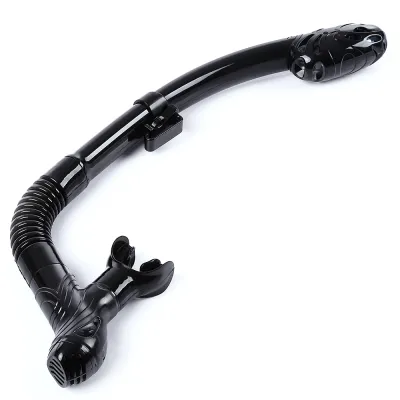
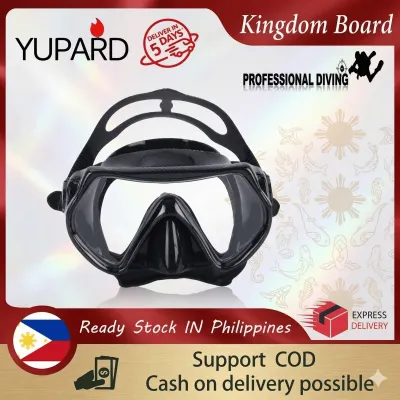
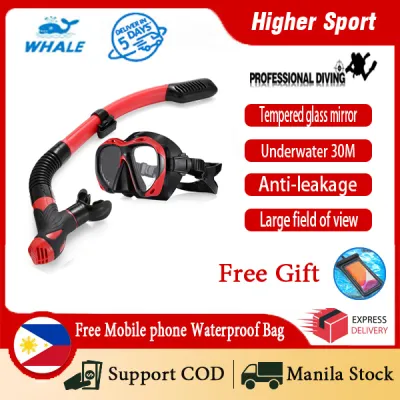
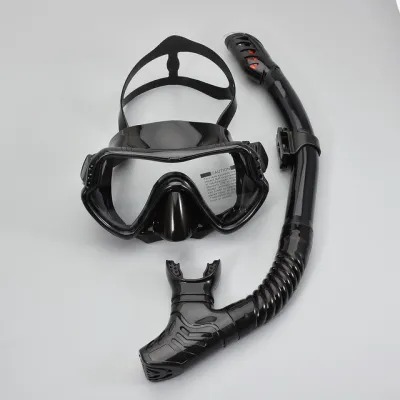
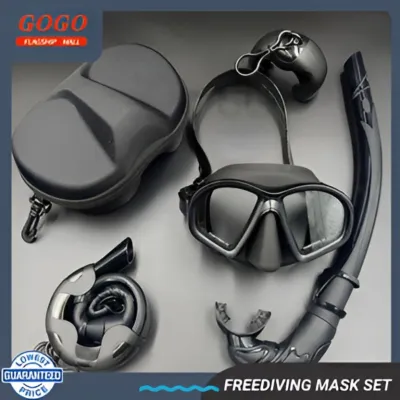
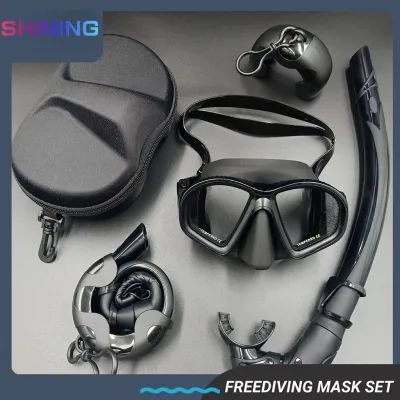
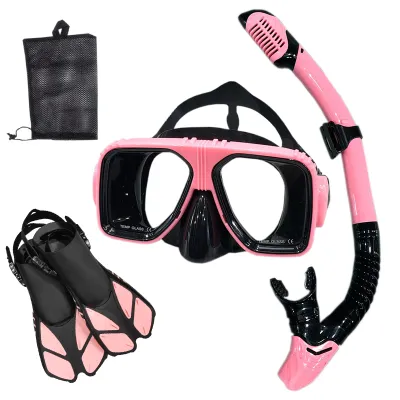
Prices are valid at publication and may change. Please refer to the product page for the latest price.
When selecting your gear, consider whether a basic mask-and-snorkel combo or a comprehensive three-piece set that includes fins is appropriate. For casual beach outings in shallow coves, a simple mask and snorkel may suffice. However, if you plan to navigate coastal currents, explore deeper reefs, or pursue formal certification, a full set with matching fins becomes essential for propulsion and safety. Assess your current skill level and intended environments honestly; starting with the correct configuration ensures you do not outgrow your gear after your first few open-water sessions.
Match the Skirt and Frame to Your Face Shape
The skirt is the flexible silicone boundary that seals the mask to your face, keeping water out while maintaining comfortable contact. High-quality masks utilize liquid silicone, which conforms to facial contours far better than cheaper plastic or PVC alternatives. Silicone skirts come in varying densities and colors, each offering distinct advantages. Clear silicone allows more ambient light to enter the mask, reducing feelings of claustrophobia and enhancing peripheral awareness—a great choice for sunny tropical waters. However, clear silicone can yellow over time due to UV exposure and can sometimes cause distracting reflections on the inside of the lens. Black or opaque silicone blocks side light, focusing your vision forward, which is highly favored by underwater photographers and divers who want to eliminate surface glare.

The structural frame of the mask also plays a critical role in fit. Framed masks feature a rigid plastic border that holds the lenses and skirt together, offering excellent structural integrity and the ability to swap in corrective prescription lenses. Frameless masks mold the silicone skirt directly to the glass lens. This design allows the mask to sit closer to your eyes, significantly reducing internal volume, increasing the field of view, and allowing the mask to fold flat for easy storage in a pocket.
To find the right fit, you must match these designs to your specific facial structure. Individuals with wide faces or prominent brow ridges generally find framed masks with wider profiles more comfortable, as they prevent the frame from pressing painfully against the forehead. Conversely, those with narrow faces or high cheekbones often achieve a better seal with compact, frameless designs. If you have facial hair, such as a mustache, water can easily seep through the gaps between the hairs; choosing a mask with a soft, high-grade silicone skirt and applying a small amount of silicone grease or reef-safe balm to your mustache can help maintain a seal. For those with a high nose bridge, look for masks with a deep, generous nose pocket to avoid painful pressure during descent.
Select Lenses and Snorkel Features for Your Environment
The lens configuration of your diving mask set directly impacts your underwater vision and comfort. Single-lens masks feature a continuous pane of tempered glass without a center frame bridge, providing an unobstructed view straight ahead. Dual-lens masks have two separate panes, which brings the glass closer to your face, reducing internal volume and making clearing water out of the mask much easier. Multi-window masks add small side lenses to maximize peripheral vision, though they increase internal volume and can sometimes cause minor visual distortion at the edges. Ensure any mask you select uses tempered glass, which resists scratching and, more importantly, crumbles into dull fragments instead of shattering into sharp shards if impacted.
Your snorkel choice should also align with your diving style. Classic open-top snorkels are lightweight and offer unrestricted airflow, making them a favorite for freedivers who value simplicity and low drag. However, they easily flood when submerged or splashed by waves. Semi-dry snorkels feature a splash guard at the top to deflect surface spray, while dry snorkels utilize a floating valve mechanism that seals the tube completely when you submerge. Dry snorkels are excellent for surface snorkelers who want to avoid swallowing saltwater, but they can become buoyant and pull on the mask strap when diving deeper.
If you are purchasing a full three-piece diving mask set, evaluate the fins included in the package. Fins generally come in open-heel designs (worn with neoprene booties) or full-foot designs (worn barefoot). For warm tropical waters, full-foot fins are highly convenient and lightweight, making them easy to pack for island-hopping trips. Ensure the foot pocket is snug but does not pinch your toes or rub against your heel, as friction can quickly lead to painful blisters in saltwater environments.
Perform a Dry Fit Test to Verify the Seal
Before taking your new diving mask set into the ocean, you must perform a dry fit test to verify that the skirt matches your facial contours perfectly. To begin the strapless inhalation test, tilt your head back slightly, clear any hair away from your forehead and temples, and place the mask gently on your face without using the strap. Look straight ahead, inhale gently through your nose, and hold your breath.
A properly fitting mask should suction instantly to your face and remain securely in place even when you look down or shake your head gently. If you must inhale forcefully to keep the mask on, or if you feel air leaking in around the temples, under the nose, or along the jawline, the mask is not a correct match for your face shape.
While holding the suction, pay close attention to physical sensations. Feel for hard pressure points, particularly on the bridge of your nose or your forehead. Press gently on the front of the mask to simulate water pressure; if the frame touches your nose bridge or causes discomfort, the mask’s nose pocket is too shallow. Check for skirt collapse, where the silicone folds inward under light suction, which can compromise the seal over time. If you experience any of these issues, stop the test immediately and try a different model or size. A mask that feels uncomfortable on land will only become more painful and prone to leaking under the pressure of the ocean.
Finalize Your Selection and Adjust for Comfort
Once you find a mask that passes the dry fit test, proper adjustment is key to ensuring long-term comfort and preventing leaks. A common mistake among beginners is overtightening the mask strap to stop leaks. In reality, overtightening pulls the rigid frame too close to the face, distorting the soft silicone skirt and actually creating gaps that allow water to enter. The strap should rest flat against the crown of your head, positioned slightly upward, and should be adjusted just tightly enough to hold the mask in place without leaving deep red indentations on your skin.
Before your first dive, run through a final checklist: verify that the skirt seals smoothly against your skin without catching your hair, ensure the snorkel clip is positioned comfortably on the left side of the mask strap, and check that your fins fit securely without slipping. If you plan to invest a few thousand pesos ₱ in high-quality gear, taking these steps ensures your investment delivers years of reliable use.
If you have unique requirements, such as a very high prescription, extreme facial features, or plans for technical diving, do not hesitate to consult a local dive professional or visit a specialty dive shop. Their expertise can help you customize your diving mask set, ensuring you step into the water with absolute confidence in your equipment.

Community discussion
Share your experience or ask a question. Comments are reviewed before publication.