
Choosing the right electronic whistle for refereeing football matches requires balancing sound projection, battery reliability, weather resistance, and ergonomic design. Unlike traditional mouth-blown whistles, electronic models offer consistent volume at the press of a button, reducing physical strain during intense matches. However, selecting the ideal device depends heavily on your specific officiating environment, from local grassroots pitches to large, noisy stadiums.
For referees operating in demanding environments, the shift toward electronic alternatives is driven by a need for consistency and physical relief. A football match demands constant movement, split-second decisions, and clear communication. When physical fatigue sets in during the later stages of a match, delivering a sharp, authoritative whistle blast can become challenging. Electronic whistles address this by decoupling physical exertion from sound production, ensuring that your signals remain loud and clear from the first minute to the final whistle.
Why Football Referees Are Switching to Electronic Whistles
Traditional pea whistles rely on a small cork ball inside the chamber to create a warbling sound, while pealess whistles use air pressure and internal chambers to generate high-frequency tones. Both designs require significant lung capacity and precise breath control. For a referee sprinting to keep up with a fast counter-attack, stopping to blow a loud whistle can be physically exhausting. Electronic whistles replace lung power with a simple button press, allowing you to maintain your running stride and focus entirely on positioning and decision-making.
Products mentioned in this guide
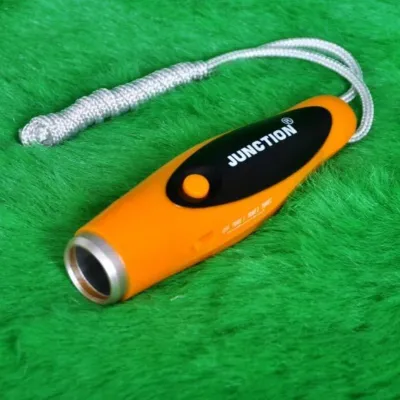
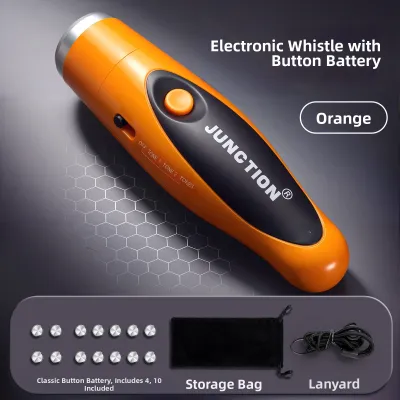
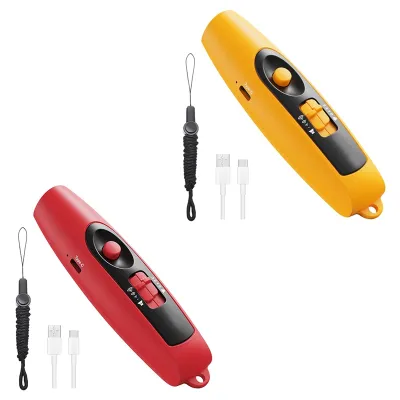
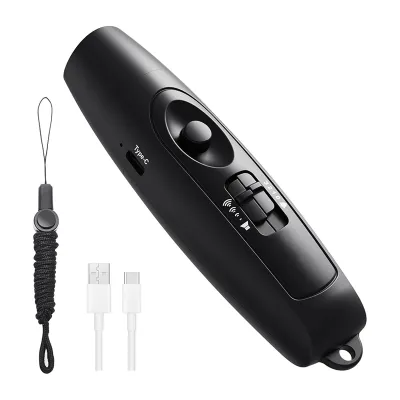
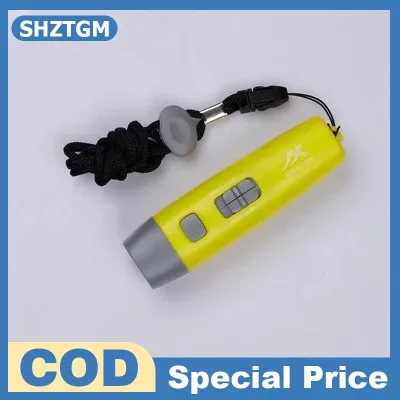
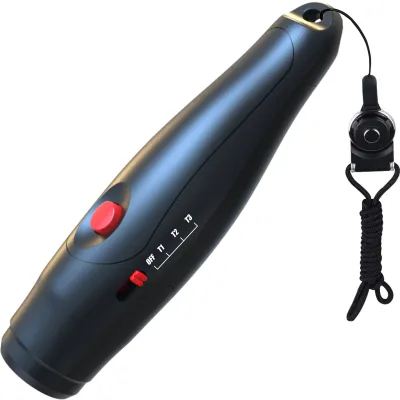
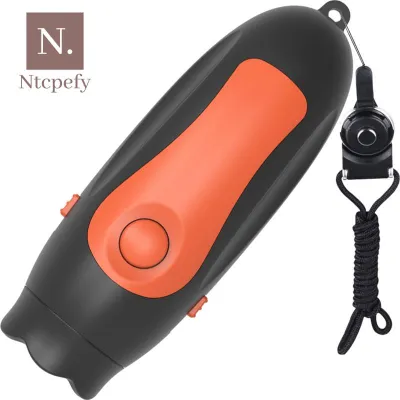
Prices are valid at publication and may change. Please refer to the product page for the latest price.
Hygiene is another compelling reason for the transition. Traditional whistles collect saliva and require frequent cleaning to prevent bacterial growth. In tournament settings where multiple officials or coaches might need to share equipment, mouth-blown whistles present clear sanitary challenges. An electronic whistle is operated entirely by hand, making it easy to share among a refereeing crew or coaching staff without any oral contact. A quick wipe with an antiseptic cloth is all it takes to sanitize the device between matches.
Physical and environmental conditions also favor electronic models. In hot, humid tropical climates, such as afternoon matches in the Philippines, dehydration and physical exhaustion can set in rapidly. Saving your breath by using an electronic device helps preserve your energy over a long, multi-match tournament weekend. Similarly, in cold or dusty conditions, throat irritation can make blowing a traditional whistle uncomfortable or even painful.
Despite these clear advantages, electronic whistles have inherent limitations that you must consider before making the switch. Because they rely on internal circuitry and batteries, they are susceptible to electronic failure, water damage, or sudden power depletion. Unlike a plastic pealess whistle, which has no moving parts and will function as long as you can blow air through it, an electronic whistle can go silent if the battery dies or if moisture penetrates the casing. Understanding these trade-offs is essential for maintaining match-day readiness.
Core Selection Criteria for Match-Day Reliability
To ensure your electronic whistle performs flawlessly on match day, you must evaluate several technical specifications and build qualities. The first and most critical factor is sound output and frequency. A football pitch is a large, open space, often filled with crowd noise, player shouting, and ambient environmental sounds. Your whistle must be loud enough to cut through this noise instantly. Look for devices with a verified decibel rating of at least 120 decibels. Additionally, the frequency pitch should be high and distinct from ambient sounds, ensuring players can immediately distinguish your signal from other noises in the area.

Power source and battery life dictate how long your whistle remains operational. Electronic whistles generally use either rechargeable lithium-ion batteries or replaceable button-cell batteries, such as CR2032 or AAA types. Rechargeable models are highly convenient and cost-effective over time, but they require access to a power source between matches. Replaceable battery systems allow you to carry spares in your pocket for an instant swap if the power fails mid-game. When evaluating battery life, calculate the total runtime against your typical officiating schedule, ensuring the device can handle back-to-back matches without a drop in volume.
Ergonomics and activation design directly impact your reaction time on the pitch. In football, a fraction of a second can change the outcome of a play. The activation button must be positioned intuitively so that your thumb or finger rests naturally on it while running. Look for a grip design that prevents the whistle from slipping out of your hand when wet with sweat or rain. One-handed operation is non-negotiable; you must be able to trigger the sound instantly while simultaneously using your other hand to signal a foul, offside, or card.
Weather and impact resistance are vital for outdoor sports equipment. Football matches are played on natural grass and artificial turf, often under unpredictable weather conditions. Check the product specifications for an Ingress Protection (IP) rating, which indicates how well the device resists dust and water. A rating of IP54 or higher is generally recommended to withstand heavy rain and sweat. Furthermore, the outer casing must be durable enough to survive accidental drops onto hard ground or turf without cracking or damaging the internal circuitry.
Matching Whistle Profiles to Your Officiating Environment
Different refereeing environments demand different whistle characteristics. If you officiate in large stadiums or professional leagues, your primary focus should be maximum decibel output and directional sound projection. These venues feature expansive pitches and high levels of crowd noise that can easily drown out weaker signals. A whistle with a directional speaker grille allows you to point the sound directly toward the play, ensuring that players on the far side of the pitch hear your decisions clearly.
For amateur, grassroots, and local community matches, your priorities may shift toward portability, ease of charging, and practical budget constraints. Grassroots referees often manage their own equipment budgets, making cost-effective options highly appealing. In the Philippines, reliable electronic whistles can be found on local ecommerce platforms within a budget-friendly range of ₱500 to ₱1,500. At this level, a lightweight, versatile whistle with a standard USB charging port offers the best balance of performance and convenience, allowing you to charge the device in your car or via a power bank on the way to the pitch.
Training sessions and multi-match youth tournaments require a focus on comfort and endurance. Officiating multiple games in a single day can lead to hand fatigue if your whistle is heavy or awkward to hold. Look for lightweight designs that feature comfortable lanyard attachments or finger-loop brackets. A finger-loop style allows you to keep the whistle secured to your hand without constantly gripping it, freeing up your fingers to write in your match book or manage your stopwatch. Quick-recharge capabilities are also highly beneficial for topping up the battery during halftime or between tournament brackets.
Pre-Purchase Verification and Maintenance Checklist
Before purchasing an electronic whistle, it is important to verify the manufacturer’s claims. Do not rely solely on the marketing text on the packaging. Cross-reference the stated decibel levels and battery runtimes with independent user feedback, product reviews, and standardized testing labels. Look for specifications that clearly state the testing conditions, such as the distance at which the decibel level was measured. This verification step helps ensure you do not end up with a device that is too quiet for outdoor football matches.
Establishing a strict pre-match check routine is essential for preventing on-pitch failures. Before heading to the field, verify the battery indicator to ensure a full charge or install fresh batteries. Test the button responsiveness several times to confirm that the sound triggers instantly without sticking. Inspect the speaker grille for any dirt, grass, or debris that might block the sound output. A clogged grille can significantly reduce the volume and clarity of your whistle blasts.
Post-match care is equally important for preserving the lifespan of your electronic whistle. After a wet match, dry the device thoroughly with a soft cloth and store it in a well-ventilated area. Avoid leaving the whistle in direct sunlight, hot cars, or damp gear bags, as extreme temperatures and trapped moisture can damage the internal electronics and degrade battery health. During the off-season, store the whistle in a cool, dry place, and charge rechargeable models periodically to prevent the battery from discharging completely.
If your electronic whistle suffers physical damage, such as a cracked casing or water intrusion, stop using it immediately. Attempting to repair internal electronic components yourself can compromise the device’s reliability and safety. Instead, consult the manufacturer’s manual or contact a qualified professional for repair options. On the pitch, your whistle is your voice; relying on a damaged or poorly repaired electronic device is a risk that can lead to lost control of a match.
Frequently Asked Questions (FAQ)
Are electronic whistles allowed in official football competitions?
Before using an electronic whistle in a competitive match, you must check the specific rulebooks of your local league, national association, or regional football federation. Equipment regulations vary significantly between different levels of the game. While electronic whistles are widely accepted in training sessions, youth leagues, and grassroots matches, some professional or sanctioned competitive leagues may require traditional mouth-blown whistles or have strict approval processes for electronic equipment.
How do I prevent an electronic whistle from failing mid-match?
The most effective way to mitigate the risk of electronic failure is to carry a traditional mouth-blown whistle as a backup. Keep the backup whistle on a separate lanyard around your neck or tucked securely into your referee shirt pocket where you can access it instantly. Additionally, establish a pre-game routine to verify battery levels, and familiarize yourself with your specific model’s low-battery warning signals, such as a flashing LED light or a slight drop in pitch.
Can I use a standard electronic whistle in heavy rain?
Whether you can use an electronic whistle in heavy rain depends entirely on its Ingress Protection (IP) rating. Check the product packaging or user manual to verify the water resistance level. A rating of IP56, for example, indicates protection against powerful water jets, making it suitable for heavy tropical downpours. If you suspect moisture has entered the speaker grille during a rainy match, dry the exterior immediately after the game and place the device in a dry, warm environment to allow any internal condensation to evaporate.

Community discussion
Share your experience or ask a question. Comments are reviewed before publication.