
To choose the right exercise mat for men, you must balance your body weight with the physical demands of your training. Heavier men or those focusing on floor-based mobility generally require high-density mats ranging from 6mm to 8mm to prevent bottoming out. Conversely, dynamic training, balance work, and standing yoga poses demand a thinner, firmer profile of 3mm to 5mm to maintain ankle stability and prevent slipping. Finding the right balance helps keep your joints protected without compromising your footing during high-effort movements.
The Core Trade-Off: Cushioning vs. Stability
A thicker mat provides a deeper buffer between your body and the hard floor. While this feels comfortable under your knees and elbows, it introduces a soft, shifting surface. When you perform standing exercises or single-leg balances, your feet sink into the material, forcing your ankles and stabilizing muscles to work harder to keep you upright.
Thinner mats keep your center of gravity close to the solid floor. This proximity provides immediate ground feedback, allowing you to plant your feet securely and maintain proper alignment. However, the trade-off is direct impact transfer; thin mats offer minimal shock absorption, which can cause discomfort during high-impact landings or prolonged kneeling.
Products mentioned in this guide
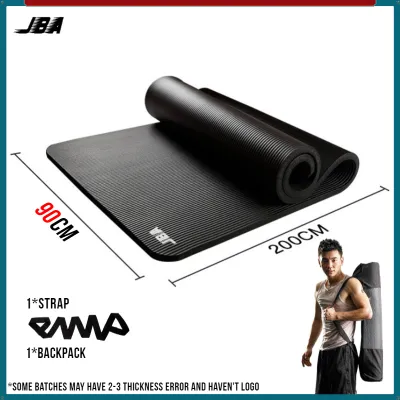
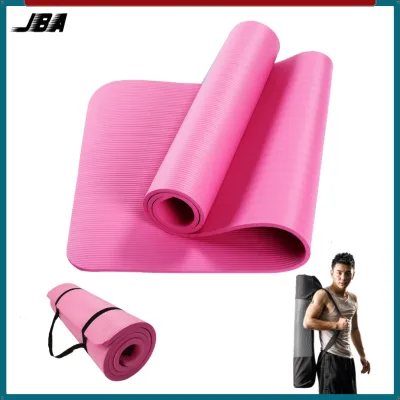
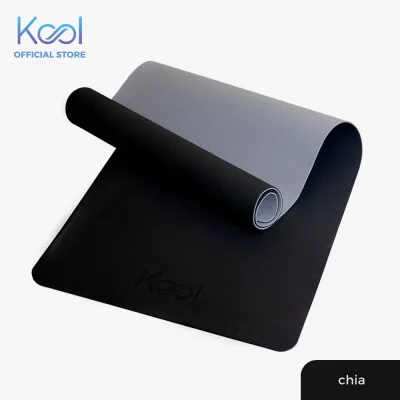
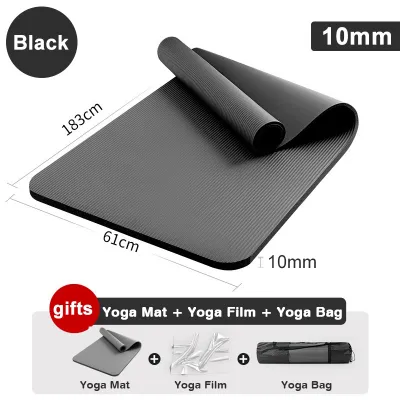
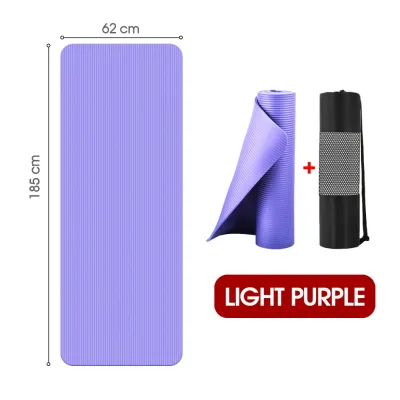
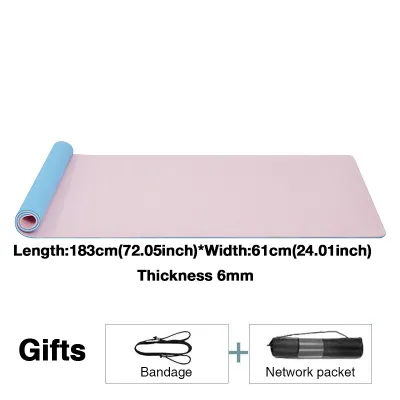
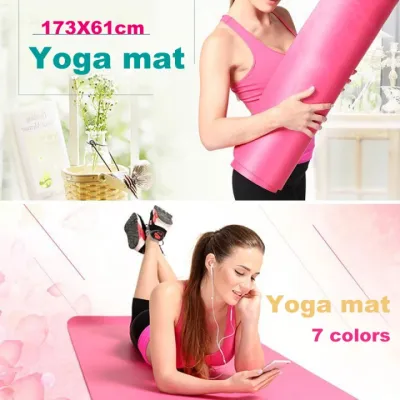
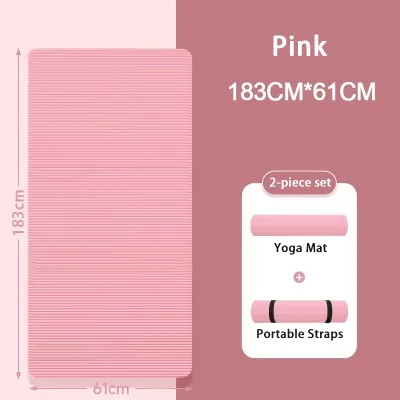
Prices are valid at publication and may change. Please refer to the product page for the latest price.
It is a common misconception that thickness is the sole indicator of comfort. A thick but low-density foam mat can compress completely under moderate pressure, offering less actual protection than a thinner, high-density alternative. Understanding how material density interacts with thickness is key to making an informed choice.
How to Match Thickness to Your Primary Workout
Different training styles place distinct physical demands on your equipment. For balance-focused disciplines like yoga or Pilates, a thin mat of approximately 3mm to 4mm is standard. This profile keeps your feet firmly connected to the ground, reducing the risk of ankle rolling during complex transitions or standing poses.

If your routine consists of high-intensity interval training (HIIT), bodyweight strength training, or core work, a medium-thickness mat of 5mm to 6mm offers a practical compromise. This thickness provides enough shock absorption to cushion your joints during jump squats or burpees, while remaining firm enough to support your hands and feet during push-ups and planks without excessive sinking.
For dedicated floor work, deep stretching, and physical rehabilitation, a thicker mat of 8mm or more is often appropriate. These routines involve prolonged contact with the floor, where protecting the spine, tailbone, and knees from hard surfaces is the primary goal. The extra cushioning helps prevent bruising and discomfort during slow, controlled movements.
If your weekly routine spans multiple training styles, you may need to prioritize the activity you perform most frequently. Alternatively, keeping two specialized mats—a thin one for stability work and a thicker one for recovery days—can prevent you from compromising your safety or performance in either discipline.
Adjusting Your Choice for Body Weight and Joint Needs
Your body weight directly affects how much a mat compresses during use. Heavier individuals exert greater localized pressure, which can lead to a phenomenon known as “bottoming out.” This occurs when your weight completely flattens the mat, leaving your joints resting directly against the hard subfloor and rendering the cushioning ineffective.
To prevent bottoming out, heavier men should focus on high-density materials rather than simply buying the thickest mat available. A high-density mat maintains its structural integrity under load, distributing your weight evenly and keeping your joints elevated off the floor.
If you have pre-existing joint sensitivities in your knees, wrists, or lower back, you do not necessarily need a thick, unstable mat for your entire workout. Instead, consider using a standard-thickness mat for overall stability and placing a localized gel pad or folded towel under your knees or wrists during specific floor exercises. This targeted approach preserves your footing during standing movements while protecting sensitive areas.
When shopping, always verify the manufacturer’s specifications regarding material density and weight recommendations. Look for indicators of structural support, and check user feedback to see how the mat performs under sustained heavy loads.
Why Material Density Matters Just as Much as Thickness
The material composition of an exercise mat dictates its weight, durability, and compression resistance. Common options include polyvinyl chloride (PVC), thermoplastic elastomer (TPE), natural rubber, and ethylene-vinyl acetate (EVA) foam. Each material behaves differently under pressure and environmental conditions.
For instance, a thin 4mm mat made of high-density natural rubber often provides effective joint protection and stability compared to a 10mm mat made of low-density EVA foam. The natural rubber resists compression and keeps you stable, whereas the low-density foam collapses easily under your hands or feet.
When evaluating options on online marketplaces, read the product labels carefully for density indicators. High-density mats are typically heavier and do not leave deep, permanent indentations when pressed with your thumb. They also tend to lie flat on the floor without curling at the edges.
In warm, humid climates like the Philippines, sweat can quickly turn a smooth mat into a slipping hazard. Surface texture and open-cell versus closed-cell construction become critical safety factors. Look for textured surfaces or natural rubber materials that maintain their grip even when exposed to moisture, ensuring your hands and feet do not slide during intense sessions.
Your Pre-Purchase Checklist for Online Shopping
Before finalizing your purchase on any online marketplace, run through a quick verification process to ensure the mat meets your physical and training needs. First, confirm that the specified thickness matches your primary workout style and stability requirements.
Second, cross-reference the product description for material details, checking for high-density indicators like natural rubber or heavy-duty TPE rather than lightweight, low-density foams. Verify if the manufacturer provides specific weight capacity guidelines or slip-resistance ratings.
Third, check the physical dimensions of the mat. Standard mats may be too short or narrow for taller men or those with wider shoulders; look for extra-long or extra-wide options to ensure your entire body remains on the mat during dynamic movements.
Finally, review the seller’s return policy and warranty terms. Because you cannot physically test the mat’s firmness online, having a clear return path is essential if the actual density does not match your expectations upon delivery.
Frequently Asked Questions (FAQ)
Can I use a thick camping or puzzle mat for working out?
Camping mats and interlocking puzzle mats are designed for insulation and light cushioning, not the dynamic forces of exercise. They typically feature low-density foam that compresses easily and lacks the necessary surface traction. Using them for workouts increases the risk of slipping, joint strain, and ankle rolling due to poor edge support and shifting pieces. Restrict these generic foam products to light stretching, and invest in a dedicated, high-density exercise mat for any weight-bearing or high-impact training.
Do I need a different mat for home workouts versus gym use?
Your workout environment should influence your mat’s thickness and weight. If you frequently travel to a gym or local fitness center, a thinner, lighter, and highly portable mat (around 3mm to 4mm) is easier to roll up, carry, and clean. This also ensures you have a hygienic, personal barrier over shared gym floors. For home workouts where portability is not a concern, you can opt for a thicker, heavier mat (6mm or more) that stays permanently rolled out or stored in your closet, providing maximum comfort without the burden of carrying it. Always measure your available floor space before purchasing extra-large home mats.

Community discussion
Share your experience or ask a question. Comments are reviewed before publication.