
Choosing the right fishing bag depends entirely on your mobility needs, the volume of gear you carry, and the specific environment where you cast your line. An angler wading through a fast-flowing river requires immediate, hands-free access to small fly boxes, while someone fishing from a boat can prioritize maximum storage and rigid protection over carrying comfort. Matching your bag to your fishing style ensures your tackle remains organized, protected from the elements, and easy to reach when a fish is biting.
In tropical climates like the Philippines, where sudden downpours and high humidity are common, your choice of gear storage also impacts how well your tackle resists rust and moisture damage. Whether you are casting from a rocky shoreline, navigating a crowded pier, or wading in a mountain stream, selecting a bag with the appropriate carrying system, capacity, and material properties will directly improve your efficiency on the water.
Identify Your Primary Fishing Environment and Gear Load
Before browsing different bag styles, you must evaluate where you spend most of your time fishing and how much gear you actually need to bring. Shore fishing along coastal areas or walking along riverbanks requires high mobility, meaning you must carry all your gear on your body for hours. In contrast, boat fishing or stationary pier fishing allows you to transport heavier, bulkier setups because you can set your gear down in a secure, dry spot.
Products mentioned in this guide
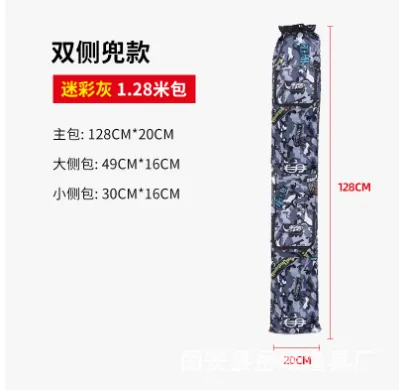
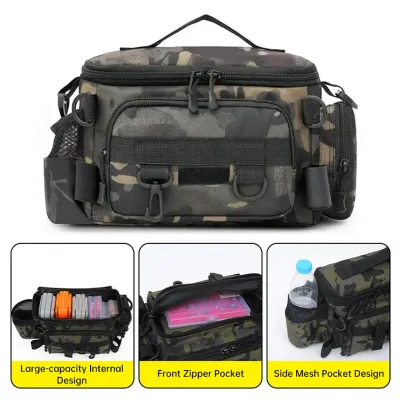
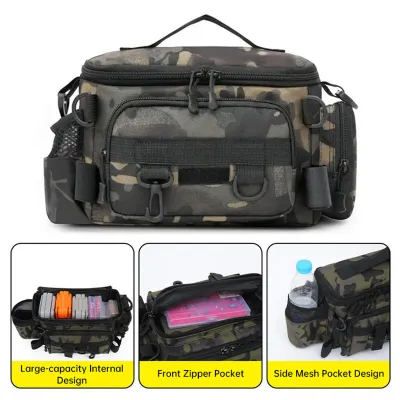
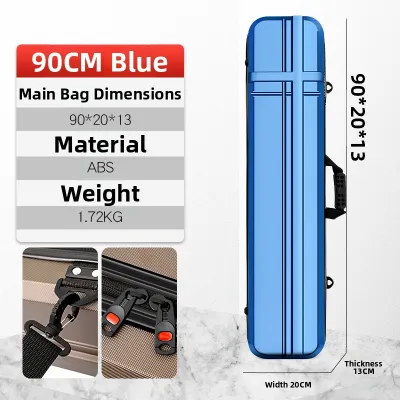
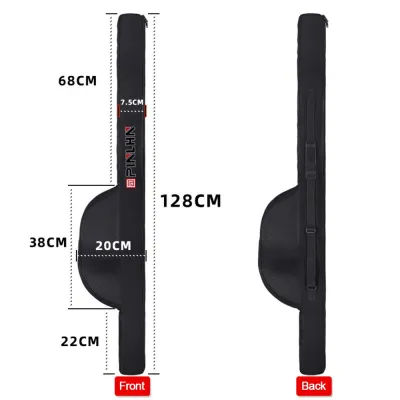
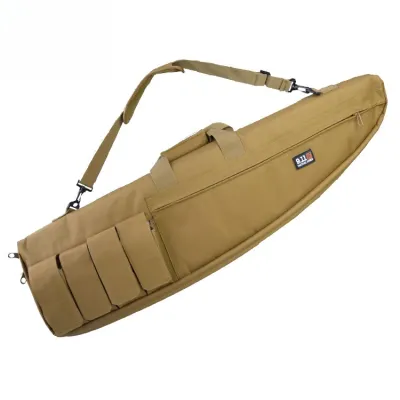
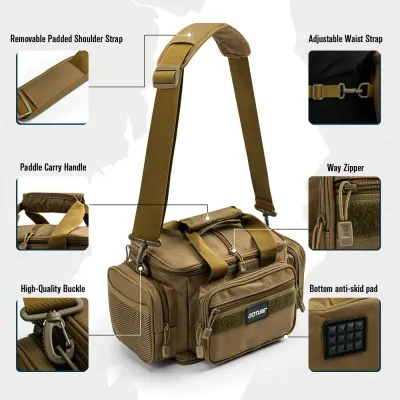
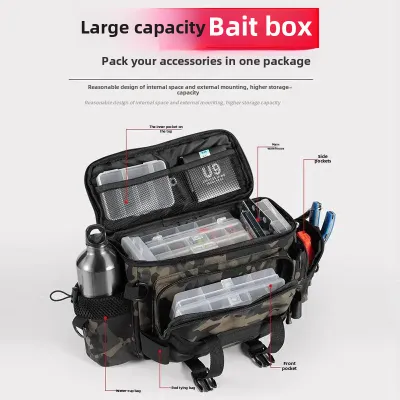
Prices are valid at publication and may change. Please refer to the product page for the latest price.
Your gear volume is determined by your target species and the duration of your trip. If you are targeting a wide variety of fish that require different lures, weights, and rigs, your storage needs will be significantly higher than if you are practicing minimalist fly fishing. Consider the physical weight of your tackle trays, spare reels, tools, and personal items like water bottles and rain gear.
The key is finding the right balance between quick gear access and long-distance carrying comfort. A bag that is too small will force you to leave essential tackle behind, while an oversized, heavy bag will cause shoulder and back strain during long walks. Assess your physical limits and the terrain you navigate to establish a realistic baseline for your carrying capacity.
Hard Tackle Boxes: Best for Boat and Stationary Fishing
Hard tackle boxes are the traditional choice for anglers who fish from stable platforms where walking distance is minimal. If you primarily fish from a boat, a concrete pier, or a vehicle-accessible shoreline, a rigid plastic box provides the most secure storage environment for your gear. These boxes are designed to sit flat on a deck or ground surface, offering a stable workstation where you can organize and rig your tackle.

The primary advantage of a hard tackle box is its structural protection and organizational capacity. The rigid outer shell shields fragile lures, expensive reels, and delicate terminal tackle from being crushed by heavy gear or stepped on during a busy boat trip. Inside, adjustable cantilever trays or stacked utility boxes allow you to categorize your lures by size, depth, or color, making it easy to locate specific items instantly.
However, hard boxes have clear limitations when it comes to mobility. They are bulky, heavy, and typically feature only a simple top handle, making them highly impractical for walking long distances over rough terrain or sandy beaches. Carrying a heavy hard box in one hand for more than a few hundred meters quickly becomes exhausting and leaves you with only one free hand to carry your rods.
When inspecting a hard tackle box before purchase, pay close attention to the latch durability and hinge strength. Look for heavy-duty, secure latches that will not accidentally pop open if the box is bumped or dropped. Verify that the internal trays are adjustable so you can customize the compartment sizes to fit your specific lures, sinkers, and tools without wasting valuable space.
Fishing Backpacks: Ideal for Long Hikes and Shore Fishing
For mobile anglers who cover long distances on foot, a dedicated fishing backpack is often the most practical solution. If your favorite fishing spots require hiking through coastal trails, walking along expansive sandy beaches, or scrambling over rocky shorelines, a backpack distributes the weight of your gear evenly across both shoulders. This hands-free carrying method allows you to use trekking poles, carry multiple rods, or navigate difficult terrain safely.
The main benefit of a fishing backpack is its high storage capacity combined with ergonomic comfort. Most designs feature a large lower compartment specifically sized to hold multiple plastic utility trays, while upper compartments and side pockets accommodate soft plastics, line spools, tools, and personal gear. By keeping the weight centered on your back, you can carry a substantial amount of tackle for an all-day session without experiencing localized shoulder pain.
The primary trade-off of a backpack is accessibility. To retrieve a new lure or tool, you must stop walking, take the pack off your shoulders, unzip the compartments, and then put it back on. This slower retrieval process can be frustrating when fish are actively feeding and you need to change your rig quickly.
When choosing a fishing backpack, inspect the shoulder straps and back panel for thick, breathable padding to ensure comfort in hot, humid conditions. Look for a water-resistant or molded rubber base that allows you to set the pack down on wet mud, damp sand, or wet boat decks without water seeping into your gear. External rod holder attachments and tool slots are also valuable features to check, as they keep your hands completely free during your trek.
Sling and Waist Packs: Built for Fly Fishing and Wading
Anglers who spend their time wading in rivers, streams, or shallow coastal flats require compact, lightweight storage solutions that keep their gear dry and easily accessible. Sling bags and waist packs are specifically designed for these active, in-water scenarios, offering a streamlined profile that does not hinder your casting motion. Both styles prioritize rapid access to essential tools and tackle while keeping your gear elevated above the water level.
Sling Bags for Moderate Gear and Quick Access
Sling bags feature a single diagonal strap that allows you to quickly swing the pack from your back to your chest without removing it. This design is highly effective for bank fishing and light wading, as it gives you immediate access to your tackle trays, leader spools, and cutting tools while standing in the water. Sling bags typically offer a moderate storage capacity, holding two or three medium-sized utility boxes along with essential accessories.
When evaluating a sling bag, look for a stable cross-body strap system, including a secondary stabilizer strap if available. This prevents the bag from sliding forward or shifting side-to-side while you are casting or bending over to land a fish. Ensure the main compartments open sideways when the bag is swung to the front, preventing your tackle from falling out into the water during gear changes.
Waist Packs for Minimalist Wading
Waist packs, also known as hip packs, are the ultimate choice for minimalist anglers wading in deeper streams or navigating tight, brush-heavy environments. By riding low on your lower back or hips, these packs keep your upper body completely free for unrestricted casting and movement. They naturally limit the amount of gear you can carry, forcing you to pack only the essential fly boxes, terminal tackle, and tools needed for the day, which significantly reduces physical fatigue.
To ensure a waist pack performs well in the water, verify that the belt is wide, padded, and highly adjustable to fit securely over bulky waders or lightweight wading pants. Look for water-resistant zippers and durable, non-absorbent fabrics that will not hold water if they get splashed. The pack should sit comfortably above your typical wading depth to keep your tackle dry, and it should easily slide around your waist when you need to access the compartments.
Cross-Scenario Compatibility: Do You Need Multiple Bags?
Many anglers participate in multiple types of fishing, leading to the question of whether a single bag can handle every scenario. While some hybrid designs exist—such as backpacks with detachable sling components or modular utility tray systems—a “do-it-all” bag often introduces compromises. A large backpack is too bulky for deep wading, while a compact waist pack lacks the capacity needed for a full day of boat fishing with diverse tackle requirements.
If you are trying to decide how to allocate your budget, a practical strategy is to start with a versatile, medium-sized soft tackle bag or sling bag. These options offer a reasonable balance of mobility and storage for shore fishing and light wading. As your fishing styles diversify, you can add a dedicated hard tackle box for organized boat trips or a specialized waist pack for minimalist stream wading. This modular approach ensures you always have the right tool for the specific environment without carrying unnecessary weight.
Physical Features to Inspect Before You Buy
Because specific material performance and durability claims vary widely by manufacturer, you should physically inspect several key attributes before purchasing a fishing bag. First, evaluate the material and water resistance. Check the fabric’s denier rating—higher numbers generally indicate thicker, more abrasion-resistant threads—and look for interior polyurethane coatings or seam taping. If you expect to fish in heavy tropical rains, verify the manufacturer’s specific water-resistance or waterproof ratings to ensure your gear stays dry.
Second, inspect the zippers and hardware thoroughly. In saltwater environments, standard metal zippers will quickly corrode and seize. Look for oversized, molded plastic zippers or metal hardware with documented rust-resistant coatings. Pull the zippers back and forth to ensure they glide smoothly without catching on the surrounding fabric, and check for zipper flaps that shield the teeth from dirt and salt spray.
Finally, assess the internal organization and compatibility of the bag. Check if the main compartments are designed to fit standard-sized plastic utility trays (such as 3600 or 3700 series trays) that you may already own. Look for adjustable internal dividers, clear zippered pockets for soft plastics, and dedicated external attachment points like D-rings, hook-and-loop straps, and tool sheaths to keep your pliers and line cutters secure and accessible.
Frequently Asked Questions (FAQ)
How do I clean and maintain my fishing bag after saltwater use?
To prevent corrosion and fabric degradation, always rinse your fishing bag with clean, fresh water after every saltwater trip. Pay close attention to the zippers, metal D-rings, and plastic buckles where salt crystals tend to accumulate. Once rinsed, open all compartments and pockets fully, and hang the bag to air dry completely in a shaded, well-ventilated area away from direct sunlight, which can damage the fabric over time. If recommended by the manufacturer, apply a light coat of silicone-based zipper lubricant to keep the zippers sliding smoothly and prevent salt buildup.
Can I use a regular hiking backpack for fishing?
While you can use a standard hiking backpack for casual fishing trips, it lacks the specialized features that make fishing bags highly functional. Hiking packs generally feature one deep main compartment, which causes loose tackle trays, sinkers, and tools to pile up at the bottom, making them difficult to access quickly. They also lack water-resistant bases to protect against wet ground, dedicated external tool holders, and corrosion-resistant hardware, meaning standard zippers may quickly fail when exposed to humid, salty coastal air.

Community discussion
Share your experience or ask a question. Comments are reviewed before publication.