
Selecting the most effective fishing bait for carp in the Philippines requires a clear understanding of local aquatic environments, water temperatures, and the specific foraging habits of the fish in your chosen venue. While carp are highly adaptable omnivores, their feeding patterns in tropical climates are heavily influenced by consistent warmth, which keeps their metabolism active year-round. Choosing between accessible natural baits, such as sweet corn and homemade dough mixes, and specialized commercial options, like sinking pellets and boilies, depends on whether you are targeting wild river systems or stocked commercial payponds. By matching your bait selection to the water conditions and employing the correct presentation techniques, you can significantly increase your chances of a successful catch.
Understanding Carp Feeding Behavior in Local Waters
To consistently catch carp in the Philippines, anglers must first understand how the tropical climate shapes the biology and behavior of these fish. Unlike temperate regions where carp experience distinct seasonal dormancy, the warm freshwater environments of the Philippines keep water temperatures relatively high throughout the year. This consistent warmth accelerates the metabolic rate of carp, meaning they require a steady intake of nutrients and remain active feeders across all seasons. However, during the peak of the dry season when water temperatures rise excessively, dissolved oxygen levels in shallow areas can drop. During these periods, carp often alter their behavior, retreating to deeper, cooler pockets of water and shifting their primary feeding times to the early morning, late evening, or night.
Foraging behavior also varies dramatically depending on the type of water system you are fishing. In wild river systems, such as the Pampanga River or the Cagayan River, carp are highly cautious and rely on a diet consisting of natural food sources. These include aquatic insects, small snails, freshwater shrimp, plant seeds, and organic detritus. Because these fish are unaccustomed to artificial additives, they can be easily spooked by highly processed or unfamiliar baits. Conversely, carp in stocked lakes, private reservoirs, and commercial payponds are often raised on or regularly exposed to commercial aquaculture feeds. These fish quickly associate pellet-based feeds and strong artificial aromas with an easy meal, making them far more receptive to manufactured baits.
Products mentioned in this guide
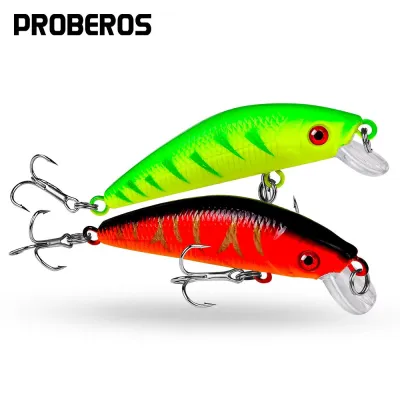
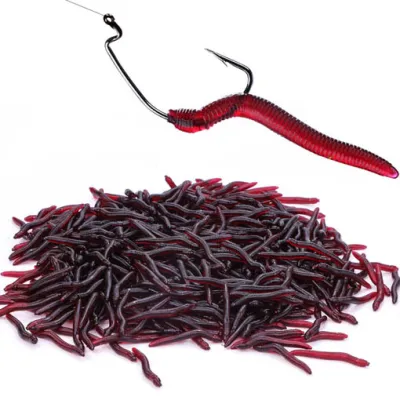

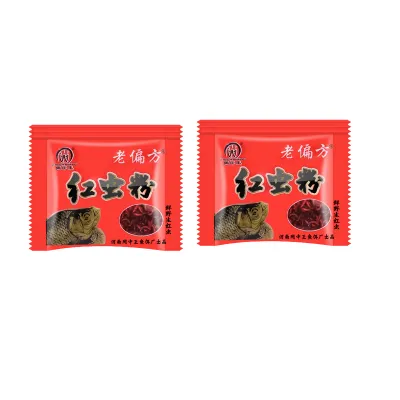
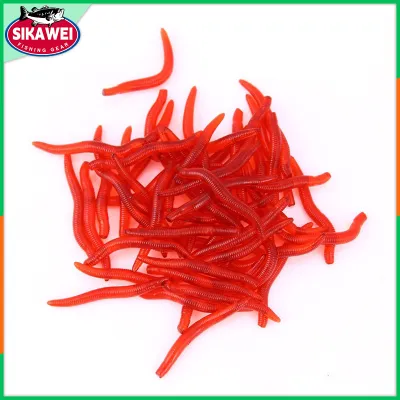
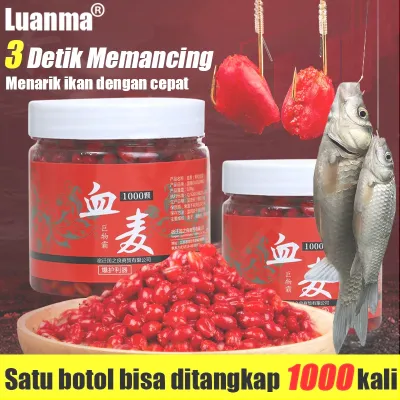
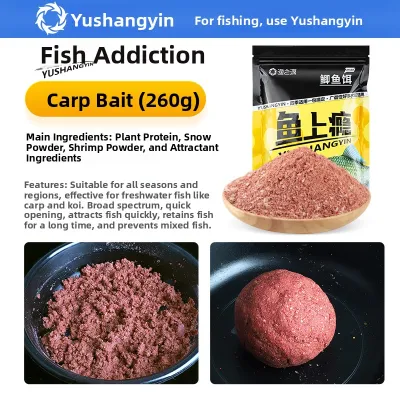
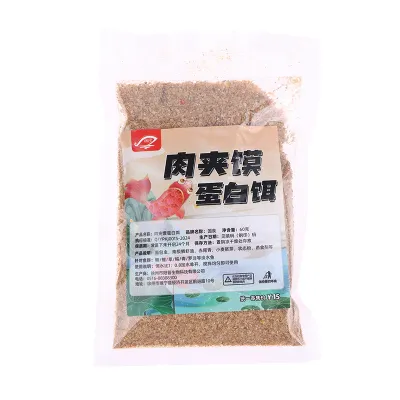
Prices are valid at publication and may change. Please refer to the product page for the latest price.
Observing local water clarity and natural food sources is a critical step before selecting your bait profile. In turbid or muddy waters, which are common in many local rivers and lowland lakes after heavy rains, a carp’s visual range is severely limited. In these conditions, the fish rely almost entirely on their highly developed olfactory system and the sensitive barbels around their mouths to locate food. Consequently, baits with strong, water-soluble scent trails and high oil content are essential for drawing fish to your hook. In clear-water environments, such as upland reservoirs or well-maintained spring-fed ponds, visual attraction becomes much more important. Here, bright colors like yellow, orange, or white can trigger a quick curiosity strike from a passing fish.
Evaluating Common Types of Fishing Bait for Carp
Selecting the right bait involves weighing the convenience, cost, and attraction power of different options. Carp baits generally fall into two main categories: natural or homemade options, and commercial packaged products. Each category has distinct advantages and limitations depending on the fishing scenario.

Natural and Homemade Bait Options
Natural and homemade baits are highly favored by local anglers due to their affordability, ease of preparation, and proven track record in both wild and stocked waters. Sweet corn is perhaps the most popular and accessible natural bait available. Canned sweet corn is inexpensive, easy to store before opening, and ready to use straight from the can. Its bright yellow color provides excellent visual contrast against dark lake beds, while its natural sugars and soft, easily digestible texture make it highly appealing to carp of all sizes. Bread is another versatile option; soft white bread can be compressed directly onto a hook to form a dense, slow-sinking bait, or used as a floating crust to target carp feeding near the surface.
For anglers who prefer a customized approach, homemade dough baits offer endless possibilities. A basic dough mix typically starts with a base of fine cornmeal, all-purpose flour, and water. To enhance its attraction, local anglers often incorporate aromatic kitchen ingredients such as vanilla extract, condensed milk, pandan leaf infusions, or even a small amount of coconut milk (gata). To ensure these homemade dough baits stay securely on the hook—especially when fishing in moving river currents or casting long distances—proper preparation is key. Kneading the dough thoroughly to develop the gluten structure is essential. Many anglers boil the prepared dough balls for a few minutes to create a tough outer skin while keeping the core soft, or they wrap the raw dough around a small spring feeder attached to the hook shank to prevent it from washing away.
Despite their benefits, natural and homemade baits have notable limitations. Because they lack artificial preservatives, homemade doughs and opened cans of corn spoil rapidly in the high heat and humidity of the Philippines, often souring or turning moldy within a single day. Additionally, while these baits are highly effective once a fish finds them, they generally lack the intense, far-reaching scent dispersion of commercial baits, meaning they have a smaller attraction radius in large, expansive bodies of water.
Commercial Packaged Baits and Pellets
Commercial packaged baits are engineered specifically to maximize attraction and convenience, making them an excellent investment for anglers looking to draw fish from a wide area. Boilies—hard, boiled paste baits typically shaped into spheres—are a staple of modern carp fishing. They are highly resistant to being nibbled away by smaller, non-target fish (such as small tilapia or rasboras), allowing them to sit on the lake bed for hours waiting for a larger carp. Sinking pellets, often derived from aquaculture feed formulations, are highly effective for pre-baiting or “chumming” an area. As they slowly dissolve on the bottom, they release a continuous cloud of food particles and oils that stimulate the carp’s feeding instincts without overfeeding them. Groundbait mixes, which are dry powders moistened at the waterside, can be packed around feeders to create a highly visible and aromatic feeding zone.
In warm tropical waters, scent and flavor dispersion occur rapidly, making the choice of aroma crucial. Sweet and fruity profiles, such as strawberry, banana, and pandan, perform exceptionally well in warmer temperatures as the sweet compounds dissolve quickly and travel far through the water column. Alternatively, highly pungent, fishy, or fermented profiles—such as those containing shrimp meal, krill, or fermented fish paste—mimic the natural protein sources that carp actively seek out for energy. These savory scents are particularly effective in turbid waters or during overcast days when fish rely heavily on their sense of smell.
When purchasing commercial baits from local tackle shops or online marketplaces, it is important to inspect the product carefully. Check the integrity of the packaging seals to ensure no moisture has penetrated the bag, as dampness can lead to mold growth in humid climates. Compare prices in ₱, which typically range from ₱150 for basic groundbait mixes to ₱600 or more for premium imported boilies and specialized pellets. Always verify the expiration or manufacturing dates on the packaging; stale or rancid pellets can repel cautious carp rather than attract them.
Adapting Your Bait Strategy to the Fishing Venue
Your choice of bait should always be tailored to the specific characteristics, rules, and fish density of the venue you plan to fish. Commercial fishing ponds, commonly referred to as payponds, present a very different challenge compared to wild lakes or public rivers. In payponds, fish are confined to a limited area and are subjected to constant angling pressure. Because these carp are caught and released frequently, they become highly suspicious of standard rigs and common baits. In these heavily pressured environments, success often requires a subtle, downsized presentation. Using a single grain of sweet corn on a small hook, or matching the exact color and size of the feed pellets used by the pond operators, can bypass the fish’s suspicion.
In contrast, wild or public lakes, such as Laguna de Bay or Lake Taal, feature vast expanses of water with much lower fish densities. Here, the primary challenge is not overcoming the fish’s caution, but rather drawing them to your specific location. A heavy pre-baiting or chumming strategy is often necessary to attract roaming wild carp. Anglers in these areas frequently use large quantities of groundbait mixed with boiled corn and crushed pellets to create a highly attractive feeding zone. Once the carp locate the feed, they will often stay in the area to forage, increasing the likelihood of them finding your hook bait.
Before heading out, it is vital to research and comply with local venue regulations. Many commercial payponds and managed fisheries enforce strict rules regarding bait usage to protect water quality and fish health. For example, some venues prohibit the use of heavy groundbaiting or chumming to prevent the water from becoming eutrophic. Others may ban specific ingredients, such as raw doughs that can break apart and rot on the pond bed, or restrict anglers to using only barbless hooks and specific types of manufactured pellets. Always consult the venue management or local fishing guides to ensure your bait strategy aligns with local rules.
Pre-Purchase and Preparation Checklist
To ensure your fishing trip is successful and trouble-free, use this practical checklist to verify your bait quality, storage, and tackle setup before leaving home:
- Inspect Packaging and Bait Quality: For commercial baits, check that all bags are vacuum-sealed or tightly closed. Feel the package to ensure pellets have not crumbled into dust. Inspect homemade baits for any signs of souring, off-odors, or mold growth that may have developed during storage.
- Prepare for Humidity Control: The high humidity in the Philippines can quickly ruin dry baits. Pack your groundbaits and pellets in airtight, heavy-duty plastic containers. If you are using homemade dough baits, store them in a cooler bag with ice packs to keep them fresh and firm until you reach the water.
- Match Your Terminal Tackle: Ensure you have the correct rigs to present your chosen bait. If you are using sweet corn or boilies, prepare hair rigs, which keep the bait separate from the hook, leaving the hook point fully exposed for a clean hook-up. If you are using soft dough baits, ensure you have spring-loaded hooks or feeder cages to hold the paste securely.
- Pack a Variety of Bait Profiles: Do not rely on a single bait type. Pack at least one sweet visual option (like canned corn) and one savory, high-scent option (like fishmeal pellets) so you can adapt to changing conditions.
Having a clear decision matrix during your session will help you avoid wasting time on unproductive tactics. If you do not receive a bite within 45 to 60 minutes, observe the water surface. If you see bubbles rising or fish splashing but are not getting bites, the carp may be feeding on smaller particles; try downsizing your bait or switching to a more subtle presentation. If there are no signs of fish activity at all, consider changing your location to a different depth, or switch to a highly aromatic bait to draw fish from a greater distance.
Frequently Asked Questions (FAQ)
Is it better to use live bait or artificial lures for carp?
Carp are primarily bottom-feeding omnivores that rely heavily on their senses of taste and smell to locate food. Because of this, stationary natural baits (like sweet corn and dough) or highly scented commercial baits (like pellets and boilies) are far more effective than artificial lures. While carp may occasionally strike a small soft plastic lure or a spinner out of aggression or curiosity, these occurrences are rare. Live baits, such as earthworms or small freshwater shrimp, can be highly effective, but they often attract non-target species like tilapia and catfish before a carp has a chance to find the bait.
How should I store commercial carp bait in a tropical climate?
To prevent spoilage, mold, and pest infestations in the hot and humid Philippine climate, proper storage is essential. Unopened commercial baits should be kept in a cool, dry pantry away from direct sunlight. Once a bag of pellets, boilies, or groundbait is opened, transfer the contents to a rigid, airtight plastic container with a silicone seal. This prevents moisture from entering and stops the bait from absorbing humidity, which causes softening and mold. For homemade dough baits, keep them in the refrigerator if you plan to use them within a few days, or freeze them in airtight bags for long-term storage.
Can I use the same bait for other freshwater fish in local lakes?
Yes, many of the baits used for carp have excellent crossover appeal for other freshwater species found in Philippine lakes and ponds. Sweet corn, dough mixes, and feed pellets are highly attractive to tilapia, pacu, and various species of catfish. While this versatility is beneficial if you enjoy multi-species fishing, it can sometimes be a challenge if smaller fish continuously nibble away your bait before a larger carp can arrive. To target carp specifically in waters with high densities of other fish, use larger, harder baits like boilies or large, compressed pellets that smaller fish cannot easily swallow.

Community discussion
Share your experience or ask a question. Comments are reviewed before publication.