
Selecting the right fishing lure in the Philippines requires matching your gear to the specific habitat, water conditions, and target species. Whether you are casting into the freshwater depths of inland lakes for largemouth bass or trolling the coastal drop-offs for saltwater predators like giant trevally, your choice of lure dictates your success. Understanding how different fish feed across various water layers allows you to present an artificial bait that closely mimics their natural prey, turning a quiet day on the water into an active angling experience.
Understand Your Target Species and Water Environment
The Philippine archipelago offers a diverse range of aquatic environments, split broadly into freshwater bodies and vast saltwater zones. Freshwater angling typically takes place in inland lakes, volcanic craters, and slow-moving rivers, where species like snakehead, tilapia, and introduced bass reside. Saltwater fishing spans shallow coastal flats, mangrove estuaries, rocky shorelines, and deep offshore waters, home to aggressive predators such as groupers, snappers, barracuda, and pelagic species like tuna and dorado.
To choose an effective fishing lure, you must first identify where your target species actively feeds. Some fish are surface-oriented predators that look upward for insects, frogs, or injured baitfish. Others cruise the mid-water column, tracking schools of small fish, while bottom-dwellers rely on ambush tactics near underwater structures.
Products mentioned in this guide
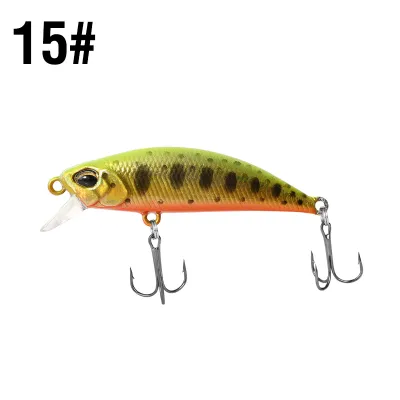
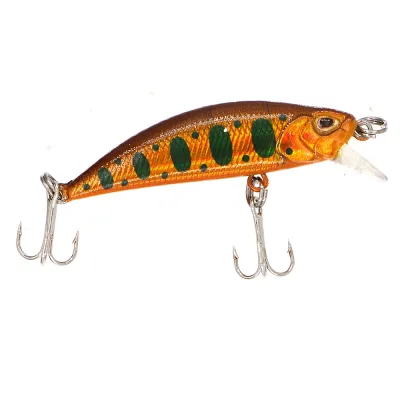
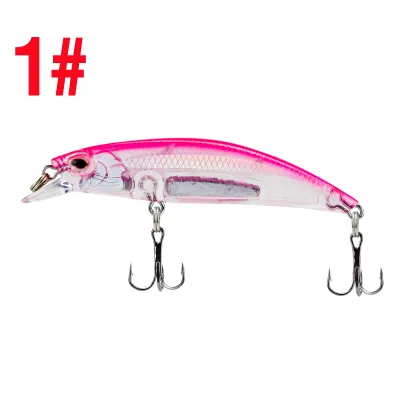
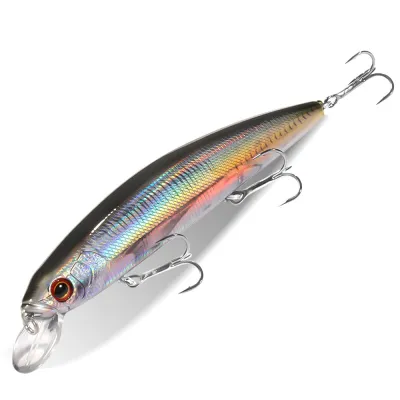
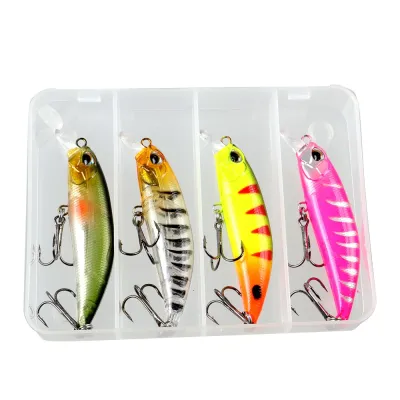
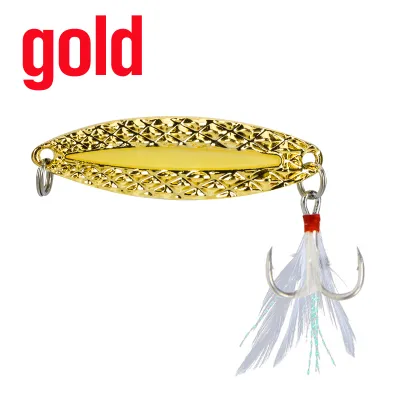
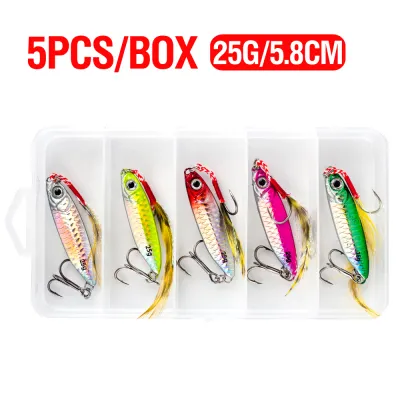
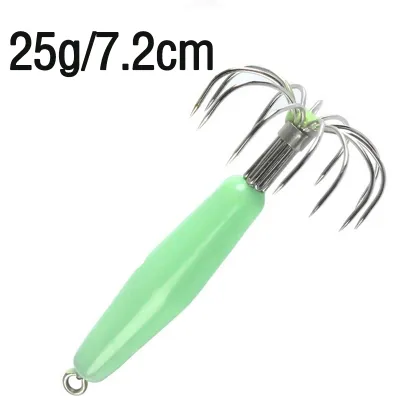
Prices are valid at publication and may change. Please refer to the product page for the latest price.
Local water conditions heavily influence how fish behave and how they perceive your lure. Strong tidal currents around coastal reefs require heavier lures to maintain depth, while calm lake waters demand a more delicate presentation. Before tying on a lure, observe the water clarity, current speed, and nearby structures like submerged timber, bamboo fish pens, or coral formations, as these factors dictate the necessary lure action and profile.
Match Lure Types to Fishing Conditions
A systematic approach to lure selection involves working through the water column from top to bottom. Starting on the surface allows you to gauge the aggressiveness of active fish without risking snags in deeper cover. If the surface remains quiet, transitioning to mid-water presentations helps locate fish suspended around structures or drop-offs. When mid-water retrieves fail to produce results, shifting to bottom-bouncing lures allows you to target inactive or structure-bound species. This logical progression ensures you cover all potential holding zones systematically, adjusting your depth and presentation based on real-time feedback from the water.

Topwater and Surface Lures
Topwater lures are designed to float on the surface, creating noise, splashes, or erratic movements that trigger aggressive, visual strikes from predatory fish. These lures are highly effective during low-light periods, such as early morning or late afternoon, when fish move to shallower waters to feed. They are also useful when you observe visible surface activity, such as baitfish skipping across the water to escape predators.
Common surface profiles include poppers and stickbaits. Poppers feature a cupped face that spits water and creates a deep popping sound when twitched, mimicking a struggling baitfish or a surface-feeding predator. Stickbaits, on the other hand, have a slender, aerodynamic shape and are fished using a walk-the-dog technique, where rhythmic rod twitches cause the lure to zig-zag across the surface.
When retrieving topwater lures, vary your speed and pause frequently. Many strikes occur the moment the lure stops moving, as predators perceive the pause as a sign of exhaustion. In coastal waters, casting poppers near reef edges or mangrove roots can draw explosive strikes from giant trevally and mangrove snapper.
Subsurface and Mid-Water Lures
When fish are active but not feeding on the surface, subsurface and mid-water lures are the primary choice. These lures operate anywhere from a few inches below the surface down to several meters deep, targeting suspended fish or those cruising along weed lines and drop-offs.
This category includes minnow-style hard baits, metal spoons, and soft plastic lures rigged on weighted hooks. Minnow baits often feature a small plastic lip that forces the lure to dive and wiggle when retrieved. Spoons offer a classic wobbling action that reflects sunlight, mimicking the flash of a swimming baitfish. Soft plastics, such as paddle tails or grub tails, provide a highly realistic swimming motion and can be fished at various depths depending on the weight of the hook or jighead.
To control your depth, adjust your retrieval speed and rod tip position. Keeping your rod tip low forces diving lures deeper, while a high rod tip keeps them closer to the surface. If the water temperature is high or fish seem sluggish, slow down your retrieve and add subtle twitches to entice hesitant predators.
Bottom-Bouncing and Deep-Diving Lures
Targeting fish that hold close to the bottom or hide deep within underwater structures requires specialized lures that can reach these zones without constantly snagging. Deep-diving crankbaits, heavy metal jigs, vibration baits, and weighted soft plastics on jigheads are excellent options for these challenging environments.
These lures are particularly useful when fishing deep river channels, steep drop-offs, rocky points, or around submerged structures like sunken logs and coral reefs. Species such as grouper and various snapper species rarely venture far from their rocky shelters, making bottom-contact presentations essential.
To minimize snags while maintaining contact with the bottom, learn to read the feedback transmitted through your fishing rod. A soft, mushy feeling often indicates weeds or mud, while a sharp, metallic tap signals rocks or timber. When using deep-diving crankbaits, the plastic lip acts as a bumper, deflecting the hooks away from rocks and branches. For soft plastics, utilizing weedless rigging techniques protects the hook point from catching on debris.
Adjust for Water Clarity and Light Conditions
Environmental visibility plays a critical role in how fish locate prey, meaning your lure’s color, size, and vibration must match the prevailing conditions. In the clear, sunlit waters often found around tropical islands and offshore reefs, fish rely heavily on their sight. Under these conditions, highly realistic, natural colors—such as silver, blue, green, or translucent finishes—are most effective. Smaller, streamlined profiles prevent fish from inspecting the lure too closely and realizing it is artificial.
Conversely, when fishing in muddy rivers, estuary systems after heavy tropical rains, or during heavily overcast days, visibility drops significantly. In these stained waters, switch to high-visibility colors like bright yellow, chartreuse, orange, or solid black, which create a strong silhouette. Lures with internal rattles, large blades, or wide wobbling actions are also beneficial, as they emit low-frequency vibrations that fish can detect using their lateral lines long before they see the lure.
Always pay close attention to how fish react to your presentation. If you notice fish following your lure to the boat or shore but turning away at the last second without striking, it is a clear sign that your presentation is too conspicuous or unnatural. Try downsizing your lure, switching to a more neutral color, or increasing your retrieval speed to force a reaction strike.
Rigging and Retrieval Techniques for Local Waters
Proper rigging and tackle preparation are vital to ensure your lure performs correctly and can withstand the powerful runs of local fish species. Saltwater environments are highly corrosive and home to incredibly strong, hard-mouthed predators. Before heading out, inspect your lure’s split rings and hooks. Standard freshwater hooks often bend or rust quickly in saltwater; replacing them with heavy-duty, corrosion-resistant inline single hooks or reinforced trebles can prevent gear failure.
Your choice of line and leader material must also match your target species and environment. When fishing clear waters or targeting easily spooked fish, a fluorocarbon leader is highly recommended due to its low visibility underwater and high abrasion resistance against rocks and corals. However, if you are targeting toothy species like barracuda or Spanish mackerel, a short wire leader is necessary to prevent clean bite-offs, though it may reduce strikes from non-toothy predators.
Finally, avoid a monotonous, steady retrieve. Reluctant or highly pressured fish often require an erratic presentation to trigger their predatory instincts. Experiment with a stop-and-go cadence, sharp rod twitches to make the lure dart sideways, or sudden bursts of speed. Varying your retrieval style allows you to determine what specific movement pattern appeals to the fish on any given day.
Frequently Asked Questions (FAQ)
Do I need different lures for freshwater and saltwater fishing?
Yes, primarily due to the differences in hardware durability and corrosion resistance. Saltwater is highly corrosive and will quickly rust standard freshwater hooks, split rings, and internal wire frames. Saltwater-specific lures are constructed with rust-resistant materials, such as stainless steel or specialized coatings, and feature reinforced bodies to withstand the crushing jaw pressure of marine predators. While the overall shape and action of a lure can work in both environments, you must ensure the hardware is rated for saltwater use before casting into the sea.
How do I prevent my lures from getting snagged in reefs or mangroves?
To minimize snags in heavy cover like mangrove roots or coral reefs, utilize weedless rigging methods for your soft plastic lures, such as the Texas rig, where the hook point is buried back into the body of the plastic. When using hard baits, choose models with buoyant bodies and large diving lips that bounce off obstructions, or swap out treble hooks for inline single hooks pointing upward. Additionally, keep your rod tip high during the retrieve to lift the lure over shallow obstacles, and maintain constant line tension so you can feel structural contact and pause the retrieve before the hooks dig in.

Community discussion
Share your experience or ask a question. Comments are reviewed before publication.