
Selecting the right fishing lure requires matching the lure’s physical properties to the biological habits of your target fish and the prevailing environmental conditions. In tropical waters, where temperatures remain warm and fish metabolism is often high, understanding how different lures behave in the water column is the key to a successful outing. Whether you are casting into a quiet freshwater lake for mudfish or casting along coastal mangroves for snapper, your choice of lure dictates how convincingly you can mimic local prey.
Understand the Four Main Types of Fishing Lures
To consistently trigger strikes, you must understand how different lure categories interact with the water. Hard baits, soft plastics, jigs, and spoons each offer distinct actions, depths, and vibration profiles. Choosing among them depends on where the fish are holding in the water column, the density of the surrounding cover, and your rod’s action. Beginners often find success with steady-retrieve lures, while experienced anglers use specialized rod movements to maximize the lifelike action of finesse baits.
Hard Baits: Crankbaits, Topwater, and Minnows
Hard baits are constructed from rigid materials like wood or molded plastic, designed to create intense vibrations and realistic swimming motions. These lures are generally categorized by their buoyancy: floating models stay on the surface, suspending models hover at a specific depth when paused, and sinking models slowly descend through the water column. The diving depth of a hard bait is primarily determined by the size, angle, and shape of its front lip, or bill. A wider, longer lip forces the lure deeper into the water upon retrieval, making it suitable for targeting fish holding near deep structures.
Products mentioned in this guide
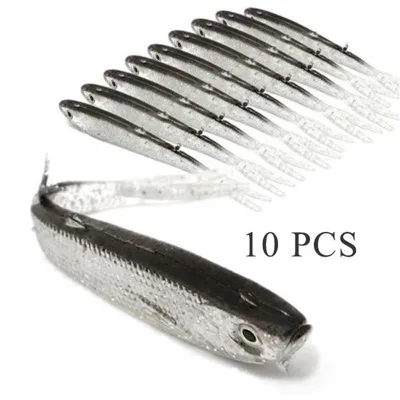
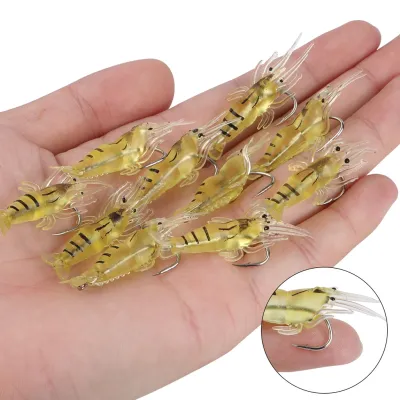
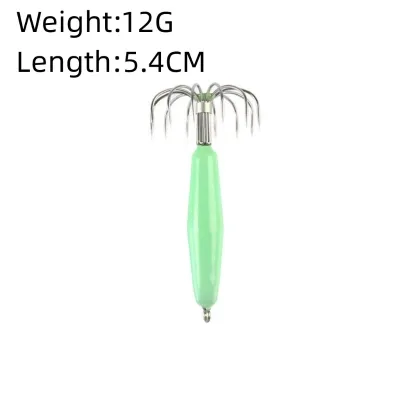
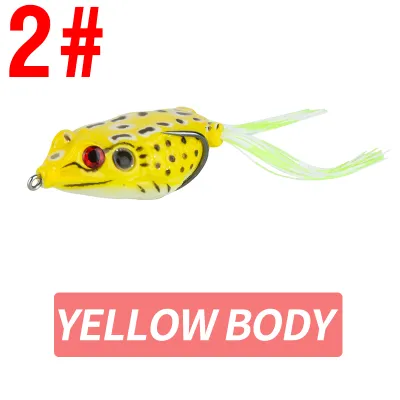
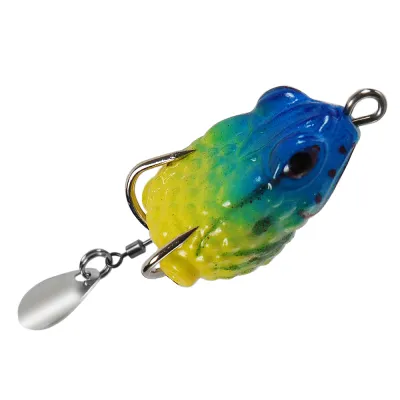
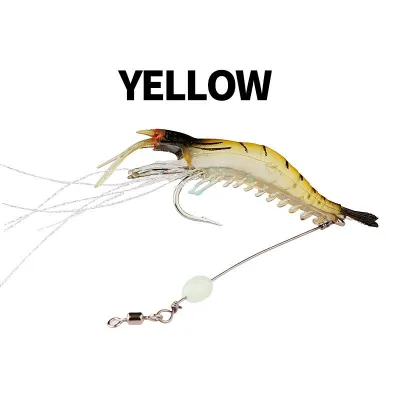
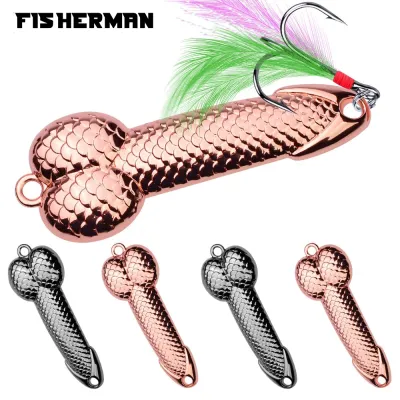
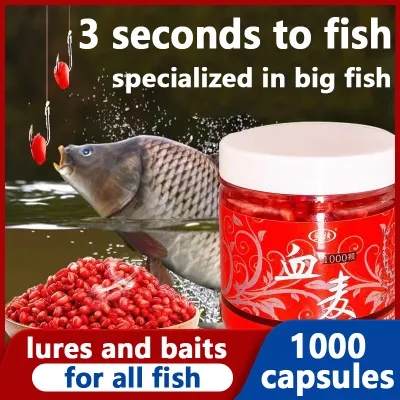
Prices are valid at publication and may change. Please refer to the product page for the latest price.
To mimic an injured baitfish, you can employ a “stop-and-go” retrieval technique, winding the reel handle a few times before pausing to let the lure float upward or hang suspended. Alternatively, a steady, rapid retrieve keeps the lure vibrating at its designated running depth to trigger aggressive reaction strikes from active predators. However, the multiple treble hooks common on hard baits present a high risk of snagging when cast into heavy underwater vegetation, submerged timber, or rocky bottoms. To minimize these snags and make releasing fish easier, you can swap out the factory treble hooks for inline single hooks, which slide over obstructions more smoothly.
Soft Plastics: Worms, Grubs, and Swimbaits
Soft plastics offer a highly realistic texture and flexibility that closely mimics live prey like worms, frogs, and small fish. These lures are incredibly versatile because they can be rigged in several ways to suit different underwater environments. For example, a Texas rig buries the hook point inside the plastic body to create a weedless presentation, allowing you to drag the lure through thick weeds and lily pads without snagging. A Carolina rig separates the weight from the lure with a leader, letting the soft plastic drift naturally above the bottom, while a drop shot rig suspends the bait vertically above a weight resting on the floor.
The action of a soft plastic lure is heavily influenced by its tail shape and the density of the material. Curly tails and paddle tails flutter and vibrate vigorously even during slow retrievals, while straight-tail worms rely on subtle rod twitches to create a lifelike shimmy. When selecting soft plastics, it is beneficial to match the hatch by choosing colors and profiles that resemble the local forage base, such as small tilapia, freshwater shrimp, or native minnows. This realistic presentation is particularly effective for cautious fish that inspect their prey before striking.
Jigs and Spoons: Bottom Bouncing and Flashing
Jigs and spoons are heavy, compact lures designed for vertical presentations, deep-water targeting, and reaching schooling fish quickly. A jig consists of a lead or tungsten head molded onto a single hook, often adorned with a silicone or bucktail skirt that flares out in the water. The weight of the jig head dictates how fast the lure sinks, while the skirt material slows the fall and creates a pulsing, bottom-bouncing action when hopped along the lake or river bed. This setup is highly effective for targeting fish that feed on bottom-dwelling crustaceans and small baitfish.
Spoons, on the other hand, are curved metal blades that wobble and flash as they move through the water, mimicking the reflective scales of a fleeing or injured fish. The erratic, fluttering motion of a falling spoon creates strong vibrations that can trigger instinctual reaction strikes from predators even in low-visibility conditions. Because both jigs and spoons rely on direct contact with the bottom or precise depth control, using a sensitive rod tip is essential. A fast-action rod allows you to feel subtle changes in bottom composition, detect when your lure strikes a rock, and notice the light, tentative bites of cautious fish.
Match the Lure Profile to Your Target Species
Selecting the right lure requires a clear understanding of your target species’ feeding habits and physical characteristics. Aggressive, sight-feeding predators like peacock bass or barramundi are highly responsive to fast-moving, noisy lures that create a significant disturbance. For these species, topwater prop baits, loud crankbaits, or flashing spoons can draw strikes from a distance. Conversely, cautious bottom-foragers like mudfish or catfish rely more on scent, vibration, and slow-moving targets, making scented soft plastic worms or slow-hopped jigs a more productive choice.

You must also scale the size of your lure to match the mouth gape of the fish you want to catch and the size of their typical prey. Casting a massive swimbait for small panfish will result in missed strikes, while using a tiny grub for large barramundi may fail to get noticed or result in bent hooks. A reliable rule of thumb is to inspect the local shoreline or talk to local anglers to identify the dominant baitfish size in the area. If the water is teeming with tiny two-inch fry, a matching two-inch soft plastic or micro-spoon will generally outperform a larger lure.
Before heading out, verify the seasonal feeding patterns of your target species. During the warmer months in tropical climates, fish often feed actively in the shallow margins during the early morning and late evening, making topwater lures highly effective. As the midday sun heats the shallow water, fish tend to retreat to deeper, cooler structures, requiring you to transition to deep-diving crankbaits or weighted jigs to reach them.
Adapt to Water Clarity, Depth, and Weather
Environmental conditions on the water change constantly, requiring you to adapt your lure selection in real time. Water clarity is one of the most critical factors governing color choice. In clear water, fish can inspect lures easily, so natural, translucent, or realistic colors like olive, brown, and silver work best to avoid spooking them. In stained, muddy, or turbid water, visibility is severely limited, meaning you should opt for dark, high-contrast colors like black, dark blue, or bright chartreuse, which stand out against the murky background.
Depth control is equally vital to keeping your lure in the active strike zone. If fish are suspended mid-depth along a drop-off, a sinking hard bait or a counted-down spoon allows you to target that specific depth precisely. You can estimate the sink rate of your lure by testing it in shallow water; for example, if a spoon sinks at a rate of one foot per second, counting to ten after casting will position your lure approximately ten feet deep before you begin your retrieve.
Weather patterns also dictate fish behavior and lure effectiveness. On overcast days or during low-light periods like dawn and dusk, fish feel more secure and are more likely to roam and hunt, making active search baits like spinnerbaits and topwater lures excellent choices. Conversely, high barometric pressure and bright, cloudless skies often push fish tight into heavy cover or deeper water. Under these conditions, slow down your presentation and use finesse soft plastics or heavy jigs dropped directly into the shade of overhanging trees, docks, or weed beds.
Build a Versatile and Cost-Effective Starter Kit
Building an effective tackle box does not require spending thousands of ₱ on highly specialized gear. Instead, focus on assembling a versatile selection of search baits and finesse presentations that cover different depths. A well-rounded starter kit might include two medium-diving crankbaits, a pack of paddle-tail swimbaits, a selection of soft plastic worms with matching offset hooks, and a couple of versatile metal spoons. This combination allows you to fish the surface, mid-water, and bottom across various freshwater and coastal environments.
To maintain the proper action of your lures and ensure secure connections, invest in quality terminal tackle. Keep a selection of durable split rings, snap swivels, and appropriate hook sizes on hand. Snap swivels are particularly useful for spoons and inline spinners to prevent line twist, but they can ruin the delicate action of lightweight hard baits or soft plastics, where tying your line directly to the lure or using a simple loop knot is preferred.
In humid tropical climates, moisture can quickly accumulate inside tackle boxes, leading to rusted hooks and degraded soft plastics. Regularly inspect your gear after each trip, replacing any dull or rusted hooks to ensure clean hook-sets. If a soft plastic bait becomes torn or loses its tail, discard it or mend it with a specialized adhesive rather than leaving it to rot in your box, as damaged lures will not swim correctly and can ruin nearby tackle.
Frequently Asked Questions (FAQ)
How do I prevent soft plastics from melting or sticking together in my tackle box?
Soft plastics are made from various chemical formulations that can react negatively when mixed or exposed to high temperatures. To prevent them from melting into a sticky mass, keep different brands and plastic types in their original resealable packaging rather than mixing them loose in a tackle tray. Additionally, store your utility boxes in a cool, shaded area of your boat or vehicle, away from direct sunlight and extreme tropical heat, which can warp the plastics and ruin their built-in scents.
When should I replace the factory hooks on a new hard bait?
You should evaluate the quality of factory hooks immediately after purchasing a new hard bait. A simple way to check sharpness is the fingernail test: gently drag the hook point across your fingernail at an angle, and if it slides without catching, the hook is dull and needs sharpening or replacement. Upgrading to stronger, premium hooks is highly recommended when targeting hard-fighting local species like barramundi or mangrove snapper, as stock hooks on budget lures can easily bend or snap under heavy pressure.

Community discussion
Share your experience or ask a question. Comments are reviewed before publication.