
Selecting the right fly tent for camping in the Philippines requires balancing intense tropical downpours with oppressive humidity. Unlike camping in temperate zones where insulation is a priority, tropical shelters must focus heavily on ventilation and rapid water shedding. A proper fly tent serves as your primary defense against sudden monsoon rains while allowing maximum airflow to prevent the interior from turning into a sauna. Finding the ideal setup involves understanding how different materials, geometries, and configurations perform under local conditions, from the windy ridges of Mount Pulag to the humid beaches of Anawangin.
To make an informed decision, you must look beyond generic marketing claims and focus on verifiable specifications. The right shelter is not a one-size-fits-all solution; it depends on your specific camping style, your physical ability to pitch complex structures, and the exact environment you plan to visit. By evaluating how a fly tent manages moisture, resists wind, and repels insects, you can ensure a safe and comfortable outdoor experience.
Understanding Fly Tents for Tropical Camping Conditions
A fly tent, in its most basic form, refers to a minimalist shelter system that prioritizes an outer waterproof layer—often called a rainfly or tarp—over a traditional heavy inner tent body. In some configurations, it is a standalone tarp pitched with poles and guy lines, while in others, it is the outer shell of a double-wall tent system used independently or alongside a mesh inner nest. This design philosophy is highly advantageous for tropical camping because it eliminates unnecessary fabric layers that trap heat and moisture, allowing you to customize your shelter based on immediate weather conditions.
Products mentioned in this guide
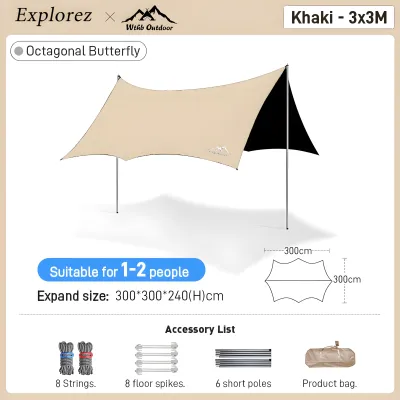
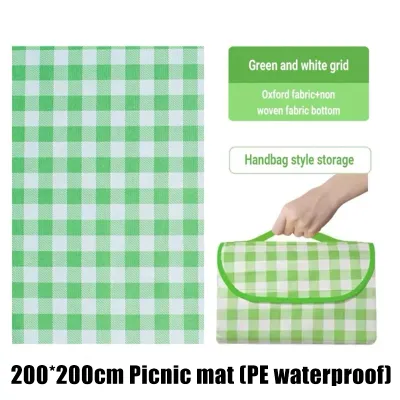
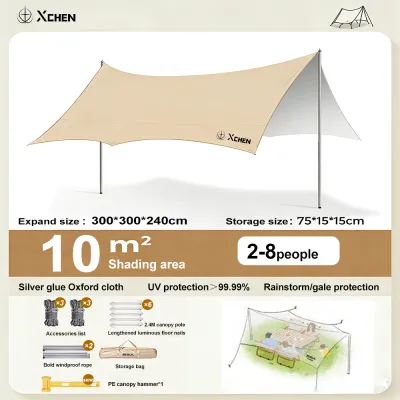
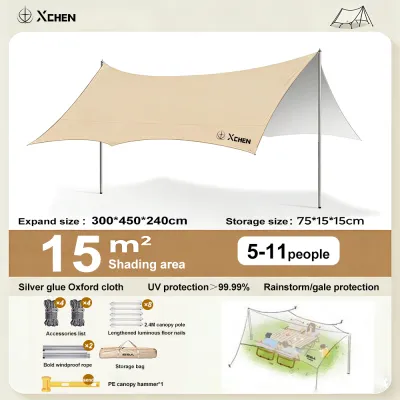
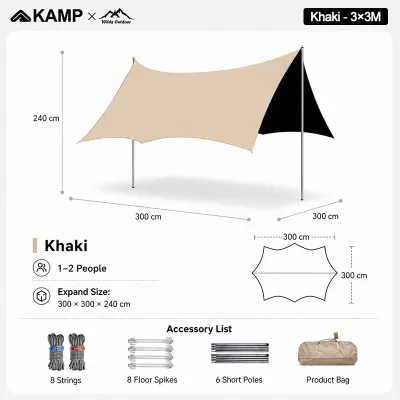
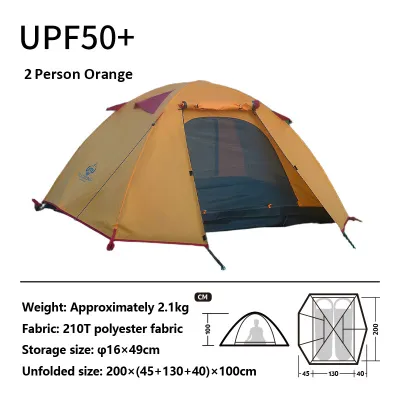
Prices are valid at publication and may change. Please refer to the product page for the latest price.
The Philippine climate presents unique challenges that demand specific shelter characteristics. High relative humidity means that moisture from your breath and the surrounding air easily condenses on cold surfaces, particularly during cool mountain nights or early mornings near water sources. Additionally, the country experiences sudden, heavy downpours, especially during the southwest monsoon (Habagat) and northeast monsoon (Amihan) seasons. A shelter must be able to shed torrential rain rapidly without pooling water, while simultaneously resisting the strong, gusty winds that often accompany these weather systems.
This environment creates a fundamental trade-off between maximum ventilation and complete weather protection. A completely open tarp setup provides excellent airflow, keeping you cool and minimizing condensation, but it offers little protection against driving, horizontal rain or persistent insects. Conversely, a fully enclosed single-wall tent might keep the rain and bugs out, but without adequate ventilation ports, the interior can quickly become damp and uncomfortable due to trapped body heat and humidity. Balancing these two competing needs is the key to selecting a successful fly tent system.
Evaluating Weather Resistance and Structural Stability
When assessing a fly tent’s ability to withstand wet tropical weather, the hydrostatic head rating is the primary metric to verify. This rating, measured in millimeters (mm), indicates the amount of water pressure a fabric can resist before leaking. For reliable protection against heavy tropical downpours, look for a rainfly with a minimum hydrostatic head rating of 1500mm, though 2000mm to 3000mm is preferable for extended monsoon camping. However, a high fabric rating is useless if the seams are neglected; ensure the shelter features factory-taped or sealed seams, where a waterproof tape is thermally applied over the stitching to prevent water from seeping through the needle holes.

The structural integrity of your shelter relies heavily on its support system, primarily the poles and guy lines. Aluminum poles (such as 7001 or 7075-T6 alloys) are highly recommended over cheap fiberglass alternatives. Aluminum offers a superior strength-to-weight ratio, flexing under high winds without shattering, whereas fiberglass is heavier, more brittle, and prone to splintering under sudden stress. The geometry of the pitch also plays a critical role; aerodynamic profiles that slope gently into the wind will shed gusts much better than flat, vertical walls that act like sails.
Managing ground moisture and local insect populations requires careful integration of accessories. In the Philippines, damp soil and crawling insects are constant companions, making a compatible footprint (groundsheet) essential. The footprint should be slightly smaller than the coverage of the rainfly to prevent rainwater from pooling on top of the groundsheet and running underneath your sleeping area. For insect protection, pairing your fly tent with an ultra-fine mesh inner tent or a hanging bug net is highly recommended, as it keeps mosquitoes, sandflies (niknik), and other pests at bay without restricting vital airflow.
Matching Tent Designs to Your Camping Style
The classic A-frame or ridge-line setup is one of the most versatile and accessible fly tent configurations for casual campers. Utilizing a central line suspended between two trees or supported by simple poles, this design creates steep, sloping sides that shed water exceptionally well. The open ends allow for unrestricted airflow, making it an excellent choice for beach camping or low-altitude forest trails where heat management is the primary concern. However, because the ends are typically open, this setup requires careful orientation relative to the wind to prevent driving rain from entering the sleeping area.
For ultralight backpackers and long-distance hikers, trekking pole shelters offer significant weight savings by utilizing the walking poles you already carry as the primary structural support. This eliminates the need to pack dedicated tent poles, reducing your overall pack weight. While highly efficient, these shelters require a higher level of pitching skill, as stability depends entirely on precise stake placement and tensioning of the guy lines. If you plan to camp on rocky terrain or wooden platforms where staking is difficult, a trekking pole shelter can be challenging to secure properly.
When deciding between double-wall and single-wall constructions, condensation management should guide your choice. A double-wall system features a separate mesh inner tent and a waterproof outer rainfly, creating a physical barrier that prevents you from touching any condensation that forms on the inside of the fly. This is generally the most forgiving design for humid tropical environments. Single-wall fly tents, which combine the shelter and waterproof barrier into a single layer of fabric, are lighter and faster to pitch but require meticulous ventilation management—such as keeping vents wide open and utilizing natural wind currents—to avoid waking up in a damp interior.
Building a Conditional Shortlist for Your Next Trip
To find the right fly tent on local online marketplaces, you must first define your specific trip profile. If you are a solo ultralight trekker tackling multi-day mountain climbs, your priority should be a lightweight trekking pole shelter or a minimalist tarp system that packs down small. For weekend car campers who prioritize comfort over weight, a larger double-wall dome tent with a generous, extendable rainfly vestibule offers the best balance of space and protection. Group basecampers should look for large, modular tarp systems that can cover multiple small tents or serve as a communal cooking and living area.
When searching online, compile a checklist of mandatory specifications to filter out substandard products. Look for listings that explicitly state the fabric material (such as ripstop nylon or polyester), the coating type (polyurethane or silicone), and the exact hydrostatic head rating. Avoid products that use vague terms like “waterproof” without providing numerical specifications. Additionally, verify that the package includes essential accessories such as high-quality aluminum stakes, reflective guy lines with tensioners, and a durable compression sack, as purchasing these items separately can quickly increase your total expenditure.
Because marketing descriptions can be misleading, verifying seller credibility and analyzing user reviews is crucial. Look for reviews from buyers who have tested the shelter in actual wet conditions, paying close attention to photos of the seams, zippers, and pole attachments. Be skeptical of reviews that only praise the product’s appearance or fast shipping; instead, search for feedback mentioning how the tent performed during heavy rain or wind. Checking the seller’s rating, response rate, and return policy on the ecommerce platform will also protect you in case the product arrives with manufacturing defects.
Inspecting and Maintaining Your Shelter
Before embarking on any camping trip, it is vital to inspect your fly tent immediately upon delivery or after a long period of storage. Set up the shelter in a spacious area, such as a backyard or local park, to check for any missing components, damaged zippers, or frayed guy lines. Inspect the seams closely to ensure the waterproof tape is fully adhered and not peeling away. Testing the pole connections and ensuring the stakes are straight and sturdy will prevent frustrating surprises when you arrive at your campsite in the middle of a downpour.
Proper post-trip maintenance is essential for prolonging the lifespan of your shelter, especially in the humid Philippine climate. Never pack away a wet or damp fly tent for extended periods, as this creates the perfect environment for mold, mildew, and fabric degradation (hydrolysis), which can ruin the waterproof coating. Once you return home, hang the tent in a shaded, well-ventilated area until it is completely dry. If the fabric is dirty, gently spot-clean it using a soft sponge and cold water; avoid harsh detergents or washing machines, which can strip away the protective coatings and damage the delicate mesh.
Knowing when to repair or replace your shelter is a critical safety consideration. Minor issues, such as small tears in the fabric or peeling seam tape, can often be fixed using specialized gear repair patches or liquid seam sealant. However, if the main zipper fails completely, the poles fracture repeatedly, or the waterproof coating begins to flake off and stick to itself, the structural integrity of the shelter is compromised. In these cases, it is safest to stop using the damaged shelter and invest in a reliable replacement before your next outdoor adventure.
Frequently Asked Questions (FAQ)
Can I use a standard flat tarp instead of a dedicated fly tent?
Yes, a standard flat tarp can be used as a highly versatile shelter, but it requires a higher level of outdoor skill and additional gear to pitch effectively compared to a dedicated fly tent. Flat tarps do not have pre-determined shapes or integrated poles, meaning you must master various knot-tying and tensioning techniques to adapt the pitch to changing wind and rain directions. Furthermore, flat tarps lack built-in bug protection and floor structures, meaning you will need to purchase and carry a separate ground sheet and insect net to achieve the same level of comfort and safety as a structured fly tent.
How do I prevent condensation inside a single-wall fly tent?
Preventing condensation inside a single-wall fly tent in humid conditions relies entirely on maximizing airflow and choosing the right campsite. Pitch your shelter in an area that catches natural breezes, keeping the vents and vestibule doors open as much as the weather permits to allow warm, moist air to escape. Avoid pitching directly over damp grass or near standing water, which increases ground moisture evaporation. Additionally, ensure the guy lines are fully tensioned to keep the fabric taut, which helps any condensation that does form to slide down the sides of the tent rather than dripping onto your sleeping gear.

Community discussion
Share your experience or ask a question. Comments are reviewed before publication.