
To practice Pilates effectively with a foam roller in the Philippines, you must prioritize stability, length, and surface texture over aggressive muscle-kneading features. Unlike standard fitness rollers designed solely for deep-tissue massage, a Pilates foam roller serves as an extension of the mat, supporting the entire length of your spine and acting as an unstable base to challenge core strength. Selecting the right model requires verifying its dimensions, material density, and structural integrity to ensure it can withstand tropical humidity and regular bodyweight exercises.
Because Pilates emphasizes controlled, precise movements, the physical characteristics of your roller directly impact your safety and form. A roller that is too short, too soft, or covered in hard plastic ridges can compromise your alignment and lead to muscle strain. By understanding how to evaluate these specifications and match them to your personal skill level, you can make an informed purchase that enhances your home or studio practice.
Understanding the Role of a Foam Roller in Pilates
In a typical fitness routine, foam rolling is synonymous with myofascial release, where you roll localized muscle groups over a hard, textured cylinder to break up tension. Pilates approaches this tool from an entirely different perspective. Here, the roller is primarily used as a supportive prop, an instability challenge, and a tool for spinal decompression. Instead of moving rapidly over the roller, you often lie quiet and balanced along its length, executing slow, deliberate movements that target the deep stabilizing muscles of the core, pelvis, and shoulder girdle.
Products mentioned in this guide
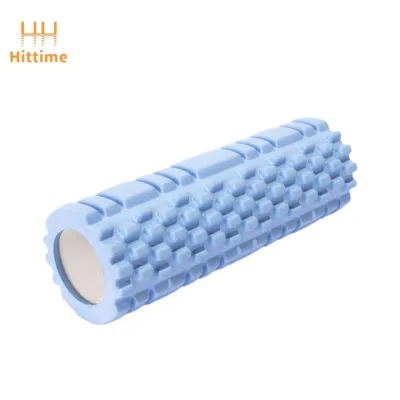
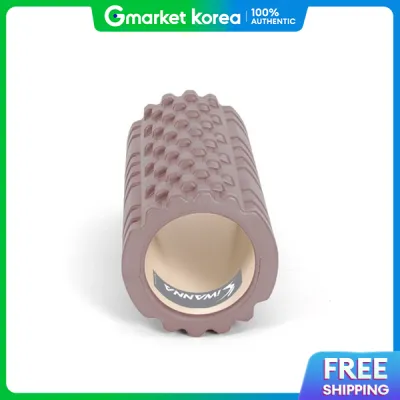
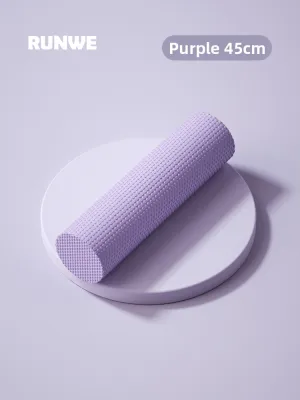
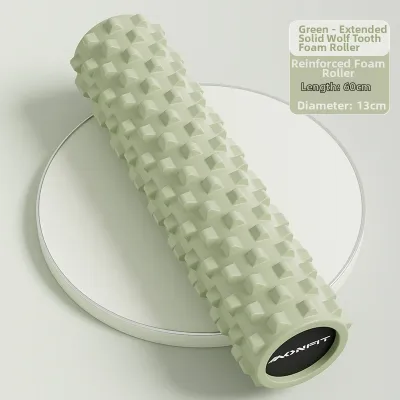
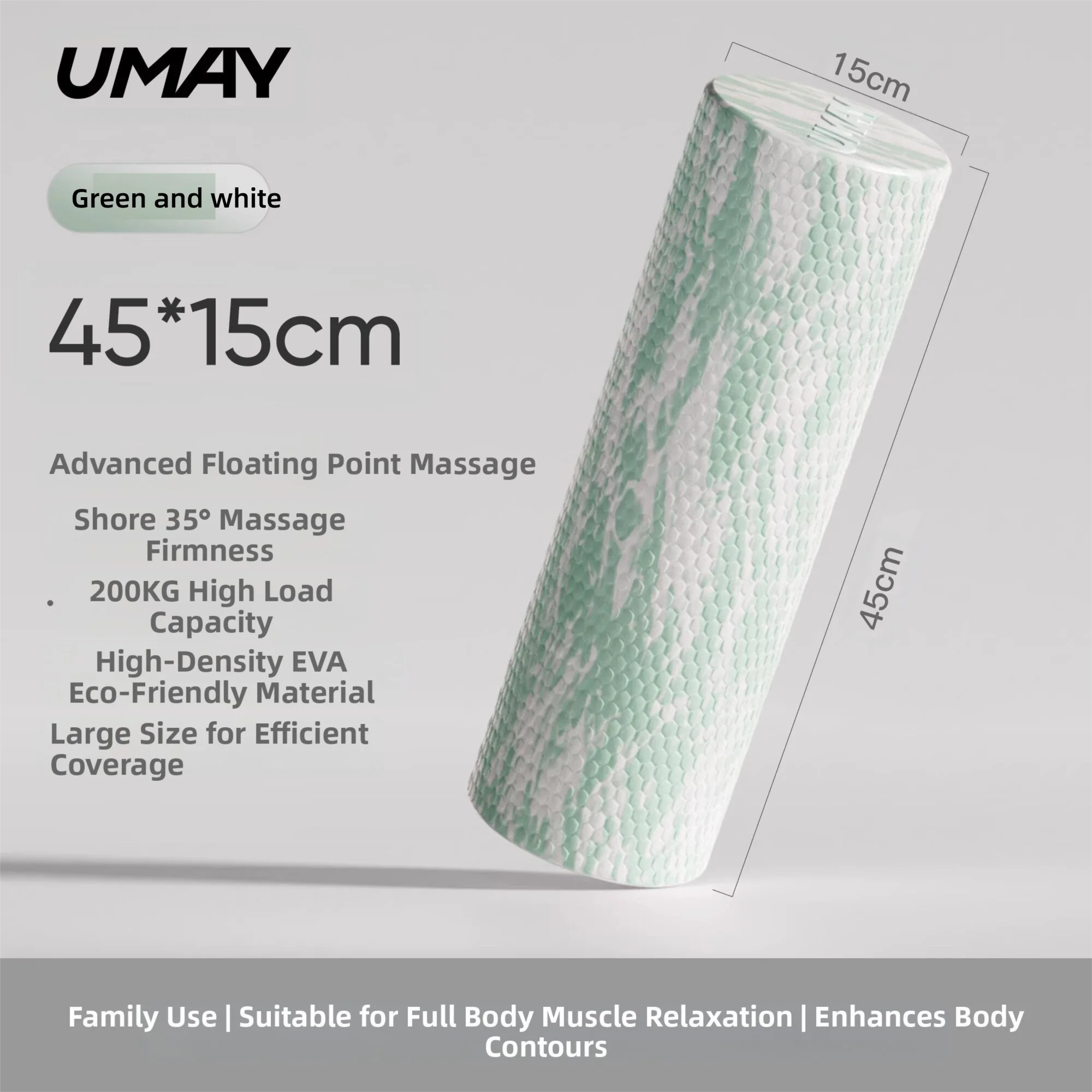
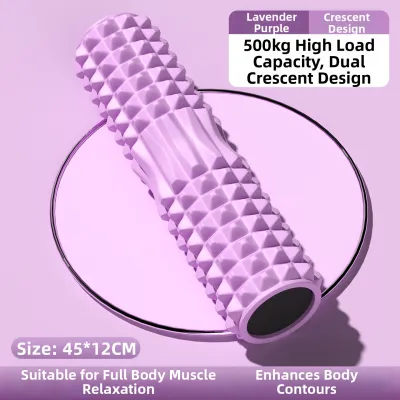
Prices are valid at publication and may change. Please refer to the product page for the latest price.
This fundamental difference in application means that standard gym rollers, which are often short and covered in aggressive bumps, are poorly suited for Pilates. A dedicated Pilates flow requires predictable, uniform feedback from the roller’s surface. When you perform exercises like the pelvic tilt, arm scissors, or single-leg stretches while balanced on a roller, your nervous system relies on consistent contact points to monitor your body’s position in space. An uneven, ridged surface distorts this sensory feedback, making it difficult to maintain proper form.
Furthermore, safety during supine (lying on your back) or prone (lying on your stomach) exercises depends heavily on proper weight distribution. If a roller is too short, your head or tailbone will hang off the edges, placing immense pressure on the cervical or lumbar spine. A proper Pilates roller must support the entire axial skeleton, from the base of your skull to your sacrum. This complete support allows the spine to release and articulate naturally, helping to counteract the forward-slumping posture common in daily life.
Core Specifications to Check Before Buying
When shopping for a foam roller specifically for Pilates, you must look past generic marketing claims and focus on three core specifications: length, density, and surface texture.

Length and Diameter
The standard full-length foam roller is 36 inches (approximately 91 centimeters) long with a 6-inch (approximately 15 centimeters) diameter. This size is the absolute gold standard for Pilates. The 36-inch length is essential because it is long enough to accommodate the average adult spine during longitudinal exercises. Compact rollers, which typically measure 12 to 18 inches, are highly portable but are physically incapable of supporting your entire back. While short rollers can be used for transverse exercises—such as placing them under your hips for pelvic bridges—they severely limit your exercise variety and cannot be used for foundational spinal alignment work.
Density and Firmness
Foam rollers are generally manufactured from three primary materials, each offering a different level of firmness and durability:
- Polyethylene (PE): This is the softest and most economical option. PE rollers have a gentle, cushioned feel that is highly comfortable for sensitive spines. However, they are prone to warping, flattening, or losing their cylindrical shape over time, especially under regular bodyweight pressure.
- Ethylene-Vinyl Acetate (EVA): EVA is a premium, closed-cell foam known for its excellent durability and resilient, springy feel. It provides a moderate level of firmness that offers comfortable support without feeling like hard plastic. Crucially for the Philippine climate, high-quality EVA is highly resistant to moisture and sweat.
- Expanded Polypropylene (EPP): EPP is a high-density, lightweight foam that is exceptionally firm and virtually indestructible. It holds its shape perfectly under heavy, long-term use. While highly durable, its firm surface can feel too intense or uncomfortable for beginners or individuals with sensitive backs.
Surface Texture
For Pilates, a smooth or very lightly textured surface is highly preferred over deep-tissue grids. Smooth rollers distribute your body weight evenly across the foam, preventing localized pressure points on your spinous processes. A light, textured pattern—such as a subtle pebble or cross-hatch grip—is acceptable and often beneficial, as it provides just enough traction to prevent the roller from slipping on your yoga mat or sliding against your clothing during dynamic movements.
Matching the Roller Profile to Your Skill Level and Goals
Selecting the right foam roller is not a one-size-fits-all decision; your choice should align with your physical condition, experience level, and where you plan to practice.
Beginners and Rehabilitation
If you are new to Pilates, recovering from an injury, or working through back sensitivity, your primary goal is stability and comfort. A full-length, moderately firm EVA foam roller is highly recommended. The slight give of EVA foam cushions the spinous processes and ribs, reducing discomfort as your body adapts to the pressure.
For those who struggle significantly with balance or suffer from vertigo, a half-round foam roller (a cylinder cut in half lengthwise) is an excellent transitional tool. Placing the flat side on the floor provides a stable, non-rolling surface while still allowing you to perform spinal alignment and gentle core-activation exercises.
Intermediate to Advanced Practitioners
As your core strength and balance improve, you may want to increase the physical challenge of your workouts. A high-density EPP roller provides a firmer, highly unforgiving surface that demands greater muscular control to maintain balance. Because EPP foam does not compress under your weight, it creates a more unstable environment, forcing your deep stabilizing muscles to work harder during planks, push-ups, and single-leg balances.
Travel and Mat-Only Classes
If you regularly commute to a local Pilates studio or travel frequently within the Philippines, carrying a 36-inch roller can be highly impractical. In these scenarios, a compact 18-inch roller can serve as a secondary travel companion. While you must accept that you cannot perform full-length spinal alignment exercises on it, a shorter roller is still highly effective for targeted abdominal work, thoracic extension, and lower-body rolling. However, never attempt to balance your entire spine on a short roller, as this can lead to sudden falls and neck injuries.
Sourcing and Verifying Equipment in the Philippines
Finding a high-quality foam roller in the Philippines requires careful navigation of local sports retailers, specialized wellness boutiques, and online marketplaces. Because the local market is flooded with cheap, unbranded fitness gear, you must know how to verify product claims before making a purchase.
First, pay close attention to the material composition listed on the product label or online description. In the hot, humid climate of the Philippines, open-cell foam rollers (often cheap PE models) act like sponges, absorbing sweat, humidity, and environmental moisture. This not only leads to rapid material degradation and warping but also creates a breeding ground for bacteria and unpleasant odors. Always opt for closed-cell foam materials like EVA or EPP, which naturally repel moisture and are significantly easier to sanitize.
Second, verify the manufacturer’s weight capacity. A reputable Pilates foam roller should explicitly state its maximum load-bearing capacity, which typically ranges from 100 kg to over 150 kg. If a product listing lacks basic structural specifications, weight limits, or material details, treat this as a major red flag. Avoid purchasing rollers that make vague, unverifiable medical or orthopedic claims, such as promising to “cure” scoliosis or chronic back pain.
When shopping on local online marketplaces, read customer reviews carefully, paying close attention to photos uploaded by buyers after several weeks of use. Look for signs of premature flattening, bowing, or splitting along the seams. If you prefer to shop in person, visit specialized wellness boutiques or major sporting goods stores in metropolitan areas where you can physically test the density of the roller by pressing your thumb firmly into the foam; it should compress slightly under maximum pressure but spring back to its original shape immediately.
Frequently Asked Questions (FAQ)
Can I use a standard gym massage roller for Pilates exercises?
It is highly discouraged to use a standard gym massage roller for a full Pilates routine. Most gym rollers are designed for deep-tissue myofascial release; they are typically short (12 to 18 inches) and feature aggressive, hard plastic grids, bumps, or ridges. Lying longitudinally on a short roller leaves your head or lower back unsupported, which can cause severe neck strain or spinal misalignment. Furthermore, the hard, uneven ridges of a massage roller can cause pain when pressed directly against your spine and create an unstable, unpredictable surface that interferes with the precise, controlled movements required in Pilates flows. For a safe and effective practice, a smooth, full-length (36-inch) roller is essential.
How do I clean and maintain my foam roller after studio sessions?
Proper maintenance is crucial for preserving the structural integrity and hygiene of your foam roller, especially in the humid Philippine climate. After every session, wipe down the roller using a soft microfiber cloth dampened with a mixture of water and a few drops of mild dish soap. Avoid using harsh household chemicals, bleach, or alcohol-based sanitizers, as these can dry out the foam, causing it to crack, peel, or lose its elasticity over time. Once wiped clean, allow the roller to air dry completely in a well-ventilated indoor space. Never leave your foam roller in direct tropical sunlight or inside a hot car, as extreme heat and UV rays will warp the foam and permanently ruin its cylindrical shape.

Community discussion
Share your experience or ask a question. Comments are reviewed before publication.