
Selecting the right foot splint is a critical step in recovering from an injury or managing a chronic condition. The ideal device depends entirely on your specific diagnosis, the level of immobilization required, and your daily mobility needs. Because using the wrong type of splint can delay healing or even worsen your condition, your selection process should always begin with a professional medical evaluation. By understanding the differences between rigid immobilizers, passive stretching devices, and supportive boots, you can make an informed choice that aligns with your healthcare provider’s treatment plan.
Understand Your Diagnosis and Splint Purpose
Every foot injury or condition requires a specific mechanical response from a splint. Acute injuries, such as sudden fractures or severe ligament tears, demand strict immobilization to allow tissues to knit back together without disturbance. In contrast, chronic overuse conditions like plantar fasciitis benefit from gentle, sustained stretching that prevents tissues from tightening during rest. Attempting to treat a complex structural issue with a soft, flexible support can lead to improper healing and long-term joint instability.
Because of these distinct mechanical needs, self-diagnosis is highly risky. Complex fractures, deep tendon tears, and post-surgical recovery pathways require professional imaging, such as X-rays or MRI scans, to determine the exact state of the internal structures. A specialist must prescribe the appropriate level of joint restriction. Before browsing online marketplaces or medical supply stores, obtain clear instructions from your doctor regarding your weight-bearing limits and joint mobility restrictions.
Products mentioned in this guide
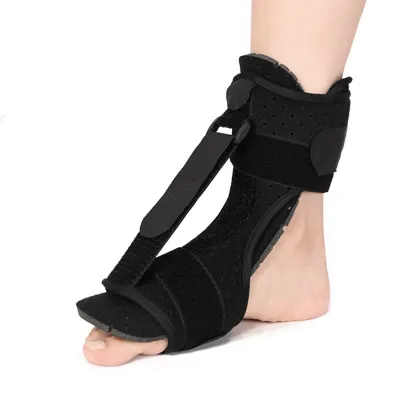
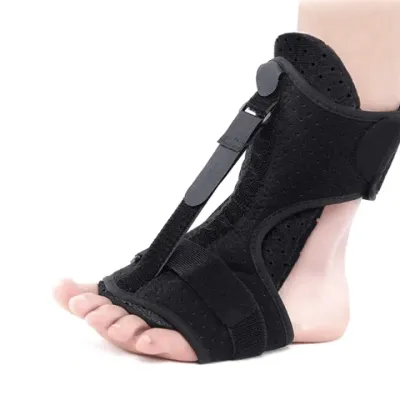
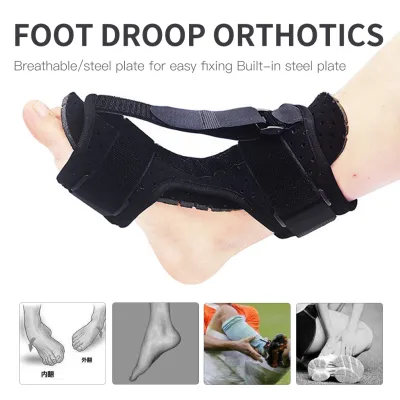
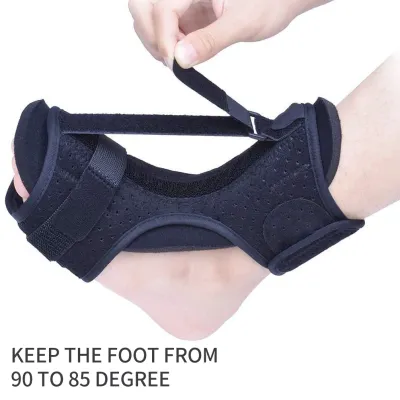
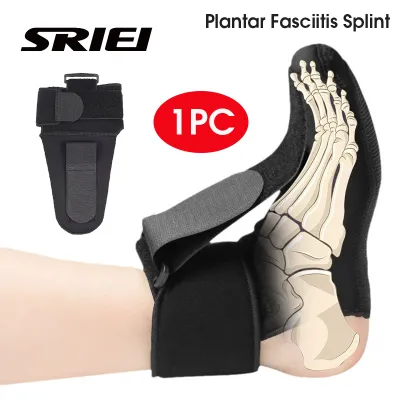
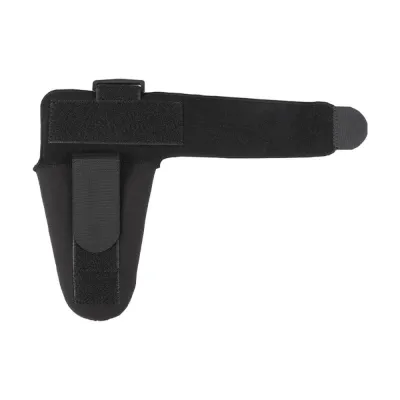
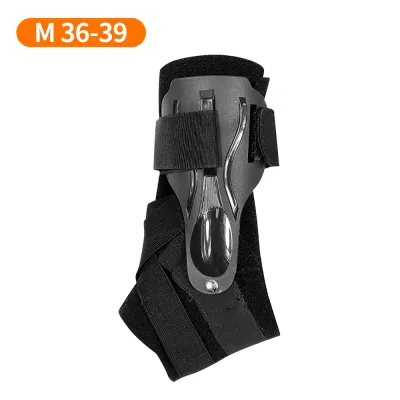
Prices are valid at publication and may change. Please refer to the product page for the latest price.
Your daily activity level and recovery stage also dictate the type of support you need. A splint designed for overnight wear will not protect your foot if you walk on it during the day. Conversely, a heavy walking boot is unnecessary and uncomfortable if your goal is simply to stretch your calf muscles while sleeping. Always verify whether your recovery plan requires a device for active daytime use, passive nighttime rest, or complete, round-the-clock immobilization.
In tropical climates like the Philippines, where high humidity and warm temperatures are constant, the physical comfort of a splint becomes a major factor in patient compliance. A device that is too hot or causes excessive sweating will often be discarded by the user, risking incomplete recovery. Therefore, understanding the mechanical purpose of your splint allows you to balance necessary medical rigidity with practical features like ventilation and lightweight materials.
A foot splint is rarely a standalone solution; rather, it functions as a key component of a broader rehabilitation plan. For instance, while a splint provides the necessary structural support or stretching during rest, it must be paired with targeted physical therapy exercises to rebuild muscle strength and joint flexibility once the acute healing phase ends. Relying solely on a splint without addressing the underlying muscle weakness or gait imbalances can lead to re-injury once the device is removed. Therefore, discuss with your therapist how to transition safely from full-time splint wear to active, unassisted movement.
Compare the Main Types of Foot Splints
Foot splints generally fall into three categories: soft or semi-rigid supports for mild alignment, rigid immobilizers for bone and joint protection, and dynamic stretching devices for chronic tension relief. Understanding these structural differences helps you narrow down the options that match your prescribed recovery protocol.

Night Splints for Plantar Fasciitis and Achilles Tendonitis
Night splints are designed to address conditions like plantar fasciitis and Achilles tendinopathy, where tissues contract and tighten during periods of rest. These devices hold the foot in a position of gentle dorsiflexion—where the toes point slightly upward—preventing the morning pain associated with the sudden stretching of healed micro-tears. They are strictly non-weight-bearing devices meant to be worn while sleeping or resting.
There are two primary design variations: boot-style night splints and sock or strap-style splints. Boot-style models feature a rigid plastic frame on the back of the leg and foot, offering highly consistent alignment but feeling bulky and warm in tropical climates. Sock or strap-style splints use a tension strap pulling from the toe to the shin, which is lighter and more breathable but provides less rigid control over the foot’s angle.
When choosing a night splint, check for adjustable tension straps that allow you to gradually increase the stretch angle as your flexibility improves. Look for breathable, moisture-wicking inner linings to prevent sweat buildup during warm nights. Ensure the overall bulk of the device is manageable for your preferred sleeping position so it does not disrupt your rest.
Additionally, consider the ease of cleaning. Because these devices are worn in bed, the fabric components should be easy to wash and quick to dry. In humid environments, choosing a model with removable, washable padding helps prevent the buildup of odors and bacteria, ensuring a hygienic recovery process over several weeks of use.
Adjusting to a night splint can take time, and many users find them uncomfortable during the first few nights. To ease the transition, consider wearing the splint for short periods during the day while reading or watching television before attempting to sleep with it on. Start with a conservative, gentle stretch angle and gradually increase the tension over several weeks as your tolerance improves. If the device disrupts your sleep excessively, consult your physical therapist about alternative stretching protocols or low-profile daytime braces that might offer a more manageable routine.
Walking Boots for Fractures, Sprains, and Severe Injuries
Walking boots, also known as orthopedic boots, protect acute injuries while allowing you to maintain controlled mobility. They are commonly prescribed for stress fractures, severe ankle sprains, stable bone breaks, and post-operative recovery where partial weight-bearing is permitted. The rigid outer shell shields the foot from external impacts while preventing the ankle joint from rolling or bending.
These boots come in tall and short designs to target different injury locations. Tall boots extend up to the upper calf and are necessary for restricting ankle and lower leg motion, making them ideal for tendon repairs and shin-related fractures. Short boots stop mid-calf, allowing slightly more natural movement while still protecting the forefoot and midfoot. Some models feature built-in pneumatic air bladders that you can inflate to customize the compression and fit around your swelling.
Key features to verify include a rocker-bottom sole, which mimics the natural roll of a footstep to help you walk smoothly without straining other joints. Check the overall weight of the boot, as a heavy device can quickly fatigue your hip and knee muscles. Additionally, look for durable, easy-to-adjust hook-and-loop straps that allow you to put on and take off the boot without twisting your injured foot.
For users navigating uneven terrain or wet surfaces, the traction of the boot’s sole is a critical safety factor. Ensure the rubber tread on the bottom provides a reliable grip to prevent slips, especially during sudden tropical downpours. A high-quality walking boot should offer a balance of robust structural protection and reliable slip resistance.
Maintaining hygiene inside a walking boot is a common challenge, particularly in warm climates. Because your foot is enclosed for long periods, sweat can accumulate quickly, leading to unpleasant odors and potential skin irritation. To manage this, wear clean, moisture-wicking orthopedic socks underneath the boot to absorb sweat and reduce friction. If your doctor permits, remove the boot daily to wash and thoroughly dry your foot, paying close attention to the spaces between your toes. Keep the boot’s removable liner clean by hand-washing it with mild soap and allowing it to air-dry completely before reassembling the boot.
Post-Surgery and Rigid Splints for Immobilization
Post-surgery and rigid immobilization splints are designed for the immediate aftermath of a surgical procedure or a severe, unstable fracture. During this initial healing phase, any movement of the joint can disrupt surgical hardware, tear delicate sutures, or misalign healing bones. These splints prioritize absolute stability over comfort or mobility.
These devices typically feature thick, hard plastic or fiberglass shells that completely encase the foot and ankle. Unlike adjustable consumer splints, post-surgical splints often utilize non-adjustable or professionally locked straps to prevent accidental movement or removal by the patient. They lack walking soles entirely, signaling that no weight should be placed on the limb.
When dealing with post-surgical recovery, always verify that the splint matches the exact model and specifications prescribed by your surgeon. Check if the device includes built-in windows or removable panels that allow healthcare providers to observe surgical wounds or change dressings without removing the entire splint. Never substitute a prescribed post-operative splint with an over-the-counter alternative unless explicitly directed by your medical team.
Furthermore, because these splints are worn continuously during the initial healing phase, pay close attention to pressure management. The inner padding must be perfectly aligned to prevent the hard outer shell from pressing directly against bony prominences. Any localized pain or burning sensation under a rigid post-surgery splint should be reported to your surgeon immediately to prevent deep tissue injury.
Key Features to Check Before Buying
Selecting a foot splint requires careful attention to sizing, materials, and daily compatibility to ensure the device remains safe and effective throughout your recovery. Incorrect sizing is a common issue that can lead to serious complications. Always measure your foot length, width, and calf circumference precisely, and compare these measurements against the manufacturer’s specific sizing chart rather than relying on your standard shoe size. A splint that is too tight can cause nerve compression, skin irritation, or restricted blood flow, while a loose splint will fail to provide adequate support.
Material selection is especially critical in warm, humid environments. Look for inner liners made from breathable, moisture-wicking fabrics that pull sweat away from the skin. Prolonged exposure to trapped moisture can lead to skin maceration, fungal infections, or allergic reactions. Ensure that any foam padding is removable and washable so you can maintain proper hygiene throughout weeks or months of daily wear.
Evaluate the closure mechanisms to ensure they match your physical capabilities. High-quality hook-and-loop straps, quick-release buckles, or integrated dial-lace systems should be durable enough to withstand repeated adjustments. If your mobility is limited or you live alone, verify that you can easily operate the straps with one hand without needing to bend your leg into painful positions.
Finally, consider how the splint interacts with your daily wardrobe and footwear. While night splints do not require shoe compatibility, daytime supports and low-profile splints may need to fit inside a standard athletic shoe. If you are prescribed a thick walking boot, the height difference between the boot and your uninjured foot can cause hip and lower back pain. Check if you need to purchase a shoe balancer or a thick-soled shoe for your healthy foot to keep your pelvis level while walking.
When budgeting for your recovery, keep in mind that high-quality orthopedic devices can vary in price. While basic night splints may cost around ₱800 to ₱1,500, advanced pneumatic walking boots can range from ₱3,000 to ₱7,000 or more. Investing in a durable, properly fitted device is essential, but you should also verify if your health insurance or local medical benefits cover prescribed orthopedic equipment to help manage these recovery costs.
When to Stop and Consult a Professional
Using a foot splint should facilitate healing, not introduce new physical issues. You must immediately stop using any splint and contact your healthcare provider if you experience warning signs of nerve compression or circulatory issues. These signs include numbness, tingling, a pins-and-needles sensation, or coldness and discoloration in your toes. Persistent, throbbing pain that worsens after putting on the splint is another clear indicator that the device is improperly fitted or too tight.
Never attempt to physically modify the structure of your splint. Cutting the plastic shell, bending metal stays, or over-tightening straps to force a tighter fit can create dangerous pressure points. This can lead to localized tissue damage, skin breakdown, blisters, or even compartment syndrome—a serious medical emergency caused by built-up pressure within the muscles. If the splint does not fit comfortably out of the box, seek a professional adjustment or a different size.
You should also schedule a follow-up consultation if your symptoms fail to improve within the timeframe outlined by your doctor. A splint is a tool to assist recovery, but it cannot replace ongoing medical evaluation. If you notice new pain points developing in your ankle, knee, or hip while wearing the device, a physical therapist or orthopedist may need to adjust your gait or recommend a different supportive strategy.
Frequently Asked Questions (FAQ)
Can I wear a foot splint while driving or exercising?
You should not wear a rigid foot splint or walking boot while driving, especially if the injury is on your right foot. These devices severely restrict your ankle’s range of motion and slow down your reaction time, making it difficult or impossible to press the brake and accelerator pedals safely. Operating a vehicle while wearing an immobilizing device can also carry legal and insurance liabilities in the event of an accident. For exercise, you must avoid high-impact activities or sports while wearing a splint unless you have received explicit clearance from your physical therapist. Splints are designed to protect or stretch your foot during recovery, not to serve as performance gear for active sports.
How long should I wear a foot splint each day?
The daily wear duration depends entirely on your specific diagnosis and your doctor’s treatment plan. For chronic conditions like plantar fasciitis, a night splint is typically worn only during sleep or long periods of rest, usually for several hours at a time. For acute injuries like fractures or severe sprains, a walking boot or rigid splint may need to be worn 24 hours a day, removed only for supervised hygiene or physical therapy exercises. Adhering strictly to your prescribed schedule is vital; wearing a splint for too long can lead to muscle atrophy and joint stiffness, while wearing it too little can disrupt the healing process and prolong your recovery.

Community discussion
Share your experience or ask a question. Comments are reviewed before publication.