
Selecting the right football depends entirely on the surface where you play. A ball designed for plush natural grass will quickly tear apart on concrete, while a heavy street ball will feel sluggish and unpredictable on a wet grass pitch. Matching your football to the playing surface ensures optimal performance, protects your investment, and prevents premature wear. In tropical climates like the Philippines, where intense heat, high humidity, and sudden downpours are common, selecting the correct ball construction is critical for maintaining consistent playability and durability.
Each playing surface presents unique physical challenges, from the abrasive texture of artificial turf to the hard, unforgiving nature of concrete barangay courts. By understanding how different materials, bladder types, and construction methods interact with these environments, you can choose a ball that enhances your control, passes accurately, and lasts for many matches to come.
Why Playing Surface Dictates Your Football Choice
The interaction between a football and the ground affects everything from the speed of the game to the lifespan of your equipment. Abrasive surfaces like concrete or artificial turf generate high friction and heat during play. This friction acts like sandpaper on the ball’s outer casing, quickly wearing down soft materials that would otherwise thrive on natural grass. Choosing a ball with a cover material tailored to your specific venue prevents premature peeling and scuffing.
Products mentioned in this guide
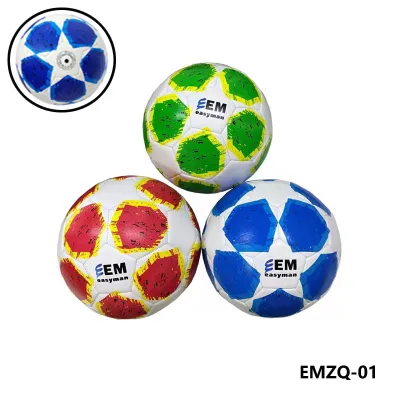
![[SALE] Size 4 & 5 Ball Football Soccer Game Ball Outdoor Football World Cup Football Soccer Ball](https://img.lazcdn.com/g/p/32643ec9e1f3b539f05e352495f6555b.jpg_400x400q80.jpg_.webp)
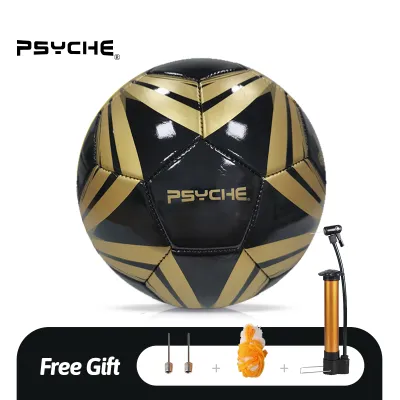
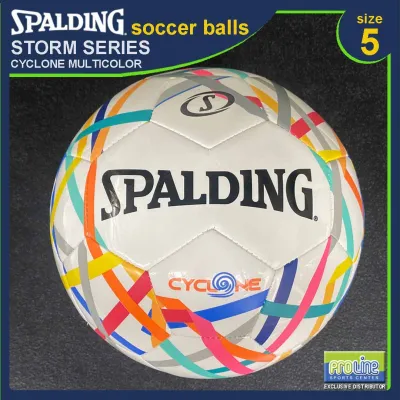
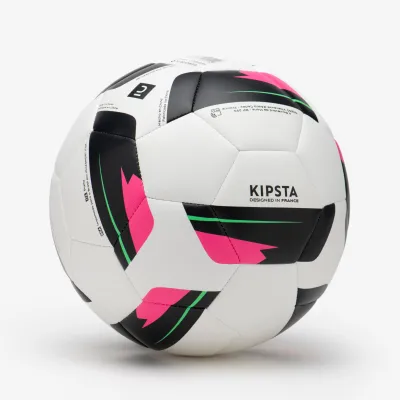
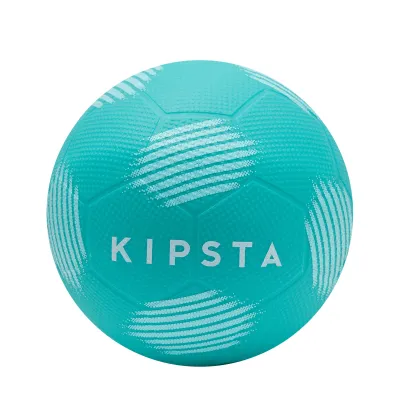
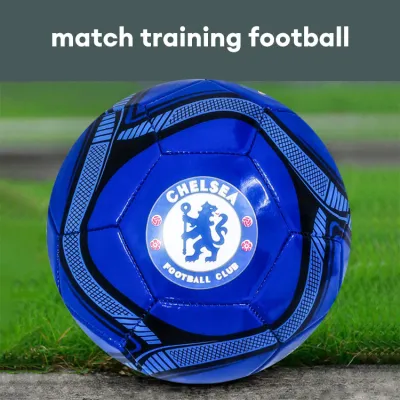
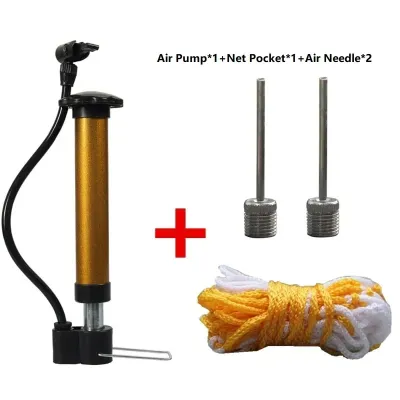
Prices are valid at publication and may change. Please refer to the product page for the latest price.
Inside the ball, the bladder type determines how well the ball retains air and how it responds to impact. Butyl bladders are highly durable and retain air pressure for weeks, making them excellent for training and rough surfaces where constant reinflation is inconvenient. Latex bladders, on the other hand, offer a much softer feel and a more responsive bounce, which is why they are preferred for high-level match play on natural grass. However, latex is porous and slowly leaks air, requiring reinflation before every session.
The hardness of the surface also dictates the required bounce characteristics and grip. Hard courts, such as indoor gymnasiums or concrete spaces, require a ball with a dampened rebound to keep the game fast and controlled on the ground. Conversely, soft natural grass absorbs some of the ball’s energy, requiring a standard bladder that provides a natural, predictable bounce. Matching these characteristics ensures you can control the ball effectively without it escaping your reach.
What to Look for in a Natural Grass Football
Natural grass pitches offer a traditional playing experience, but they require a ball that can handle varying ground conditions, from dry, hard soil to soft, muddy turf. When shopping for a grass football, you must first decide between match balls and training balls. Match balls prioritize performance, aerodynamic flight, and a soft touch, utilizing premium polyurethane covers and latex bladders. Training balls focus on longevity, featuring thicker covers and butyl bladders to withstand hours of repetitive drills.

Water resistance is a crucial factor for grass footballs, especially during the rainy season when pitches become waterlogged. If a ball absorbs water, it becomes heavy, loses its shape, and can cause injury when headed. To prevent this, look for balls with water-resistant coatings and sealed seams. High-quality grass balls often feature advanced outer layers that repel moisture, ensuring the ball maintains its original weight and flight path even in wet conditions.
Panel construction plays a major role in water resistance and flight consistency. Thermally bonded panels are fused together using heat and pressure, creating a seamless barrier that virtually eliminates water absorption. Hand-stitched balls offer excellent durability and a classic, responsive feel, though they have tiny gaps where moisture can enter. Machine-stitched balls are generally more budget-friendly but feature looser seams, making them better suited for dry training sessions rather than wet match play.
What to Look for in an Artificial Turf Football
Artificial turf pitches, which consist of synthetic plastic blades and rubber infill over a hard sub-base, are increasingly popular but highly abrasive. This surface generates significant friction and heat, which can melt or warp standard ball covers. A football used on turf needs to be specifically engineered to withstand these harsh conditions without losing its shape or peeling apart.
To combat abrasion, turf-specific footballs utilize reinforced polyurethane (PU) covers or specialized rubber compounds. These materials are tougher than those used on natural grass balls, allowing the casing to slide over synthetic grass without tearing. Many turf balls also feature textured surfaces that help mimic the grip of a natural grass pitch, giving you better control during dribbles and passes.
Because artificial turf is laid over a hard concrete or asphalt base, standard footballs tend to bounce much higher and faster than they would on natural soil. Turf-specific balls often feature modified bladders or additional backing layers to dampen this rebound, ensuring a more natural and manageable bounce. When browsing options, always check the manufacturer’s product description or packaging for explicit artificial turf compatibility labels.
What to Look for in a Futsal and Indoor Football
Futsal is played on flat, hard surfaces such as polished wooden gym floors, vinyl, or smooth concrete. Because the playing area is compact and the boundaries are tight, using a standard football would result in an uncontrollable game with the ball constantly bouncing out of play. Futsal balls are specifically designed to keep the game low, fast, and highly technical.
The defining feature of a futsal ball is its low-bounce bladder. These bladders are filled with foam or specialized synthetic fibers that absorb impact, drastically reducing the ball’s rebound when it hits the floor. This low-bounce characteristic keeps the ball close to the ground, allowing players to perform quick, intricate passes and maintain close control in tight spaces.
The outer cover of an indoor or futsal ball is also tailored to smooth surfaces. Many feature textured synthetic covers, suede, or felt to provide enhanced grip on polished floors, preventing the ball from sliding uncontrollably. Additionally, futsal balls are smaller than standard footballs—typically a Size 4—but they are engineered to be heavier. This unique size-to-weight ratio ensures the ball stays on the court and responds predictably to quick footwork.
What to Look for in a Street and Concrete Football
Street football is played on the most unforgiving surfaces imaginable, including rough asphalt, concrete barangay courts, and dirt patches. These environments are filled with abrasive grit, sharp stones, and debris that can easily puncture or shred a standard match ball. For street play, durability is the absolute priority, far outweighing the need for a soft touch or perfect aerodynamic flight.
Street footballs are constructed with heavy-duty vulcanized rubber or highly reinforced PVC covers. These materials are incredibly tough, resisting deep scuffs, cuts, and tears when scraped against rough concrete or brick walls. The rugged exterior ensures the ball can survive daily use on hard outdoor courts without losing its structural integrity.
To prevent flat tires from debris, street balls feature puncture-resistant butyl bladders, often wrapped in multiple layers of polyester or nylon lining. While these reinforcement layers make the ball stiffer and heavier than a grass ball, they provide the necessary protection to keep the ball inflated. When choosing a street ball, accept the trade-off: you will experience a firmer touch and a less responsive feel, but you will gain a ball that can withstand the harshest playing conditions.
Matching Ball Size to Player Age and Skill Level
Once you have identified the correct ball type for your playing surface, you must select the appropriate size. Using the wrong size can hinder skill development and increase the risk of strain or injury, especially for younger players. Footballs are standardized into three primary sizes, each tailored to specific age groups and developmental stages.
Size 3 is the smallest standard football, designed for young players typically under the age of eight. These balls are lightweight and easy to control, helping children build confidence, coordination, and basic kicking techniques without straining their developing muscles. Size 4 is the intermediate size, suitable for players aged eight to twelve, and is also the official size used in futsal. It serves as an important transition size, allowing players to refine their control before moving to adult equipment.
Size 5 is the official standard size for players aged thirteen and older, including all adult amateur and professional leagues. It is the heaviest and largest of the standard balls, requiring proper physical strength to kick and control effectively. When purchasing a football, always verify the size and weight specifications printed on the product packaging to ensure it aligns with the player’s age group and league requirements.
Frequently Asked Questions (FAQ)
Can I use a regular grass football on artificial turf?
While you can physically play with a regular grass football on artificial turf, doing so will significantly shorten the ball’s lifespan. The abrasive synthetic fibers and hot rubber infill will quickly scuff, peel, and degrade the soft polyurethane cover of a grass ball. Additionally, the seams may split prematurely due to the high friction. For casual, low-intensity play, a standard ball is acceptable, but you should expect rapid wear and tear. If you play regularly on synthetic turf, investing in a turf-specific ball is highly recommended to ensure durability.
How do I maintain air pressure in a futsal ball?
Maintaining proper air pressure in a futsal ball is essential for preserving its specialized low-bounce characteristics. You should regularly check the pressure using a reliable pressure gauge, comparing it to the manufacturer’s recommended PSI printed near the valve. When inflating the ball, always moisten the pump needle with a drop of glycerin or soapy water before inserting it. This lubricates the valve, preventing damage to the internal seal. Avoid over-inflating the ball, as excessive pressure can stretch the outer casing and damage the internal foam or fiber structure that dampens the bounce.
What is the best way to clean a street football?
Cleaning a street football regularly removes abrasive dirt and grit that can wear down the cover over time. After playing, wipe the ball down with a damp cloth and a mild, non-abrasive soap to remove dust and mud. Avoid using harsh chemical cleaners, solvents, or stiff brushes, as these can dry out and crack the rubber or PVC casing. Once clean, dry the ball thoroughly with a towel and leave it to air dry in a shaded, well-ventilated indoor area. Never leave the ball to dry in direct sunlight or near a heat source, as extreme heat can warp the bladder and degrade the outer materials.

Community discussion
Share your experience or ask a question. Comments are reviewed before publication.