
Every runner knows the frustration of a poorly secured load. You step out of the door, find your stride, and immediately feel the rhythmic, distracting thud of your smartphone slapping against your thigh, or the sharp jingle of house keys bouncing in an oversized pocket. This constant movement does more than just break your concentration; it can cause painful chafing, throw off your running posture, and eventually damage your expensive electronics.
To solve this, a dedicated gut pack belt bag has become an essential piece of gear for runners of all levels. Unlike casual waist packs, these specialized running belts are engineered to sit flat against your body, distributing weight evenly across your torso or hips to eliminate movement. The key to finding the right one lies in matching the bag’s storage capacity and structural design directly to your specific running distance and gear requirements.
Whether you are heading out for a quick, high-intensity track session or preparing for a self-supported long-distance trail run in hot, humid conditions, your storage needs will shift. A belt that is perfect for holding a single key and an ID card will fail when stuffed with a soft flask of water and multiple energy gels. This guide breaks down how to evaluate your gear, understand the mechanics of a bounce-free fit, and select the ideal capacity tier for your training routine.
Products mentioned in this guide
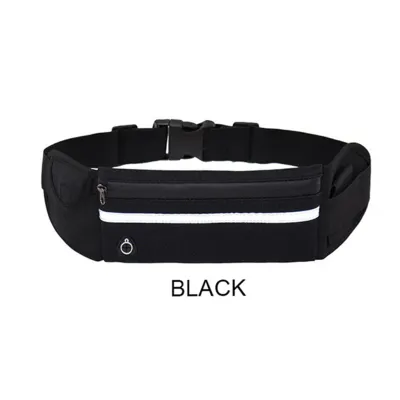
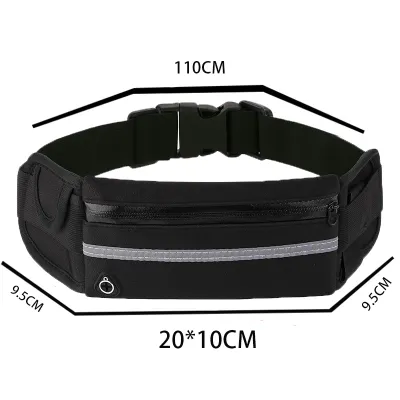
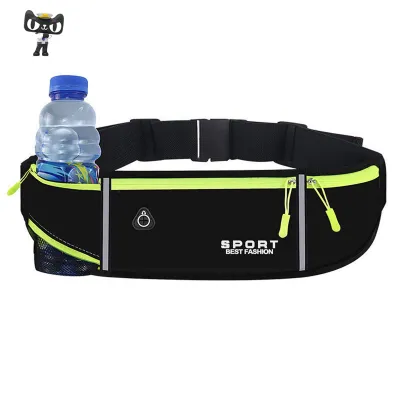
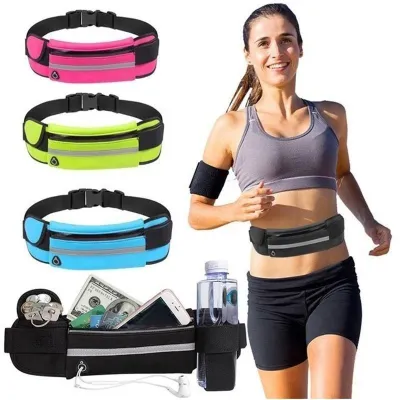
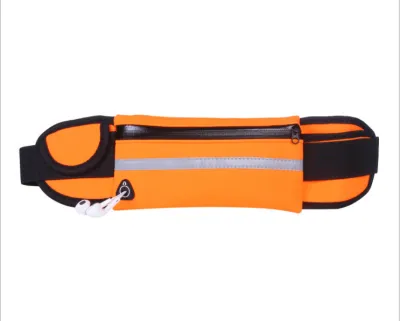
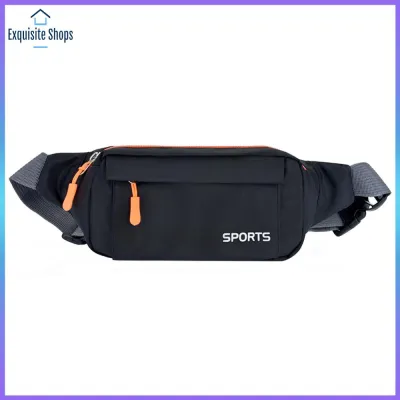
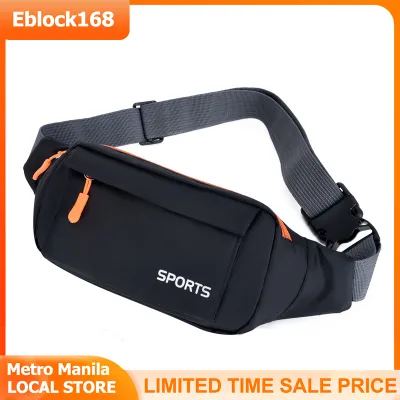
Prices are valid at publication and may change. Please refer to the product page for the latest price.
Identify Your Storage Needs and Fit Priorities
Before browsing designs, you must take a realistic inventory of what you actually carry on a typical run. The physical dimensions of your gear dictate the minimum pocket size and structural support your belt requires. For instance, a standard modern smartphone with a protective case can easily measure over 16 centimeters in length and weigh more than 200 grams. Placing a heavy device like this into a flimsy, unreinforced belt will inevitably lead to sagging and excessive bouncing.
Beyond your phone, consider the small but dense items that accompany you. Keys are a common culprit for screen damage, meaning you should look for belts that offer separate compartments or integrated internal key clips to keep metal away from glass. If you use energy gels, chew packets, or salt tablets, you need accessible storage that does not require you to stop running or fumble with complex closures. Additionally, carrying physical identification, a transit card, or emergency cash requires a secure, zippered pocket that remains dry even during intense workouts.
The physics of bounce prevention rely on a simple relationship: the heavier the load, the wider and more supportive the waistband must be. A narrow elastic strap might feel comfortable when empty, but once loaded with a phone and keys, it concentrates the weight in a small area, causing the belt to cut into your waist or slide up toward your chest. A wider band distributes this downward force over a larger surface area, utilizing friction against your hips or lower abdomen to lock the pack in place.
To determine your ideal capacity tier, perform a quick self-assessment based on your typical running habits:
- Minimalist Tier: Runs lasting under 45 minutes (such as 5K to 10K distances), requiring only a phone, a single key, and an ID card.
- Mid-Capacity Tier: Daily training runs lasting 45 to 90 minutes, requiring a phone, keys, multiple energy gels, and perhaps a small card holder or wireless earbud case.
- High-Capacity Tier: Long-distance runs or trail sessions lasting over 90 minutes, requiring hydration flasks, extensive nutrition, emergency medical supplies, and space for a packable lightweight jacket.
Minimalist Designs for Short, Fast Runs
When your goal is speed, simplicity, or a quick workout on the treadmill, a bulky waist pack is the last thing you want. Minimalist running belts are designed to be as unobtrusive as possible, often feeling like an extension of your running shorts rather than an external accessory. These low-profile options are ideal for short road runs, track intervals, or indoor gym sessions where you only need to secure the absolute essentials.

The most successful minimalist designs utilize a seamless, tubular construction. Instead of relying on plastic buckles or adjustable straps, these belts consist of a continuous loop of highly elastic, breathable fabric that you slide up over your legs or pull down over your head. The entire circumference of the belt acts as a pocket, allowing you to slide your phone flat against your lower back or stomach. Because there are no buckles to dig into your skin, these tubular belts offer an incredibly comfortable, second-skin fit that excels during high-cadence workouts.
However, these ultra-lightweight designs come with distinct limitations that you must verify before purchasing. Because they rely entirely on fabric tension to hold gear in place, they are highly sensitive to sizing; a belt that is slightly too loose will bounce, while one that is too tight will feel restrictive around your diaphragm. Furthermore, they lack the structural rigidity to carry heavy items. Attempting to stuff a large, heavy smartphone along with multiple keys and a soft water flask into a minimalist tube will stretch the fabric to its limit, causing the belt to roll up, bunch, and bounce uncontrollably.
Mid-Capacity Options for Daily Training
For the majority of your weekly mileage, including daily training runs and half-marathon preparation, a mid-capacity gut pack belt bag offers the most versatile balance of storage and stability. These belts are engineered to handle a slightly heavier payload without sacrificing comfort, making them the workhorse of your running gear collection. They provide enough space to carry your phone, a full set of keys, nutrition for a double-digit kilometer run, and small personal items.
When evaluating mid-capacity options, look for structural features that enhance organization and security. Unlike minimalist tubes, mid-capacity belts often feature a combination of zippered main compartments and expandable mesh pockets. A zippered pocket is essential for securing high-value items like your phone or car keys, ensuring they cannot accidentally slip out when you bend over to stretch or navigate a steep hill. Adjustable buckle straps are another key feature to verify; they allow you to tighten the belt as you consume your energy gels, compensating for the reduced volume and keeping the remaining gear snug against your body.
The primary trade-off with mid-capacity belts is the balance between pocket organization and overall bulk. While having four separate pockets sounds convenient, it also adds seams, zippers, and extra fabric layers that increase the dry weight of the belt. In warm, tropical climates, this extra material can trap heat and sweat against your lower back, leading to localized discomfort. When packing a mid-capacity belt, place the heaviest item—typically your phone—in the center back pocket to keep the weight aligned with your spine, which naturally minimizes lateral swaying.
High-Capacity Solutions for Long Runs
As your training progresses to marathon distances, weekend long runs, or rugged trail adventures, your gear requirements change dramatically. When you are out on the road or trail for hours at a time, especially in hot and humid environments, carrying hydration and consistent nutrition becomes a safety necessity rather than a convenience. High-capacity running belts are specifically designed to carry these heavier, bulkier loads comfortably over long distances without sagging or causing lower-back strain.
The defining feature of a high-capacity belt is its ability to carry water. Look for designs that incorporate dedicated hydration holsters, which are often angled across the lower back to keep the center of gravity low and prevent the water from sloshing excessively. These holsters are typically designed to hold soft flasks (ranging from 250ml to 500ml) that shrink as you drink, preventing air pockets from forming and reducing bounce. Additionally, these heavy-duty belts often feature external bungee cords or elastic gear loops, allowing you to quickly lash down a discarded lightweight rain jacket or arm sleeves without opening your main pockets.
To support this significant increase in weight, high-capacity belts must feature reinforced, extra-wide waistbands. A wide band distributes the load across your pelvic bones and lower back, preventing the belt from digging into your soft tissue or causing painful chafing during hours of repetitive movement. Look for models with robust hook-and-loop closure systems or dual-adjusting buckles that allow you to fine-tune the tension on both sides of your hips, ensuring an even, balanced fit that moves with your stride rather than against it.
Final Checks for Fit, Bounce Prevention, and Materials
Once you have identified the right capacity tier, the final step is verifying the fit, construction quality, and material performance of the specific belt you choose. Proper placement is the foundation of a bounce-free run. While some runners prefer to wear their belt high around the natural waist (near the belly button), most find the greatest stability by positioning the belt lower down, resting directly on the upper ridge of the hip bones. This lower placement prevents the belt from riding up toward your ribs as you breathe deeply and run uphill.
Material selection is critical, particularly for runners facing tropical humidity and heavy sweating. Avoid cheap, non-breathable synthetic fabrics that trap moisture; instead, look for high-grade nylon or polyester blends featuring open-mesh back panels that promote airflow. The inner lining should feature a soft, moisture-wicking fabric that draws sweat away from your skin to prevent friction and chafing. Additionally, check the quality of the zippers—water-resistant or polyurethane-coated zippers are highly recommended to protect your phone from sweat and sudden tropical downpours. Reflective details on both the front and back of the belt are also essential safety features for those who prefer to run during the cooler hours of early morning or late evening.
Before taking your new gut pack belt bag out for its first official run, perform a thorough home test. Load the belt with the exact items you plan to carry, including your phone, keys, and simulated weight for water or gels. Put the belt on, adjust the tension, and jog in place, perform a few jumping jacks, or run up and down a flight of stairs. If the belt slips, bounces, or feels restrictive, adjust the placement or tension. Testing the fit indoors ensures you can easily utilize the retailer’s return or exchange policy if the sizing is not perfect for your body shape.
Frequently Asked Questions (FAQ)
How do I stop my running belt from bouncing?
To eliminate bounce, start by adjusting the strap tension so the belt fits snugly but comfortably without restricting your breathing. Position the belt lower on your hips, resting on the pelvic bones, which provides a wider, more stable skeletal base than the soft tissue of your waist. Additionally, distribute your gear evenly; place your heaviest item, such as your smartphone, flat against the center of your lower back, and avoid overloading the pockets beyond the manufacturer’s recommended capacity.
Can I wash my gut pack belt bag in a washing machine?
Yes, but you must take precautions to preserve the elasticity of the technical fabrics. Always check the manufacturer’s care label first, and remove any detachable parts, plastic clips, or hydration flasks before washing. Place the belt inside a mesh laundry bag, use a mild liquid detergent, and select a cold, gentle cycle. Avoid fabric softeners, which can clog the moisture-wicking pores of the fabric, and always air-dry the belt away from direct heat instead of using a tumble dryer.
Are running belt bags better than hydration vests?
The choice depends on your specific run profile, distance, and personal comfort preferences. Running belt bags are lighter, less restrictive, and trap far less body heat, making them ideal for short to mid-distance runs in hot, humid weather. Hydration vests, on the other hand, offer significantly more storage capacity and distribute weight across your shoulders and upper back, making them better suited for self-supported ultra-marathons or long trail runs where you must carry large volumes of water and gear.

Community discussion
Share your experience or ask a question. Comments are reviewed before publication.