
Setting up a home boxing corner in the Philippines offers a convenient way to stay fit, but hitting a heavy bag without proper hand protection can lead to wrist strains or bruised knuckles. Choosing the right hand wraps depends on your hand size, your training equipment, and how well the wraps handle local tropical humidity. For most adult home boxers, a 180-inch semi-elastic (Mexican-style) hand wrap provides a practical balance of wrist support, knuckle coverage, and flexibility, while those with smaller hands or those focusing on light speed bag drills may prefer a 120-inch wrap.
Quick Selection Guide for Home Boxing Hand Wraps
When building your home boxing setup, hand wraps are your primary line of defense against repetitive impact injuries. Unlike a commercial gym where an instructor checks your form, training at home means you must rely on proper gear and self-checks to stay safe. The baseline recommendation for most adult boxers is a pair of 180-inch semi-elastic wraps. This length ensures you have enough material to secure the wrist, thumb, and knuckles, while the semi-elastic blend conforms to the natural shape of your hand without cutting off circulation.
However, your specific home training routine might require you to deviate from this baseline. If you focus heavily on a dense, high-impact heavy bag, maximizing wrist stability is crucial, making the full 180-inch length essential regardless of your hand size. Conversely, if your setup consists only of a lightweight speed bag or a double-end bag, you do not face the same high-impact forces, allowing you to opt for shorter wraps or quick-wrap gel gloves for convenience. Additionally, those with smaller hands may find that a 180-inch wrap creates too much bulk inside their gloves, making a 120-inch wrap a more practical starting point.
Products mentioned in this guide
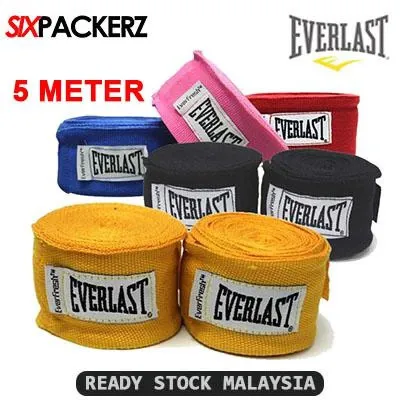
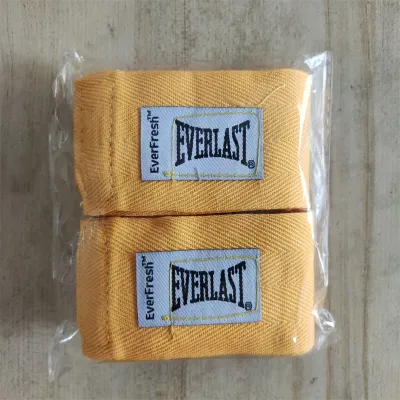
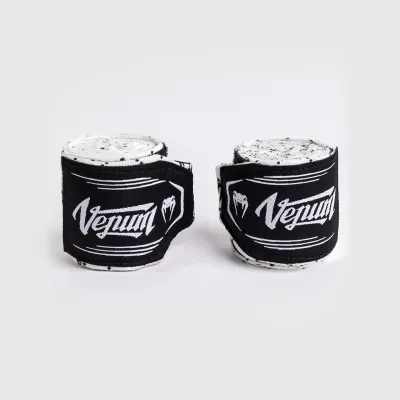
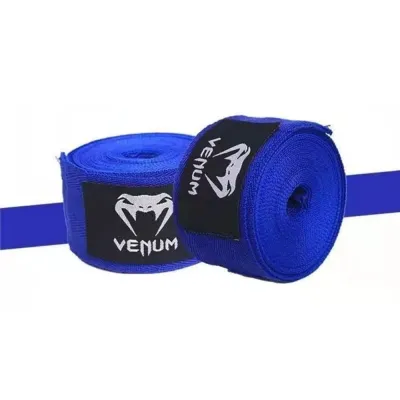
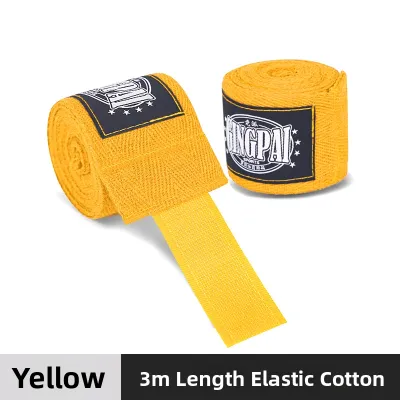
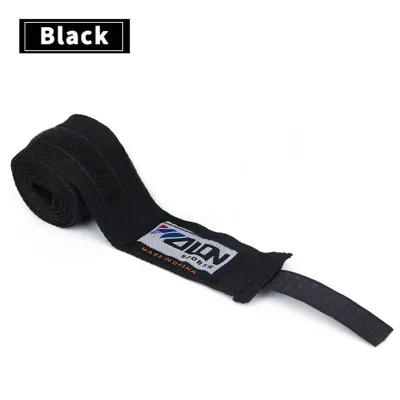
![[Local] BC 1Pair 1.5M/3M/5M Boxing Bandages Sports Sanda Muay Thai Training Self-Adhesive Micro Elastic Binding Hand Sports Protective Gear](https://img.lazcdn.com/g/p/f706f52c6b3c219e1745a696d71a0cd1.jpg_400x400q80.jpg_.webp)
Prices are valid at publication and may change. Please refer to the product page for the latest price.
To help you identify the right starting point for your home gym, consider this basic decision framework based on hand size and training intensity:
- Small Hands or Light Bag Work: 120-inch semi-elastic wraps. This provides sufficient coverage without overcrowding smaller boxing gloves, making it ideal for youth, smaller-framed adults, or speed drills.
- Average to Large Hands or Heavy Bag Training: 180-inch semi-elastic wraps. This is the standard choice for robust wrist support and thick knuckle padding, essential for absorbing high-impact forces from heavy bags.
- High-Frequency Home Workouts (Convenience Focus): Quick wraps or gel inner gloves. These are best suited for low-impact workouts, shadowboxing, or quick sessions where wrapping time is limited, though they offer less structural wrist support.
Choosing the Right Length: 120-Inch vs. 180-Inch Wraps
The length of your hand wraps directly dictates how many times you can pass the fabric around your wrist, thumb, and knuckles. Selecting the wrong length can leave your hand vulnerable to injury or make your boxing gloves feel uncomfortably tight. The two most common lengths available are 120 inches (approximately 3 meters) and 180 inches (approximately 4.5 meters).

A 120-inch wrap is designed primarily for smaller hands, youth, or light training. If you have a smaller hand structure, a 180-inch wrap can result in excessive fabric buildup. This extra bulk can cramp your fingers inside the glove, prevent you from making a proper fist, and restrict blood flow. The 120-inch length allows for a streamlined wrap that covers the essential areas—the wrist, thumb, and knuckles—without creating unnecessary bulk, making it highly suitable for light bag work or shadowboxing.
Conversely, a 180-inch wrap is the standard for serious heavy bag training and average-to-large hands. The extra 60 inches of fabric provide the necessary material to perform multiple figure-eight passes around the wrist and through the fingers, locking the delicate bones of the hand into a single, cohesive unit. This length allows you to customize the thickness of your knuckle padding while still leaving enough material to wrap the wrist securely. If you strike a heavy bag that weighs 70 pounds or more, the structural reinforcement of a 180-inch wrap is essential to prevent the wrist from bending or collapsing upon impact.
To determine if your current wrap length is insufficient, pay close attention to how the wrap finishes. If you run out of fabric before making at least three full passes around your wrist, or if you must skip wrapping your thumb to reach the Velcro closure, your wraps are too short. Conversely, if you finish wrapping and have so much leftover material that your wrist feels completely immobilized, or if you cannot squeeze your hand into your standard 16-ounce training gloves, you should step down to a shorter length or adjust your wrapping technique to distribute the fabric more evenly.
Material Types: Traditional, Mexican-Style, and Quick Wraps
Understanding the material composition of your hand wraps is key to ensuring both comfort and longevity, especially when training in a warm, humid climate. The three primary options available for home boxers are traditional cotton wraps, Mexican-style semi-elastic wraps, and gel-infused quick wraps.
Traditional cotton wraps are made from 100% rigid cotton woven fabric. They are highly durable, thick, and offer a very solid, unyielding feel once applied. Because cotton does not stretch, these wraps provide strong, rigid support for the wrists. However, they require a precise wrapping technique; if you wrap them too tightly, they will not give as your hand swells during exercise, which can lead to discomfort or restricted circulation. In humid environments, 100% cotton wraps absorb a significant amount of sweat, making them heavy and slow to dry, which can lead to musty odors if they are not washed and dried promptly.
Mexican-style wraps are made from a blend of cotton and elastic fibers (such as spandex or polyester). This blend gives the fabric a slight stretch, allowing the wrap to contour snugly around the curves of your hand, knuckles, and wrist. The elasticity makes them much easier to apply, as the wrap naturally conforms to your movements and maintains consistent tension even as your hand muscles flex and expand during a workout. They are generally thinner and more breathable than traditional cotton, which helps them dry faster after a sweaty home session—a major advantage in tropical climates.
Gel inner gloves, often referred to as quick wraps, are slip-on gloves featuring a padded gel knuckle guard and a short attached wrist strap. They are designed for maximum convenience, allowing you to gear up in seconds rather than spending several minutes wrapping your hands. While they are highly convenient for quick home workouts, fitness boxing classes, or light speed bag drills, they do not provide the same level of customized skeletal alignment as a traditional wrap. The slip-on design cannot bind the individual metacarpal bones together, and the short wrist strap offers limited structural support against heavy, off-center impacts.
| Wrap Type | Material Composition | Support Level | Convenience | Best For |
|---|---|---|---|---|
| Traditional Cotton | 100% Rigid Cotton | High (Rigid) | Moderate | Heavy bag training, traditionalists |
| Mexican-Style | Cotton-Elastic Blend | High (Flexible) | Moderate | All-around home training, heavy bags |
| Quick Wraps / Gel | Neoprene & Gel | Low to Moderate | High | Speed bags, quick fitness sessions |
Maintaining your wraps is essential for hygiene and performance. Over time, sweat, salt, and body oils will degrade the elastic fibers in Mexican-style wraps, causing them to lose their stretch and support. You can identify worn-out wraps by checking for frayed edges, curled Velcro tabs that no longer grip securely, or a general loss of elasticity where the fabric feels limp and stretched out. To maximize their lifespan, always hang your wraps to air dry immediately after training, and avoid leaving them crumpled inside a dark, damp gym bag.
Matching Hand Wraps to Your Home Boxing Equipment
Your choice of hand wraps should align closely with the specific targets in your home boxing setup. Different types of equipment exert different forces on your hands, requiring varying levels of protection and flexibility.
If your home setup features a heavy bag, your primary focus must be on impact absorption and wrist alignment. A heavy bag does not swing or give easily when struck, meaning a large portion of the kinetic energy from your punch travels back up your hand and wrist. For this setup, a 180-inch Mexican-style wrap is highly recommended. You should focus on layering the fabric heavily over your knuckles to cushion the impact, while ensuring multiple passes cross the wrist joint to keep it straight. This prevents the wrist from buckling if you land a punch at an awkward angle.
For speed bags and double-end bags, the training focus shifts from raw power to hand-eye coordination, rhythm, and speed. Because these bags are lightweight and filled with air, the impact force is minimal. Heavy, bulky wraps are unnecessary here and can actually slow down your hand speed or make your hands feel overly hot. For these drills, a shorter 120-inch wrap or a pair of lightweight quick wraps is ideal. They provide just enough protection to prevent skin scrapes on your knuckles while keeping your hands light and agile.
If your home routine consists primarily of shadowboxing or technique drills in front of a mirror, you do not need to protect your hands from external impact. Instead, the goal is to maintain natural hand movement and form. You can choose to go completely without wraps, or use a thin 120-inch wrap to simulate the weight and feel of training with gear. Wrapping your hands during shadowboxing can also help build muscle memory for keeping your wrists straight and your fists clenched correctly at the point of impact.
Regardless of the equipment you use, you must learn to adjust your wrap tightness based on the intensity of your session. For heavy bag work, the wrap should feel snug and secure, locking your hand into a solid fist when clenched, but relaxing slightly when your hand is open. If you are doing a lighter, longer endurance session on a double-end bag, you can wrap slightly looser to ensure long-term comfort and prevent cramping over extended training periods.
Pre-Training Safety Checks and Wrapping Boundaries
Before you throw your first punch at home, performing a few quick safety checks can prevent painful injuries that could sideline your training for weeks. Because you are training independently, you must become your own safety coach.
Once you finish wrapping your hands, perform a physical check of the tension. Open your hand completely and stretch your fingers wide; the wrap should feel snug across your palm and back of the hand, but it should not pinch or pull your skin uncomfortably. Next, clench your hand into a tight fist. The wrap should tighten up instantly, creating a solid, rigid structure across your knuckles and wrist. If the wrap feels loose or slides around when you make a fist, it will not protect you upon impact; you must unwrap and start over.
Pay close attention to the warning signs of an improperly applied wrap. If you experience coldness, tingling, or a pins-and-needles sensation in your fingertips, the wrap is too tight and is restricting your blood circulation. Another common mistake is wrapping too tightly around the palm, which prevents you from closing your fist completely, leading to hand fatigue and cramping. Conversely, if the wrap is too loose, the fabric will bunch up inside your glove, causing friction burns on your knuckles and offering zero structural support to your wrist.
The golden rule of home boxing safety is simple: if you feel any pain, numbness, or unusual discomfort during your workout, stop immediately. Do not attempt to “punch through” the pain. Take off your gloves, unwrap your hands, and allow the circulation to return fully. Inspect your hand for any redness or swelling, and re-wrap with a focus on moderate, even tension. Taking two minutes to re-wrap your hands is a small price to pay to protect the intricate network of bones and ligaments that keep you training safely.
Frequently Asked Questions (FAQ)
Can I wash my hand wraps in a standard washing machine?
Yes, you can wash your hand wraps in a standard washing machine, but you must take precautions to prevent damage. Always check the manufacturer’s care label first for any specific instructions. To prevent the long straps from tangling around the washing machine agitator or other clothes, place your wraps inside a mesh laundry bag before starting the cycle. Secure the Velcro closures beforehand so they do not snag the fabric of the wraps or other garments. Use a gentle cycle with cold water and mild detergent. Never put your wraps in a tumble dryer, as the high heat can shrink cotton wraps and destroy the elastic fibers in Mexican-style wraps. Instead, hang them up to air dry in a well-ventilated area away from direct sunlight.
Do I need hand wraps if my home boxing gloves have thick padding?
Yes, you must wear hand wraps even if your boxing gloves have thick padding. Gloves and hand wraps serve two entirely different protective functions. The thick padding of a boxing glove is designed to absorb and disperse the surface impact of a punch, protecting your knuckles and your training target. However, gloves do not prevent the internal bones of your hand from shifting, nor do they secure your wrist joint. Hand wraps bind the small, delicate bones of your hand (the metacarpals) together, preventing them from colliding or fracturing upon impact. They also stabilize the wrist, keeping it aligned with your forearm to prevent hyperextension or bending. Thick glove padding cannot replace this essential internal structural support.

Community discussion
Share your experience or ask a question. Comments are reviewed before publication.