
Choosing the right Hoka belt bag requires matching the accessory’s storage capacity, material properties, and adjustment system to your specific running environment. Because gear collections and model specifications change over time, selecting a bag based on your primary running style—whether that involves short road loops, technical trail climbs, or long-distance marathon training—ensures you get the exact support you need. A well-chosen running belt should feel like an extension of your body, keeping your essentials secure and accessible without shifting or causing discomfort during your stride.
In tropical climates like the Philippines, where high humidity and sudden downpours are common, your choice of running gear must also account for moisture management and fabric breathability. A belt that works perfectly for a cool, dry climate might trap heat or absorb excessive sweat when worn during a humid morning run. By focusing on the structural features of Hoka’s current lineup, you can find a waist pack or belt that keeps your gear dry, your body comfortable, and your hands free.
Identify Your Primary Running Scenario
Before browsing through different designs, you must define where you run most often and what items you absolutely need to carry. Road running, trail running, and marathon training each place distinct demands on your gear, meaning a single storage solution rarely fits every run perfectly.
Products mentioned in this guide
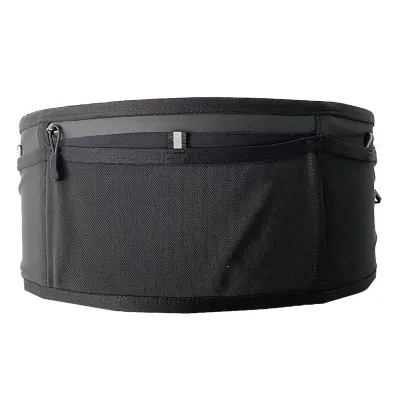
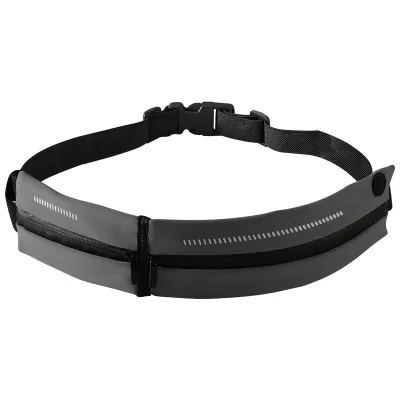
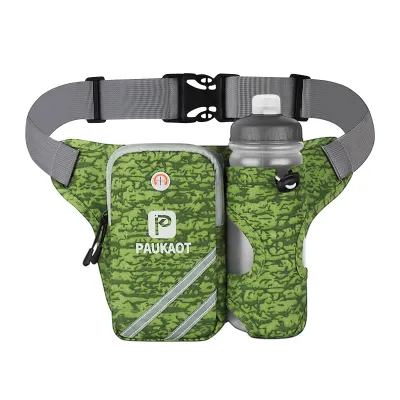
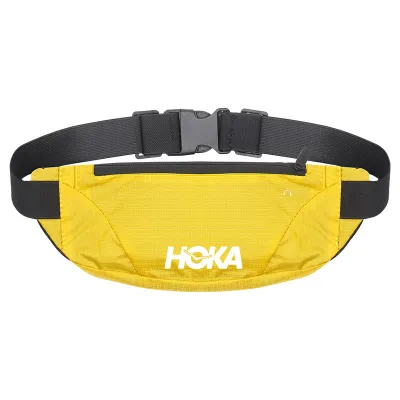
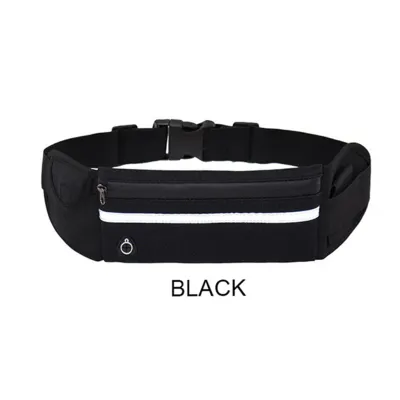
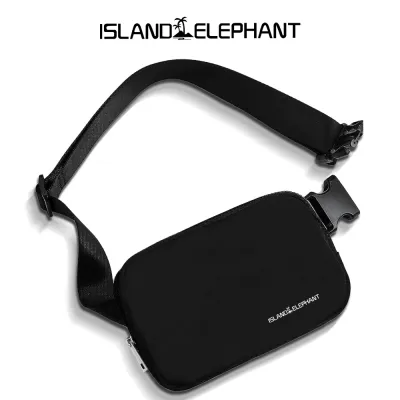
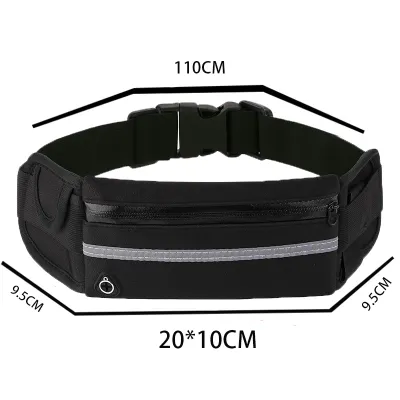
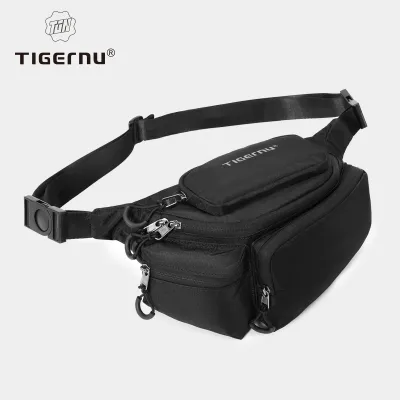
Prices are valid at publication and may change. Please refer to the product page for the latest price.
Road runners typically prioritize a sleek, low-profile silhouette. When navigating paved streets or neighborhood loops, you generally only need to carry a smartphone, a house key, and perhaps an identification card. For these quick, high-cadence sessions, a bulky waist pack is unnecessary and can disrupt your natural running form.
Trail running demands a completely different approach to storage and durability. Off-road paths present unpredictable terrain, steep elevation changes, and limited access to clean water or assistance. Consequently, trail runners must carry more gear, including energy gels, a lightweight windbreaker, emergency whistles, and sometimes collapsible trekking poles. The materials must also be rugged enough to withstand scrapes from low-hanging branches or overgrown brush.
Marathon training requires a balance of high-capacity storage and long-term comfort. When you are spending hours on your feet, carrying adequate hydration and consistent nutrition is vital. Your belt must be able to hold soft flasks or energy gels securely while distributing weight evenly across your hips to prevent painful chafing over long distances.
To establish your baseline capacity, make a physical list of your essential carry items. Lay your smartphone, keys, preferred nutrition packets, and any hydration flasks on a table. Measuring the physical footprint of these items will give you a clear starting point when comparing the pocket dimensions of different running belts.
Match Hoka Belt Bag Features to Your Running Needs
Hoka offers a variety of waist packs, minimalist running belts, and utility bands designed to cater to different athletic pursuits. To find the ideal match, you should carefully evaluate the specific design features, fabric technologies, and adjustment mechanisms of each model against your personal running habits.

Road Running and Daily Training
For daily training on paved roads or local tracks, look for running belts made from highly elastic, low-profile fabrics. These materials are designed to stretch tightly over your essentials, holding them flush against your lower back or hips to eliminate vertical bouncing during fast-paced strides.
Ensure the belt features secure, zippered compartments rather than simple open slip pockets. A zippered pocket provides peace of mind when running on busy city streets, preventing your phone or keys from slipping out when you jump curbs or pick up your pace. The pocket should be specifically rated to accommodate the dimensions of modern, large-format smartphones.
In hot and humid conditions, sweat accumulation can quickly saturate your gear and cause skin irritation. Prioritize belts that incorporate breathable mesh backing panels. These panels facilitate airflow between the bag and your body, helping to dissipate heat and channel sweat away from your skin during intense urban workouts.
Trail Running and Technical Terrain
When heading into the wilderness, your gear requires superior protection from the elements. Look for trail-focused waist packs constructed from water-resistant or weather-treated fabrics. These specialized materials help shield your electronic devices and nutrition from sudden tropical rain showers, heavy mud, and splashing water during stream crossings.
Evaluate models that feature external attachment points, such as elastic tension loops or compression straps. These external systems are incredibly useful for securing collapsible trekking poles or stowing a discarded lightweight rain jacket once you warm up. Having these options allows you to expand your carrying capacity without cluttering the main internal compartments.
The movement associated with navigating technical trails—such as jumping over rocks, sliding down steep descents, and climbing steep ridges—requires a highly stable fit. Choose a belt with a robust, adjustable tensioning system. This allows you to tighten the pack securely around your waist, preventing the bag from shifting or chafing as your body moves through different planes of motion.
Marathon Training and Long-Distance Runs
For long-distance training sessions that span several hours, comfort is the single most important factor. Seek out running belts that feature seamless construction or flat-locked seams, which minimize friction points against your clothing or skin. Wide, padded waistbands are excellent for distributing the weight of your gear evenly across your pelvic bones, reducing pressure points.
Hydration is a critical component of marathon training, so verify whether the belt is compatible with soft hydration flasks. Many long-distance belts feature dedicated, contoured sleeves designed to hold flexible flasks flat against your body, minimizing water sloshing. Additionally, look for external elastic loops that allow you to slide energy gels in and out quickly without needing to open zippers while running.
Because marathon training involves high-volume sweating, your running belt will require frequent cleaning. Before purchasing, check the manufacturer’s care instructions to ensure the materials can withstand regular washing without losing their elasticity or structural integrity. Durable fabrics and high-quality stitching are essential for gear that must endure a rigorous multi-month training cycle.
Essential Fit and Comfort Checks Before You Buy
Finding the right running belt requires careful attention to fit, as an improperly sized pack can lead to bouncing, riding up, or painful skin abrasions. To ensure a successful purchase, always measure your waist and hips accurately using a flexible measuring tape. Do not rely solely on your standard pant size, as running belts are often worn lower on the hips or higher on the waist depending on personal preference and the bag’s design. Compare your measurements directly against the brand’s official sizing chart.
If you are purchasing your belt at a physical retail store, take the time to conduct a realistic fit test. Bring the actual items you plan to carry on your runs, such as your smartphone, keys, and nutrition gels. Place these items inside the belt, secure it around your waist, and perform a few physical movements. Jog in place, perform high knees, and twist your torso to observe how the belt behaves under load. If the pack bounces excessively, slides up toward your ribs, or pinches your skin, you may need to adjust the tension or try a different size.
Pay close attention to the buckle, adjustment sliders, and closure mechanisms. These components should be robust yet low-profile so they do not press uncomfortably into your lower back or abdomen. Ensure that you can easily operate the adjustments with sweaty or cold hands, as you may need to tighten the belt mid-run as you consume your hydration and nutrition, which alters the pack’s overall volume and weight.
Can One Hoka Belt Bag Cover Multiple Scenarios?
Many runners wonder if they can purchase a single, versatile belt to handle all of their running activities. While hybrid models exist, they inevitably involve trade-offs. A versatile, mid-sized belt may offer moderate storage capacity and decent weather resistance, but it will not provide the ultra-lightweight, barely-there feel of a minimalist road belt, nor will it match the heavy-duty carrying capacity of a dedicated trail pack.
When deciding whether to invest in one multi-purpose bag or two specialized models, consider your training frequency and budget. If you are purchasing gear in the Philippines, weighing the cost in ₱ against your actual usage is a practical way to make a decision. If you run four times a week on paved roads and only hit the trails once a month, investing heavily in a highly specialized trail pack may not be cost-effective.
In this situation, the most practical approach is to prioritize the scenario where you spend 80% of your training time. If you are primarily a road runner, choose a sleek, comfortable belt that excels in daily training; you can likely adapt it for occasional light trail runs by carrying fewer items. However, if you split your time evenly between technical trail runs and long-distance road marathons, investing in two distinct, specialized belts will significantly improve your comfort and performance in both environments.
Frequently Asked Questions (FAQ)
How do I wash my Hoka belt bag after a sweaty long run?
Always consult the specific care label stitched inside your Hoka belt bag before cleaning it. As a general rule for technical running gear, hand-washing is the safest method to preserve the elasticity of the fabrics and the integrity of the zippers. Submerge the bag in cold water mixed with a small amount of mild, sports-specific detergent, and gently agitate it by hand. Avoid using fabric softeners or bleach, as these chemicals can degrade moisture-wicking coatings and break down synthetic fibers. Rinse the bag thoroughly with clean water, gently squeeze out the excess moisture without wringing, and hang it to air-dry in a well-ventilated area away from direct sunlight.
Will a Hoka belt bag fit a large smartphone with a thick case?
The internal pocket dimensions of running belts vary significantly between different models and sizes, and these measurements are typically detailed in the product specifications. To ensure your device will fit, measure the total length, width, and thickness of your smartphone while it is inside its protective case. Compare these total dimensions to the maximum pocket size listed by the manufacturer. If you are close to the limit, avoid forcing the phone into the pocket, as excessive tension can damage the zippers, tear the seams, or permanently stretch the elastic fabric. If possible, test the fit in-store before purchasing to verify that the phone can be inserted and removed easily while on the move.

Community discussion
Share your experience or ask a question. Comments are reviewed before publication.