
Selecting the right hydrovest capacity is a balance between carrying enough fluid to sustain your effort and avoiding unnecessary weight that slows you down. In tropical climates like the Philippines, where high humidity and heat accelerate sweat rates, this decision becomes even more critical. The ideal capacity depends on your target distance, the availability of water along your route, and your individual sweat rate. By matching your gear to these factors, you can maintain optimal hydration without carrying a heavy, bouncing load.
Your hydration strategy should always adapt to the specific environment of your run. A capacity that works perfectly for a cool morning road run will likely fall short during a midday trail climb. Understanding how to scale your water carrying capacity ensures you stay safe, comfortable, and performing at your best on every outing.
Assessing Your Personal Hydration Needs
Sweat rates vary significantly based on environmental conditions and individual physiology. Running in tropical heat and high humidity means your body relies heavily on sweating to cool down, which increases your hourly fluid requirements. To estimate your personal needs, pay attention to how much you sweat during a typical one-hour run in similar conditions, noting if you feel excessively thirsty or fatigued afterward.
Products mentioned in this guide
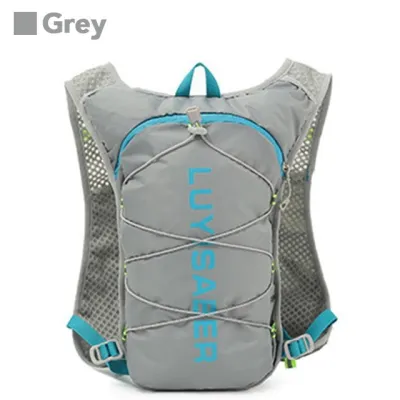
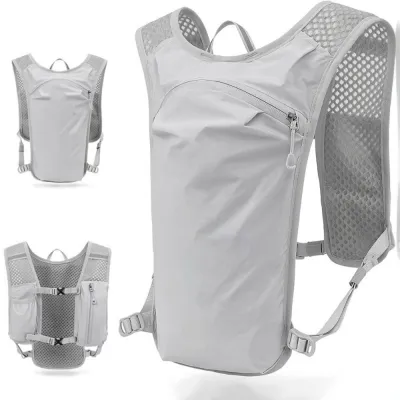
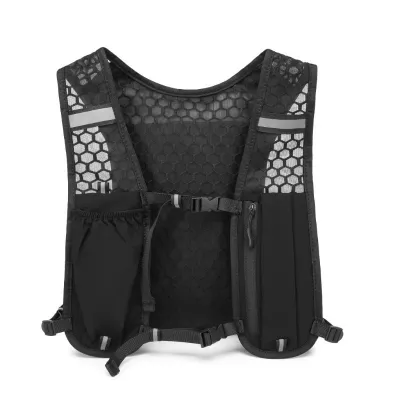
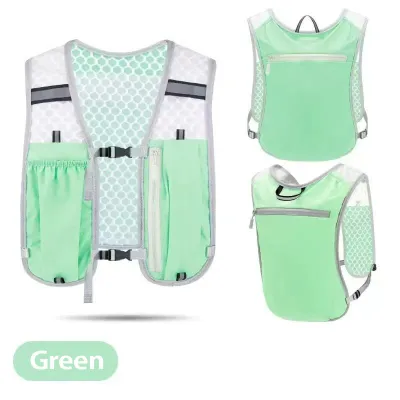
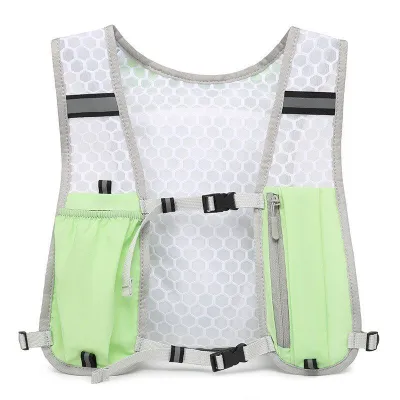
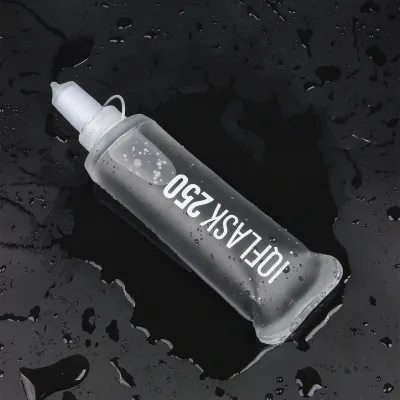
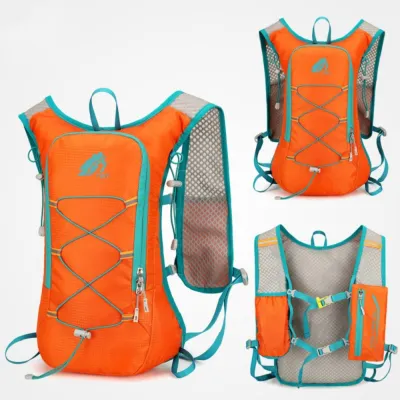
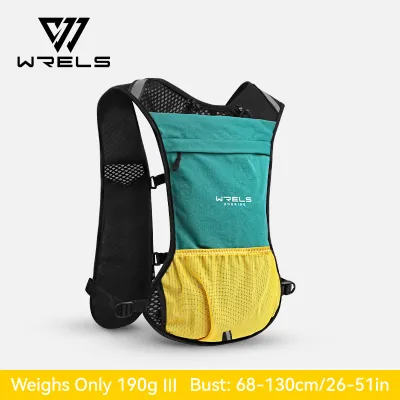
Prices are valid at publication and may change. Please refer to the product page for the latest price.
Terrain and elevation profile also dictate how much water you need to carry. A steep, technical trail run takes longer to complete than a flat road run of the same distance, meaning you will be out in the heat for a longer duration. When planning your capacity, calculate your water needs based on estimated time on your feet rather than simple distance metrics.
The presence of public water fountains, convenience stores, or organized aid stations along your route can reduce your carrying requirements. If you can reliably refill your bottles every few kilometers, you can opt for a lighter setup. Conversely, remote routes with no clean water sources require you to carry your entire supply from the start, necessitating a larger capacity vest.
Always check the specific product label and manufacturer guidelines for your hydrovest before packing. Manufacturers specify maximum fill limits and weight distribution recommendations that prevent damage to the vest seams and ensure the load sits comfortably against your body. Overfilling a bladder or forcing oversized bottles into front pockets can strain the materials and alter the fit of the vest.
Matching Hydrovest Capacity to Your Running Scenarios
The fundamental trade-off in hydration planning is balancing the physical strain of carrying excess water weight against the safety risk of dehydration. Water weighs one kilogram per liter, so overpacking fluid can lead to premature fatigue, shoulder strain, and altered running posture. Your goal is to carry just enough to reach your next reliable water source with a small safety margin.

Modern hydrovests address this by offering dual hydration systems, combining a main back reservoir with front-mounted soft flasks. This hybrid setup allows you to distribute weight evenly across your torso while keeping different fluids easily accessible. How you configure these storage areas depends entirely on the duration and location of your run.
Short to Medium Distance Runs
For shorter efforts, typically under ninety minutes, minimizing weight and maximizing mobility are your primary goals. A minimal setup relying solely on front-mounted soft flasks, often holding 250ml to 500ml each, is usually sufficient for these distances. This configuration keeps your back completely free, maximizing breathability and airflow in hot weather.
If you prefer a completely clear chest area, a compact back bladder filled to a lower volume can also work. This keeps your front pockets free for small essentials like keys, a phone, or a single energy gel. The key is to avoid filling a large bladder to capacity when a fraction of the volume will suffice for the distance.
Route familiarity plays a major role in keeping your setup light. If you plan your training loops around a single reliable water source, such as a park fountain or a local store, you can stop to refill rather than carrying your entire fluid supply. This approach allows you to use the smallest, most lightweight vest configuration possible.
Long Distance and Trail Runs
Extended trail runs and long-distance road sessions require a higher level of self-sufficiency, especially when running in remote areas where water sources are scarce. For these efforts, combining a larger back reservoir of 1.5 to 2 liters with front soft flasks ensures you have adequate reserves. This setup is essential for runs lasting several hours where aid stations are far apart.
Carrying multiple water vessels allows you to separate your fluids effectively. You can keep pure water in the back reservoir for cooling down, rinsing your face, or mixing with emergency supplies. Meanwhile, you can use the front flasks for electrolyte mixes or carbohydrate-rich sports drinks that require frequent sipping.
This dual-source strategy also provides a safety buffer against equipment failure. If a front flask leaks or a bladder valve becomes damaged, you still have a secondary water source to get you safely back to your starting point. Never rely on a single water source when venturing into remote or unfamiliar trail networks.
Evaluating Fit and Storage Beyond Water Capacity
A hydrovest must accommodate your required water volume without compromising physical comfort or causing painful chafing. When selecting a vest, check the torso length and strap adjustability to ensure the pack sits high on your back. A well-fitting vest should distribute the weight across your shoulders and upper back, rather than pulling down on your lower spine.
Bounce prevention is critical when the vest is fully loaded with water. Look for adjustable sternum straps and side compression cords that allow you to tighten the vest as you consume water and the volume inside the reservoirs decreases. A loose vest will rub against your skin, leading to severe chafing over long distances.
Beyond water, your vest must have adequate storage space for mandatory safety gear, nutrition, and weather layers. In tropical environments, you might need space for a lightweight rain jacket to handle sudden downpours, along with salt tablets, energy gels, and a basic first-aid kit. Ensure these items are stored in water-resistant compartments to keep them dry.
Examine the hardware details, such as bite valve types, hose routing options, and quick-disconnect features. A hose that routes easily under the arm or over the shoulder prevents snagging on trail branches, while a quick-disconnect valve simplifies refilling at aid stations. These small features significantly improve your efficiency and comfort on the move.
Testing and Fine-Tuning Your Setup Before Long Runs
Before committing to a long training run or a race, conduct a fully loaded shakedown run. Fill your reservoirs to capacity, pack all your planned gear, and run at your target pace to check for any immediate chafing, excessive water sloshing, or balance issues. This trial run helps you identify fit problems before they become painful injuries.
As you run and drink, practice adjusting the strap tension on the go. Consuming water reduces the volume of the flasks and bladder, which can cause the vest to loosen and bounce if you do not pull the compression straps tighter. Developing the habit of micro-adjusting your straps keeps the load stable throughout your run.
Learn to recognize the stop conditions that indicate your setup needs immediate adjustment. If the vest restricts your breathing, causes sharp shoulder fatigue, or shifts excessively and rubs against your neck, stop running immediately to adjust the straps or redistribute the weight. Ignoring these warning signs can lead to severe bruising or skin damage that cuts your run short.
Frequently Asked Questions (FAQ)
How do I clean and dry a hydration bladder to prevent mold?
To maintain your hydration bladder, rinse it thoroughly with warm water after every run to remove sweat and residual drink mixes. For a deeper clean, use mild cleaning tablets or a mixture of water and baking soda, allowing it to sit before rinsing thoroughly. Avoid using harsh chemicals or boiling water, which can damage the bladder material and seals.
Proper air-drying is essential to prevent mold growth, especially in humid climates. Use a bladder hanger or insert clean paper towels to keep the bladder walls apart, ensuring air can circulate freely inside. If the bladder retains persistent odors, shows signs of material degradation, or has mold spots that cannot be removed, stop using it and consult the manufacturer for a replacement.
Can I use one hydrovest for both short road runs and long trail runs?
Yes, many modern hydrovests feature modular designs that adapt easily to different distances. For short road runs, you can remove the heavy back bladder entirely and rely solely on front soft flasks to keep the setup light and breathable. Investing in a single modular vest can save you from spending thousands of pesos ₱ on multiple specialized packs.
When using a larger vest for shorter runs, check its strap compression capabilities. Tightening the side and front straps ensures the empty back compartment remains flat against your body, preventing the fabric from flapping or shifting while you move. This versatility allows you to enjoy a secure, bounce-free fit regardless of the water volume you choose to carry.

Community discussion
Share your experience or ask a question. Comments are reviewed before publication.