
Choosing the right inflatable kayak depends entirely on where you plan to paddle and what you intend to do on the water. While all inflatable kayaks offer the convenience of easy storage and transport, they are not built the same. A model designed for a casual afternoon on a calm lake will perform poorly on a multi-day coastal expedition or a dedicated fishing trip.
To make an informed purchase, you must match your primary water activity—recreational paddling, long-distance touring, or fishing—to the specific design characteristics of the kayak. Understanding how hull shape, materials, and specialized features impact performance on the water is the key to finding a vessel that keeps you safe, comfortable, and successful.
Quick Match: Aligning Your Water Activity with Kayak Design
Before looking at specific features, it helps to understand how kayak geometry dictates performance. Inflatable kayaks generally fall into three design categories, each optimized for distinct water environments and user goals.
Products mentioned in this guide
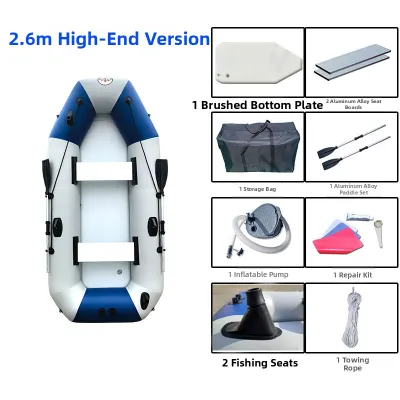
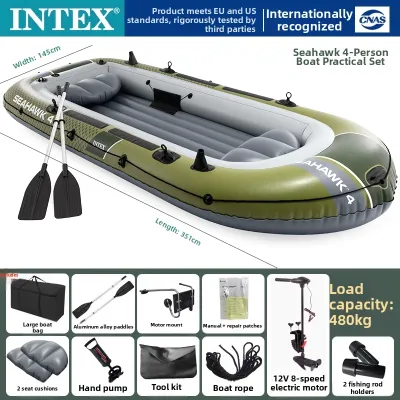
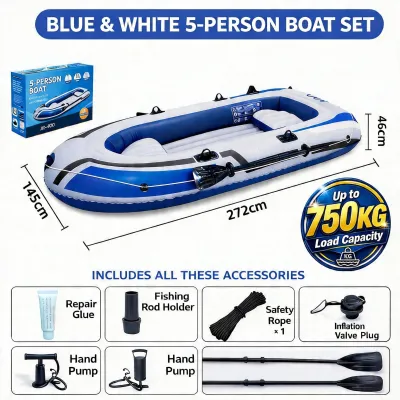
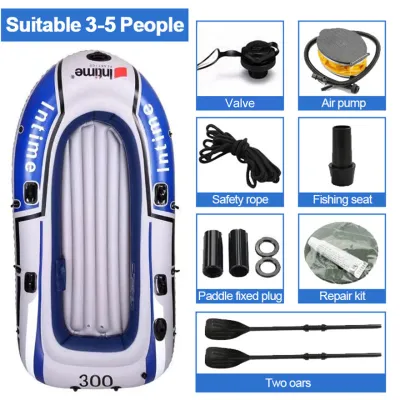
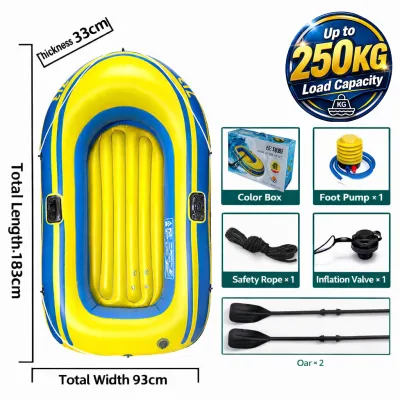
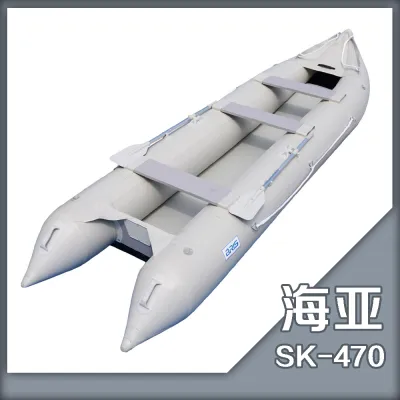
Prices are valid at publication and may change. Please refer to the product page for the latest price.
Recreational kayaks are typically short and wide, offering excellent initial stability that makes them perfect for beginners on calm waters. Touring kayaks feature longer, narrower hulls designed to cut through water efficiently, allowing you to cover long distances with less physical effort. Fishing kayaks prioritize maximum stability and weight capacity, often incorporating wide beams and rigid floors so you can stand securely while casting.
| Kayak Type | Primary Activity | Key Design Feature | Best Suited For |
|---|---|---|---|
| Recreational | Casual paddling, short trips | Short, wide hull, flat bottom | Calm lakes, slow-moving rivers, sheltered bays |
| Touring | Distance paddling, exploration | Long, narrow hull, tracking fins | Open lakes, coastal waters, multi-day trips |
| Fishing | Angling, gear-heavy trips | Wide beam, rigid drop-stitch floor | Rivers, lakes, sheltered coastal areas |
Choosing the wrong category can severely impact your experience. A short recreational kayak will struggle to maintain a straight line (known as tracking) in open water, forcing you to expend double the effort to stay on course. Conversely, a long touring kayak will feel cumbersome and difficult to maneuver in tight, winding waterways.
Recreational Paddling: Prioritizing Portability and Ease of Use
For casual weekend outings on calm lakes or sheltered tropical shorelines, a recreational inflatable kayak is the most practical choice. These user-friendly models prioritize portability and ease of use, making them highly accessible for beginners.

Recreational models typically feature a shorter length (under 11 feet) and a wider beam (34 inches or more). This flat-bottomed design provides exceptional initial stability, ensuring the kayak feels steady the moment you step in. The shorter length also makes the vessel highly responsive, allowing you to turn and maneuver with minimal effort.
When evaluating these models, look for features that simplify setup. High-quality Boston valves allow for rapid inflation, while basic adjustable seats clip securely into the floor. Ensure the packed dimensions fit easily into a standard car trunk or can be carried comfortably on public transit.
However, recreational kayaks have clear performance limitations. Lacking rigid structural elements, they do not glide efficiently over long distances and are easily pushed off course by crosswinds or mild currents. Their weight capacity is also limited, leaving little room for heavy gear beyond a small dry bag.
Touring and Expedition: Demanding Tracking and Speed
For exploring vast lakes, open coastlines, or embarking on multi-day trips, you need an inflatable kayak built for efficiency, speed, and straight-line tracking. Touring models are engineered to handle varied water conditions while minimizing the physical fatigue of long-distance paddling.
The hull of a touring kayak is longer (12 to 15 feet) and narrower than a recreational model. This streamlined shape reduces water resistance, allowing the kayak to glide further with each stroke. To prevent drifting sideways, touring models utilize integrated tracking fins (skegs) and pronounced underwater hulls. Many high-performance models feature drop-stitch floors that inflate to high pressure (often 10 PSI or more), creating a rigid, V-shaped hull that mimics a traditional hard-shell kayak.
Storage capacity is critical for expedition paddling. Look for models with robust cargo areas, including bungee rigging and waterproof storage hatches. The manufacturer’s specified weight capacity must accommodate the paddler, safety gear, food, and water without compromising the kayak’s freeboard.
Before purchasing, always verify the manufacturer’s specified water condition ratings. Some touring kayaks are rated strictly for flat water, while others handle moderate chop or mild rapids. Matching these limits to your environment is essential for open-water safety.
Fishing: Maximizing Stability, Capacity, and Rigging
Anglers require a specialized platform that supports heavy gear, maintains stability during active movement, and accommodates customized accessories. A standard recreational kayak quickly becomes crowded and unstable when loaded with tackle boxes, rods, and coolers.
The primary requirement for a fishing kayak is exceptional secondary stability—the ability to remain steady when weight shifts during casting or reeling. To achieve this, fishing models feature wide pontoon-style side chambers and high-pressure drop-stitch floors. A rigid floor is particularly important because it provides a solid, flat surface that allows you to stand up securely while sight-casting.
Customization is key to a successful fishing setup. Look for kayaks equipped with built-in gear tracks, heavy-duty D-rings, and dedicated rod holders. Gear tracks allow you to slide and lock accessories like fish finders or GPS units into place without drilling into the kayak’s structure.
Because fishing gear is heavy, you must carefully verify the manufacturer’s maximum weight capacity. Calculate the combined weight of your body, tackle, coolers, and potential catch. Operating too close to the weight limit reduces the kayak’s freeboard, making it easier for water to splash over the sides.
Cross-Scenario Compatibility: Can One Inflatable Kayak Do It All?
For buyers on a budget or with limited storage space, purchasing multiple specialized kayaks is often impractical. This leads many to consider hybrid or multi-purpose inflatable kayaks. While these models promise versatility, they require clear trade-offs.
A hybrid inflatable kayak typically bridges the gap between recreation, touring, and fishing. These designs usually feature a moderate length (around 11 to 12 feet) and a medium width. While they offer decent stability and acceptable tracking on calm water, they do not excel in any single category. A hybrid will feel slower than a dedicated touring kayak on long trips, and it lacks the specialized rigging and extreme stability required for standing.
A hybrid model is an acceptable choice if your paddling activities are strictly casual and mixed. If you plan to spend most of your time paddling casually on calm lakes with occasional light fishing, a versatile hybrid will serve you well. However, avoid hybrids if your primary use involves open-water touring or serious angling where standing is required.
Essential Pre-Purchase Checks and Safety Limits
Before finalizing your purchase on any online marketplace or specialty outdoor store, you must perform several critical checks to ensure the kayak meets safety and durability standards. Material quality directly impacts longevity in harsh environments.
First, verify the manufacturer’s stated material specifications on the product label or official store page. Look for heavy-duty, puncture-resistant materials such as high-denier PVC, Nitrylon, or Hypalon. Check the warranty terms, as a longer warranty period indicates greater confidence in the seam construction.
Second, establish a strict pre-launch safety routine. Always inspect the kayak’s seams, valves, and hull for signs of wear or air leakage. Carry a reliable pump equipped with an integrated pressure gauge. Over-inflating can damage the seams, while under-inflating leads to sagging and reduced stability. Essential safety gear—including a properly fitted personal flotation device (PFD)—must accompany you on every trip.
Finally, consider environmental factors. In tropical regions like the Philippines, intense UV exposure and high humidity accelerate material degradation. To protect your investment, never leave the kayak fully inflated in direct sun on land, and ensure it is completely dry before folding to prevent mold.
Frequently Asked Questions (FAQ)
How long does it take to inflate and deflate an inflatable kayak?
Inflation typically takes 10 to 15 minutes using a standard double-action manual pump. An electric pump designed for inflatable boats can reduce this to under 10 minutes while eliminating physical fatigue. Deflation itself takes only a few minutes, but the overall pack-down process takes longer because you must thoroughly wipe down and dry the material to prevent mold growth during storage.
Are inflatable kayaks safe in rough water or strong currents?
Safety depends strictly on the kayak’s design, the manufacturer’s designated water class rating, and your paddling experience. Standard recreational models are not safe for rough coastal waters, high winds, or fast-moving currents. Specialized touring or whitewater-rated models are engineered with self-bailing valves and reinforced materials to handle active water. Never venture into challenging environments without verifying your kayak’s official ratings and completing proper safety training.

Community discussion
Share your experience or ask a question. Comments are reviewed before publication.