
Choosing the right Japanese volleyball depends on matching the ball’s panel construction, material durability, and weight to your specific playing environment and your current skill level. While Japanese engineering is known for aerodynamic precision and consistent touch, there is no single ball that suits every player. Instead, finding a suitable match requires verifying the ball’s specifications against your venue’s surface and your personal handling needs. By understanding the technical differences in panel design, cover materials, and bladder construction, you can select a ball that supports your performance and withstands the rigors of your local playing conditions.
Understanding Japanese Volleyball Construction and Standards
Japanese volleyball design is globally recognized for introducing advanced aerodynamics and material science to the sport. When evaluating these balls, the first feature to examine is the panel configuration. Traditional volleyballs utilize an 18-panel design, which provides a familiar, classic feel. However, modern Japanese-designed competitive balls often feature a reduced panel count, such as 12-panel or 8-panel configurations. These innovative layouts are engineered to create a more uniform surface area, which minimizes air resistance and supports a stable, predictable flight path when the ball is served or set.
Another critical design element is the surface texture of the panels. High-end Japanese-designed volleyballs frequently incorporate a dimpled surface, utilizing micro-dimple or double-dimple technology. Similar to the dimples on a golf ball, these tiny indentations control the airflow around the ball as it moves through the air. By creating a controlled boundary layer of air, the dimples reduce turbulence and prevent the unpredictable “knuckling” effect common with smooth-surfaced balls during float serves. This allows players to achieve greater accuracy and consistency in their serving and passing.
Products mentioned in this guide
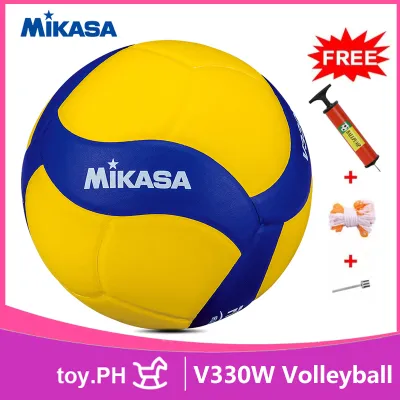
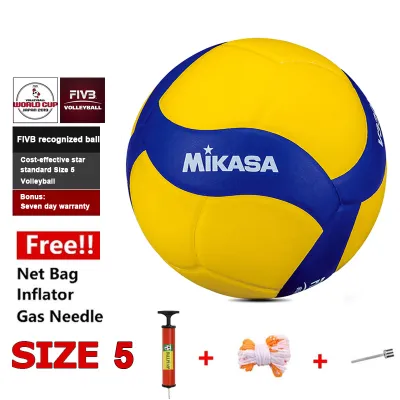
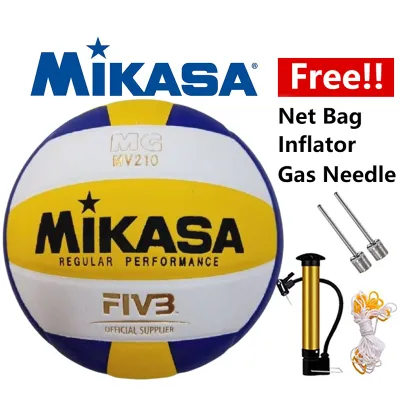
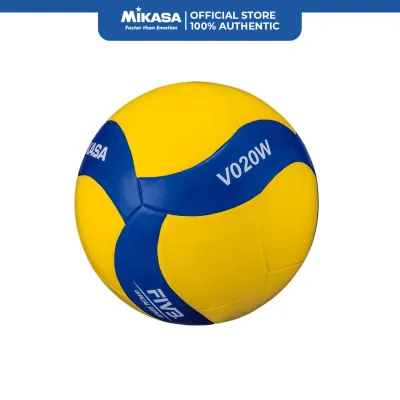
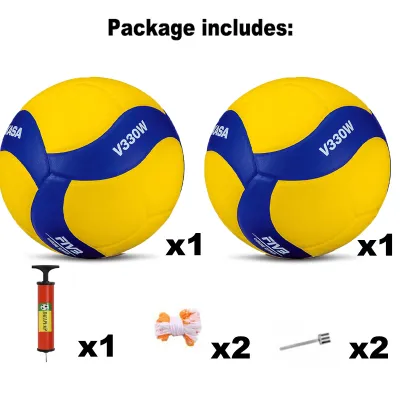
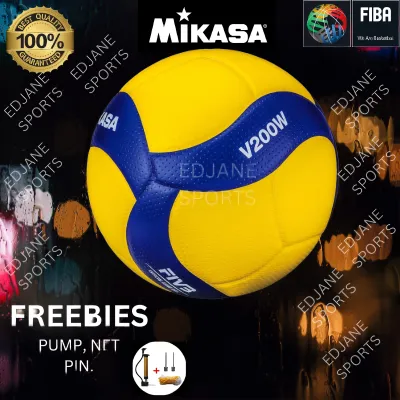
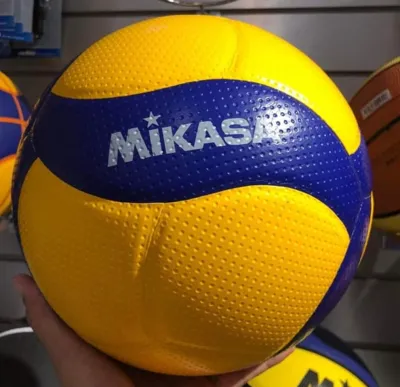
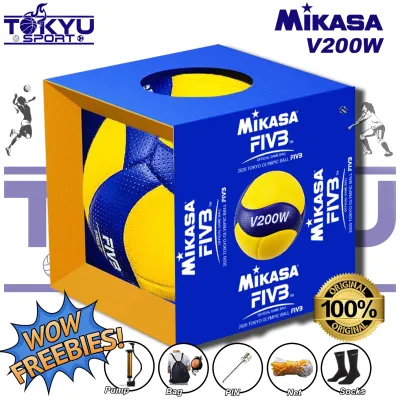
Prices are valid at publication and may change. Please refer to the product page for the latest price.
The choice of outer material is equally vital, as it directly impacts both grip and durability. Premium synthetic leather covers are the standard for indoor competitive play. These materials are engineered to mimic the soft feel of natural leather while offering moisture absorption and a consistent grip, even when players’ hands are sweaty. For outdoor or recreational use, manufacturers often utilize durable rubber compounds or thicker, reinforced synthetic materials. These rugged covers are designed to withstand rough surfaces without tearing, peeling, or losing their shape over time.
The internal bladder of the volleyball also plays a significant role in its performance and air retention. Most high-quality Japanese volleyballs use either a butyl rubber bladder or a natural latex bladder. Butyl bladders are valued for their air retention properties, as the dense molecular structure of butyl rubber prevents air from slowly seeping out, keeping the ball pressurized for longer periods. Latex bladders, on the other hand, offer a softer, responsive feel and a lively bounce, though they require more frequent inflation.
Before purchasing a volleyball for competitive use, you should always inspect the outer casing for official federation approval stamps. Look for logos from international governing bodies like the FIVB (Fédération Internationale de Volleyball) or local sports associations printed directly on the panels. These stamps serve as a guarantee that the ball meets strict weight, circumference, bounce, and pressure standards required for official tournament play. If you plan to participate in organized leagues, verifying these approval markers is an essential prerequisite.
Matching the Ball to Your Playing Environment
The surface you play on dictates the type of volleyball you need to ensure optimal performance and prevent premature wear. Indoor courts, typically made of polished wood or synthetic taraflex materials, require a ball that prioritizes grip, sweat management, and precise handling. Indoor volleyballs feature premium synthetic leather covers that are highly sensitive to touch. These covers are designed to absorb minimal moisture, preventing the ball from becoming slick during intense rallies and allowing setters and passers to maintain precise control.

Outdoor courts, such as concrete barangay courts or asphalt driveways, present a much harsher environment that will quickly destroy an indoor ball. The rough, abrasive surfaces of concrete will scuff, tear, and peel the delicate synthetic leather of an indoor model within a few sessions. For these settings, you should look for outdoor-specific volleyballs featuring reinforced rubber or heavy-duty synthetic covers. These balls are engineered with thicker outer layers and robust internal bladders designed to resist punctures, scrapes, and the intense heat radiating from outdoor court surfaces.
Beach volleyball demands an entirely different set of specifications due to the presence of sand, wind, and moisture. Beach volleyballs are slightly larger than indoor balls, with a circumference of 66 to 68 centimeters compared to the indoor standard of 65 to 67 centimeters. They are also played at a lower internal pressure, typically around 2.5 to 3.2 psi, compared to the 4.26 to 4.61 psi of indoor balls. This lower pressure, combined with a slightly heavier feel, helps the ball float better in windy coastal conditions and allows players to make controlled contact on uneven sand.
When selecting a beach volleyball, verify that the seams are either tightly stitched or sealed with water-resistant backing. This construction ensures the ball does not absorb water and become heavy when exposed to sweat, rain, or sea spray. Additionally, look for sand-repellent textures that allow you to easily wipe away debris between plays. A ball that absorbs water or traps sand between its panels will quickly become unbalanced, altering its flight path and making consistent play difficult.
Selecting the Right Weight and Feel for Your Skill Level
Your skill level and physical conditioning should directly influence the weight and firmness of the volleyball you choose. Beginners and youth players often struggle with the impact of a standard competitive ball, which can cause arm fatigue, bruising, and a reluctance to pass. For these players, soft-touch or lightweight training volleyballs are suitable. These balls often feature foam-backed covers or lightweight synthetic materials that cushion the impact during repetitive passing and serving drills, allowing beginners to focus on developing proper technique without discomfort.
As players transition to the intermediate level, developing consistent setting and passing techniques requires a ball with predictable handling and clear tactile feedback. Intermediate volleyballs offer a balanced weight distribution and a moderate level of firmness. This balance provides reliable feedback upon contact, helping players gauge their power and refine their control. At this stage, players should look for balls that offer a transition from the ultra-soft beginner models to the firmer, responsive feel of competitive equipment.
Competitive athletes require a ball that conforms strictly to standard weight and pressure specifications. These balls feature a firmer feel and a responsive bladder, which are essential for executing high-velocity jump serves and sharp, precise spikes. The firmer construction ensures that energy from the hand is transferred efficiently to the ball, resulting in faster flight speeds and sharper angles. However, mastering these balls requires excellent hand-eye coordination and developed arm strength to handle the rapid rebound and firm impact.
When evaluating a ball’s suitability, always check the manufacturer’s recommended inflation pressure, usually printed near the valve. Over-inflating a ball can make it feel excessively hard and difficult to control, while under-inflation will deaden the bounce and alter its flight path. Adjusting the pressure within the specified range allows you to fine-tune the ball’s responsiveness to match your skill level. Investing in a simple pocket pressure gauge and a reliable hand pump is recommended to keep your ball performing consistently.
Pre-Purchase Inspection and Maintenance Checklist
Before finalizing your purchase, whether at a local sporting goods store or through an online marketplace, performing a thorough physical inspection can save you from receiving a defective product. Begin by checking the valve mechanism for any signs of misalignment or debris. Apply a small amount of moisture to the valve to ensure there are no slow air leaks, and inspect the seams or panel bonds for any peeling edges, loose threads, or uneven gaps. A well-constructed ball should have properly aligned panels with no visible adhesive residue or frayed stitching.
Next, carefully read the manufacturer’s printed specifications on the ball’s surface. Confirm that the designated court type matches your intended playing environment and note the recommended inflation pressure range. This information is crucial for maintaining the ball’s structural integrity and ensuring it performs as designed. If you are purchasing a ball for a specific league or tournament, double-check that it carries the required federation approval stamps to avoid any eligibility issues on game day.
The tropical climate in the Philippines, characterized by high humidity and intense heat, requires specific maintenance routines to prevent material degradation. After playing, always wipe down synthetic leather volleyballs with a clean, dry microfiber cloth to remove sweat, dirt, and moisture. Leaving sweat on the surface can degrade the synthetic fibers and cause the panels to lose their grip or peel prematurely. For stubborn dirt, use a slightly damp cloth with mild soap, but avoid harsh chemical cleaners that can strip the protective coating.
Storage is equally important for preserving your volleyball’s lifespan in humid conditions. Store the ball in a cool, well-ventilated indoor space away from direct sunlight, as prolonged exposure to UV rays and high temperatures can warp the bladder and dry out the outer cover. Avoid leaving the ball in hot car trunks or outdoor storage bins where heat can build up rapidly. If you plan to store the ball for an extended period, slightly deflating it can relieve tension on the seams and bladder, extending its overall durability.
Frequently Asked Questions (FAQ)
How do I maintain a synthetic leather volleyball in humid weather?
To maintain a synthetic leather volleyball in humid conditions, wipe the surface with a slightly damp microfiber cloth after each session to remove sweat and dirt. Avoid using harsh chemical cleaners or detergents, as these can strip the protective coating from the synthetic leather. Always allow the ball to air-dry completely in a shaded, well-ventilated indoor area before storing it in a cool, dry equipment bag.
What is the difference between glued and stitched volleyball panels?
Glued panels are bonded directly to the inner carcass, creating a smooth, seamless surface that offers high water resistance and a consistent touch, making them suitable for indoor competitive play. Stitched panels, commonly found on beach and recreational outdoor volleyballs, offer traditional durability and flexibility, allowing the ball to absorb impacts on rougher surfaces. Always check the manufacturer’s specifications to ensure the panel construction matches your primary court type.

Community discussion
Share your experience or ask a question. Comments are reviewed before publication.