
Choosing the right jogging bag is a balancing act between carrying what you need and maintaining your natural running stride. In tropical climates where heat and high humidity are daily factors, carrying unnecessary weight can quickly lead to fatigue and heat stress. The ideal bag style depends heavily on your typical running distance, your hydration needs, and how much gear you must carry to stay safe and connected. For short runs under 5 kilometers, a minimal armband or slim waist belt keeps you light and unrestricted. As you scale up to 10-kilometer runs or half-marathons, a structured waist pack with hydration bottle sleeves balances weight and accessibility. For long-distance training and trail runs where self-sufficiency is critical, a full hydration vest distributes weight evenly across your torso and prevents chafing. Selecting the right gear ensures you stay hydrated and comfortable without compromising your running form.
Match the Bag Style to Your Typical Running Distance
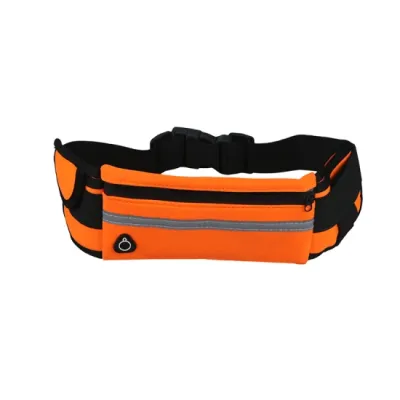
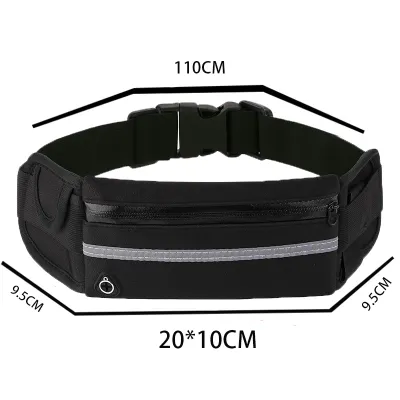
For short distances, such as a quick 5K or a track workout, your primary goal is to remain as light as possible. Carrying heavy gear in hot, humid weather increases your sweat rate and energy expenditure. An armband is an excellent, minimal option if you only need to carry a smartphone and a single house key. Alternatively, a slim, stretchy waist belt sits flat against your lower back, holding your essentials securely against your body without bouncing. These minimalist options are perfect for well-mapped urban routes where water stations or convenience stores are readily accessible.
When you transition to medium distances, such as 10K runs or half-marathon training, your storage requirements increase. You will likely need to carry energy gels, salt tablets, and small personal items like trail maps or card holders. A standard waist pack offers structured compartments to organize these items. Many medium-distance runners prefer waist packs with integrated, angled bottle holsters. Positioning the water bottle at an angle across your lower spine keeps the center of gravity low and minimizes the rotational pull that can disrupt your running gait.
Products mentioned in this guide
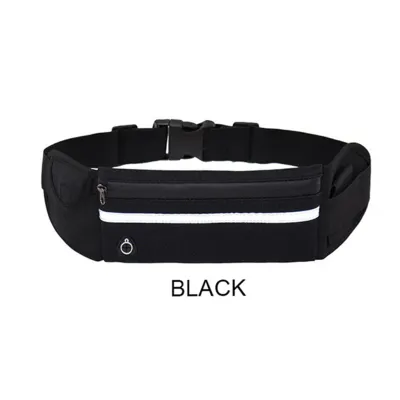
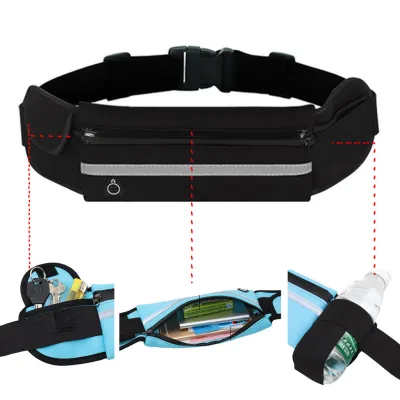
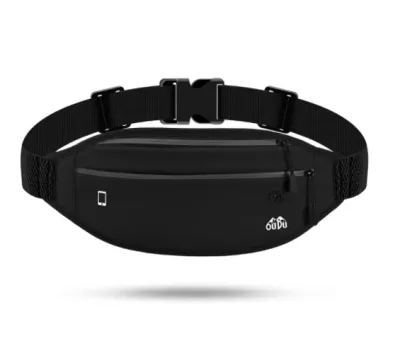
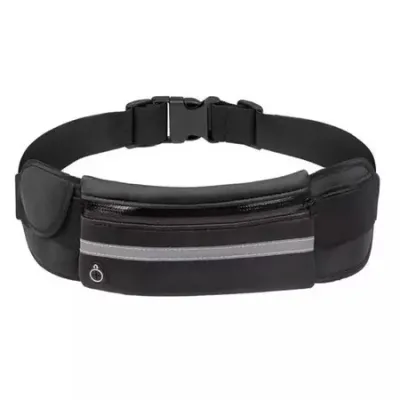
Prices are valid at publication and may change. Please refer to the product page for the latest price.
For long-distance road runs and rugged trail sessions, a hydration vest becomes an essential piece of equipment. Running for several hours in tropical conditions requires a substantial volume of water, which is too heavy and unstable to carry on your waist. A hydration vest fits snugly like a sleeveless shirt, distributing the weight of a water bladder and front-mounted flasks evenly across your chest and shoulders. This design prevents the painful bouncing associated with heavy waist packs on long runs. It also provides ample storage for safety gear, extra nutrition, and lightweight weather protection.
Align the Storage Capacity With Your Daily Routine
To choose the right jogging bag, you must first audit the gear you carry on a daily basis. Modern smartphones are increasingly large and heavy, requiring dedicated, secure compartments. Look for bags with zippered pockets made from stretchable mesh that hold your phone tightly against your body to prevent shifting. Internal key clips are highly valuable, as they prevent loose keys from scratching your phone screen or tearing through lightweight fabrics. If your routine involves consuming energy gels or chewables at specific intervals, prioritize bags with external, easy-access mesh pockets so you can refuel without stopping.

Local weather conditions and your personal sweat rate should dictate your bag’s hydration capacity. In highly humid environments, dehydration can set in rapidly, making integrated water storage a critical safety feature. If your running route lacks reliable clean water sources, choose a bag that accommodates either soft flasks or a dedicated hydration bladder. Additionally, heavy sweating can easily saturate standard fabrics. Check the manufacturer’s specifications for sweat-resistant linings or TPU-coated pockets to protect your electronic car keys, key fobs, and phone from moisture damage.
Your weekly running frequency also influences the level of durability you require from your gear. If you run daily, your jogging bag will require frequent washing to prevent salt buildup and unpleasant odors. Look for high-quality, machine-washable materials with reinforced stitching that can withstand regular laundering. For occasional weekend runners, a simpler, single-purpose waist pouch may be sufficient. Investing in a durable, multi-scenario design is highly recommended if you plan to transition from road running to trail running, as it saves you from purchasing multiple specialized bags.
Essential Fit and Material Checks Before Purchasing
A poorly fitting jogging bag can cause severe chafing and ruin an otherwise excellent run. Before making a purchase, measure your waist, hips, or chest circumference depending on the bag style you prefer. Compare these measurements against the manufacturer’s sizing charts rather than relying on standard clothing sizes. Look for wide, elasticized straps with secure tension locks. These allow you to adjust the fit on the fly as your water bottles empty and the overall weight of the bag decreases during your run.
Material quality is your primary defense against both sweat and sudden tropical downpours. Carefully inspect product labels and care tags for water-resistant ratings or specialized fabric coatings. While very few running bags are completely waterproof, a high-quality water-resistant barrier will protect your valuables during unexpected rain showers. Breathability is equally important; look for 3D spacer mesh on the contact panels to promote airflow and reduce heat buildup against your skin.
Safety should always be a priority, especially if you run during the early morning or late evening to avoid the intense midday heat. Confirm that the jogging bag features highly reflective elements on all sides. Some bags include dedicated attachment loops for clip-on LED safety lights, which are highly recommended for running along busy roads or poorly lit streets. Ensuring you are visible to motorists, cyclists, and other runners is a simple step that significantly reduces the risk of accidents.
Frequently Asked Questions (FAQ)
Can I use a standard waist pack for long-distance trail running?
While you can physically wear a standard waist pack on a trail, it is generally not recommended for extended off-road runs. Trail running involves constant changes in elevation, jumping over obstacles, and lateral movements that cause waist packs to bounce and shift aggressively. This movement can lead to severe chafing around your waist and hips over several hours. Additionally, waist packs have limited storage capacity, making it difficult to carry the mandatory safety gear, extra hydration, and first-aid supplies often required for remote trail environments. For long trail sessions, transitioning to a hydration vest provides better stability and safety.
How do I prevent my jogging bag from bouncing while running?
To minimize bouncing, start by adjusting the straps so the bag fits snugly against the narrowest part of your waist or high on your hips, depending on the bag’s design. When packing, place the heaviest items—such as your smartphone or water bottle—closest to your body’s center of gravity to reduce leverage and movement. Ensure the straps are tightened evenly on both sides to maintain balance. If the bag still bounces, check if the elastic straps have lost their tension over time, or consider upgrading to a model with a wider, compression-style waistband that distributes pressure more evenly.

Community discussion
Share your experience or ask a question. Comments are reviewed before publication.