
Choosing your first jump rope can feel overwhelming with so many options available, but the right choice for a beginner is a standard PVC rope or a lightly beaded rope. These options offer a practical balance of weight and feedback, allowing you to feel the rope as it rotates around your body. This tactile feedback is crucial for developing the timing, rhythm, and coordination needed to build a consistent jumping habit. Starting with the wrong equipment, such as an ultra-fast wire rope, often leads to frustration, frequent tripping, and painful mistakes.
In tropical climates like the Philippines, where humidity can make hands sweaty and outdoor surfaces are often rough concrete, selecting a rope with a reliable grip and a durable cord is especially important. By focusing on your current skill level and fitness goals, you can select a tool that supports your progress rather than hindering it.
Identify Your Fitness Goals to Pick the Right Rope Type
Your primary fitness goal dictates the type of jump rope that will serve you best during your initial training phase. If your main objective is general cardiovascular fitness, a standard PVC rope provides a steady, manageable pace that elevates your heart rate without requiring advanced coordination. For those focused on building muscular endurance and coordination, a lightly beaded rope offers slightly more air resistance, which slows down the rotation and gives you more time to react to each jump.
Products mentioned in this guide
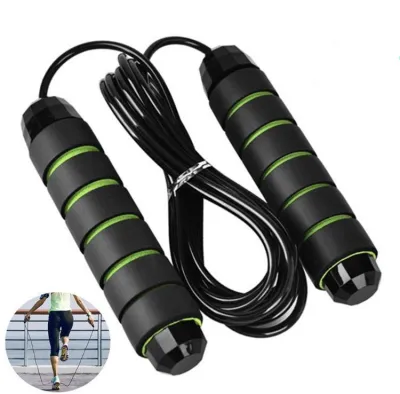
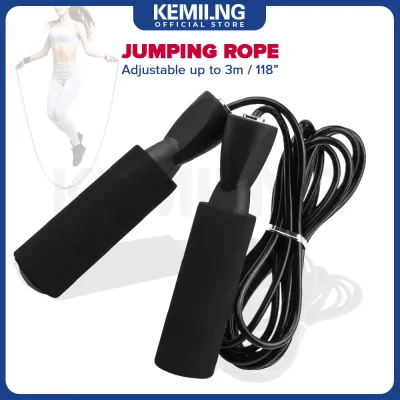
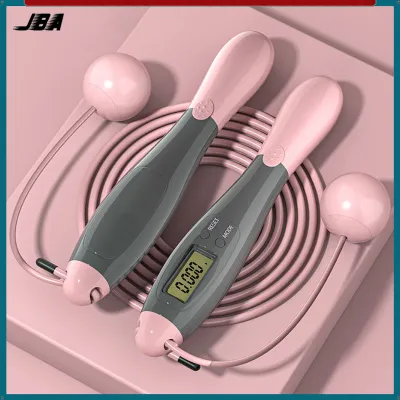
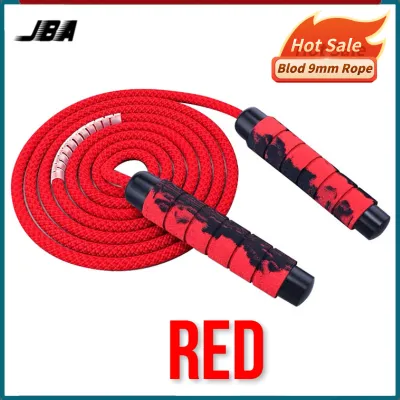
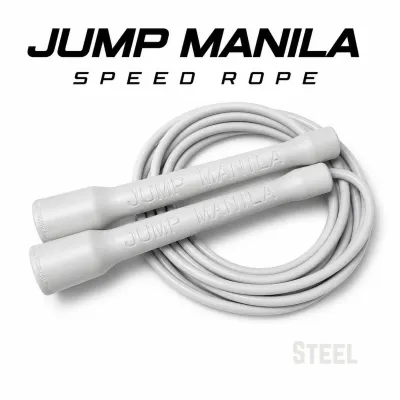
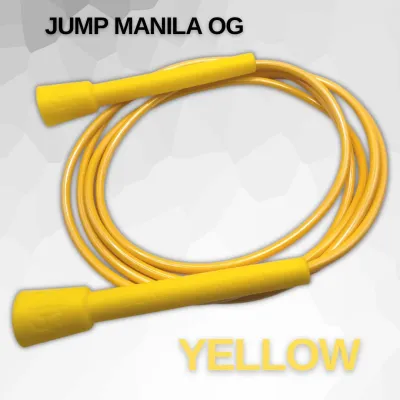
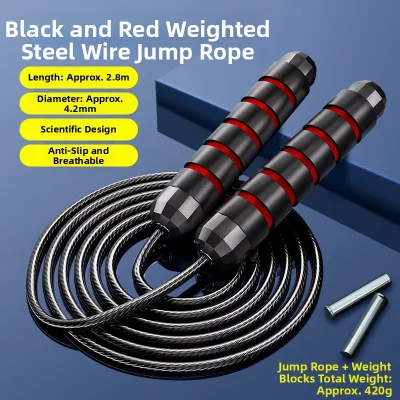
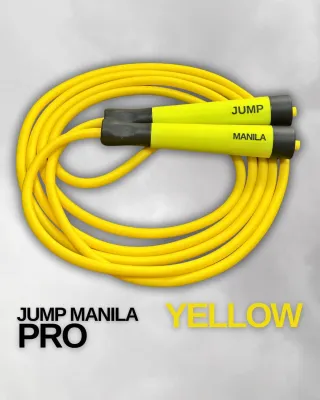
Prices are valid at publication and may change. Please refer to the product page for the latest price.
Learning basic footwork, such as the alternate-foot step or side straddles, requires a high level of spatial awareness. A PVC or beaded rope is highly forgiving because its weight allows you to track its position in the air through physical sensation rather than sight. This tactile feedback helps your brain map the relationship between your jumps and the rope’s movement, establishing a strong foundation of muscle memory.
As you master the basic bounce and can jump continuously for several minutes without tripping, your fitness goals may evolve. At that stage, you might consider transitioning to specialized ropes, such as lighter speed ropes for rapid double-unders or heavier weighted ropes for upper-body conditioning. However, attempting to use these specialized tools before establishing your basic rhythm can disrupt your learning curve and lead to early fatigue or injury.
Key Materials and Features to Look for in a Beginner Jump Rope
When evaluating jump ropes, the physical characteristics of the cord and handles determine how easy the rope is to control. Beginners should look for a cord thickness of approximately four to five millimeters, typically made of solid PVC. This thickness provides enough weight to cut through the air predictably while remaining flexible enough to maintain a smooth arc during rotation.

Handle design is another critical factor, particularly in warm, humid environments where sweat can compromise your hold. Look for ergonomic handles made of lightweight plastic or wood, ideally wrapped in a non-slip grip tape or featuring a textured surface. The handles should be long enough to fit comfortably in your palms without forcing you to grip too tightly, which can cause premature hand and forearm fatigue.
The rotation mechanism inside the handles also influences your jumping experience. For beginners, a simple swivel design or a basic ball-bearing system is ideal because it offers a smooth, consistent spin without accelerating the rope to uncontrollable speeds. A controlled rotation allows you to focus on your posture and footwork rather than constantly struggling to keep up with a hyper-responsive mechanism.
How to Measure and Adjust Your Jump Rope for Proper Form
A jump rope that is not properly sized will hinder your progress, regardless of its material or design. To find the correct length, perform the standard sizing test: stand flat-footed on the exact center of the cord with one foot, pull the handles straight up along the sides of your body, and check where the tips of the handles point. For beginners, the handles should reach your armpits or the top of your shoulders, providing enough clearance to accommodate minor timing errors.
Most modern beginner ropes feature adjustable collars or cut-to-fit mechanisms inside the handles. To adjust these, slide the plastic collar to your desired length, tighten the screw or clasp, and test the rope with a few gentle jumps before cutting any excess cord. It is wise to leave a few extra centimeters of cord inside the handle initially, allowing you to make minor adjustments as your posture and jumping form improve over time.
Paying attention to observable signs during your workouts will tell you if your rope length is incorrect. If the rope is too long, you will notice excessive ground slap in front of you, which slows down the rotation and causes frequent tripping. Conversely, if the rope is too short, you may find yourself hitting your head, clipping your feet, or unconsciously hunching your posture to make the rope clear your body.
Jump Rope Types Beginners Should Avoid
Steering clear of certain advanced rope designs will save you from unnecessary frustration and physical strain. Thin wire speed ropes, while popular in competitive fitness circles, are highly unsuitable for beginners. Their lightweight design provides almost no tactile feedback, making it incredibly difficult to feel where the rope is in space, and the thin metal wire can cause painful welts when it strikes bare skin.
Heavily weighted ropes, particularly those where the weight is distributed throughout the cord rather than the handles, should also be avoided initially. Jumping with heavy resistance before your wrists, elbows, shoulders, and lower-body joints are conditioned can lead to joint strain and poor jumping mechanics. It is essential to build a foundation of joint strength and proper form using a standard rope before adding significant resistance.
Finally, avoid non-adjustable, fixed-length ropes unless you are absolutely certain the pre-cut length matches your height perfectly. Fixed-length ropes limit your ability to fine-tune the sizing as your technique becomes more efficient, and they prevent other family members or workout partners from sharing the equipment. Investing in an adjustable option ensures the rope can adapt to your evolving physical needs.
Frequently Asked Questions (FAQ)
How long should a beginner jump rope per session?
Beginners should start with short, structured intervals rather than attempting to jump continuously for long periods. A practical starting point is ten to fifteen minutes of total workout time, broken down into intervals of twenty to thirty seconds of jumping followed by thirty to sixty seconds of rest. This interval structure allows your cardiovascular system and lower-body muscles to adapt to the high-impact nature of the exercise without overtraining.
During your first few weeks, prioritize form, rhythm, and consistency over total duration, speed, or estimated calorie burn. Focus on keeping your jumps low to the ground, landing softly on the balls of your feet, and keeping your elbows tucked close to your ribs. Stop the session immediately if you experience observable signs of distress, such as sharp shin pain, severe calf tightness, or a deteriorating posture that forces you to bend forward at the waist.
Can I use a jump rope on concrete surfaces?
While jumping on concrete driveways, outdoor basketball courts, or asphalt roads is common, these hard surfaces accelerate the wear and tear on your jump rope cord. The abrasive texture of concrete can quickly shred PVC and plastic coatings, leading to exposed inner wires or snapped cords. Additionally, concrete provides zero shock absorption, which significantly increases the impact stress on your ankles, knees, and lower back.
To protect both your equipment and your joints, look for alternative jumping surfaces such as rubber gym mats, interlocking foam tiles, wooden floors, or smooth indoor tiles. If you must jump outdoors on concrete, placing a portable utility mat or a dedicated jump rope mat underneath you will cushion your landings and extend the lifespan of your rope. Always check the manufacturer’s guidelines, as some ropes are specifically rated for indoor use only and will degrade rapidly on rough outdoor surfaces.

Community discussion
Share your experience or ask a question. Comments are reviewed before publication.