
Selecting your first martial arts uniform, specifically a kimono for men karate (commonly referred to as a karate gi), is a milestone for any beginner. The right uniform does more than just make you look the part; it directly impacts your movement, comfort, and overall performance in the dojo. For men starting their karate journey, navigating the options of weights, fabrics, and cuts can feel overwhelming. In tropical regions like the Philippines, where high humidity and warm temperatures are constant training partners, making the wrong choice can lead to a heavy, sweat-soaked uniform that restricts your movement and dampens your enthusiasm. To find the perfect balance, you must evaluate the fabric weight, material composition, and specific sizing cuts that suit your body type and training environment.
Choosing a gi requires understanding how different fabrics behave under physical stress and environmental conditions. A uniform that is too heavy will drain your energy during intense drills, while one that is too light might lack the durability to withstand regular pulling and stretching. By focusing on key selection criteria—such as material blends, weave types, and proper sizing standards—you can secure a uniform that supports your training, respects dojo etiquette, and offers excellent value for your investment.
Understand Karate Gi Weights and Materials
Fabric weight is one of the most critical decisions you will make when purchasing your first karate gi. Karate uniforms are categorized by the weight of the fabric per square yard, typically ranging from lightweight to heavyweight. For beginners, especially those training in warm and humid environments, lightweight options (typically 6 ounces to 8 ounces) are highly recommended. These uniforms are exceptionally breathable, easy to move in, and dry quickly after a sweaty training session. However, they do tend to wear out faster and lack the crisp, snapping sound that advanced practitioners prefer during high-speed techniques.
Products mentioned in this guide
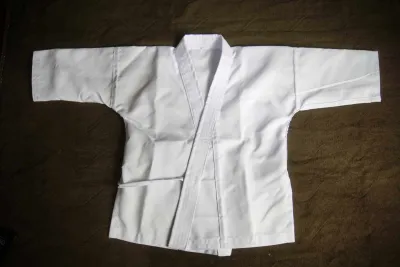
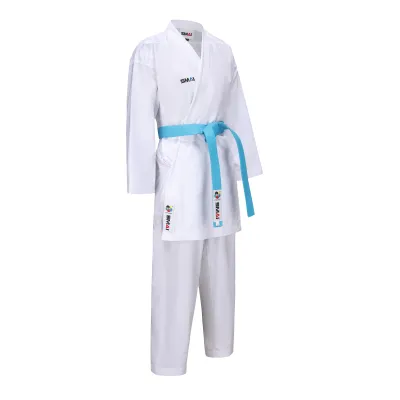
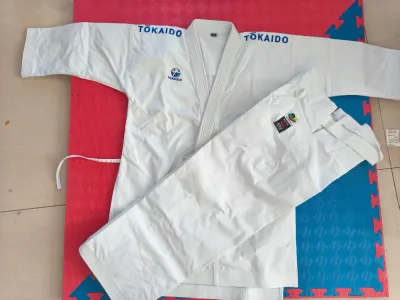
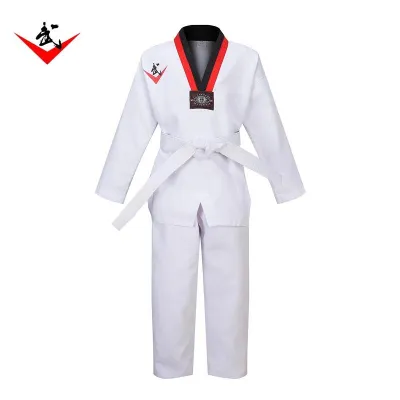
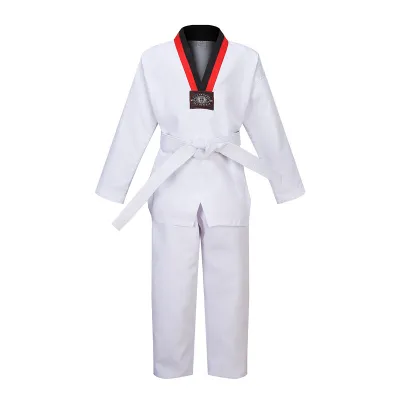
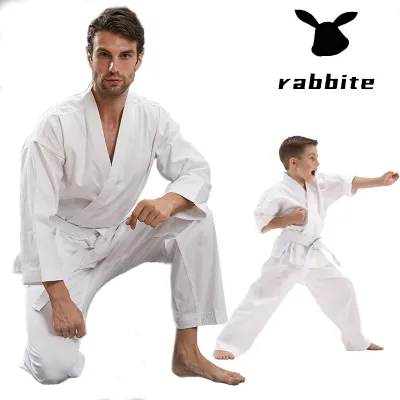
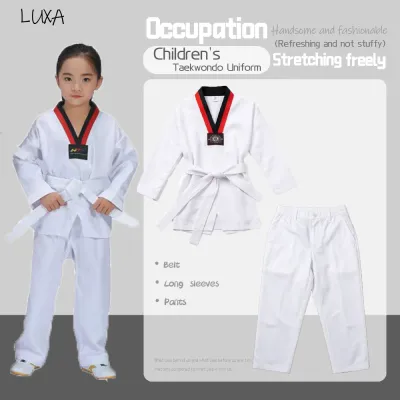
Prices are valid at publication and may change. Please refer to the product page for the latest price.
Middleweight uniforms (ranging from 10 ounces to 12 ounces) offer an excellent middle ground for dedicated beginners who plan to train multiple times a week. They provide a sturdier feel, improved durability, and a more structured appearance without trapping excessive body heat. Heavyweight gis (14 ounces and above) are constructed from thick canvas and are favored by advanced students and instructors for kata demonstrations. For a beginner, however, a heavyweight gi can feel incredibly stiff, restrictive, and uncomfortably hot, making it less suitable for initial training phases.
When evaluating materials, you will primarily choose between 100% cotton and cotton-polyester blends. Traditional 100% cotton gis offer natural breathability and feel soft against the skin, but they are highly prone to shrinking—often losing up to 10% of their size after the first few washes. They also wrinkle easily and retain moisture, which can make the uniform heavy and clingy during intense workouts. Poly-cotton blends (typically a 65% polyester and 35% cotton mix) are highly favored for modern beginner uniforms. These blends resist shrinking, dry much faster, wrinkle less, and offer superior tear resistance, making them highly practical for regular washing and tropical climates.
Before making a purchase, always perform a quick check of the product specifications and fabric tags. Look for labels that explicitly state the fabric weight in ounces and the exact material composition. If you are training in a traditional dojo, verify whether there are specific rules regarding fabric texture or weight, as some schools prefer a slightly structured look even for entry-level students. Checking these details beforehand prevents the frustration of buying a uniform that is either too flimsy for your dojo’s standards or too hot for your local climate.
Find the Right Fit and Sizing for Men
Finding the correct size for a men’s karate gi involves more than just matching your standard clothing size. Karate gis are typically sized using a numerical system (ranging from 000 for children up to 8 or 9 for very tall adults) or directly by height in centimeters. Because these uniforms are designed with a loose, boxy cut to allow a complete range of motion, you must look closely at how a brand’s sizing chart aligns with your physical proportions. If you have a broader chest, wider shoulders, or a heavier build, you will often need to size up to ensure the jacket wraps fully across your torso without pulling tight.

Proper sleeve and pant lengths are essential for both safety and traditional dojo etiquette. According to standard karate guidelines, the sleeves of your gi jacket should end approximately mid-forearm, exposing your wrists. This prevents your hands from getting tangled in excess fabric during blocks, punches, and grabbing drills. Similarly, the pants should sit comfortably above the ankle bone. Pants that are too long can easily slip under your heels, causing you to trip or slip during rapid footwork and deep stances.
When trying on a gi for the first time, do not simply stand still in front of a mirror. Perform a few basic movements to test the fit: drop into a deep squat, raise your arms fully above your head, and execute a front kick. The pants should not pinch or restrict your thighs or groin, and the jacket should not ride up excessively or pull tightly across your upper back. If you are ordering from an online store, take accurate measurements of your height, chest circumference, and waist, and compare them directly to the manufacturer’s specific size guide while keeping potential fabric shrinkage in mind.
Evaluate Weave Types and Jacket Construction
The weave of the fabric determines how the gi feels against your skin, how it drapes over your body, and how long it will last. Most beginner-level karate uniforms utilize a plain weave or a twill weave. Plain weave fabrics are smooth, lightweight, and highly flexible, making them comfortable for brand-new students who are still adjusting to the movements of martial arts. Twill weaves feature a diagonal rib pattern that adds structural strength and a slightly heavier texture without significantly increasing the overall weight of the garment.
Canvas weaves are reserved for high-end, heavyweight uniforms. While canvas is incredibly durable and produces a loud, satisfying snap during sharp movements, it is very stiff when new and requires a lengthy breaking-in period. For a beginner, sticking to a high-quality twill or plain weave ensures you remain comfortable and focused on learning techniques rather than fighting against stiff fabric.
Jacket construction and closure styles also play a role in daily comfort. Traditional karate jackets utilize a wrap-around design secured by fabric ties (strings) located on the inner and outer sides of the jacket. These ties keep the jacket securely closed during vigorous movement and sparring. Avoid jackets that rely on elastic bands or snap closures, as these are non-traditional and can easily fail or cause discomfort when pressure is applied to the torso. Additionally, look for reinforced stitching in high-stress areas such as the armpits, the side slits of the jacket, and the crotch gusset of the pants. Double or triple stitching in these zones prevents embarrassing tears during deep stretches and dynamic kicks.
Step-by-Step Guide to Selecting Your First Gi
To make your purchasing process as smooth as possible, follow this structured step-by-step workflow designed to help you find the ideal uniform without wasting time or money.
- Step 1: Confirm Dojo Requirements. Before browsing any online marketplaces or visiting sporting goods stores, speak directly with your sensei or dojo instructor. Ask about their specific uniform rules. While white is the universal standard for traditional karate, some dojos have strict rules regarding the placement of patches, embroidery, or even the specific weight of the gi allowed for beginners.
- Step 2: Take Accurate Measurements and Account for Shrinkage. Use a soft measuring tape to record your height, chest size, and waist. If you decide to purchase a 100% cotton gi that is not labeled as "pre-shrunk," buy one size larger than your current measurements suggest to accommodate the inevitable shrinkage that occurs during washing. For poly-cotton blends, you can safely buy the size that matches your current measurements.
- Step 3: Set Your Budget and Prioritize Material Blends. Determine how much you want to invest. For your very first gi, prioritizing a durable, easy-care poly-cotton blend is highly practical. It will withstand frequent washing, dry quickly in humid weather, and keep your initial costs reasonable while you decide if you want to commit to long-term training.
- Step 4: Review Seller Policies on E-Commerce Platforms. When purchasing your uniform online, carefully read customer reviews to see if other buyers report that the gi runs large or small. Always check the seller's return and exchange policies. Because finding the perfect fit can sometimes require trying on a couple of sizes, choosing a seller that offers hassle-free size exchanges will save you significant stress.
Basic Care and Maintenance for Your New Gi
Taking proper care of your karate gi ensures it remains clean, presentable, and durable for many months of training. Always wash your gi in cold water (30°C or below) using a mild laundry detergent. Hot water should be avoided, as it accelerates fabric shrinkage and can weaken the synthetic fibers in poly-cotton blends. Never use chlorine bleach to whiten your gi; while it may remove stains temporarily, bleach actively damages the cotton fibers, causing the fabric to thin, yellow, and tear prematurely.
When it comes to drying, avoid using a high-heat clothes dryer, which can warp the collar and cause severe shrinkage. Instead, hang your gi to air dry in a well-ventilated, shaded outdoor area or indoors under a ceiling fan. While the intense tropical sun can dry fabric quickly, direct sunlight can stiffen cotton fibers and cause white fabrics to turn yellow over time. Hanging the uniform in a breezy, shaded spot preserves the softness and color of the material.
Finally, establish a routine of checking your uniform for wear and tear after every few washes. Inspect the stitching along the seams of the trousers, the armpits, and the collar. If you notice loose threads or minor seam separations, repair them immediately with a needle and thread or take them to a local tailor. Addressing minor wear early prevents small tears from expanding into unfixable rips during active sparring sessions.
Frequently Asked Questions (FAQ)
Can I use a judo or taekwondo uniform for karate training?
No, you should avoid using judo or taekwondo uniforms for karate training because they are designed for entirely different physical demands. Judo gis are constructed from incredibly thick, heavy, double-weave fabrics with heavily reinforced collars designed to withstand intense pulling, gripping, and throwing. Wearing a judo gi to a karate class will quickly leave you overheated and restricted during fast striking drills.
Conversely, taekwondo uniforms (doboks) often feature a solid, v-neck pull-over design rather than a wrap-around jacket. Karate training requires a traditional open-front jacket with tie closures to facilitate proper form, chest expansion, and occasional grabbing techniques. Using the incorrect uniform can hinder your learning and may not be permitted by your dojo’s instructor.
How much should a beginner expect to spend on a quality karate gi?
For a reliable, entry-level student karate gi, beginners in the local market can expect to spend between ₱800 and ₱1,800. Uniforms in this price range are typically lightweight poly-cotton blends that offer excellent breathability, easy maintenance, and sufficient durability for those training one to two times a week.
If you decide to invest in an intermediate-grade gi made of heavier cotton or a premium brushed canvas, prices generally range from ₱2,500 to ₱5,000 or more. While these higher-end options offer a more traditional feel and a distinct snapping sound during techniques, a budget-friendly entry-level gi is more than adequate for your first year of training as you build your foundational skills.

Community discussion
Share your experience or ask a question. Comments are reviewed before publication.