
Choosing the right kayak paddle depends on matching your physical height, torso length, and the width of your kayak. A standard starting point for a paddler of average height (5’5″ to 5’11”) in a typical recreational kayak (26 to 30 inches wide) is a 220 cm to 230 cm paddle. However, matching your specific body geometry and boat design ensures you avoid physical strain and maximize every stroke’s efficiency.
In the tropical waters of the Philippines, where tidal currents and coastal winds can quickly change your paddling dynamics, an ill-fitting paddle can turn an enjoyable excursion into an exhausting ordeal. Taking the time to calculate your ideal dimensions and select the correct blade shape will keep you comfortable and efficient on the water.
Why Paddle Dimensions Dictate Your Comfort and Efficiency
Using a paddle that is too short forces you to lean forward and bend awkwardly with every stroke. This incorrect posture often leads to your knuckles banging against the kayak’s gunwales, scraping your hands, and creating a restricted, highly inefficient stroke arc that tires you out quickly.
Products mentioned in this guide
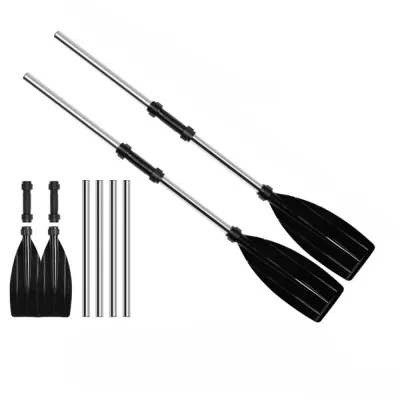
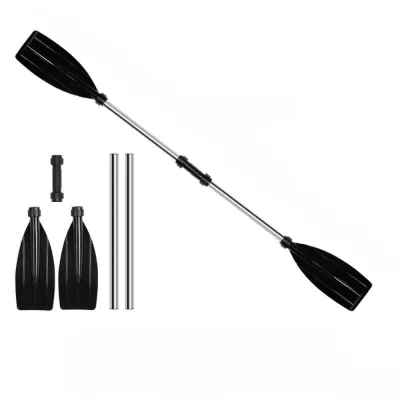
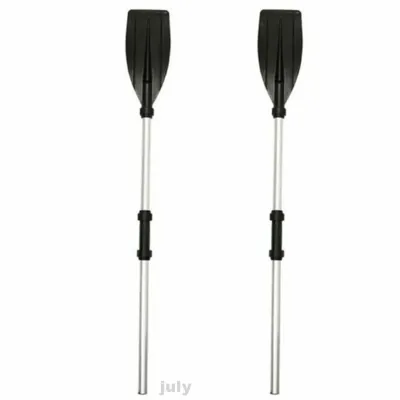
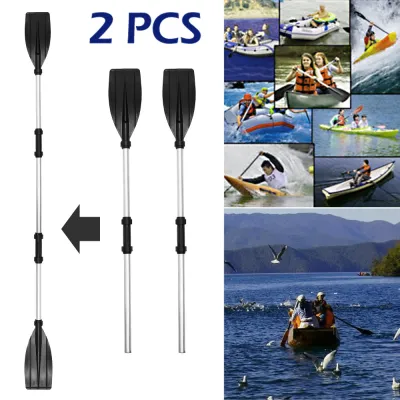
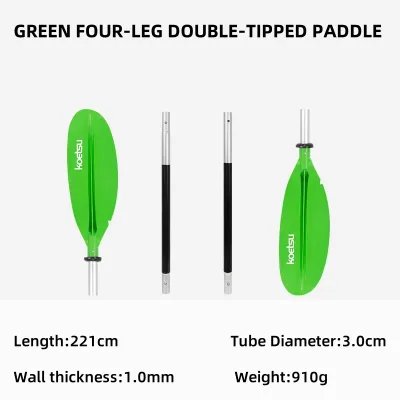
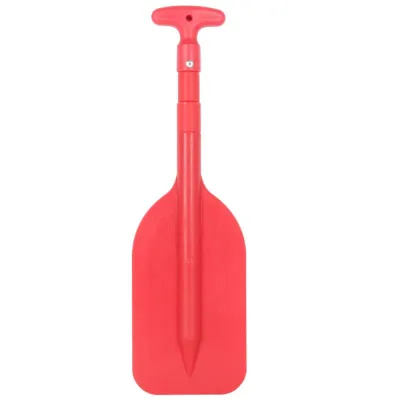
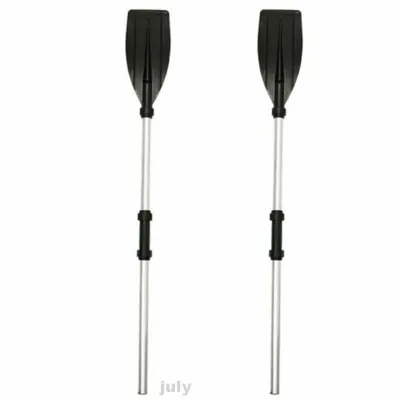
Prices are valid at publication and may change. Please refer to the product page for the latest price.
Conversely, a paddle that is too long introduces excessive swing weight and creates a flat, wide water entry angle. This wide angle causes the kayak to sweep from side to side rather than tracking straight, while putting unnecessary, repetitive strain on your shoulders and rotator cuffs.
The surface area of the blade also dictates water resistance, directly influencing how much energy is transferred from your body to the water. A larger blade catches more water and demands more muscle power, while a smaller blade moves through the water with less resistance but requires a higher stroke cadence to maintain speed.
How to Calculate Your Ideal Paddle Length
Finding the perfect fit requires looking at two primary physical variables: your body’s proportions and your kayak’s physical dimensions. Relying solely on your overall height can lead to an incorrect choice, as two people of the same height can have vastly different torso lengths.

Matching Paddle Length to Your Torso and Height
Torso length is a more accurate metric than total height for determining paddle length. Because you sit down while paddling, your sitting height determines how high your shoulders sit above the kayak’s deck, directly affecting your reach and stroke angle.
To measure your torso correctly, sit up straight on a flat floor with your back against a wall. Measure the distance from the floor between your sitting bones up to the prominent vertebra at the base of your neck, which is easily felt when you tilt your head forward.
Always cross-reference your torso measurement with specific manufacturer sizing charts, as sizing scales can vary slightly between brands. A paddler with a longer torso sitting in the same boat will generally require a slightly longer paddle shaft to maintain proper water clearance and stroke mechanics.
Adjusting for Kayak Width and Seat Height
The physical width of your kayak alters the distance your paddle must travel to reach the water. Wider recreational, fishing, or tandem kayaks require longer paddles to ensure the blade fully enters the water without the shaft constantly hitting the side of the boat.
Elevated seating positions, which are common in modern sit-on-top fishing kayaks, increase your distance to the water. Sitting higher up means you must use a longer shaft compared to sitting low in a sleek, narrow touring or sea kayak.
As a general rule of thumb, as kayak width or seat height increases, the baseline paddle length derived from torso size must be adjusted upward. For a typical kayak width increase of two to four inches, you should generally add about 10 centimeters to your paddle length.
Decoding Blade Shapes for Your Paddling Style
The shape of your paddle blade determines how it interacts with the water and how much power is generated with each stroke. Matching blade geometry to your intended paddling style is just as crucial as selecting the correct shaft length.
Long, Narrow Blades for Low-Angle Touring
A long, narrow blade profile reduces water resistance per stroke by distributing the surface area along a longer length. This design allows the blade to enter the water smoothly and slip out easily, minimizing joint and muscle fatigue over long distances.
This shape is the optimal choice for low-angle paddling styles, where the shaft remains relatively horizontal and the blade stays close to the water’s surface. This relaxed, sweeping motion is highly efficient and requires less physical effort to maintain a steady cruising speed.
Low-angle blades are highly suited for recreational touring, sea kayaking, and multi-day expeditions. If you plan to spend hours exploring calm bays or coastal reefs, this shape will help you conserve energy and avoid shoulder fatigue.
Short, Wide Blades for High-Angle Power
A short, wide blade profile provides immediate “bite” and maximum water displacement. The wider surface area catches a large volume of water instantly, delivering powerful, rapid acceleration and high torque when you need to move quickly.
This shape is the standard for high-angle paddling styles, where the shaft is held more vertically to drive the blade deep into the water close to the kayak’s hull. This style requires more physical effort but yields immediate speed, precise control, and better maneuverability.
High-angle blades are ideal for whitewater kayaking, surf kayaking, or navigating fast-moving currents and tight mangrove channels. They are also favored by kayak anglers who need to make quick, forceful maneuvers or hold their position against wind and tides.
Secondary Specs: Shaft Design and Feather Angles
When choosing a paddle, you must also decide between a straight shaft and a bent shaft. Straight shafts are the traditional, versatile standard, making them easier to roll, brace, and adjust your grip on. Bent shafts feature an ergonomic, angled section that keeps your wrists straight during the power phase, significantly reducing repetitive wrist strain.
The feather angle refers to the offset angle between the left and right blades. When one blade is fully submerged in the water, the other blade is slicing through the air. Choosing a higher feather angle reduces wind resistance on the recovery blade, which is incredibly helpful when paddling against strong coastal breezes.
Many modern paddles feature adjustable ferrules, which allow you to experiment with different feather angles or switch between feathered and unfeathered (0-degree) setups. This flexibility is highly beneficial if you frequently paddle in varying wind conditions or share your gear.
Practical Sizing Tests to Verify Your Choice
To perform the “hands-up” test, hold the paddle horizontally above your head with your elbows bent at 90-degree angles. Your hands should naturally rest in the correct grip zones on the shaft, roughly two-thirds of the distance between the center and the blades.
For the “clearance check,” sit in your actual kayak on dry land and simulate a full paddling stroke. Ensure the blade clears the gunwales easily and enters the imaginary water at the proper depth without forcing you to lean sideways or adopt an awkward posture.
Before finalizing your purchase, verify the retailer’s or manufacturer’s return and exchange policies. Subtle alignment issues often only become apparent during actual on-water testing, and having the option to exchange your paddle ensures you get the perfect fit.
Frequently Asked Questions (FAQ)
Is an adjustable-length paddle a good alternative to a fixed shaft?
Adjustable-length paddles offer excellent versatility, allowing you to fine-tune the shaft length to match different kayaks, seat heights, or changing water conditions. They are also ideal for families or shared gear setups where multiple paddlers use the same equipment. However, fixed-shaft paddles are generally lighter, stiffer, and offer more consistent power transfer without any risk of the ferrule slipping during heavy use.
How does paddle material influence my size and shape choice?
Paddle materials like aluminum, fiberglass, and carbon fiber primarily affect weight, shaft flex, and price rather than changing the physical dimensions required for your body. Heavier materials can make a long shaft or a wide blade feel incredibly fatiguing over long periods. If you choose a heavier entry-level paddle, opting for a slightly shorter shaft or a narrower blade can help manage physical strain and muscle fatigue.

Community discussion
Share your experience or ask a question. Comments are reviewed before publication.