
While a kickboard is a valuable tool for developing a child’s swimming technique, it is a training aid rather than a life-saving flotation device. It cannot replace active adult supervision, formal swimming instruction, or sound water safety judgment. Before introducing a kickboard, ensure your child has basic water comfort and understands how to safely hold and release the board. Finding the correct kickboard size is not about matching a strict age bracket; it requires balancing their height, weight, and current swimming ability to ensure they maintain a safe, horizontal body position in the water without straining their shoulders or restricting their natural kicking motion. This guide will help you interpret manufacturer specifications, assess your child’s needs, and verify the fit in the water to ensure a safe and effective practice session.
Understand How Kickboard Dimensions Affect Buoyancy and Control
A kickboard is primarily a tool designed to isolate the lower body, allowing a young swimmer to focus entirely on developing a strong, efficient kick. To achieve this, the board must have the correct volume, which is determined by its length, width, and thickness. The volume of the board directly dictates its buoyancy, or how much upward force it exerts when submerged. If the board’s volume matches your child’s weight, it will support their upper body comfortably, keeping their torso in a streamlined, horizontal position that mimics natural swimming posture.
When a kickboard is too large for a child, it creates significant ergonomic and mechanical problems. An oversized board forces a young swimmer to spread their arms too wide or reach too far forward, placing unnecessary stress on their developing shoulder joints. Additionally, a board that is too long can extend down toward the thighs, physically blocking the natural upward and downward sweep of the legs. This restriction forces the child to bend their knees excessively, leading to an inefficient “bicycle” kick that hinders their progress in the water.
Products mentioned in this guide
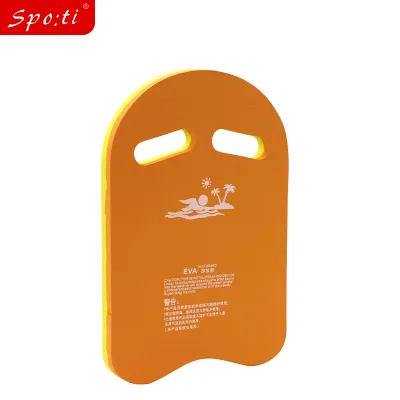
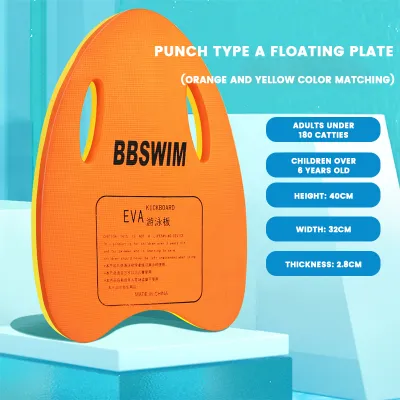
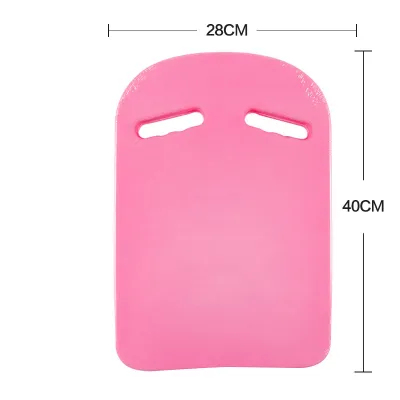
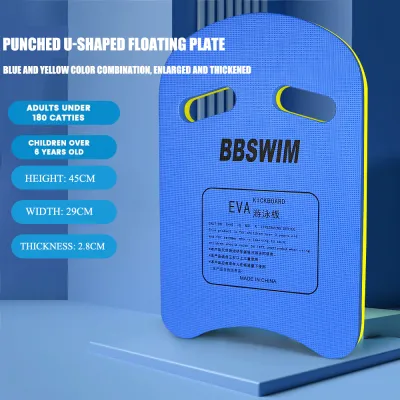
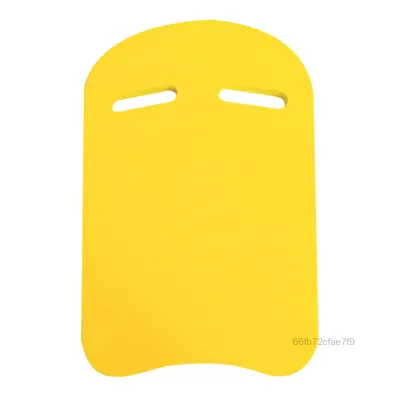
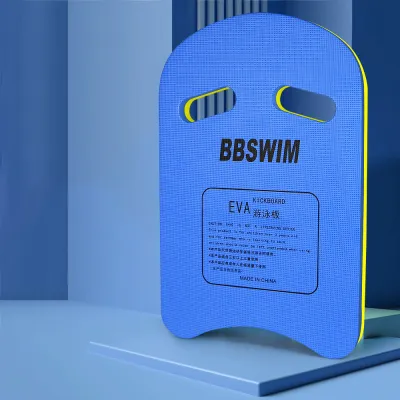
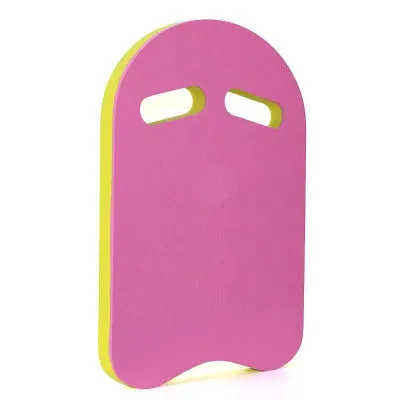

Prices are valid at publication and may change. Please refer to the product page for the latest price.
Conversely, an undersized kickboard presents a different set of challenges that can quickly discourage a learning swimmer. If the board lacks the necessary volume to support the child’s weight, it will sink under their upper body pressure. This causes the child’s chest to drop, which in turn forces their hips and legs to drag deep in the water. Swimming with a sunken lower body increases water resistance dramatically, making the exercise exhausting and preventing the child from learning how to maintain a flat, efficient body line.
Step-by-Step Guide to Matching Kickboard Size to Your Child
Finding a suitable kickboard involves looking beyond the colorful designs and focusing on the physical specifications of the gear. Before making a purchase at a local sports outlet or an online marketplace, where prices typically range from ₱250 to ₱800 depending on the material and brand, you need to evaluate how the board’s dimensions align with your child’s current physical profile. This process requires a systematic approach that combines objective measurements with an honest assessment of how comfortable your child is in deep water.

Rather than relying on a trial-and-error method at the pool, you can narrow down the options by analyzing the manufacturer’s design intentions. Every reputable swim gear brand designs its products with specific user profiles in mind, taking into account both physical size and developmental stages. By combining these manufacturer guidelines with your child’s actual swimming experience, you can select a tool that actively supports their learning journey rather than hindering it.
Check Manufacturer Height and Weight Guidelines
When browsing for swimming gear, you will often find age recommendations printed on the packaging, but these should only serve as a very loose starting point. Weight is a far more critical metric than age or height because buoyancy is directly counteracted by mass. A taller, lighter child will interact with a kickboard differently than a shorter, heavier child, meaning that matching the board’s volume to the child’s weight is a reliable way to ensure proper flotation.
To find the right fit, locate the product specifications on the tag or the manufacturer’s official product description. Look specifically for the maximum load capacity and the recommended user weight range, which are calculated to ensure the board floats at the intended level. Cross-reference your child’s current weight with these figures, aiming for a board where your child’s weight sits comfortably within the middle of the recommended range. If your child is near the upper limit of a small board, it is usually wiser to step up to the next size to ensure they receive adequate support during long practice sessions in the pool.
Assess the Child's Swimming Skill Level
A child’s swimming proficiency plays a major role in determining the amount of buoyancy they actually need from a kickboard. Beginners who are still acclimating to the water and building core strength require a larger, thicker board that offers maximum flotation. This extra support provides a stable platform that keeps their head and shoulders high above the water, reducing anxiety and allowing them to focus entirely on learning the basic flutter kick without fearing that they will sink.
As a child transitions to an intermediate or advanced level, their reliance on the kickboard should decrease. Stronger swimmers have developed the core strength necessary to keep their own hips high in the water, meaning they no longer require a highly buoyant board. For these children, a smaller, more streamlined kickboard is ideal because it allows them to maintain a more natural, lower body position. A smaller board also reduces water resistance, enabling advanced swimmers to practice high-tempo kicks and build endurance without over-elevating their chest and straining their lower back.
How to Test the Kickboard Fit in the Water
Once you have selected a kickboard based on specifications, the true test of its suitability happens during your child’s first session in the pool. Observing how your child interacts with the board in the water will provide immediate, visual feedback on whether the size is correct. Start by watching their body alignment from the side of the pool while they are actively kicking. Their hips and heels should remain close to the surface of the water, creating a relatively flat, horizontal line from their shoulders to their feet. If you notice their lower half drooping toward the bottom of the pool, the board may not be providing enough flotation, or it may be too small for their weight.
Next, pay close attention to the alignment of their arms and shoulders as they grip the board. Your child should be able to hold the top or sides of the kickboard with a relaxed, comfortable grip, keeping their elbows slightly bent and resting naturally on the surface of the water. If their arms are locked completely straight, or if their shoulders are shrugged up toward their ears, the board is likely too long or too wide. This forced posture can quickly lead to muscle fatigue and joint discomfort, especially during repetitive training laps in warm, humid outdoor pools where physical exertion is felt more intensely.
Finally, monitor the freedom of their leg movements to ensure the board does not interfere with their stroke mechanics. The bottom edge of the kickboard should not come into contact with your child’s chest or stomach when they are in motion. There should be ample space between the board and their hips to allow for a natural, fluid flutter kick that originates from the hips rather than the knees. If the board is so long that it bumps against their body or forces them to bend their knees excessively to avoid hitting it, the board is too large and should be replaced with a shorter model.
Common Fit Issues and When to Upgrade
Children grow rapidly, and their swimming skills can improve significantly over a single summer season. This means that a kickboard that fit perfectly a few months ago may quickly become unsuitable. One of the most common signs that your child has outgrown their kickboard is a noticeable change in their body position during practice. If you observe that their lower body is sinking despite active, powerful kicking, or if they are constantly struggling to keep their chin above the water, the board’s buoyancy is no longer sufficient to support their increased weight and height.
Another clear indicator that it is time to upgrade is when your child’s physical dimensions physically overwhelm the board. If their hands overlap the edges excessively, or if their elbows hang far past the bottom of the board, they require a larger model with a wider grip span. Conversely, if your child has developed excellent core strength and a powerful kick, they may outgrow the need for a bulky beginner board. In this case, transitioning to a smaller, more hydrodynamic training board will help them refine their technique and build the specific muscle groups needed for advanced competitive swimming.
Safety should always be your primary concern when evaluating swim gear. If your child complains of pain in their shoulders, neck, or lower back after a swimming session, stop using the current kickboard immediately. A board that forces the chin too high out of the water or strains the shoulder joints can lead to repetitive strain injuries. Regularly inspect the board for signs of wear, such as waterlogging, deep cracks, or crumbling foam, as these issues compromise both the buoyancy and the structural integrity of the gear, making it unsafe for continued use.
Frequently Asked Questions (FAQ)
Can my child use an adult kickboard if they are tall for their age?
Even if your child is tall for their age, using an adult-sized kickboard is generally not recommended. Adult boards are designed with a much wider grip span and a longer profile, which can force a child’s shoulders into an unnaturally wide and strained position. Furthermore, the high volume of an adult board provides excessive buoyancy for a child’s lighter body weight. This excess flotation pushes the child’s chest and head too high out of the water, arching their lower back excessively and disrupting their natural body alignment, which can lead to discomfort and poor stroke habits.
Does the shape of the kickboard matter as much as the size?
Yes, the shape of the kickboard plays a significant role in how well it fits and functions for a young swimmer. Standard rectangular boards offer stable buoyancy but can feel bulky for smaller children. Ergonomically contoured boards, which feature curved edges, built-in hand grips, or side cutouts, are often much easier for children to hold securely. These contoured designs accommodate smaller hands and shorter arms, reducing water resistance and allowing for a more comfortable, natural grip that helps children maintain control and build confidence in the water.

Community discussion
Share your experience or ask a question. Comments are reviewed before publication.