
Choosing the right kite for a child depends on matching the kite’s design, size, and control system to their physical strength, coordination, and developmental stage. A kite that is too large or complex can quickly lead to frustration, tangled lines, or safety hazards, while one that is too simple might fail to engage an older child. By selecting a kite tailored to their specific age group—ranging from lightweight, assembly-free parafoils for toddlers to responsive dual-line stunt kites for pre-teens—you can ensure a successful, safe, and highly enjoyable outdoor experience.
In the Philippines, where family outings to open parks, coastal beaches, and windy fields are common weekend activities, flying a kite is a fantastic way to encourage active outdoor play. However, tropical humidity, sudden wind shifts, and local terrain mean that choosing the correct material and design is just as important as matching the child’s age. Understanding how different kite shapes interact with the wind will help you make an informed decision that keeps your child excited and safe.
Understanding Basic Kite Types and Flight Mechanics
Before selecting a kite, it is essential to understand how different shapes and structures behave in the air. Single-line kites are the most common and user-friendly options for young flyers. These designs rely on a single control line and are engineered to self-stabilize in steady winds, making them ideal for beginners who are still developing their hand-eye coordination.
Products mentioned in this guide
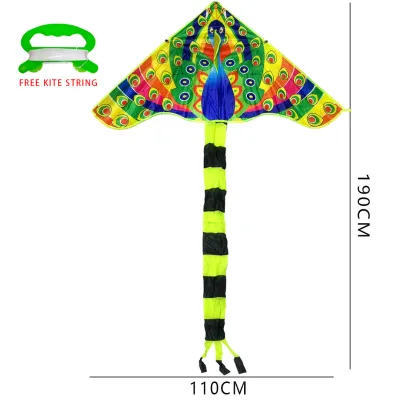
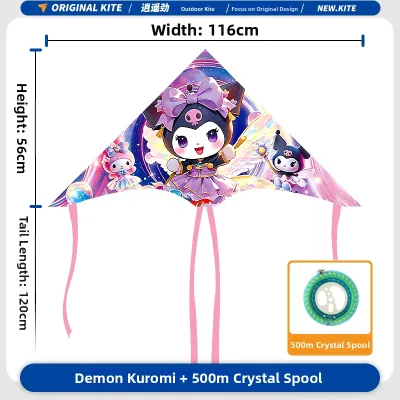
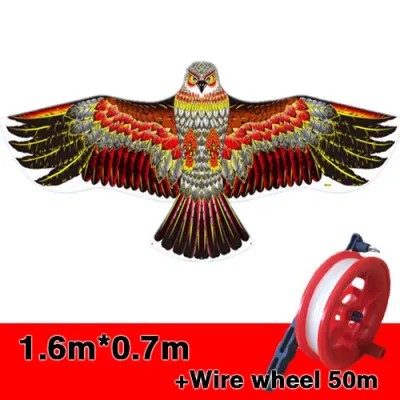
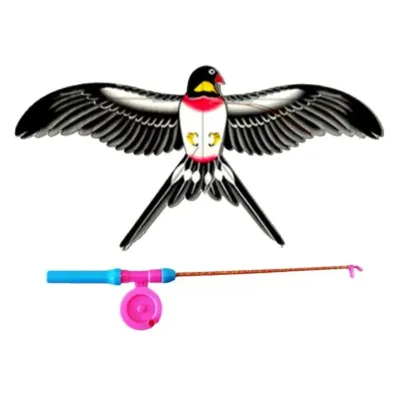

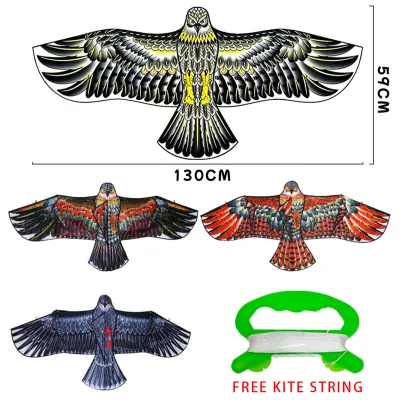
Prices are valid at publication and may change. Please refer to the product page for the latest price.
Among single-line designs, Delta kites feature a triangular shape with a wide wingspan that excels in light to moderate breezes. Their large surface area generates high lift, allowing them to launch easily with minimal effort. Diamond kites, the classic traditional shape, offer reliable stability but typically require a tail to maintain balance and prevent spinning in stronger gusts. Parafoil kites are completely soft, frameless designs that inflate with wind; because they have no rigid fiberglass or wooden spars to break, they are virtually indestructible during hard crashes and pack down into a tiny pouch for easy travel.
Dual-line stunt kites, by contrast, introduce a much higher level of complexity and physical demand. These kites feature two separate control lines, allowing the flyer to actively steer the kite left, right, perform loops, and execute aerial tricks. Because dual-line kites do not self-stabilize, they require constant active input, quicker reflexes, and greater physical strength to manage the increased line tension. They also have a much steeper learning curve, making them unsuitable for very young children who may become overwhelmed by the rapid movement and pull.
The flight stability and crash recovery of any kite are heavily influenced by its physical accessories. A tail adds drag to the rear of the kite, which helps keep the nose pointed upward and prevents erratic spinning in turbulent air. Frame flexibility determines how well a kite can bend and absorb sudden wind gusts without snapping, while adjustable bridle points allow you to change the angle at which the kite meets the wind. Checking these components on the manufacturer’s specification sheet ensures you select a model that can handle local wind conditions and recover gracefully from inevitable ground impacts.
Choosing a Kite for Toddlers and Preschoolers (Ages 2–5)
For toddlers and preschoolers between the ages of two and five, the primary goal of kite flying is simple, immediate fun without the frustration of complicated setups or heavy physical strain. Children in this age bracket are still developing their basic motor skills and have limited grip strength. Therefore, the best kites for this group are highly stable, lightweight, and require absolutely no assembly.

Frameless parafoil kites are the premier choice for toddlers and preschoolers. Because these kites lack rigid frames or spars, there are no pieces to assemble, lose, or break when the kite inevitably crashes onto the grass or sand. If a parafoil hits the ground, it simply deflates harmlessly and can be relaunched immediately. Look for small, lightweight single-line designs that come with pre-attached tails, which provide instant stability in the air right out of the packaging.
Handling the kite line must be as simple and safe as possible for tiny hands. Standard plastic spools can easily tangle or slip from a toddler’s grasp, so opt for easy-grip hoop spools or wide handles that allow a child to hold on with both hands. Keep the line length short—typically under 15 to 20 meters—to ensure the kite remains close enough for the child to watch easily without losing control. Soft, rounded edges on all plastic parts are essential to prevent minor scrapes or pinches during active play.
When planning an outing, always check the manufacturer’s specified minimum wind speed for the kite. Toddler-friendly kites are designed to fly in light, gentle breezes, which are common during pleasant afternoons in local parks. Attempting to fly a small, lightweight kite in strong, gusty winds will make it difficult for a young child to hold, as the line tension can quickly pull the spool out of their hands. A gentle breeze that rustles leaves is usually the ideal environment for these introductory flights.
Selecting a Kite for Early Elementary Kids (Ages 6–9)
As children enter early elementary school, their fine motor skills, patience, and mechanical understanding improve significantly. Kids aged six to nine are capable of participating in the assembly of their gear, which fosters a sense of ownership and pride in their flying achievements. For this age group, medium-sized Delta or Diamond kites offer an excellent balance of stable flight and interactive preparation.
Delta and Diamond kites for this age bracket usually require basic frame insertion, where the child slides fiberglass or carbon rods into dedicated pockets and connects the flying line to the bridle. This simple mechanical task helps children understand how the kite’s structure supports its flight. Look for models with durable, reinforced nose pockets and high-quality ripstop fabric, as these areas experience the most stress during assembly and landing.
This developmental stage is also the perfect time to transition to standard line lengths, typically ranging from 30 to 50 meters. Longer lines allow the kite to reach higher, steadier air currents above the ground turbulence. Some medium-sized kites feature adjustable tow points or bridles, which allow you to shift the connection point forward or backward depending on whether the wind is light or strong. Teaching your child how to make these minor adjustments helps them learn basic aerodynamic principles through hands-on experience.
Before heading out, verify the kite’s recommended wind range and structural durability. Early elementary kids will inevitably crash their kites as they learn to launch and steer. A sturdy frame made of solid fiberglass rods paired with a tear-resistant ripstop nylon sail will prevent the frustration of a broken spar ending the day early. Ensuring the kite is rated for the day’s wind conditions prevents the sail from flapping uncontrollably or diving sharply due to over-powering.
Picking a Kite for Older Kids and Pre-Teens (Ages 10+)
Older children and pre-teens aged ten and above possess the physical strength, coordination, and cognitive focus required to handle larger, more dynamic kites. At this stage, kids are often bored by simple, passive flyers and crave a more active, engaging experience. This is the ideal age to introduce large single-line parafoils or entry-level dual-line stunt kites.
Large parafoil kites or complex, high-aspect-ratio single-line kites generate significant lift and drag, requiring stronger physical control from the flyer. These kites perform exceptionally well in moderate to fresh winds, pulling steadily against the line and offering a satisfying physical connection to the air. Flying these larger models teaches older kids how to manage aerodynamic drag, monitor line tension, and use their body weight to maintain stability during stronger gusts.
For those seeking an active challenge, entry-level dual-line stunt kites provide an exciting introduction to steerable flight. With two lines attached to a control bar or dual handles, the flyer can actively direct the kite to perform loops, dives, and horizontal sweeps across the sky. This requires synchronized hand movements—pulling the left line to turn left, and the right line to turn right. Learning to recover from a dive before the kite hits the ground builds quick reflexes and spatial awareness.
Because larger kites and dual-line stunt kites generate substantially more pull, safety gear and high-quality accessories become critical. Always check the manufacturer’s recommended line strength (measured in pounds or kilograms) to ensure the flying lines can handle the tension without snapping. Ergonomic handles or padded straps help distribute the pull comfortably across the hands. For high-tension flying sessions, wearing lightweight, form-fitting protective gloves is highly recommended to prevent friction burns or blisters if the line slips quickly through the fingers.
Essential Safety Rules and Flying Conditions to Check
Regardless of your child’s age or the type of kite you choose, safety must always remain the top priority during any outdoor flying session. Establishing clear, non-negotiable safety boundaries before launching ensures that a fun family day does not turn into a hazardous situation.
First, always identify and select a safe, wide-open flying zone. The ideal location is a large park, a wide beach, or an open sports field completely free of overhead obstructions. You must strictly avoid flying kites near power lines, electrical substations, busy roads, airports, or densely wooded areas. If a kite ever becomes tangled in a power line or tree near electrical infrastructure, instruct your child to let go of the line immediately and contact local utility professionals; never attempt to retrieve a trapped kite yourself.
Second, perform a thorough weather check before leaving the house. In tropical climates, weather conditions can shift rapidly, bringing sudden rain showers or thunderstorms. It is an absolute, non-negotiable rule to never fly a kite during a thunderstorm or when lightning is present, as wet kite lines can act as conductors for electricity. Additionally, assess the wind speed against your kite’s structural limits; sudden, violent wind gusts can damage the kite’s frame or pull the line violently out of a child’s hands.
Finally, practice proper line safety to protect both your family and other park visitors. Avoid using cheap, abrasive cotton lines or glass-coated strings, as these can cause severe friction burns to hands and easily cut through other lines. Keep a safe, respectful distance from other people, pets, and fellow kite flyers to prevent dangerous tangles or accidental collisions. Ensure your child knows how to slowly wind the line back onto the spool rather than letting it pile up on the ground, which creates a tripping hazard for passersby.
Frequently Asked Questions (FAQ)
What wind conditions are generally needed to fly a beginner kite?
To fly a beginner single-line kite successfully, you generally need a steady breeze ranging from 6 to 15 miles per hour (approximately 10 to 24 kilometers per hour). You can easily assess the wind without specialized equipment by observing your surroundings: look for leaves rustling consistently, small twigs moving on trees, or flags extending steadily from their poles. If you feel a gentle, continuous breeze on your face, conditions are likely ideal. Always verify the specific wind range printed on your kite’s packaging or instruction manual, as larger or heavier designs may require stronger winds to launch and stay aloft.
How do I fix a kite that keeps spinning in circles or diving?
If your kite keeps spinning or diving uncontrollably, first land it safely and check for symmetrical assembly. Ensure that the fiberglass frame rods are fully inserted into their pockets and that the cross-spars are symmetrically centered. Next, inspect the flying line and bridle to ensure they are not tangled, twisted, or caught on the frame. If the kite has a tail, verify that it is fully extended, untangled, and centered; adding a longer tail or a small weight to the existing tail can often cure spinning by adding stabilizing drag. If the issue persists, consult the manufacturer’s troubleshooting guide to adjust the bridle tow point slightly forward, which reduces the kite’s angle of attack in strong winds.

Community discussion
Share your experience or ask a question. Comments are reviewed before publication.