
Setting up a home boxing corner is an excellent way to build cardiovascular endurance and sharpen reflexes. However, hitting a heavy bag or practicing combinations requires proper physical preparation, starting with your hands. Hand wraps serve as the essential protective barrier that stabilizes the small bones in your hands and secures your wrists during impact. Choosing the right length and material ensures you can train consistently without discomfort.
In the tropical climate of the Philippines, where high humidity affects how gear dries, selecting the right hand wraps is even more critical. The decision primarily comes down to matching the wrap specifications to your hand size, wrapping experience, and home gym equipment. By understanding how different lengths and materials function, you can select a standard two-piece set that keeps your hands protected and your gear hygienic.
Decoding Hand Wrap Lengths: 2.5m vs 4.5m
Hand wraps generally come in two primary lengths: standard 2.5-meter and extra-long 4.5-meter options. Choosing between them is a calculation of your physical hand size and the wrapping technique you intend to use.
Products mentioned in this guide
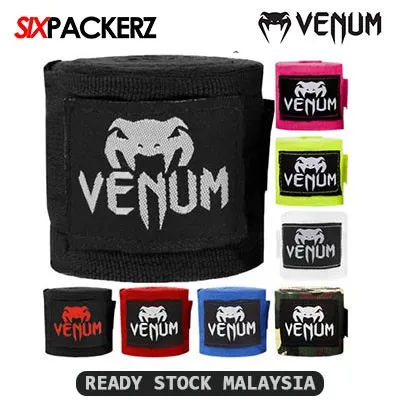
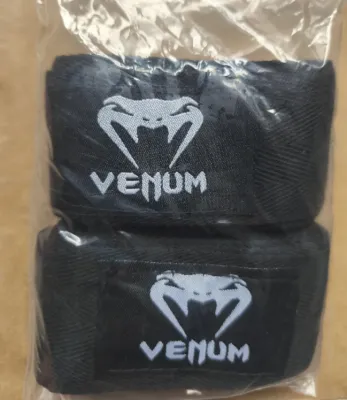
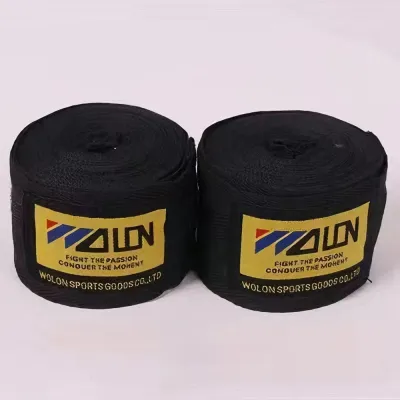
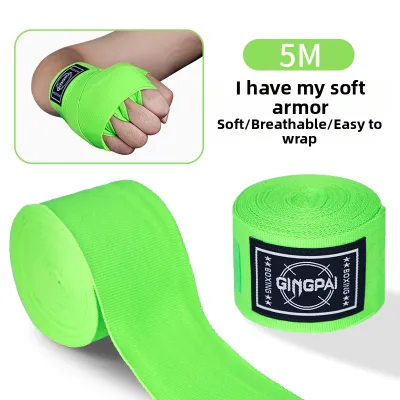
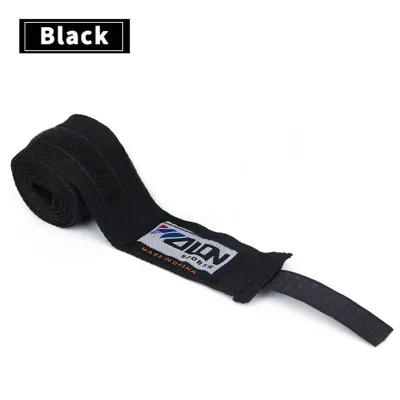
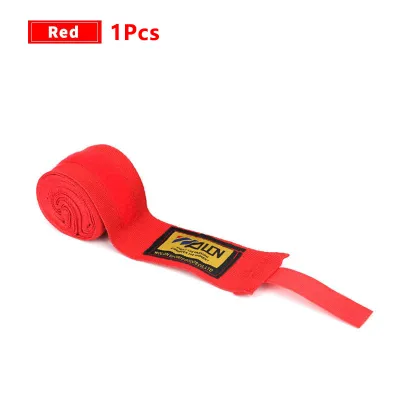
Prices are valid at publication and may change. Please refer to the product page for the latest price.
A 2.5-meter wrap is highly suitable for individuals with smaller to average-sized hands who prefer a quick, straightforward wrapping routine. This shorter length provides enough material to cover the knuckles and wrap around the wrist a few times, offering basic protection without creating excessive bulk. If you are using smaller bag gloves, a shorter wrap ensures your hand can still fit comfortably inside the glove pocket without restricting blood circulation.
Conversely, a 4.5-meter wrap is the standard choice for larger hands or for anyone practicing advanced wrapping techniques. The extra length allows you to make multiple supportive passes around the wrist, thumb, and individual knuckles, creating a highly secure, custom-molded layer of fabric. This length is particularly beneficial if you require extra knuckle padding or additional wrist stabilization for high-impact training sessions.
To estimate which length is right for you, measure your hand circumference across the knuckles. If your hand circumference is larger than 8 inches, or if you plan to use a traditional wrapping pattern that goes between every finger, the 4.5-meter length is generally necessary. For smaller hands or simpler wrist-and-knuckle patterns, the 2.5-meter option will prevent excess fabric from bunching up inside your gloves.
If you experience numbness, tingling, or restricted movement during your workout, stop immediately, unwrap your hands, and adjust the tension. Hand wraps are designed to support your joints, not restrict blood flow. Equipment cannot replace proper wrapping technique and careful self-monitoring.
Selecting the Right Material for Home Training
The material of your hand wraps directly impacts comfort and maintenance. Traditional 100% cotton wraps offer a classic, thick feel with excellent durability. Cotton is highly breathable and absorbs sweat effectively, making it reliable for regular home use. However, because cotton has no natural stretch, you must wrap carefully; wrapping too tightly can restrict blood flow, while wrapping too loosely can cause the fabric to slip.

Mexican-style wraps are made from a semi-elastic blend of cotton and synthetic fibers, offering a slight stretch that conforms easily to your hand. This flexibility allows the wrap to move naturally as you make a fist, providing a secure, custom-fit feel without slipping. While popular for comfort, semi-elastic wraps require careful washing and air-drying to prevent the elastic fibers from degrading over time.
Quick wraps or gel wraps are slip-on alternatives featuring a padded glove design with a short attached wrist strap. These are convenient for quick home sessions where you want to skip the wrapping process entirely. However, they do not offer the same level of customizable wrist stabilization or knuckle alignment as traditional cloth wraps. If you choose quick wraps, verify that they fit comfortably inside your training gloves without causing tight pressure points.
Matching Wrap Specs to Your Home Equipment
Your choice of hand wraps should align closely with the specific boxing equipment you have installed in your home training space. Different bags exert different levels of impact on your joints, requiring varying degrees of support and padding.
If your routine centers around a heavy bag, your hands will absorb significant, repetitive impact with every strike. For this setup, prioritizing a longer 4.5-meter wrap is highly recommended to maximize wrist stability and knuckle protection. The extra fabric helps absorb the shock of hitting a dense, heavy target, reducing the risk of wrist hyperextension. Always ensure your wraps are paired with properly weighted boxing gloves, as wraps alone cannot replace the impact absorption of a quality glove.
For speed bag and double-end bag training, the focus shifts from power to rhythm, timing, and hand speed. Because these bags are lightweight and offer minimal resistance, you do not need heavy knuckle padding. Opting for a standard 2.5-meter wrap or a lighter semi-elastic material keeps your hands feeling light and agile, allowing you to maintain a quick tempo without unnecessary bulk.
If your home workout consists primarily of shadow boxing or light technique drills, your joints are not subjected to external impact. In these scenarios, you might choose to wear minimal wraps or quick wraps simply to keep your hands warm and simulate the feel of wearing gear. This helps build muscle memory and shoulder endurance without the need for a full, time-consuming wrapping routine.
Remember that protective gear cannot replace proper striking technique. If you are new to boxing, focus on controlled, light strikes before increasing power to prevent wrist injuries.
Evaluating a 2-Piece Hand Wrap Set Before Purchase
When shopping for a standard two-piece hand wrap set, taking a few moments to inspect the construction details can save you from premature wear and tear. Start by checking the structural integrity of the thumb loop. The stitching where the loop meets the main band should be reinforced, as this area experiences significant tension every time you begin wrapping your hand.
Next, examine the edge stitching along the entire length of the wraps. Look for clean, overlocked stitches that prevent the fabric from fraying, especially since hand wraps undergo frequent machine washing. The Velcro closure at the end of the wrap should also be assessed; a wider, high-quality hook-and-loop tab ensures the wrap remains securely fastened during intense movement and does not peel away mid-workout.
Finally, always review the manufacturer’s care labels for specific washing instructions. In humid environments, wraps must be washed regularly to maintain hygiene, so choosing a set that can withstand frequent laundering without losing its shape or elasticity is essential for long-term home use.
Frequently Asked Questions (FAQ)
Do I need to wash my hand wraps after every home session?
Yes, washing your hand wraps after every intense home session is highly recommended to maintain hygiene and fabric integrity. Sweat, oils, and bacteria accumulate quickly in the fabric during a workout, which can lead to unpleasant odors, skin irritation, and the rapid degradation of the material. To preserve the elasticity of semi-elastic wraps, place them in a mesh laundry bag, wash them on a gentle cycle, and hang them to air-dry out of direct, harsh sunlight.
Are quick wraps safe for heavy bag training at home?
Quick wraps are generally not recommended as a primary option for heavy bag training because they lack the customizable wrist stabilization provided by traditional wraps. While they offer convenient knuckle padding, they cannot be adjusted to lock the wrist joint securely against high-impact forces. If you prefer quick wraps for convenience, limit their use to light bag work or shadow boxing, and ensure your training gloves provide robust built-in wrist support.

Community discussion
Share your experience or ask a question. Comments are reviewed before publication.