
Selecting the correct life vest jacket for kids is a critical water safety decision that relies on precise weight and chest measurements rather than age. A properly fitted life vest keeps a child’s head above water and allows for safe movement, making it essential to verify the size, perform physical fit tests, and check for official safety certifications before any water activity. In tropical environments like the Philippines, where family outings frequently involve boat transfers, beach trips, and pool activities, a properly fitted life vest is the single most critical piece of safety gear you can provide. It must keep the child’s mouth and nose clear of the water while allowing comfortable movement under warm, humid conditions. However, parents must remember that safety equipment is never a substitute for active adult supervision, water safety training, or swimming skills. It is a supportive tool that must be checked, adjusted, and verified before every single use.
Understand Life Vest Types for Different Water Activities
Different water environments demand different levels of buoyancy and design features. For calm, supervised inland waters like resort swimming pools or quiet lakes, lightweight flotation aids or near-shore buoyant vests are often sufficient. These designs prioritize comfort and freedom of movement, helping children practice basic swimming strokes while keeping them afloat under close supervision. They are typically less bulky, making them easier for young children to wear for extended periods without feeling restricted.
For open coastal waters, rough seas, or activities like island-hopping tours on motorized outrigger boats, children require vests with higher buoyancy ratings. These offshore or near-shore life jackets are engineered to turn an unconscious wearer face-up in the water, providing essential head support when rescue times might be longer. The increased buoyancy and specialized collar design are crucial in unpredictable waves where water can easily splash over a child’s face.
Products mentioned in this guide
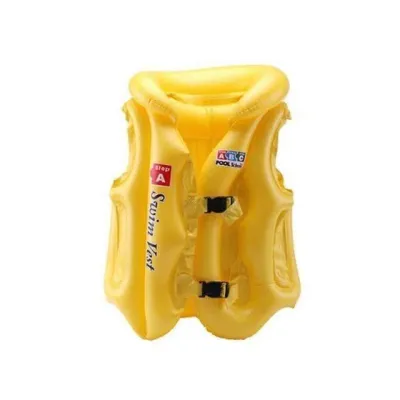
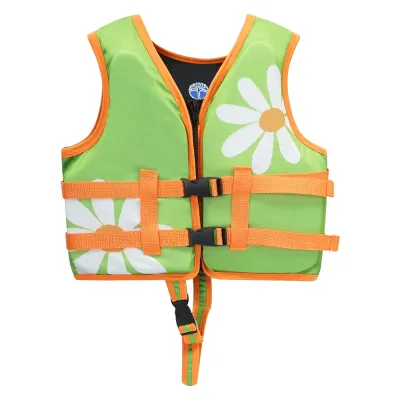
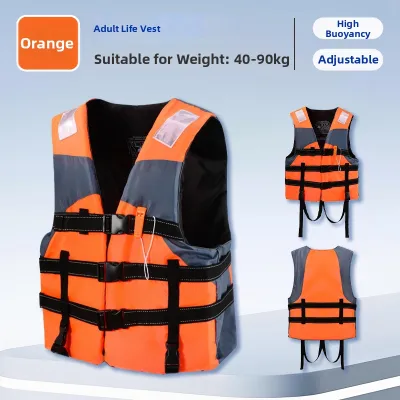
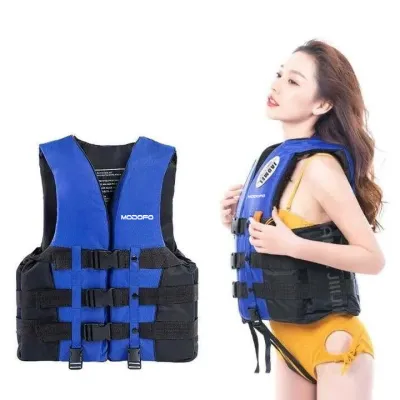
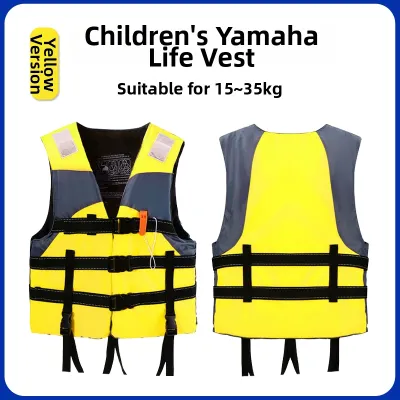
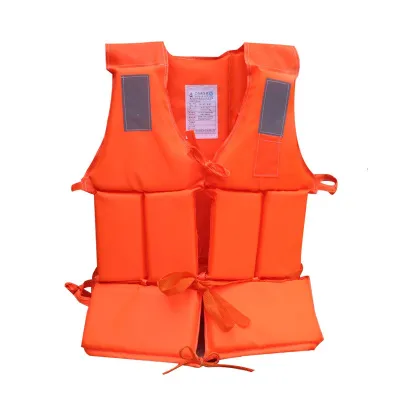
Prices are valid at publication and may change. Please refer to the product page for the latest price.
Always read the manufacturer’s label stitched inside the vest to verify its intended use. The label specifies whether the vest is designed for active water sports, calm-water recreation, or open-ocean safety, along with any specific activity limitations or weight boundaries. Never assume a vest designed for a calm pool will protect a child during a high-speed boat ride or in rough coastal currents.
Measure Your Child to Determine the Correct Size
Never buy a life vest jacket for kids based on their age or clothing size. Children of the same age can have vastly different body shapes, bone structures, and muscle densities, making age an unreliable and dangerous metric for water safety gear. Sizing must always be determined by weight first, followed closely by chest circumference. A vest that is sized incorrectly will not float properly and can easily fail in an emergency.

To measure your child’s chest size accurately, have them stand with their arms relaxed at their sides. Wrap a flexible measuring tape around the widest part of their chest, just under the armpits. Ensure the tape is snug but not tight, keeping it parallel to the ground to get an accurate reading. Write this measurement down along with their current weight, which should be verified on a reliable scale rather than estimated.
Once you have the weight and chest measurements, cross-reference these numbers with the specific manufacturer’s sizing chart. Sizing standards vary significantly between brands, so a “medium” from one manufacturer might fit differently than a “medium” from another. If your child’s measurements fall between two sizes, prioritize the size that matches their current weight to ensure the vest performs as intended. Never size up to accommodate future growth, as a loose vest is a major safety hazard.
Perform the Fit Check and the Lift Test
A life vest can only protect your child if it remains securely in place when they enter the water. To perform a fit check, loosen all straps, put the vest on the child, and zip up the front closure. Next, tighten every strap starting from the waist and moving upward to the shoulders, ensuring a snug but comfortable fit. The vest should feel secure against the body without causing discomfort or restricting deep breaths.
Once the straps are adjusted, conduct the “lift test” to verify the fit. Stand behind your child, grasp the shoulder straps of the vest firmly, and pull upward. If the vest slides up past the child’s chin, nose, or ears, it is too loose or too large, and you must either tighten the straps further or switch to a smaller size. A vest that rides up in this manner can trap the child’s head underwater or slip off entirely when they jump into a pool or fall from a boat.
Finally, observe your child’s mobility and comfort while they move around. Have them sit down, bend over, and swing their arms in a circular motion to ensure the vest does not pinch their skin or restrict their breathing. A vest that is too restrictive will discourage wear, while one that is too loose compromises safety in the water. If the child cannot sit comfortably without the vest pushing up into their chin, the torso length of the vest may be too long for their frame.
Verify Safety Certifications and Essential Features
Before purchasing any life vest jacket for kids, inspect the inner lining for official safety certification stamps. Legitimate life-saving devices carry approval markings from recognized maritime authorities, such as the Philippine Coast Guard, the United States Coast Guard (USCG), or international standards organizations like ISO. These certifications guarantee the vest has undergone rigorous testing for buoyancy, material strength, and inflation reliability. Avoid buying unbranded vests from online marketplaces that lack these clear, verifiable certification stamps.
For infants and toddlers, look for specialized safety features like a padded head support collar and a secure crotch strap. The head collar helps keep the child’s face out of the water, while the crotch strap prevents the vest from riding up or slipping off over the child’s head when they plunge into the water. These features are non-negotiable for non-swimmers and very young children who lack the motor skills to keep themselves upright.
High-visibility colors such as bright orange, yellow, or neon green are essential for keeping track of your child in crowded swimming areas or open water. Additionally, look for vests equipped with marine-grade reflective tape and an attached, pea-less safety whistle, which allows a child to signal for help even in noisy coastal environments. These small details can make a massive difference in visibility and rescue efficiency during an emergency.
Avoid Common Sizing Mistakes and Know When to Replace
One of the most dangerous mistakes parents make is buying a larger life vest with the intention of letting their child “grow into” it. An oversized vest will ride up instantly in the water, trapping the child’s head beneath the foam panels or allowing them to slip out of the vest entirely. Always buy a vest that fits perfectly today, not next season. Safety gear must match the child’s current physical dimensions to provide reliable protection.
Regularly inspect the physical condition of the life vest, especially when storing it in hot, humid tropical climates. Look for signs of degradation such as compressed or hardened flotation foam, torn fabric seams, faded outer shells from UV exposure, or cracked plastic buckles. If any component is damaged or if the foam has lost its resilience, replace the vest immediately. Mold and mildew can also weaken fabric fibers over time, so ensure the vest is thoroughly dried in a shaded, well-ventilated area after each use.
Children grow rapidly, so you must re-evaluate the fit and weight limits of their life vest before every swimming season or major trip. Keep a log of your child’s current weight and test the vest’s fit in a controlled, shallow pool environment before heading out to open beaches or deep-water excursions. If your child has exceeded the maximum weight limit listed on the manufacturer’s label, it is time to transition to the next size up.
Frequently Asked Questions (FAQ)
Are inflatable puddle jumpers considered safe life vests?
Inflatable puddle jumpers and similar swim aids are designed primarily for recreational pool use under direct supervision and do not replace certified life vests. They often lack the buoyancy, head support, and secure fastening systems required for open water, boating, or rough coastal conditions. For high-risk environments, always use a certified life vest jacket for kids that meets official maritime safety standards.
Can a child wear a life vest over a thick jacket?
No, children should never wear a life vest over thick, bulky, or compressible clothing. When submerged, the air trapped inside a thick jacket will compress under water pressure, creating a dangerous gap between the child’s body and the life vest. This gap allows the vest to ride up over the chin and face, rendering the safety device ineffective and increasing the risk of water inhalation. Stick to lightweight swimwear or rash guards under the vest.

Community discussion
Share your experience or ask a question. Comments are reviewed before publication.