
Selecting the right myofascial release (MFR) roller is a highly individual decision that depends on your current fitness level, muscle sensitivity, and recovery goals. To achieve effective tissue release without causing unnecessary pain or bruising, you must match the roller’s density, size, and surface texture to your body’s specific needs. Beginners generally benefit from soft, smooth, full-length rollers, while experienced individuals targeting deep, localized muscle knots require firmer, textured options.
Quick Answer: Finding Your Ideal MFR Roller
To find the most suitable MFR roller, consider your experience level and recovery objectives. Beginners, individuals recovering from injuries, or those with high pain sensitivity should start with a soft-density, smooth roller. This type provides gentle, even pressure across a broad surface area, allowing your nervous system to adapt to myofascial release without triggering defensive muscle guarding.
Intermediate fitness enthusiasts who perform regular workouts can transition to medium-density rollers. These offer a balance of firm support and moderate compression, making them highly versatile for daily maintenance. Advanced users, athletes, or those with dense muscle mass who require deep tissue work should opt for high-density or firm grid rollers, which maintain their shape under heavy loads to target deep-seated muscle adhesions.
Products mentioned in this guide
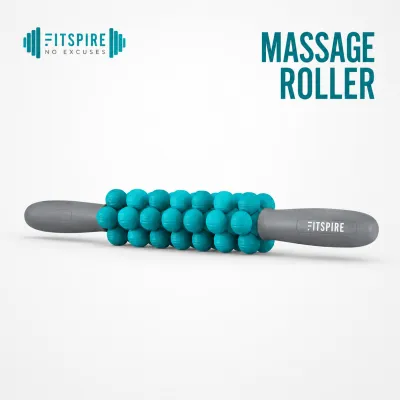
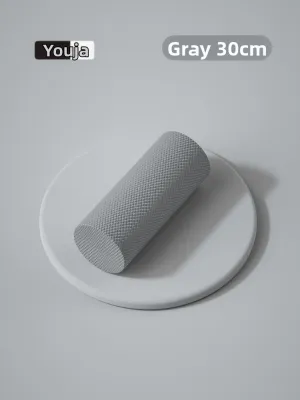
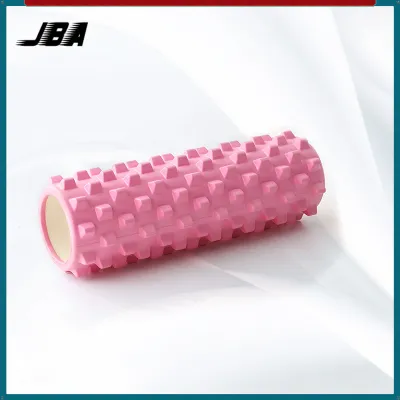
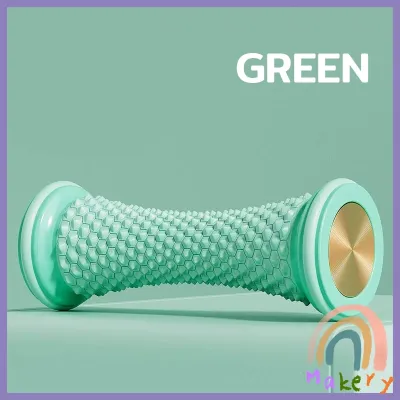
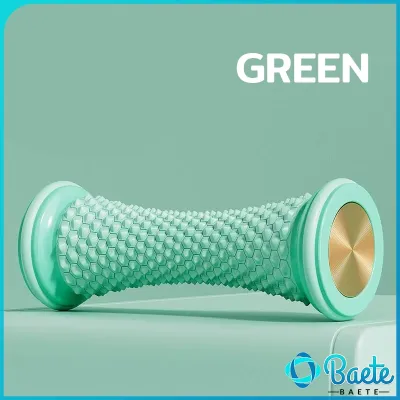
Prices are valid at publication and may change. Please refer to the product page for the latest price.
For full-body alignment and back rolling, a long roller (typically 36 inches) is highly recommended for stability. If you need a portable option for travel or want to isolate specific limbs, a shorter roller (12 to 18 inches) is more practical. Smooth surfaces offer comfortable, uniform pressure, while textured or grid patterns mimic the targeted pressure of a massage therapist’s hands to address stubborn knots.
Assess Your Muscle Recovery Needs and Experience Level
Before purchasing an MFR roller, it is essential to evaluate your current physical baseline and identify what you want to achieve. General muscle stiffness, which often occurs after a long day of sitting or a moderate workout, requires a different approach than localized, persistent muscle knots. Understanding this distinction prevents you from applying excessive pressure to areas that simply need light circulatory stimulation.

In tropical climates like the Philippines, high humidity and heat can accelerate dehydration during outdoor runs or intense gym sessions. Dehydrated muscles are more prone to cramping, tightness, and fascial restriction. Regular, gentle rolling helps restore tissue hydration by encouraging fluid flow through the fascial layers, but the intensity must match your body’s state. If your muscles are already fatigued and dehydrated, aggressive rolling can cause micro-tears and inflammation rather than relief.
Your personal pain tolerance and previous experience with manual therapy should heavily influence your choice. If you tend to tense up during deep tissue massages, a firm roller will likely cause your muscles to contract defensively, defeating the purpose of myofascial release. Effective MFR requires the target muscle to remain relaxed under pressure, so your roller must be comfortable enough to allow deep, steady breathing during use.
Finally, identify the primary muscle groups you plan to target. Large muscle bellies, such as the quadriceps, hamstrings, and glutes, respond well to broader rollers that distribute weight evenly. Narrower, highly sensitive bands of tissue, such as the calves or the muscles surrounding the IT band, require careful, controlled pressure. Note that you should never roll directly over the IT band itself, as it is a thick, non-contractile band of connective tissue; instead, focus on rolling the surrounding muscles like the quadriceps and hip flexors to relieve tension.
Match Roller Density to Your Pain Tolerance
Roller density is the most critical factor in determining the intensity of your myofascial release sessions. Using a roller that is too soft will yield minimal results for deep tissue recovery, while a roller that is too firm can cause bruising, muscle guarding, or nerve irritation. Finding the correct firmness ensures that you can apply therapeutic pressure safely.
Soft or Low-Density Rollers These rollers are typically made of open-cell foam, which compresses easily under body weight. They are highly suitable for beginners, individuals in rehabilitation phases, or those targeting highly sensitive areas. Because they deform slightly under pressure, they distribute your body weight over a larger surface area, minimizing localized discomfort and allowing you to build tissue tolerance gradually.
Medium-Density Rollers Often constructed from closed-cell polyethylene (PE) or medium-density ethylene-vinyl acetate (EVA) foam, these rollers offer a balanced compromise. They provide enough structural integrity to address moderate muscle tightness without feeling like a hard log. They are ideal for regular fitness enthusiasts who require consistent, daily flexibility work and general muscle maintenance.
Firm or High-Density Rollers Usually made from expanded polypropylene (EPP) or featuring a hollow plastic core wrapped in dense EVA foam, these rollers are designed for advanced users. They do not compress under heavy body weight, allowing for deep, penetrating pressure into thick muscle groups. These are best suited for individuals with high pain tolerance and dense musculature who require intense trigger point therapy.
To test your density limits safely, always adjust your body weight leverage rather than forcing direct pressure onto the roller. For example, when rolling your calves on a firm roller, keep your opposite foot flat on the floor to support a portion of your weight. Only progress to stacking one leg on top of the other once you can completely relax the target muscle under the initial pressure.
Select the Right Size, Shape, and Texture
The physical dimensions and surface characteristics of an MFR roller dictate how effectively you can target specific muscle groups and how easily you can store or transport the equipment.
Long Rollers (36 Inches) These full-length rollers are highly versatile for home use. Their length makes them exceptionally stable, preventing them from slipping out from under you during floor exercises. They are the only size suitable for vertical spinal alignment exercises, where you lie along the length of the roller to perform chest-opening stretches and shoulder mobility work.
Medium and Short Rollers (12 to 18 Inches) These compact rollers are highly portable, fitting easily into a gym bag for travel or outdoor workouts. They are excellent for isolating individual limbs, such as rolling one hamstring, calf, or arm at a time. However, they lack the stability required for back rolling and cannot be used for vertical spinal exercises.
Smooth Surfaces A smooth roller provides even, consistent pressure across the entire contact area. This uniform distribution is highly comfortable and is the safest starting point for beginners. It allows you to glide smoothly over large muscle groups without experiencing sudden spikes in pressure.
Textured or Grid Surfaces These rollers feature raised ridges, knobs, or grid patterns designed to mimic the hands, fingers, and palms of a massage therapist. The raised areas apply concentrated pressure to specific trigger points, while the recessed channels allow blood and oxygen to flow through the tissue during the rolling motion. This design is highly effective for breaking down stubborn fascial adhesions, but it requires careful control to avoid over-stimulating sensitive areas.
Safety Boundaries and When to Stop Rolling
While self-myofascial release is a highly effective recovery tool, it must be practiced with caution to prevent soft tissue damage, joint strain, or nerve compression. Understanding where and how to roll safely is crucial for avoiding injury.
There are several anatomical areas you must strictly avoid during MFR:
- The Lower Spine (Lumbar Region): Rolling the lower back can cause the surrounding muscles to spasm defensively and can place dangerous hyperextension stress on the lumbar vertebrae.
- The Neck (Cervical Spine): The neck contains sensitive nerves and blood vessels that should never be subjected to heavy rolling pressure.
- Joints and Bony Prominences: Never roll directly over your kneecaps, elbows, ankles, or hip bones, as this can cause joint inflammation and bruising.
During any rolling session, pay close attention to your body’s feedback. Immediate stop signals include sharp, shooting, or electrical pain, numbness, tingling, or the rapid development of visible bruising. Myofascial release should produce a dull, therapeutic ache—often described as a “good hurt”—that gradually dissipates as the muscle relaxes. If you experience acute pain, stop the movement immediately.
Certain physical conditions require you to bypass self-treatment entirely. If you have chronic joint instability, circulatory disorders, deep vein thrombosis, open wounds, or severe osteoporosis, do not use an MFR roller. If a localized muscle knot or pain point does not improve after several weeks of gentle, consistent rolling, consult a licensed physical therapist or medical professional for a comprehensive evaluation.
Frequently Asked Questions (FAQ)
How often should I use an MFR roller for muscle recovery?
For daily light mobility and circulation, you can safely use a soft or medium roller for 5 to 10 minutes per session. This is highly beneficial for relieving the general stiffness associated with prolonged sitting in air-conditioned offices or after light daily activities.
For intense, targeted post-workout recovery, limit deep tissue rolling to 2 to 3 times a week per muscle group. Over-rolling can cause micro-tears in the muscle fibers and localized bruising, which delays recovery. Always allow 24 to 48 hours of rest for highly targeted areas to let the tissues heal and adapt.
Can I use an MFR roller if I am completely new to fitness?
Yes, beginners can safely integrate MFR into their routines. To ensure a safe start, begin with a soft-density, smooth roller, which allows your nervous system and muscle tissue to adapt to the pressure without triggering pain responses.
To manage the intensity, use wall support or arm leverage to control how much body weight is applied to the roller. For example, placing the roller against a wall and leaning your back or shoulders into it allows you to control the pressure precisely, making the process much gentler than lying directly on the floor.

Community discussion
Share your experience or ask a question. Comments are reviewed before publication.