
Choosing a mini pen fishing rod requires balancing extreme portability with realistic angling expectations. These ultra-compact, pen-sized tools are designed to slip easily into a backpack, a motorcycle storage compartment, or even a pocket, making them highly convenient for spontaneous fishing trips. However, selecting the right model involves looking past the novelty and evaluating the rod’s physical specifications, material durability, and mechanical limits. In tropical environments where high humidity, heat, and brackish waters are common, choosing a rod with corrosion-resistant components and reliable joint stability is essential for a successful catch.
To get the most out of a compact setup, you must align the rod’s design with your specific fishing environment and target species. While these pocket-sized rods offer unmatched portability, they operate under strict physical constraints compared to standard-sized gear. Understanding how to evaluate build quality, action, and reel compatibility will help you avoid common pitfalls and find a reliable tool that performs well on the water.
Setting Realistic Expectations for Mini Pen Rods
Mini pen fishing rods are engineered for micro-fishing and light ultralight applications rather than heavy-duty angling. Expecting a pocket-sized rod to pull a massive catfish or a heavy saltwater game fish out of deep water will likely result in a broken blank. These rods lack the structural volume and material thickness of standard gear, meaning they cannot absorb the high kinetic energy of large, hard-fighting fish.
Products mentioned in this guide
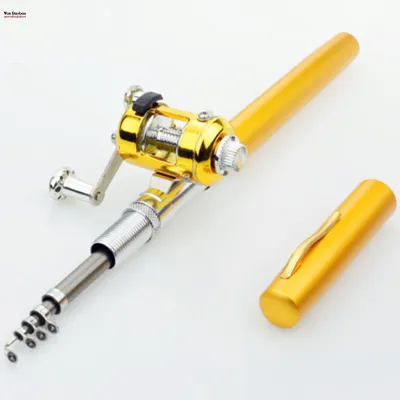
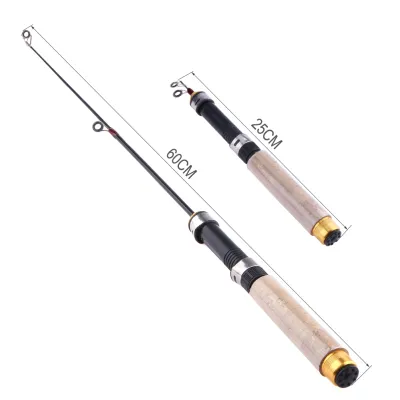
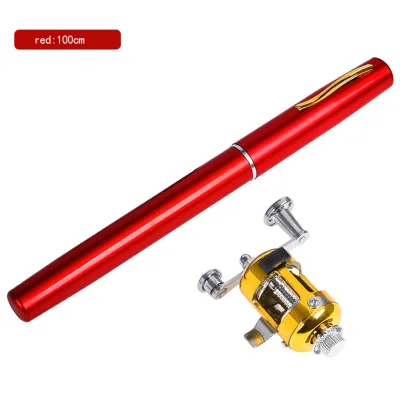
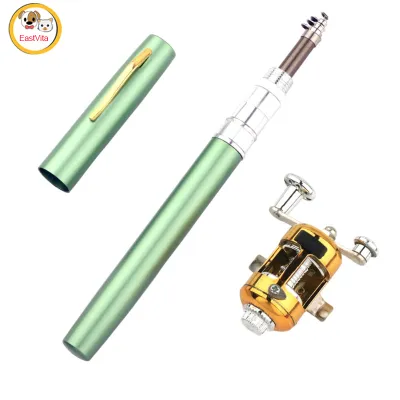
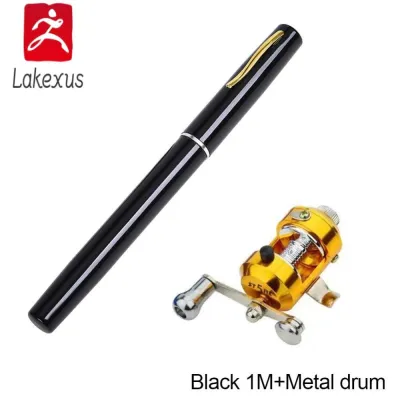
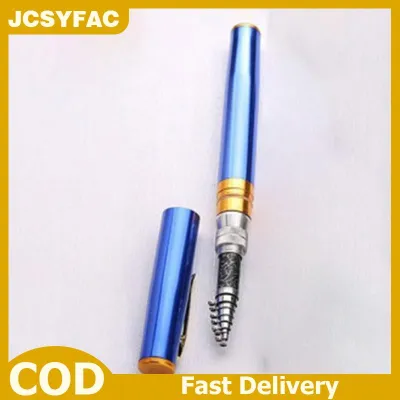
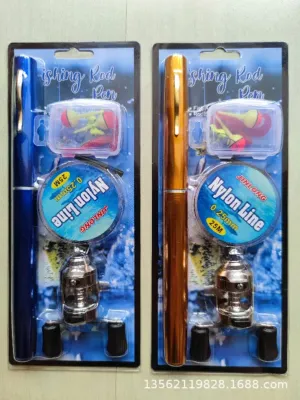
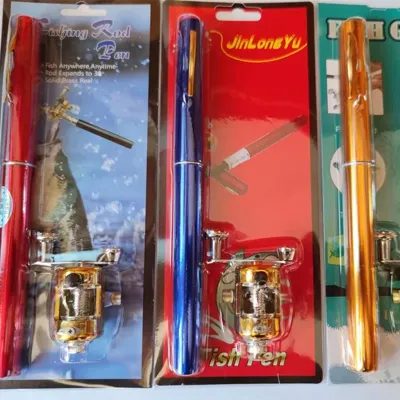
Prices are valid at publication and may change. Please refer to the product page for the latest price.
These compact rods excel in calm, confined water bodies such as small streams, urban ponds, concrete-lined canals, and quiet shorelines. They are ideal for targeting small species like tilapia, local perch, or small glassfish. Because the rod blank is short and highly flexible, it provides an exciting, high-feedback fight even when reeling in very small fish, turning casual roadside angling into an engaging sport.
Using a mini pen rod successfully requires precise casting control and a gentle touch. Because you do not have the leverage of a six-foot or seven-foot rod, casting distances are naturally limited, and hook sets must be executed with a quick wrist snap rather than a sweeping arm motion. Anglers must adapt their technique to accommodate these physical limits, ensuring they do not overload the delicate tip section during a cast or while landing a fish.
Matching Rod Specifications to Your Fishing Environment
When evaluating a mini pen fishing rod, the relationship between its collapsed size and extended length is critical. A typical pen rod collapses to approximately 20 centimeters, making it exceptionally easy to transport during a daily commute or a weekend hike. However, when fully extended, these rods usually range from 90 to 160 centimeters. A shorter extended length limits your casting distance but provides excellent maneuverability in tight spaces, such as under low-hanging tree branches or near crowded concrete piers.

Guide spacing is another vital factor to consider. Because these rods are short and bend acutely under load, the eyelets must be spaced closely enough to distribute line tension evenly across the blank. If the guides are spaced too far apart, the line will rub against the rod shaft, creating friction that reduces casting distance and increases the risk of line breakage. Look for guides with smooth ceramic or metal inserts that allow the line to flow freely without catching.
Additionally, consider the handle ergonomics and grip materials. In hot and humid climates, a textured EVA foam or non-slip ribbed grip is highly preferable to smooth plastic or bare metal. Wet hands from sweat or water can easily slip off a smooth handle, causing you to lose control of the rod during a cast or a hook set. A secure, comfortable grip ensures better control and reduces hand fatigue during extended use in tight spots.
Choosing the Right Power and Action for Target Species
Most mini pen rods fall into the ultralight to light power category, meaning they bend easily under minimal weight. This high sensitivity is excellent for feeling the subtle bites of small panfish or tilapia. However, some models feature slightly stiffer blanks that approach a medium-light rating, offering a bit more backbone for fighting aggressive local species like mudfish in weedy areas.
The action of the rod—how far down the blank it bends when under load—is equally important. A fast-action pen rod bends primarily near the tip, allowing for quick hook sets and precise lure placement in tight spots. A slow-action rod bends deeper down the shaft, which helps absorb the shock of a sudden run but requires more open space to set the hook effectively.
Before purchasing, always verify the manufacturer’s stated ratings on the product label. Use this checklist to ensure the rod matches your intended setup:
- Line Weight Capacity: Look for a rating between 2 to 6 pounds (approximately 0.9 to 2.7 kilograms). Exceeding this rating can snap the rod before the line breaks.
- Lure Weight Range: Ensure the recommended lure weight is between 1 to 5 grams. Heavy sinkers or large lures will overload the delicate tip during a cast.
- Material Composition: Check if the blank is made of fiberglass (more flexible and durable) or carbon fiber (lighter and more sensitive but more brittle).
Inspecting Build Quality and Portability Features
Because mini pen rods rely on multiple telescopic joints, their mechanical integrity is paramount. When inspecting a rod, extend it fully and check the friction fit of each section. The joints should slide smoothly into place and lock securely without any wobbling or twisting. If the sections slide back down under light pressure, the rod may collapse unexpectedly during a cast or while fighting a fish.
Examine the reel seat carefully, as this is a common failure point on low-quality models. The reel seat should be constructed from durable aluminum alloy or high-impact composite material, with clean, deep threads that allow the locking rings to tighten securely against the reel foot. Avoid models with flimsy plastic threads that can easily strip, crack, or loosen under the vibration of a spinning reel.
Finally, run your finger along the inner rings of the line guides to check for imperfections. Any rough edges, cracks, or loose inserts can quickly fray your fishing line, leading to lost lures and broken lines during a catch. The guides must be perfectly aligned along the spine of the rod when extended; misaligned guides cause the line to twist, severely limiting your casting accuracy and distance.
Building Your Shortlist from Online Product Listings
When browsing online marketplaces or e-commerce platforms, it is easy to get distracted by flashy marketing claims. To build a reliable shortlist, focus strictly on verifiable specifications. Look for listings that clearly state the exact collapsed dimensions, extended length, total weight, and material composition. Be skeptical of vague descriptions like “indestructible carbon” or “heavy-duty ocean rod” when referring to a pocket-sized pen rod.
If a listing lacks specific measurements or material details, it is best to look elsewhere. Before making a purchase, use the platform’s messaging system to ask the seller direct questions. This helps verify the seller’s reliability and ensures you receive a product that matches your expectations.
Consider asking the seller the following questions before buying:
- Are replacement sections available? Telescopic tips are prone to accidental breakage, and having access to spare parts can save you from buying a whole new rod.
- What is the return policy for manufacturing defects? Ensure you can return or exchange the rod if it arrives with misaligned guides, loose joints, or a cracked reel seat.
- Is the reel seat compatible with standard mini reels? Confirm the maximum reel foot width that the seat can accommodate to avoid compatibility issues.
Frequently Asked Questions (FAQ)
Can I use a standard spinning reel with a mini pen rod?
Most mini pen rods feature highly compact reel seats designed specifically for miniature spinning or baitcasting reels, typically in the 500 to 1000 size range. Standard-sized spinning reels, such as 2500 or 3000 sizes, generally have larger reel feet that will not fit into the narrow hood of a pen rod’s reel seat.
Even if you manage to force a larger reel onto the rod, the setup will be highly unbalanced. A heavy reel paired with an ultralight, short rod shifts the center of gravity dramatically backward. This imbalance makes casting awkward, reduces your accuracy, and causes rapid hand and wrist fatigue. Always check the manufacturer’s recommended reel size range to ensure a balanced, comfortable setup.
How do I clean and maintain the telescopic joints?
Proper maintenance is essential to prevent the telescopic sections of your pen rod from seizing, scratching, or corroding. After every fishing trip, especially in brackish or saltwater environments, extend the rod fully and rinse it thoroughly under clean, running freshwater to remove salt, sand, and grit. Wipe each section down with a soft, dry microfiber cloth and allow the rod to air-dry completely in a shaded, well-ventilated area before collapsing it for storage.
Do not apply harsh household chemicals, WD-40, or heavy grease to the joints. These substances can attract dirt, degrade the composite materials, or cause the friction joints to slip during use. If a section becomes jammed or refuses to slide smoothly after a basic rinse, stop trying to force it. Forcing the joints can crack the blank; instead, consult the manufacturer’s instructions or a local tackle specialist for assistance.

Community discussion
Share your experience or ask a question. Comments are reviewed before publication.