
Choosing the right Mobi Garden camping tent requires matching the tent’s design, materials, and capacity to your specific outdoor itinerary. Whether you are planning a beachside weekend in Zambales, a high-altitude trek up Mt. Pulag, or a family car camping getaway in Tagaytay, your choice will depend on how you travel and the weather conditions you expect to encounter. By evaluating your transport method, group size, and the balance between ventilation and water resistance, you can select a model that keeps you comfortable and protected.
Define Your Trip Parameters and Capacity Needs
Car camping allows you to prioritize interior volume, standing height, and luxury features because weight is not a limiting factor. You can opt for heavier, more durable materials like technical cotton. Backpacking, on the other hand, demands a lightweight, compact tent that fits easily inside or on the outside of your pack. Every gram matters when you are ascending steep trails, making lightweight synthetic dome tents the preferred choice.
A common mistake is taking a tent’s advertised person-capacity at face value. A “4-person” tent typically fits four sleeping pads side-by-side with zero room for gear, personal space, or movement. For a comfortable experience, it is generally wise to upsize by one person (e.g., choosing a 3-person tent for two campers) or verify that the tent features a spacious vestibule where you can store muddy hiking boots, backpacks, and cooking gear out of the rain.
Products mentioned in this guide
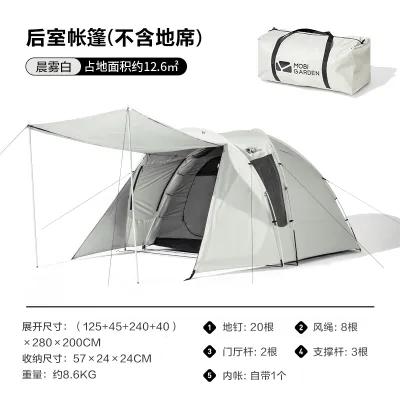
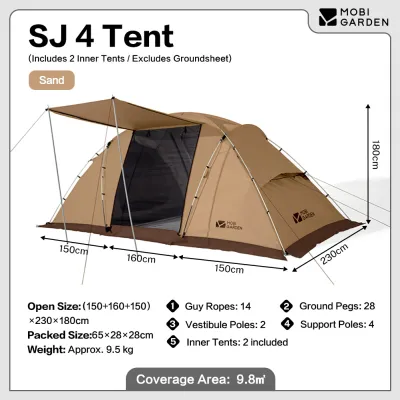
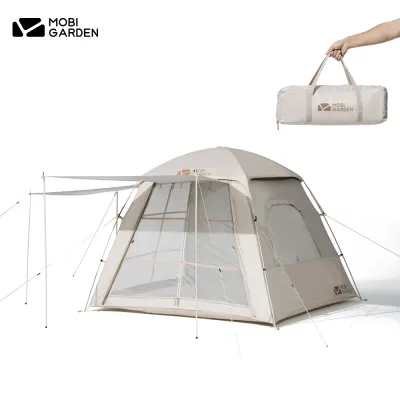
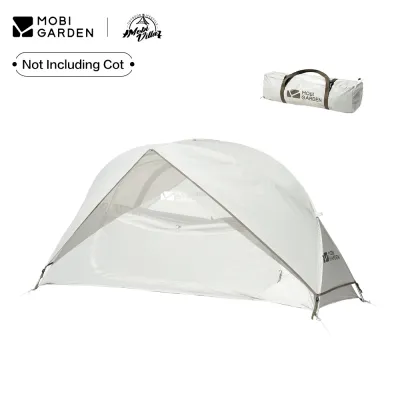
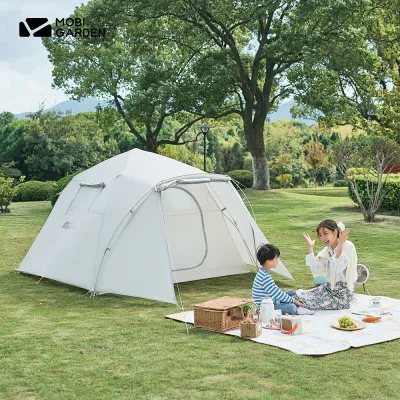
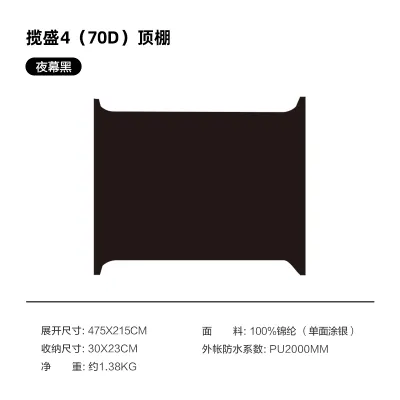
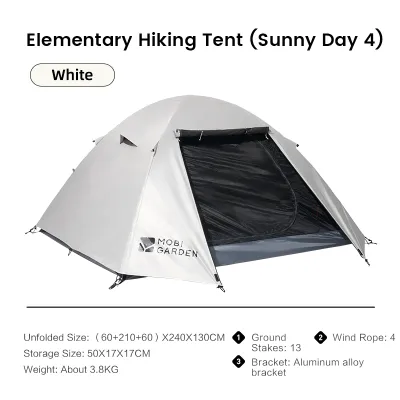
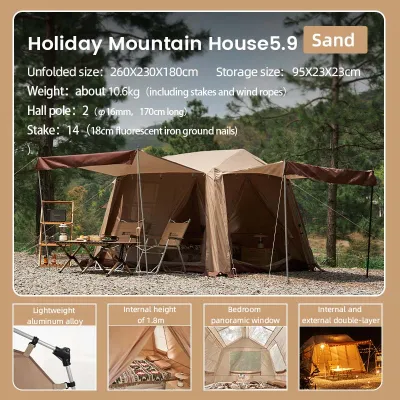
Prices are valid at publication and may change. Please refer to the product page for the latest price.
Tropical camping presents unique challenges, primarily intense heat, high humidity, and sudden, heavy downpours. Your tent must act as a shield against torrential rain while allowing maximum airflow to prevent the interior from turning into a sauna. Coastal campsites often expose tents to sandy terrain and strong sea breezes, requiring robust pegging options, while rocky mountain ridges demand a freestanding structure that does not rely solely on stakes for stability.
Compare Tent Structures and Fabric Trade-Offs
Dome tents are generally freestanding, meaning they hold their shape with the poles alone and can be easily moved around before pegging. They offer excellent structural stability in shifting winds and are relatively simple to pitch, making them ideal for beginners and rocky terrains. Tunnel tents, while requiring secure staking to stand, provide superior interior space, consistent headroom from end to end, and large vestibules. However, they must be pitched parallel to the wind direction to avoid structural strain.

Synthetic fabrics like polyester and nylon are lightweight, pack down small, and dry quickly after a storm. They are highly practical for backpacking and wet-weather camping. However, they can trap heat and suffer from condensation in humid environments. Technical cotton (TC) or canvas blends offer exceptional breathability, keeping the interior noticeably cooler under the tropical sun. The trade-off is weight and maintenance; TC tents are heavy, bulky, and require meticulous drying to prevent rot and mold.
Aluminum poles are lightweight, highly flexible, and durable, capable of bending under wind loads without snapping. They are the standard for backpacking and high-quality recreational tents. Fiberglass poles are more affordable but are heavier, stiffer, and prone to splintering or shattering under sudden stress or long-term wear. When selecting a tent for unpredictable mountain weather, verifying that it uses high-grade aluminum poles is a critical safety check.
Verify Weather Protection and Seasonality Specs
To understand a tent’s water resistance, check the hydrostatic head rating, measured in millimeters (mm). This rating indicates the pressure of water the fabric can withstand before leaking. For the heavy rains and monsoons common in the Philippines, look for a rainfly rating of at least 2,000mm and a floor rating of 3,000mm or higher. Always verify that the seams are fully taped, as water is most likely to penetrate through stitching lines during prolonged downpours.
In hot and humid climates, condensation is a major issue. As you breathe at night, moisture condenses on the cool inside of the rainfly. To manage this, look for tents with extensive mesh inner walls and adjustable high-level vents on the rainfly that promote cross-ventilation. Avoid tents with permanent snow skirts unless you are camping in cold, high-altitude areas, as these skirts block ground-level airflow and trap humid air inside.
The tent floor is highly vulnerable to punctures from sharp rocks, twigs, and roots, as well as moisture seeping up from damp soil. Using a compatible footprint—a custom-cut groundsheet placed underneath the tent—adds an essential layer of protection. It not only extends the lifespan of your tent floor but also prevents ground moisture from rising, keeping your sleeping area dry and clean.
Decision Framework: Match Tent Types to Trip Profiles
If your primary activities involve hiking, multi-day trekking, or moving campsites frequently, a lightweight synthetic dome tent is your best match. These models prioritize quick setup, minimal pack size, and low weight. They are easy to pitch on varied terrain, and their freestanding nature allows you to shake out dirt and debris easily before packing up.
For family camping, beach glamping, or base camps where you plan to stay in one spot for several days, prioritize comfort and space. A large tunnel tent or a technical cotton dome provides the headroom and floor area needed for cots, air mattresses, and camping chairs. These tents turn your campsite into a comfortable living space, making them perfect for social gatherings and relaxed outdoor holidays.
If you are planning expeditions to high-altitude peaks like Mt. Pulag during the colder months, standard recreational tents may fall short. You must verify if your chosen model can withstand strong, sustained winds and near-freezing temperatures. Look for reinforced pole structures, robust guy-line attachment points, and a full-coverage rainfly that extends all the way to the ground to block cold drafts.
Pre-Purchase Verification and Value Assessment
When comparing tents online, pay close attention to the difference between “minimum weight” (usually just the tent body, fly, and poles) and “packed weight” (which includes stakes, guy lines, carry bags, and accessories). Ensure your backpack can accommodate the actual packed weight and volume.
Do not assume every tent comes ready for all conditions. Check if the package includes high-quality stakes suitable for your target terrain (e.g., sand pegs for beach camping or heavy-duty stakes for hard soil) and whether a footprint is included or must be purchased separately.
To protect your investment, which can range from ₱3,000 to over ₱15,000 depending on the model size and materials, purchase from official brand stores or authorized outdoor retailers. This ensures you receive an authentic product and have access to reliable after-sales support, replacement parts (like spare pole sections), and warranty coverage for manufacturing defects.
Frequently Asked Questions (FAQ)
How should I clean and store a cotton-blend Mobi Garden tent?
To maintain a cotton-blend or technical cotton tent, you must ensure it is completely dry before packing it away. Storing a damp cotton tent, even for a few days, will inevitably lead to mildew, rot, and permanent fabric degradation. If you must pack up in the rain, pitch the tent at home as soon as possible to let it air dry completely.
For cleaning, perform gentle spot cleaning using only clean water and a soft sponge or cloth. Avoid harsh chemical detergents, bleach, or machine washing, as these will strip away the fabric’s water-repellent coatings and damage the fibers. Gently brush off dry dirt or mud before applying water.
Once clean and dry, store the tent in a cool, dry place away from direct sunlight and high humidity. It is best to store it loosely folded in a breathable cotton storage sack rather than compressed tightly inside its original carry bag, which can stress the seams and fabric over time.
Can I use a standard three-season tent during the heavy rainy season?
A standard three-season tent is designed to handle moderate rain and wind while prioritizing ventilation for warmer weather. While it can withstand typical tropical showers, it may struggle during prolonged monsoon downpours or severe tropical depressions where wind and rain are relentless.
If you must camp during wet periods, proper site selection is critical. Avoid pitching your tent in natural depressions, dry riverbeds, or water runoff paths where pooling can occur. Ensure the rainfly is fully tensioned and staked out properly so that water runs off the sides rather than pooling on top of the fabric.
If you experience extreme weather where water begins to seep through the floor, or if the wind threatens to collapse the pole structure, you should stop camping immediately. Seek permanent shelter or evacuate the site, as recreational tents are not designed to replace emergency shelters in severe weather.

Community discussion
Share your experience or ask a question. Comments are reviewed before publication.