
Choosing the right Mobi Garden tent for camping in the Philippines depends on matching the tent’s design to the specific microclimate, terrain, and transport limits of your destination. Because the local climate shifts between intense humidity, heavy seasonal downpours, and strong coastal or mountain winds, there is no single universal model for every camper. Instead, the ideal choice is a tent that balances ventilation and waterproofing for your specific style of travel—whether that means a lightweight backpacking shelter for high-altitude mountain trails or a spacious, double-walled cabin tent for family car camping.
To make an informed decision, you must evaluate where and how you plan to camp. A tent designed for dry, temperate climates will quickly become a stifling, damp greenhouse under tropical conditions. By understanding the technical specifications of Mobi Garden’s product lines and comparing them against the realities of local campgrounds, you can select a shelter that keeps you dry, cool, and secure throughout your outdoor adventures.
Assessing Your Camping Environment in the Philippines
The diverse geography of the Philippines offers everything from sandy beaches to high-altitude pine forests, each presenting unique challenges for temporary shelters. Weather is the most critical factor to consider. The country experiences two distinct seasonal wind patterns: the cool northeast monsoon, or amihan, and the warm, wet southwest monsoon, or habagat. During the amihan season, high-altitude campsites can experience sharp drops in temperature and strong, biting winds. Conversely, the habagat season brings heavy, sustained downpours and high humidity across the archipelago. Your tent must be capable of shedding heavy rain while allowing maximum airflow to prevent interior condensation.
Products mentioned in this guide
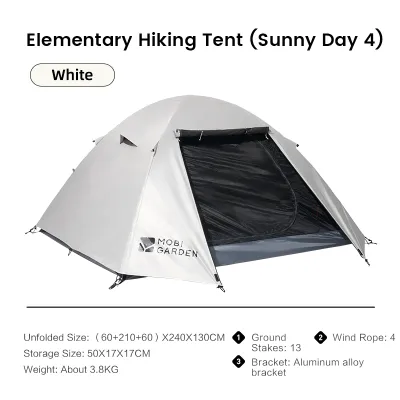
Prices are valid at publication and may change. Please refer to the product page for the latest price.
Terrain variations also dictate your tent requirements. Coastal camping on sandy shores requires a tent with excellent ventilation to handle the radiant heat of the sun, along with specialized sand pegs to secure the structure. Mountainous trails demand lightweight, compact tents that can withstand sudden mountain storms and fit into tight, uneven clearing spaces. Meanwhile, established grassy campgrounds offer more forgiving ground but can quickly turn into muddy, waterlogged fields during sudden afternoon thunderstorms, requiring a highly durable and waterproof tent floor.
Finally, consider your group size and trip duration. A solo backpacker prioritizing speed and distance will have vastly different space and weight requirements than a family spending a long weekend at a drive-in campsite. Larger tents offer superior comfort and standing room but are heavier, more complex to pitch, and highly vulnerable to catching strong winds. Balancing these environmental and logistical factors is the first step in narrowing down your options.
Core Features to Verify in a Mobi Garden Tent
When evaluating different Mobi Garden models, you should look past aesthetic designs and focus on technical specifications. The first specification to verify is the hydrostatic head rating of both the rainfly and the tent floor. This rating, measured in millimeters, indicates the amount of water pressure the fabric can withstand before leaking. For the unpredictable tropical downpours of the Philippines, look for a rainfly with a rating of at least 2,000mm and a floor rating of 3,000mm or higher. Always verify these numbers on the manufacturer’s official product specifications sheet, as retail listings on third-party sites can sometimes contain errors.

Seam construction is just as important as fabric waterproofing. Ensure the tent features fully taped seams, where a hot-melt polyurethane tape is applied over the stitching to seal the needle holes. Without proper seam taping, water will eventually seep through the joints during prolonged rain, regardless of how waterproof the fabric itself is.
Ventilation is your primary defense against the stifling tropical heat and internal condensation. In high-humidity environments, the moisture from your breath condenses on the cold inner surface of the rainfly. To prevent this moisture from dripping onto your sleeping gear, prioritize double-wall tent constructions. A double-wall tent features an inner tent made largely of breathable mesh and a separate, waterproof outer rainfly. This design creates an air gap that allows warm, moist air to escape through the mesh and vent out of the rainfly’s built-in air vents, keeping the interior dry and comfortable.
The structural integrity of your tent relies heavily on its poles and geometry. Aluminum poles, such as those made from 7001 aluminum alloy, are highly recommended for Philippine camping. They offer an excellent strength-to-weight ratio, flexibility to bend without breaking under wind loads, and resistance to corrosion from salty coastal air. In contrast, fiberglass poles are heavier, more brittle, and prone to splintering under sudden gusts. Look for dome or geodesic pole geometries, which distribute wind forces evenly across the structure, making them far more stable than tall, flat-sided cabin designs.
Lastly, examine the durability of the floor material. The tent floor is subjected to constant friction from your sleeping gear, feet, and the rough ground underneath. A floor made of high-denier polyester, such as 150D Oxford fabric, provides excellent puncture and abrasion resistance against sharp rocks, twigs, and rough volcanic soil.
Matching Mobi Garden Tent Categories to Your Trip Profile
Mobi Garden designs its tents to cater to specific outdoor activities, categorizing them into distinct product lines. Rather than searching for a single, universal tent that claims to excel in every scenario, you will achieve better safety and comfort by matching the tent’s category to your specific trip profile.
Lightweight and Backpacking Tents
For hikers and backpackers tackling multi-day trails, weight and pack size are the most critical constraints. Mobi Garden’s lightweight category focuses on compact designs that utilize thin, high-tensile fabrics and lightweight aluminum poles to keep the total trail weight to a minimum. These tents are designed to pack down small enough to fit inside or lash onto a standard backpacking pack, reducing physical fatigue during steep climbs.
However, choosing an ultralight tent involves clear trade-offs. To save weight, these models often feature a more tapered profile with limited headroom and smaller vestibules. The fabrics used are thinner, requiring more careful site selection and the use of a footprint to prevent punctures. While they perform exceptionally well on long treks where every gram counts, they may feel cramped if you are forced to wait out a long storm inside the tent.
Family and Car Camping Tents
If your camping trips involve driving directly to an established campsite with family or friends, comfort and interior space should be your main priorities. Mobi Garden’s family and car camping tents often feature cabin-style structures, high ceilings that allow you to stand upright, and built-in room dividers for privacy. These designs maximize livable space, making them ideal for social gatherings, air mattresses, and storing bulky gear.
The trade-off for this comfort is weight and wind resistance. These tents are heavy, bulky when packed, and require vehicle transport. Their tall, vertical walls act like sails in high winds, making them unsuitable for exposed mountain ridges or severe coastal storms. They also require a larger, flat pitching area, which can limit your choice of campsites in more rugged, undeveloped locations.
Basecamp and Extended-Stay Tents
For extended camping trips, high-altitude expeditions, or camping during the peak of the rainy season, basecamp and extended-stay tents offer the highest level of protection. These models prioritize structural durability and weather resistance above all else. They feature robust, multi-crossing pole geometries that can withstand heavy wind loads from multiple directions, along with thicker, highly waterproof fabrics and heavy-duty floor materials.
These tents are built to endure prolonged exposure to the elements without failing. However, they come with a significant weight penalty and a more complex, time-consuming setup process. They are best suited for situations where the tent will remain pitched in one location for several days or weeks, and where reliable shelter is critical to your safety.
Pre-Purchase Verification and Care Guidelines
To ensure you receive a genuine Mobi Garden product that performs as expected, you must exercise caution when purchasing. Buy only from official brand stores or verified authorized distributors on major ecommerce platforms. Avoid deals that seem unrealistically cheap, as counterfeit tents often use inferior fabrics, weak fiberglass poles, and poor seam sealing that will fail during your first rainstorm. Check customer reviews for uploaded photos of the product labels, packaging, and stitching to verify authenticity before finalizing your purchase.
Once your tent arrives, do not wait until you are at the campsite to open it. Conduct a thorough inspection at home. Pitch the tent in your yard or a spacious indoor area. Inspect all the seams to ensure the waterproofing tape is fully adhered and free of bubbles or peeling. Test all the zippers to make sure they glide smoothly without catching on the fabric. Check the aluminum pole segments for any cracks, dents, or frayed elastic tension cords. This initial check ensures you can address any manufacturing defects before heading into the wild.
Proper post-trip care is essential for maintaining the longevity of your tent, especially in the hot, humid climate of the Philippines. Moisture is the greatest enemy of tent fabrics. If you pack away a damp tent, mold and mildew will develop within days, destroying the waterproof polyurethane coatings and causing a persistent, foul odor. If you must pack up your tent while it is raining, make sure to pitch it or hang it up in a well-ventilated, shaded area at home within 24 hours. Allow it to dry completely before packing it into its storage sack.
Additionally, clean your tent after every trip. Wipe down the fabric with a soft sponge and fresh water to remove dirt, mud, and salt residue from coastal camping. Never use harsh detergents or wash your tent in a washing machine, as this will strip away the waterproof coatings. Store the completely dry tent in a cool, dry place away from direct sunlight. Avoid storing it tightly compressed in its original carrying bag for long periods; instead, store it loosely in a breathable mesh bag or a large pillowcase to allow the fabrics to breathe.
Frequently Asked Questions (FAQ)
Do I need a separate tent footprint for Philippine campgrounds?
Yes, using a separate tent footprint is highly recommended for most campgrounds in the Philippines. A footprint acts as a protective barrier between the tent floor and the ground, shielding the fabric from sharp volcanic rocks, gravel, twigs, and abrasive sand. It also provides an extra layer of waterproofing, preventing ground moisture from seeping through the floor when camping on waterlogged grass or damp soil. Before purchasing, check your specific Mobi Garden tent model’s specifications, as some packages include a custom-fit footprint, while others require you to purchase one separately.
How should I store my tent during the Philippine rainy season?
During the high-humidity rainy season, store your tent in a cool, dry, and well-ventilated indoor area. Avoid storing it in hot, unventilated spaces like attics, car trunks, or outdoor storage sheds, as extreme heat can degrade the waterproof coatings and melt the seam tape. Ensure the tent is completely dry before storage. To prevent the fabric coatings from sticking together and peeling over time, avoid keeping the tent tightly compressed in its original stuff sack. Instead, store it loosely folded in a large, breathable cotton bag or a plastic storage bin with a few silica gel packets to absorb any ambient moisture.

Community discussion
Share your experience or ask a question. Comments are reviewed before publication.