
Selecting the right camping tent requires matching the shelter’s design, materials, and weight to your specific outdoor environment. Mobi Garden offers a diverse range of tents, from ultra-lightweight backpacking shelters to sprawling multi-room family domes. To find the model that fits your camping style, you must evaluate where you plan to pitch it, how you intend to transport it, and the typical weather conditions you will encounter.
In tropical climates like the Philippines, factors such as high humidity, sudden heavy downpours, and intense sun exposure play a massive role in your comfort and safety. A tent that excels on a breezy beach might fail during a wet mountain trek, while a heavy basecamp tent will quickly become a burden if you have to carry it up a steep trail. By understanding your primary camping scenario and verifying key specifications, you can make an informed decision that ensures a dry, comfortable, and secure outdoor experience.
Identifying Your Primary Camping Scenario
Before browsing specific models, you need to define the primary purpose of your outdoor trips. The most fundamental division in camping gear lies between weight-sensitive activities and space-sensitive activities. If your style involves hiking long distances to reach a remote campsite, every gram in your pack matters, making a lightweight backpacking model essential. Conversely, if you park your vehicle directly next to your campsite, weight becomes secondary to interior volume, standing height, and overall comfort.
Products mentioned in this guide
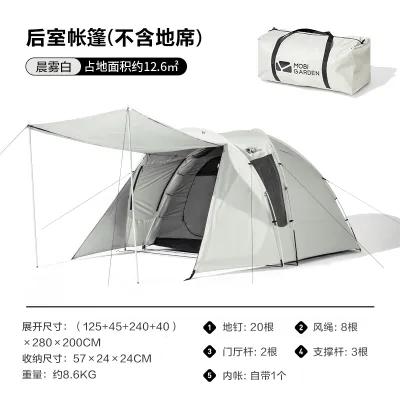
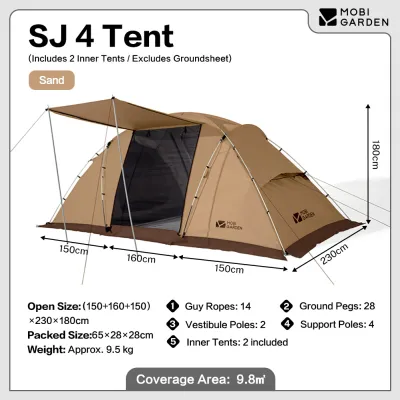
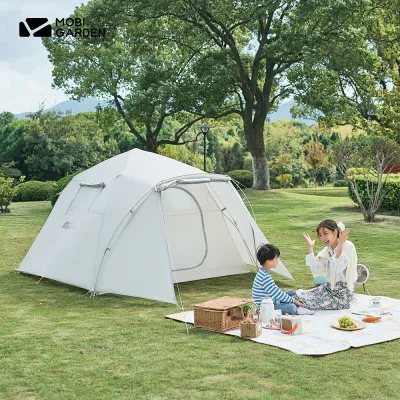
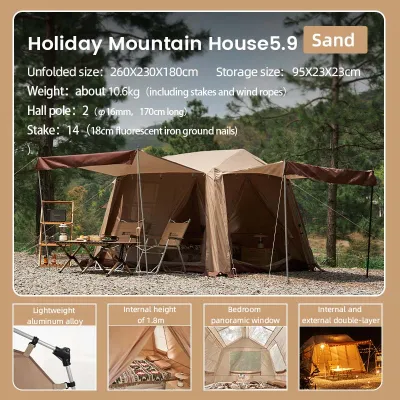
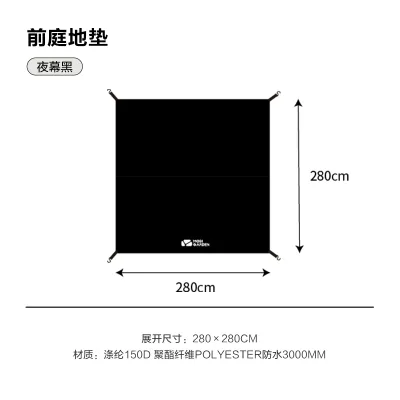
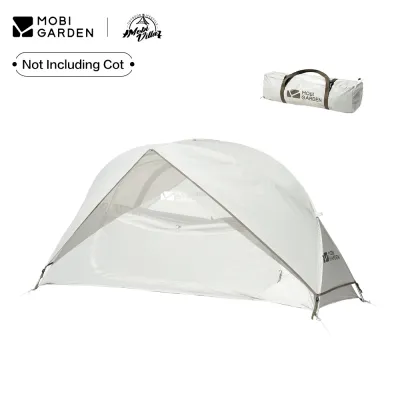
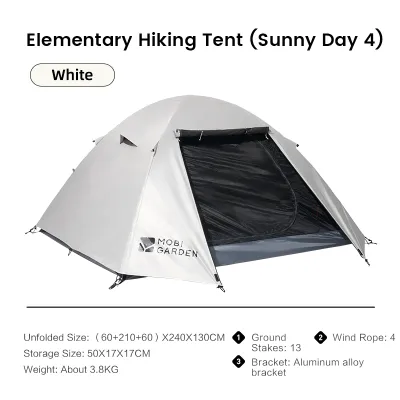
Prices are valid at publication and may change. Please refer to the product page for the latest price.
Local environmental factors also dictate your shelter requirements. Tropical camping presents unique challenges, such as intense heat during the day, high humidity at night, and sudden, heavy rain showers. If you frequently camp in coastal areas, you will need a tent designed to handle fine sand, salty air, and strong sea breezes. Mountain trails, on the other hand, demand excellent wind resistance and robust waterproofing to handle rapid temperature drops and unpredictable storms.
Finally, consider your typical group size and gear storage needs. A tent rated for three people might fit three sleeping pads perfectly, but it leaves very little room for backpacks, shoes, and personal items. If you prefer to keep your gear inside the tent to protect it from damp ground or insects, you should look for a model with a larger capacity rating or a generous vestibule area.
Matching Tent Features to Specific Camping Styles
Different outdoor environments demand distinct design priorities, meaning there is no single tent that is perfect for every single situation. To choose the right model, you must match the structural design and material specifications of the tent to the specific demands of your chosen camping style.

Beach and Coastal Camping
Coastal camping offers beautiful views but exposes your shelter to harsh elements like abrasive sand, high winds, and intense solar radiation. When selecting a tent for beach trips, wind stability is paramount. Look for models that feature robust guyline attachment points and come with, or allow the use of, specialized sand pegs. Standard thin metal pegs easily slip out of loose sand, so securing your tent requires wider, curved stakes that can grip the shifting ground.
Ventilation is another critical factor in hot, humid coastal climates. A tent with large mesh panels allows sea breezes to circulate, keeping the interior cool and reducing condensation. However, the mesh must be fine enough to block both tiny insects and windblown sand. Ensure the inner tent can be pitched independently of the rainfly on warm, dry nights, allowing you to stargaze while remaining protected from pests.
Lastly, check the product specifications for UV resistance. Prolonged exposure to intense tropical sunlight can degrade tent fabrics over time, weakening the fibers and reducing waterproof performance. Look for materials treated with UV-resistant coatings, which help reflect heat and extend the lifespan of your shelter during sunny beach getaways.
Mountain Trekking and Backpacking
For high-altitude trails and multi-day backpacking trips, your tent is your ultimate shield against unpredictable mountain weather. Here, weight and packability are your top priorities. Look for models that utilize lightweight aluminum poles rather than heavier fiberglass options. Aluminum poles not only reduce the overall weight of your pack but also offer superior flexibility and strength to withstand sudden mountain gusts.
Waterproofing is non-negotiable when you are far from shelter. You must verify the hydrostatic head rating of both the rainfly and the tent floor. The hydrostatic head rating, measured in millimeters, indicates how much water pressure the fabric can withstand before leaking. For mountain environments prone to heavy rain, look for a rainfly rating of at least 2,000mm and a floor rating of 3,000mm or higher to prevent ground moisture from seeping through when you sit or lie down.
Condensation is a common issue in cold, high-altitude environments. As warm breath hits the cold tent fabric, moisture collects on the inside of the rainfly. To combat this, choose a double-wall tent design with adjustable vents near the peak. This setup allows moist air to escape while keeping cold wind and rain outside, ensuring your sleeping bag stays dry throughout the night.
Family Car Camping and Basecamps
When you are car camping with family or friends, comfort, space, and convenience take center stage. Since you do not have to carry the tent on your back, you can prioritize models with generous peak heights that allow you to stand up or move around comfortably. Look for cabin-style designs or large dome tents that offer near-vertical walls, maximizing the usable headroom and floor space for cots, air mattresses, and camping chairs.
For larger groups, privacy and accessibility are crucial. Tents with multiple doors allow occupants to enter and exit without crawling over sleeping campmates in the middle of the night. Some larger models also feature removable room dividers, allowing you to split the interior into separate sleeping quarters or create a dedicated living and storage area.
Ease of setup is another major consideration, especially if you are camping with children or arriving at the campsite late in the evening. Look for user-friendly features such as color-coded poles, sleeve-and-clip systems, and clear instruction manuals. A tent that is straightforward to pitch reduces stress at the start of your trip, leaving you with more time to relax and enjoy the outdoors.
How to Verify Tent Specifications Before Purchase
Because exact specifications can vary between different production runs and specific models, you should always independently verify a tent’s details before making a purchase. Start by reading the manufacturer’s tag or official product listing carefully. Pay close attention to the fabric denier (denoted by a number followed by ‘D’), which indicates the thickness and durability of the threads. A higher denier generally means better tear resistance, though it also adds weight.
Next, measure the actual floor dimensions and compare them to your sleeping gear. Do not rely solely on the “person capacity” rating, as these industry standards are often based on tight packing with minimal gear. If you use wide sleeping pads or elevated cots, map out the dimensions on your floor at home to ensure everyone and everything will fit comfortably inside the tent.
Finally, check the user manual or official store descriptions for specific wind, temperature, and weather limits. If you plan to purchase from an online marketplace or local outdoor retailer, look for verified customer reviews that mention real-world performance in wet or windy conditions. If certain specifications are unclear, contact the manufacturer directly to confirm the tent’s limits before taking it into challenging environments.
Evaluating Cross-Scenario Compatibility
If you enjoy both backpacking and car camping, you might wonder if a single tent can serve both purposes. While a lightweight backpacking tent can technically be pitched at a drive-up campsite, you will sacrifice the spacious comfort, standing room, and ventilation of a larger family model. Conversely, attempting to carry a heavy, bulky car camping tent on a mountain trail is highly impractical and physically exhausting.
Some tents offer modular features that bridge the gap between different styles. For example, a medium-weight three-person tent with a detachable rainfly and a large vestibule can serve as a cozy shelter for short hikes while still providing decent comfort for weekend car camping. Look for models where you can adjust the configuration—such as pitching only the inner mesh during hot dry weather, or using just the rainfly and a footprint as a lightweight sun shelter.
Ultimately, if your outdoor activities span extreme opposites—such as high-altitude mountain trekking and large family beach gatherings—it is often more practical to invest in two specialized tents. Attempting to find a single compromise often results in a tent that is too heavy for the trail and too cramped for the family, diminishing your enjoyment of both experiences.
Frequently Asked Questions (FAQ)
How should I clean and store my tent after a beach trip?
After camping on the beach, it is vital to remove sand, salt, and moisture to protect the fabric and zippers. Start by shaking out all loose sand from the interior. Gently wipe down the inner tent, rainfly, and poles with a damp microfiber cloth and clean water to remove corrosive salt residue; avoid harsh detergents that can strip away waterproof coatings. Ensure every component is completely dry before packing it away, and store the tent loose in a cool, dry place out of direct sunlight to prevent mold and fabric degradation.
Can I use a summer tent for high-altitude trekking?
Using a summer tent for high-altitude trekking is generally not recommended due to safety and structural limitations. Summer tents are designed primarily for ventilation and heat dissipation, often featuring large mesh panels that let in cold mountain winds and fine dust. They may also lack the robust pole structure and high waterproof ratings needed to withstand sudden high-altitude storms or heavy snow loads. Always check the manufacturer’s wind and weather ratings, and if your route involves unpredictable alpine conditions, choose a dedicated three-season or four-season shelter instead.

Community discussion
Share your experience or ask a question. Comments are reviewed before publication.