
Finding the right tent requires balancing weight, space, and weather protection against your specific outdoor activities. In the Philippines, where tropical heat, high humidity, and sudden torrential rains are common, selecting an appropriate shelter is crucial for safety and comfort. Naturehike offers a wide range of lightweight and budget-friendly tents, but choosing the wrong model can lead to cramped nights, condensation issues, or water leaks. By matching your camping style to the correct tent specifications, you can ensure a reliable shelter for your next adventure.
Define Your Camping Style Before Choosing a Tent
Before browsing through product listings, you must clarify how you plan to transport and use your shelter. Backpacking demands a highly packable, lightweight tent that fits easily inside or on the outside of a multi-day pack. When hiking up steep trails like Mt. Pulag or traversing rugged ridges, every gram matters, making ultralight designs the primary choice. For these journeys, you sacrifice interior living space and thicker fabrics to save your shoulders from unnecessary strain.
Car camping shifts the priority from weight savings to overall comfort and livability. Since your vehicle carries the load directly to the campsite, you can opt for heavier, more spacious tents with generous headroom and large vestibules. These shelters allow you to set up camp chairs, store bulky gear, and move around comfortably without feeling restricted.
Products mentioned in this guide
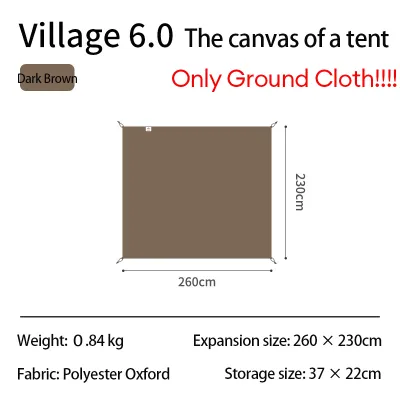
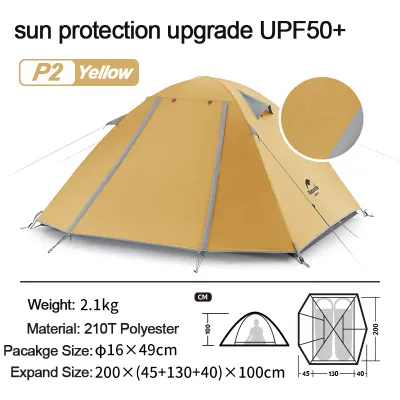
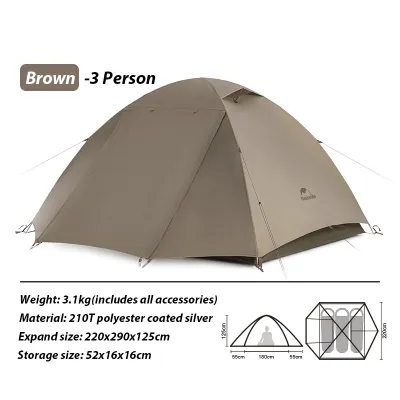
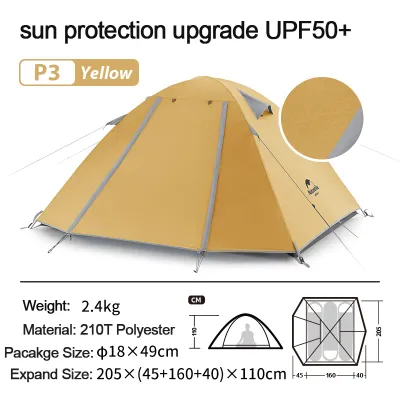
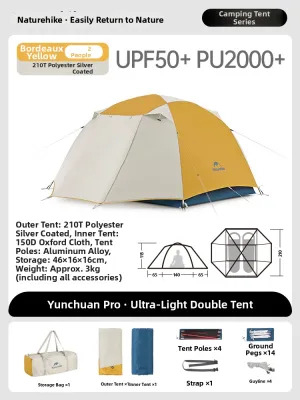
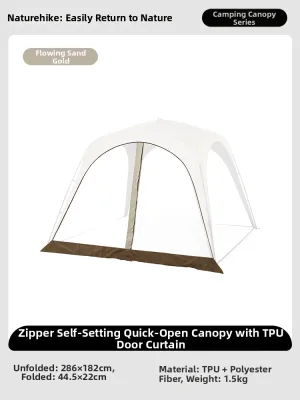
Prices are valid at publication and may change. Please refer to the product page for the latest price.
Family camping trips require even larger structures that prioritize high capacity and ease of movement. Look for tents that offer standing headroom, multiple doors to prevent late-night disruptions, and optional room dividers for privacy. These models are typically heavier and bulkier, requiring a dedicated spot in your car trunk, but they provide a comfortable home base for children and group activities.
Local weather patterns play a decisive role in your final choice. The tropical climate of the Philippines brings intense humidity and sudden, heavy downpours, especially during the monsoon season. A tent with poor ventilation will quickly turn into a sauna, while inadequate waterproofing will leave your sleeping gear soaked. Understanding your typical camping environment helps you determine the exact level of weather resistance and ventilation your tent must provide.
Key Specifications to Check on Naturehike Tent Labels
Reading a tent’s specification label correctly is essential to verify if it can withstand your planned activities. The first metric to examine is weight, which manufacturers usually split into trail weight and packed weight. Trail weight refers only to the essential components: the tent body, the rainfly, and the poles. Packed weight includes everything packaged in the box, such as stakes, guy lines, the footprint, and the carry bag. Always use the packed weight as your reference point if you plan to carry the entire package on your back.

Capacity ratings can be misleading if you only look at the designated number of occupants. A standard “two-person” tent is designed to fit two regular-sized sleeping pads side-by-side with very little room to spare. To ensure a comfortable night, check the actual floor dimensions in centimeters. If you prefer to keep your backpack inside the tent or if you use wider sleeping mats, consider sizing up to a three-person model for two campers.
Hydrostatic head ratings indicate the fabric’s level of water resistance, measured in millimeters. A rating of 2,000mm means the fabric can withstand a two-meter column of water before leaking. For tropical downpours, look for a rainfly with a rating of at least 2,000mm to 3,000mm. The tent floor requires an even higher rating, typically 3,000mm to 4,000mm, because your body weight exerts pressure on the damp ground, which can force moisture through lower-rated fabrics.
Structure and materials dictate how the tent handles wind and condensation. Aluminum poles, particularly 7001 alloy, offer an excellent strength-to-weight ratio and bend without snapping under high winds, unlike cheaper fiberglass alternatives. Additionally, double-wall tents are highly recommended for humid climates. The inner mesh wall allows body moisture to escape, while the outer rainfly keeps external water out, preventing condensation from dripping onto your sleeping bag.
Matching Naturehike Tent Categories to Your Activities
Naturehike categorizes its tents into distinct series, each tailored to specific outdoor scenarios. The Ultralight and Backpacking Series is engineered for hikers who prioritize minimal weight. These models often utilize thin nylon fabrics (such as 15D or 20D silnylon) and semi-freestanding structures to shed ounces. While they are incredibly easy to pack, they require careful site selection to avoid sharp rocks or branches that could puncture the delicate floor. Always check the packed dimensions to ensure the tent fits comfortably within your backpack’s main compartment.
The Double-Layer and Trekking Series represents a versatile middle ground for general hiking and weekend trips. These tents typically feature slightly thicker polyester or nylon fabrics (such as 210T or 20D), providing enhanced durability against abrasions. They offer a reliable balance of weather protection, ventilation, and weight, making them suitable for unpredictable mountain weather. The freestanding designs are easy to pitch on various terrains, including wooden platforms and rocky ground where staking is difficult.
For those who prefer base camping, the Large and Family Camping Series focuses on maximum livability. These tents feature cabin-style walls that maximize vertical space, allowing you to stand upright or sit comfortably in camping chairs. They often include large vestibules that serve as covered cooking areas or gear storage zones. Before purchasing one of these spacious models, verify your vehicle’s cargo capacity, as the packed size and heavy steel or thick aluminum poles can occupy significant trunk space.
Because product lines and specifications can change, always verify current model names, exact material specifications, and stock availability directly on the brand’s official online store or through authorized local retailers. Avoid relying solely on third-party forum posts or outdated reviews, as manufacturers frequently update fabric coatings and pole configurations.
Quick Comparison: Ideal Tent Features by Camping Style
To streamline your decision-making process, use the following comparison matrix to match your primary camping style with the recommended tent specifications and features.
| Camping Style | Target Packed Weight | Key Structural Features | Ventilation Priority | What to Verify on the Label |
|---|---|---|---|---|
| Backpacking | Under 2.0 kg | Double-wall, aluminum poles, semi-freestanding | High (large inner mesh panels) | Packed weight, floor dimensions, nylon denier (e.g., 20D) |
| Car Camping | 2.5 kg to 4.5 kg | Freestanding dome, spacious vestibules | Medium (adjustable vents, dual doors) | Polyester fabric thickness, pole material, vestibule area |
| Family Camping | Over 5.0 kg | Cabin style, high ceilings, multiple rooms | High (multiple windows, ground vents) | Packed dimensions, steel/aluminum pole mix, floor waterproof rating |
This matrix serves as a general guideline. Always prioritize the specific environmental conditions of your destination over generic weight targets.
Pre-Purchase Checks and Basic Tent Care
When purchasing your tent from online marketplaces, ensure you are buying from authorized distributors or official brand stores. Check the seller’s credentials, customer reviews, and return policies to protect yourself against counterfeit products or manufacturing defects. A reputable seller should offer clear warranty terms, especially regarding pole replacements and seam failures.
Once your tent arrives, perform a thorough inspection at home before heading out to the campsite. Pitch the tent in your living room or backyard to verify that all components—including poles, stakes, guy lines, and the footprint—are included. Inspect the seam taping along the rainfly and floor to ensure there are no lifting edges, test all zippers for smooth operation, and check the aluminum poles for any hairline cracks or loose shock cords.
Proper maintenance is key to extending the lifespan of your shelter, particularly in hot and humid climates. Never pack away a wet or damp tent, as this creates a breeding ground for mold, mildew, and foul odors, which can permanently damage the waterproof polyurethane coatings. If you must pack up in the rain, pitch the tent at home as soon as possible to let it dry completely in a shaded, well-ventilated area. Clean the fabric using only water and a soft sponge; harsh detergents can strip away the water-resistant treatments.
Frequently Asked Questions (FAQ)
Do I need a footprint for my Naturehike tent?
A footprint is a custom-cut ground sheet that sits directly underneath your tent floor. It acts as a protective barrier against sharp rocks, twigs, thorns, and rough ground, preventing punctures and reducing wear on the tent’s integrated floor. Additionally, it blocks rising ground moisture, keeping the bottom of your tent clean and dry. Many Naturehike models include a matching footprint in the package, but you should always verify this on the product listing before purchasing. If you frequently camp on rocky, muddy, or abrasive terrain, using a footprint is highly recommended to extend the life of your gear, even if it adds a small amount of weight to your pack.
How do I prevent condensation inside a double-layer tent?
Condensation occurs when warm, moist air from your breath and body heat meets the cooler fabric of the tent rainfly, turning into water droplets. To minimize this in humid tropical environments, maximize airflow by keeping all built-in vents fully open. If weather permits, roll back the vestibule doors or leave the rainfly partially open to allow cross-ventilation. Avoid pitching your tent in low-lying, damp areas near rivers or lakes where humidity is naturally higher. Instead, choose slightly elevated ground with a gentle breeze, and pitch under safe tree cover when permitted to help buffer temperature drops that trigger condensation.

Community discussion
Share your experience or ask a question. Comments are reviewed before publication.