
To select the right octopus fishing lure for Philippine waters, you must match the lure’s size, weight, and action to the specific predatory fish you want to catch, while accounting for local marine environments like coral reefs, deep drop-offs, and tidal currents. Predatory species such as groupers (locally known as lapu-lapu), snappers (mangagat), and jacks (talakitok) strike octopus-style lures because they mimic common cephalopod prey. Success relies on verifying the lure’s weight against your rod’s capacity, selecting colors that remain visible at your target depth, and rigging the lure to survive abrasive underwater structures. By understanding how these variables interact, you can make informed decisions at the tackle shop and maximize your chances of a successful catch on your next coastal outing.
Understanding Octopus Lure Anatomy and Action
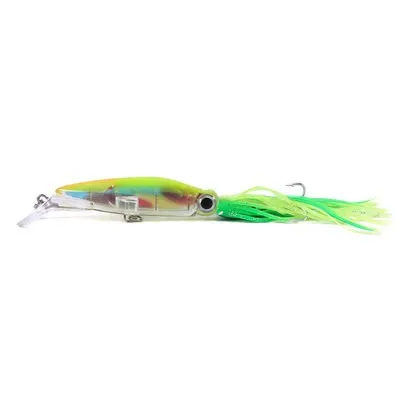
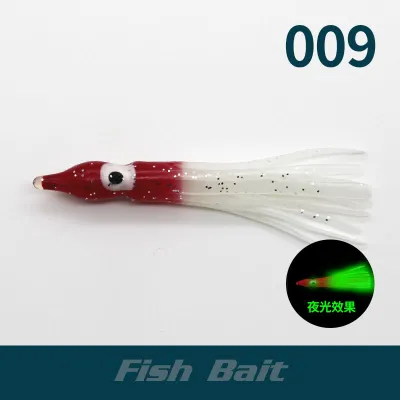
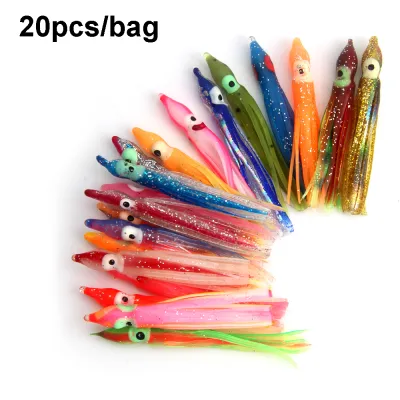
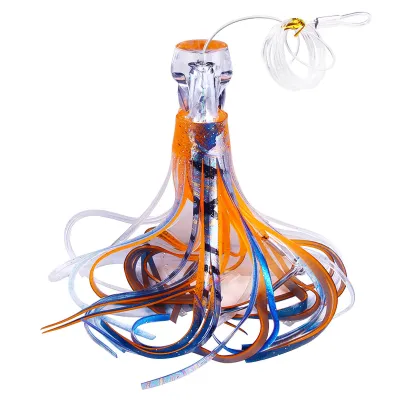
Evaluating the physical features of an octopus fishing lure is the first step in predicting how it will behave underwater. The skirt is the most prominent feature, typically constructed from either silicone or rubber. Silicone skirts offer exceptional flexibility and are highly responsive to subtle water currents, producing a fine, pulsating action that mimics the breathing movement of a live cephalopod. Rubber skirts tend to be thicker and stiffer, which creates a bulkier profile and moves more water, making them highly noticeable to predatory fish but also more susceptible to degradation under the intense heat and humidity of tropical climates.
Hook placement and weighting configurations directly dictate where and how you can present the lure. Unweighted octopus skirts are highly versatile, allowing you to slide them over the eye of a pre-weighted hook or use them as trailers behind metal jigs and trolling lures. Lightly weighted configurations are excellent for casting into shallow reef flats where you want a slow, natural fall. For deep-water applications or areas with strong tidal movements, a heavy jighead-rigged configuration is necessary to keep the lure close to the seabed where bottom-dwelling predators hunt.
Products mentioned in this guide
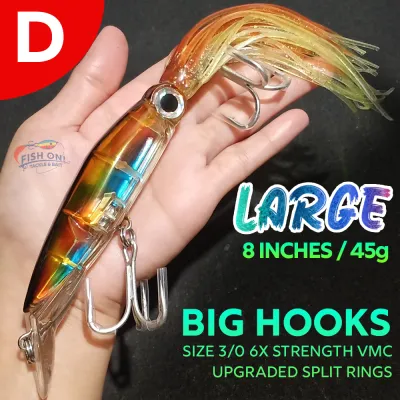
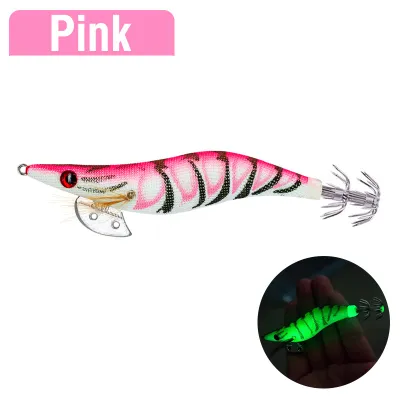
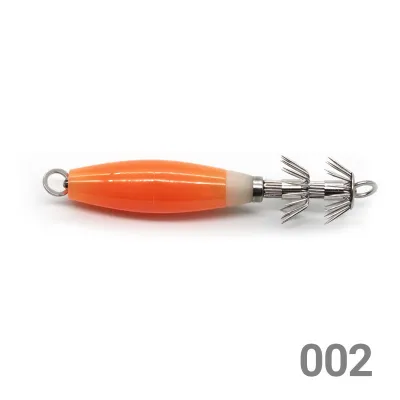
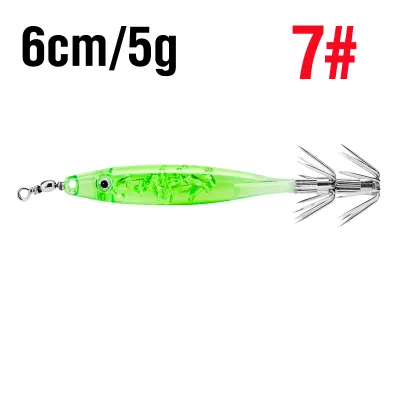
Prices are valid at publication and may change. Please refer to the product page for the latest price.
Before purchasing, always check the manufacturer’s specifications on the packaging for intended depth ranges, optimal retrieval speeds, and structural limits. High-quality lures often specify the gauge and material of the pre-rigged hooks, which is critical when targeting powerful marine species. Look for corrosion-resistant finishes like tin plating or black nickel, and verify that the hook strength is rated to handle heavy pressure without bending or snapping during a hard fight.
Matching Lure Size and Weight to Target Fish Species
Selecting the correct lure size requires an understanding of the typical forage available in your target fishing spot. Predatory fish are opportunistic but often focus on prey of a specific size class. If you are targeting smaller reef species like juvenile snappers or groupers along shallow rocky shorelines, a compact lure measuring 3 to 4 inches in length is highly effective. For larger, deep-water predators or pelagic species like amberjacks and Spanish mackerel, upgrading to a bulkier 6-to-8-inch profile provides the substantial meal these fish actively seek.

Balancing the weight of your lure with the local current strength and target depth is crucial for maintaining control of your presentation. In many Philippine coastal areas, tidal currents can be swift, particularly around deep channels, reef passes, and drop-offs. If your lure is too light, the current will sweep it away from the bottom before it ever reaches the strike zone, rendering it ineffective. Conversely, an excessively heavy lure will plunge too quickly, making it difficult to work naturally and increasing the likelihood of getting wedged in rocky crevices.
Adjusting the sink rate of your lure allows you to target specific zones in the water column. For bottom-dwelling predators like lapu-lapu that hide in caves and under ledges, you need a fast-sinking setup that allows you to bounce the lure directly along the seabed. If you are targeting mid-water predators like talakitok that patrol the edges of reefs, a lighter weight or a wider, flutter-style jighead will slow the descent, keeping the lure in the active strike zone for a longer duration.
Finally, always verify that your fishing rod and line capacity are rated to handle the weight of your chosen lure. Every rod has a recommended lure weight range printed on the blank, and casting a lure that exceeds this limit can cause structural damage or catastrophic rod failure. Additionally, ensure your main line and leader material possess the strength and abrasion resistance required to pull heavy fish away from sharp coral edges once they strike your lure.
Selecting Lure Colors Based on Water Conditions and Depth
Applying the “match the hatch” principle is a reliable starting point when choosing lure colors. Octopuses are masters of camouflage, changing their color to blend with sand, rocks, or coral. However, when they are startled or moving quickly through open water, they often flash shades of reddish-brown, pale pink, or translucent white. Carrying lures that mimic these natural tones is highly effective when fishing in clear water under bright, sunny skies, as fish have ample time to inspect the lure before deciding to strike.
When water conditions turn murky, stained, or low-light—common occurrences near river mouths or after heavy tropical rainstorms—natural colors can easily become invisible. In these environments, transition to high-visibility and contrasting colors. Bright chartreuse, solid orange, and even solid black silhouettes are excellent choices because they create a sharp, recognizable outline against cloudy water, helping predatory fish locate the lure through visual contrast rather than realistic detail.
As you fish deeper water, you must account for the way light penetrates the ocean. Water acts as a natural filter, absorbing different wavelengths of light at varying depths. Red is the first color to disappear, turning into a dull, inconspicuous gray at depths of around 5 meters. If you are fishing deep drop-offs or sunken reefs, standard red lures lose their visual appeal. To counter this, select lures with UV-enhanced patterns or luminous (glow-in-the-dark) properties, which react to the limited light available in deep water and remain highly visible to deep-dwelling predators.
Rigging and Retrieval Techniques for Local Waters
The underwater terrain of the Philippines is incredibly diverse, ranging from sandy flats to highly abrasive volcanic rocks and dense coral reefs. To fish these areas effectively without constantly losing gear, you must choose the appropriate rigging method. For rocky or coral-heavy bottoms, a weedless rig—such as a Texas rig where the hook point is buried slightly inside the soft silicone body of the lure—is highly recommended. This setup allows the lure to slide over obstructions without snagging. In contrast, standard exposed-hook jigheads are ideal for open water or sandy bottoms where maximum hook-up ratios are the priority.
Adapting your retrieval speed and style is essential to mimic the natural movements of an octopus. Octopuses rarely swim in long, continuous straight lines; instead, they crawl along the bottom, dart forward in short bursts, and hide in crevices. You can replicate this behavior by using a bottom-hopping technique: lift your rod tip to pull the lure upward, then let it flutter back down on a semi-taut line. This action creates a puff of sand or silt on the bottom, which immediately draws the attention of nearby predators. For mid-water species, a moderate, steady retrieve punctuated by sudden pauses can trigger aggressive reaction strikes.
Before casting, take a moment to identify potential structural hazards in your immediate area. If you are fishing from a boat or kayak, position yourself so that you can retrieve your lure away from sharp reef edges rather than dragging it over them. If you are fishing from the shoreline, look for sandy channels between coral heads and target those pathways. Planning your retrieval path not only minimizes lure loss and tackle damage but also ensures you are presenting your lure in the natural travel lanes used by predatory fish.
To further refine your approach, consult local fishing reports, community forums, or experienced anglers at nearby tackle shops. Fishing conditions can change rapidly based on seasonal monsoons, local tides, and baitfish migrations. Gathering firsthand information about which rigging styles and retrieval speeds are currently producing results in your specific target area can save you time and significantly increase your catch rate.
Building Your Lure Selection Checklist
Creating a versatile and practical selection of octopus lures does not require buying every option on the shelf. Instead, focus on building a balanced kit that covers a wide range of fishing scenarios. Start by selecting a core group of sizes and weights tailored to the species you target most frequently. A well-rounded selection for local coastal waters should include a few small 3-inch lures for shallow reef fishing, several versatile 5-inch options for general casting, and a couple of heavy 7-inch lures for deep-water jigging.
Next, ensure your kit contains a strategic mix of colors to adapt to changing environmental conditions. Your tackle box should feature at least two natural, translucent, or pink patterns for clear water and bright days, alongside two high-visibility options like chartreuse or luminous white for murky water, overcast skies, or deep-water applications. This simple combination ensures you are prepared for sudden changes in weather, tides, and water clarity without carrying unnecessary weight.
When sourcing your gear, check local tackle shops or reputable online marketplaces to verify the quality of the materials. Inspect the durability of the silicone skirts, ensuring they are supple enough to move freely in the water but tough enough to withstand the sharp teeth of predatory fish. Pay close attention to the hook quality; investing in lures pre-rigged with high-carbon steel or tin-plated hooks will prevent premature rust and ensure the hardware does not fail when you hook into a powerful fish.
Finally, set a realistic budget in ₱ and prioritize versatile, high-quality lures over cheap, single-use alternatives. While it can be tempting to buy inexpensive lures in bulk, low-quality hooks and fragile skirts often lead to missed strikes and lost fish. A reliable, well-constructed octopus lure typically costs between ₱150 and ₱600. By investing in a smaller number of highly adaptable, durable lures and maintaining them properly, you will achieve better performance on the water and save money in the long run.
Frequently Asked Questions (FAQ)
Can I use the same octopus lure for both saltwater and freshwater species?
Before using any fishing lure across different environments, always check the hook and hardware corrosion resistance ratings. Saltwater is highly corrosive and will quickly ruin standard freshwater hooks, which are often made of lighter, untreated wire. If you plan to use a lure in the sea, ensure it is equipped with saltwater-grade hardware, such as tin-plated or stainless steel hooks. To prolong the lifespan of your gear, always rinse your lures, hooks, and terminal tackle thoroughly with fresh water and dry them completely after every saltwater outing.
How do I store silicone octopus lures to prevent them from melting or deforming?
To keep your soft silicone lures in optimal condition, store them in their original packaging or in dedicated, chemically compatible tackle boxes labeled as worm-proof. Avoid mixing different brands or types of soft plastics in the same compartment, as the chemical plasticizers can react with one another, causing the lures to melt, warp, or bleed colors. Additionally, keep your tackle boxes stored in a cool, dry place away from direct sunlight and the intense heat of tropical storage areas, as prolonged heat exposure will permanently deform the delicate skirts.

Community discussion
Share your experience or ask a question. Comments are reviewed before publication.