
Selecting the correct boxing glove weight is the most critical decision you will make before stepping onto the canvas or facing a heavy bag. The right ounce rating prevents hand injuries, ensures your sparring partners remain safe, and helps you develop proper punching mechanics. Generally, your choice depends on whether you are focusing on high-speed mitt work, heavy bag conditioning, or live sparring sessions. For most fitness enthusiasts and club fighters, a versatile 12oz or 14oz glove serves as a practical starting point for daily training. If your routine involves heavy sparring, gym etiquette and safety standards almost universally require a 16oz glove to cushion impacts. Conversely, competitive bouts and specialized speed training utilize lighter 8oz or 10oz gloves to maximize hand speed. Matching your gear to your specific training phase is essential for long-term progress and injury prevention.
Understanding Boxing Glove Weights and Training Purposes
In the world of combat sports, boxing gloves are categorized by weight, measured in ounces (abbreviated as “oz”). It is a common misconception among beginners that the ounce rating represents the physical size of the glove compartment. In reality, the ounce rating denotes the weight of the padding and materials used to construct the glove. A higher ounce rating means more foam or gel padding is layered over the knuckles, which directly affects how impact forces are distributed upon contact.
Standard glove weights typically range from 8oz to 16oz, with each increment serving a distinct role in a fighter’s development. Lighter gloves contain less padding, allowing for faster hand movement and a more realistic feel of impact. Heavier gloves feature dense, multi-layered foam systems designed to absorb high-velocity impacts, shielding the delicate bones of your hands from stress fractures. Understanding this distinction helps you select gear that aligns with your immediate fitness or competitive goals.
Products mentioned in this guide
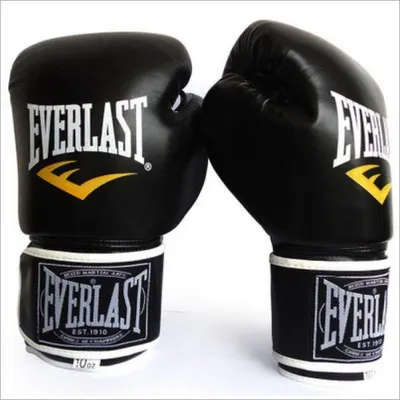
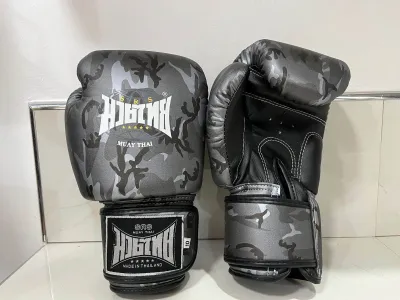
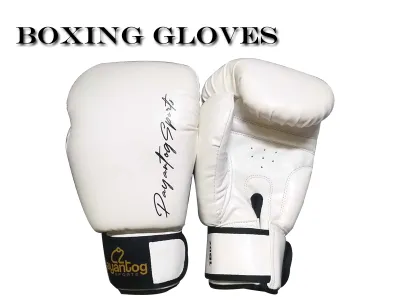
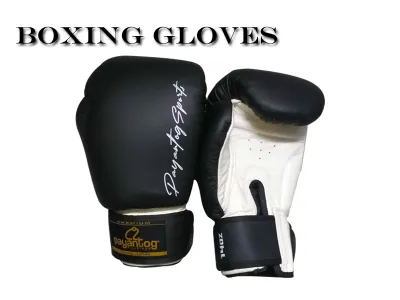
Prices are valid at publication and may change. Please refer to the product page for the latest price.
While the training activity is the primary driver of your choice, your physical profile also plays a significant role. Your body weight, hand circumference, and the thickness of your hand wraps all influence how a glove fits and performs. A heavier individual generates more kinetic energy and requires thicker padding to prevent bottoming out against a hard target. Additionally, you must always account for the extra volume of hand wraps, which can make a tightly fitted glove feel restrictive or cut off circulation if not sized correctly.
Comparing Glove Weights by Training Scenario
Different training scenarios demand specific glove characteristics to optimize performance and maintain safety. Using the wrong weight for a specific drill can lead to premature wear of the glove, hand fatigue, or unnecessary risk to your training partners.

8oz to 10oz Gloves
These lightweight gloves are engineered primarily for official competition, professional fights, and specialized speed training. Because they contain minimal padding, they offer maximum speed and allow fighters to deliver sharp, high-velocity punches. In professional matches, welterweight and lighter classes typically wear 8oz gloves, while heavier classes step up to 10oz gloves.
Outside of competition, these sizes are excellent for speed bag and double-end bag work. The reduced weight allows you to focus on hand-eye coordination, shoulder endurance, and rapid recovery of your guard. However, because they offer very little knuckle protection, they should not be used for heavy bag workouts, as the repeated high-impact forces can easily damage the small joints in your hands.
12oz to 14oz Gloves
Often considered the workhorses of the boxing gym, 12oz and 14oz gloves offer a balanced middle ground for general training. They provide sufficient knuckle protection to absorb repeated impacts on heavy bags and focus mitts while remaining light enough to prevent excessive shoulder fatigue during long training sessions.
For pad work with a coach, these weights are ideal because they provide crisp tactile feedback, allowing you to feel whether your punches are landing flush. They are also the standard choice for fitness boxing classes, where participants engage in a mix of calisthenics, bag work, and light partner drills. If you weigh under 68 kilograms (150 pounds), a 12oz glove is often a highly versatile daily option, while those above that weight typically benefit from the added protection of a 14oz glove.
16oz Gloves and Above
When it comes to live sparring, 16oz gloves are the gold standard and are frequently mandated by gym owners and coaches. The primary purpose of a 16oz glove is safety—not just for you, but for your sparring partner. The thick, dense padding slows down the deceleration of the punch upon impact, reducing the risk of cuts, bruises, and concussions during training.
Beyond sparring, 16oz gloves are highly effective for heavy bag conditioning. Training with a heavier glove forces your shoulders, back, and core to work harder to maintain a high guard and throw crisp punches. When you eventually transition to lighter competition gloves, your hands will feel incredibly fast and light.
For beginners who can only afford a single pair of gloves, a 14oz or 16oz glove is generally the safest and most practical choice. It allows you to participate in every aspect of a boxing class, including light sparring, without violating gym safety rules or risking hand injuries on the heavy bag.
Key Features to Verify Beyond the Ounce Rating
While selecting the correct ounce rating is a vital first step, the overall construction and design of the glove determine its comfort, safety, and longevity. You must evaluate several physical attributes to ensure your investment provides adequate protection.
First, examine the padding distribution across the glove. High-quality gloves feature a balanced design where the foam wraps smoothly over the knuckles and extends down to support the wrist. Some gloves are front-heavy, concentrating all padding at the knuckles, which can leave your wrists vulnerable to bending or hyperextension upon impact. Look for gloves with wide, stiff wrist cuffs that act as a splint, keeping your hand and forearm aligned during heavy punches.
Second, consider the closure system, which typically comes in lace-up or hook-and-loop (Velcro) designs. Lace-up gloves offer a highly secure, custom fit and excellent wrist support, but they require a coach or training partner to tie them for you, making them impractical for solo workouts. Velcro straps offer convenience, allowing you to put on and take off your gloves independently during fast-paced circuit training. For daily gym use, a wide, high-quality Velcro strap is highly practical.
Third, material selection is critical, especially when training in tropical climates like the Philippines. High humidity and heat cause hands to sweat profusely, which can degrade materials and lead to severe odor buildup. Genuine leather gloves offer excellent durability and stretch, conforming to your hand over time, but they require regular conditioning. High-grade synthetic leathers, such as microfiber, offer excellent moisture resistance and are easier to wipe clean after a grueling session in a humid gym. Look for gloves with mesh palms or ventilation pinholes to promote airflow and speed up the drying process.
When shopping locally, you can verify manufacturer specifications and user reviews for reputable domestic brands, such as Payantog gloves. Checking community feedback helps ensure that the stated ounce weight of the glove matches its actual physical weight and padding density. Some lower-quality gloves may be labeled as 14oz but actually weigh much less or use cheap, soft foam that bottoms out quickly. Opting for established local brands known for durable stitching and dense foam layers ensures you get reliable protection without paying premium import prices.
Decision Framework: Which Glove Weight Should You Buy?
To finalize your decision, use this structured framework to match your physical profile and training goals to the correct glove weight:
- Choose 10oz gloves if: You are actively preparing for an amateur or professional competition that mandates this weight, or if your workouts are strictly limited to speed bags, double-end bags, and light mitt work where speed is the primary focus.
- Choose 12oz to 14oz gloves if: Your daily routine consists of heavy bag workouts, focus mitt drills, and fitness boxing classes. This range is well-suited for individuals looking for a versatile, responsive glove that protects the knuckles during high-volume punching.
- Choose 16oz gloves if: You participate in live sparring sessions, weigh over 80 kilograms, or want to maximize shoulder conditioning during heavy bag workouts. This weight is non-negotiable for maintaining a safe sparring environment in most reputable gyms.
- Consider alternative sizes if: You are purchasing gear for a child or a very small-framed adult. Standard adult gloves may have hand compartments that are too large, leading to hand slippage and wrist injuries. In these cases, look for youth-specific sizing or specialized 6oz to 8oz training gloves.
Before making any purchase, always consult with your local gym, head coach, or competition organizer. Many gyms enforce strict policies regarding acceptable glove brands and minimum weights for sparring to comply with safety and insurance standards. Ensuring your gear meets these local requirements beforehand saves you from having to purchase a second pair of gloves later.
Frequently Asked Questions (FAQ)
Can I use 16oz gloves for heavy bag work?
Yes, you can absolutely use 16oz gloves for heavy bag work, and many experienced fighters prefer to do so. Training on a heavy bag with 16oz gloves provides excellent conditioning for your shoulders, arms, and upper body, as the extra weight forces you to work harder to keep your hands up. It also offers maximum knuckle protection, which is highly beneficial if you have a history of hand injuries or train on extremely dense, hard-packed bags. The primary trade-off is a slight loss of punching speed and less tactile feedback, making it harder to feel the exact angle at which your knuckles connect with the bag.
Do I need hand wraps under my boxing gloves?
Yes, hand wraps are a non-negotiable safety requirement for boxing training, regardless of the ounce rating or padding thickness of your gloves. While glove foam absorbs the external impact of a punch, hand wraps compress and secure the twenty-seven small bones, tendons, and ligaments in your hand and wrist. They prevent the knuckles from collapsing together upon impact and stabilize the wrist joint to prevent painful sprains. Skipping hand wraps significantly increases your risk of developing chronic wrist pain or suffering acute injuries like a boxer’s fracture, even when wearing heavily padded 16oz gloves.
How do I clean and maintain my gloves to prevent odors?
To prevent foul odors and extend the lifespan of your gloves, you must establish a strict post-workout maintenance routine. Immediately after training, use a clean microfiber cloth to wipe away sweat from both the exterior and interior of the gloves. Never leave your damp gloves inside a closed gym bag, as the dark, humid environment promotes rapid bacterial growth. Instead, open the wrist straps as wide as possible and place the gloves in a well-ventilated indoor area away from direct sunlight, which can crack the leather or synthetic exterior. For added protection, insert moisture-absorbing cedar chips or glove deodorizers to dry out the inner lining completely between sessions.

Community discussion
Share your experience or ask a question. Comments are reviewed before publication.