
Selecting the correct boxing glove weight is the most critical decision for your home boxing setup. The right weight protects your hands, preserves your punching mechanics, and ensures the safety of your training partners. In home environments, where you might transition quickly from a heavy bag workout to shadow boxing, understanding how glove weight (measured in ounces, or “oz”) affects your performance is essential.
Generally, glove selection depends on your body weight, hand size, and the specific training activity you plan to perform. For heavy bag workouts, heavier gloves with dense padding are necessary to absorb high-impact forces. For shadow boxing, lighter gloves or simple hand wraps help maintain speed and prevent joint strain. If you are practicing partner drills, softer and heavier gloves are required to keep both you and your training partner safe.
Understand Boxing Glove Weights and Hand Protection
In the boxing world, gloves are categorized by weight rather than traditional sizing. This weight is measured in ounces, typically ranging from 8 oz to 16 oz for standard training gear. The weight of the glove directly correlates with the amount of protective padding layered inside. A heavier glove contains more foam or gel layers, which are designed to absorb and disperse the kinetic energy generated when your fist connects with a target.
Products mentioned in this guide
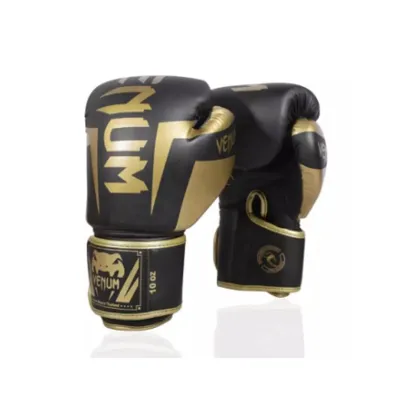
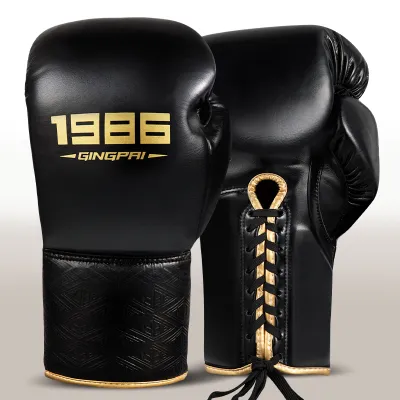
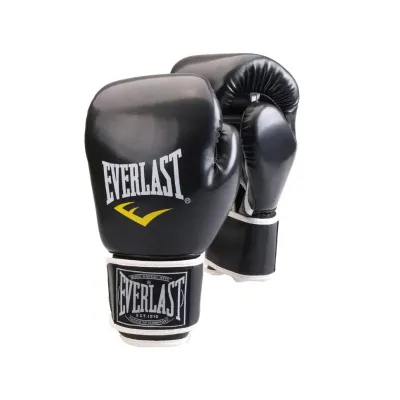
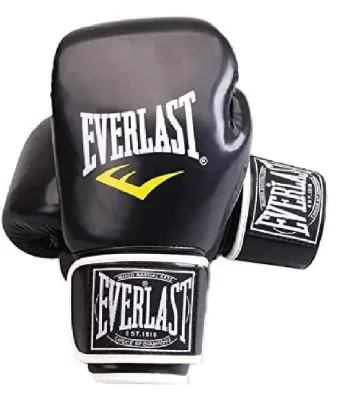
![IN STOCK]EVERLAST Boxing Punching Gloves 1 Pair for adults Professional Training Muay Thai MMA](https://img.lazcdn.com/g/p/2b634e5edcea53a18fb0ec5fc44976d6.jpg_400x400q80.jpg_.webp)
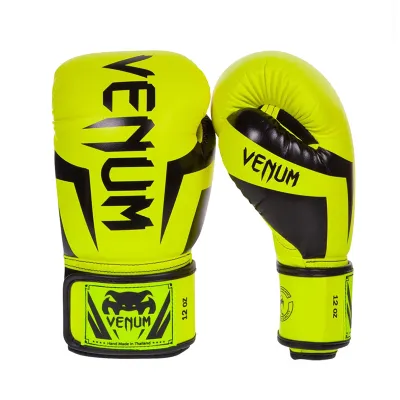
Prices are valid at publication and may change. Please refer to the product page for the latest price.
While more padding offers greater protection for your knuckles and wrists, it also adds physical weight to your hands. Training with heavier gloves increases the workload on your shoulders, arms, and upper body, which is highly beneficial for building muscular endurance during home workouts. However, if the gloves are too heavy for your current strength level, they can cause your hands to drop, slow down your punches, and negatively impact your technique. Conversely, lighter gloves allow for faster hand speed and a more realistic feel, but they offer significantly less impact absorption, which can lead to hand fatigue or injury if used on hard surfaces.
Match Glove Weight to Your Home Training Activities
Your home boxing routine likely consists of several different types of workouts, each demanding a specific balance of protection, speed, and sensory feedback. Using a single pair of gloves for every activity is rarely ideal, as the physical demands of striking a dense heavy bag are vastly different from punching the air during shadow boxing.

To make an informed decision, evaluate what percentage of your training is dedicated to bag work, technical drills, or interactive partner sessions. Choosing the wrong weight for a specific drill can compromise your form or increase the risk of repetitive strain injuries. By matching the glove weight to your primary training modality, you can optimize both your safety and your athletic development.
Heavy Bag Work and Pad Training
Striking a solid, unyielding surface like a heavy bag requires substantial impact absorption to protect the delicate bones in your hands. When you hit a heavy bag, the force of the impact travels back up your hand, wrist, and arm. Without sufficient padding, this repeated shock can lead to bruised knuckles, wrist sprains, or chronic joint pain.
For standard heavy bag workouts and focus mitt training at home, gloves weighing 12 oz, 14 oz, or 16 oz are generally recommended. Heavier individuals or those who naturally punch with high force should lean toward 14 oz or 16 oz options to ensure the padding does not bottom out. When selecting gloves for this purpose, look for models specifically designated as bag gloves. These are engineered with denser, multi-layered foam structures designed to withstand repeated compression against hard surfaces without breaking down quickly.
It is also vital to verify that the gloves offer robust wrist support. A wide, rigid wrist strap helps keep your wrist aligned with your forearm during impact, reducing the likelihood of the wrist bending or buckling under pressure.
Shadow Boxing and Technique Drills
Shadow boxing is an essential component of home training that focuses on movement, footwork, and perfecting your punching form. Because you are punching the air rather than a physical target, there is no external surface to stop your fist’s forward momentum. Your muscles and joints must work to decelerate your arms at the end of each strike.
Using heavy bag gloves for extended shadow boxing sessions can place excessive strain on your elbows and shoulders, potentially leading to hyperextension or joint inflammation. For this reason, lighter gloves in the 8 oz to 10 oz range, or even training with hand wraps alone, are highly suitable for technique-focused drills. Lighter gloves allow you to maintain natural hand speed, feel the snap of your punches, and focus on clean mechanics without the burden of extra weight.
If your goal is to build shoulder endurance specifically during shadow boxing, you can occasionally use slightly weighted gloves. However, these should be used with caution and at a controlled pace to ensure you do not compromise your form or overextend your joints.
Partner Drills and Light Sparring
If your home training setup includes a family member or training partner for interactive drills and light sparring, safety requirements change dramatically. In these scenarios, the primary goal of the glove’s padding shifts from protecting only your hands to also protecting your training partner from injury.
Standard safety practices generally require 14 oz or 16 oz gloves for any form of partner contact, regardless of your body weight. These gloves feature softer, more pillowy padding that is specifically designed to distribute impact forces across a wider surface area, reducing the risk of cuts, bruises, or concussions. Using small, dense bag gloves for partner drills is highly discouraged, as the compacted foam can cause significant discomfort or injury to your partner.
Before engaging in any contact drills at home, always verify safety agreements with your partner and ensure both of you are wearing appropriate protective gear. If you plan to transition from heavy bag work to light sparring, having a dedicated pair of sparring gloves is the safest approach to maintain the integrity of the soft padding.
Factor in Your Body Weight and Hand Size
While training activity is a primary guide, your physical profile is equally important when determining the correct glove weight. Your body weight and hand size dictate how much force you generate and how the glove will physically fit your hand.
As a general starting point, lighter individuals (typically under 60 kilograms) often find 12 oz gloves provide a balanced mix of protection and weight for general training. Those in the middle weight range (60 to 80 kilograms) usually benefit from 14 oz gloves, which offer increased padding to match their greater striking power. Individuals weighing over 80 kilograms should generally opt for 16 oz gloves to ensure adequate impact dispersion and to prevent the foam from compressing completely on impact.
Hand size also plays a critical role in comfort and safety. A glove that is too tight can restrict blood circulation and cause hand cramping, while a glove that is too loose allows your hand to slide around inside, increasing the risk of skin chafing or wrist misalignment. Because internal hand compartments vary significantly between different manufacturers, it is essential to measure your hand circumference just below the knuckles and consult the specific manufacturer’s sizing chart before making a purchase.
Check Fit, Closure, and Safety Features
When setting up a home boxing corner, convenience and ease of use are major factors in how consistently you will train. One of the most practical decisions you will make is choosing between Velcro (hook-and-loop) and lace-up closures. For solo home training, Velcro closures are highly recommended. They allow you to easily put on and take off your gloves without assistance, whereas lace-up gloves require another person to tie and untie them securely. Look for a wide Velcro strap that wraps fully around the wrist to provide maximum stability.
Other critical safety features to evaluate include the thumb attachment and the palm grip bar. A fully attached thumb design keeps your thumb tucked close to your fist, preventing it from catching on the bag or bending backward during a misplaced punch. A solid grip bar inside the palm helps you naturally curl your fingers into a tight, secure fist, reducing hand fatigue and improving punch alignment.
Additionally, training in tropical climates like the Philippines means dealing with high heat and humidity. Excess sweat inside a glove can lead to rapid material degradation and unpleasant odors. Look for gloves that feature breathable mesh palms, ventilation holes, and moisture-wicking inner linings to help manage sweat and keep your hands cool during intense workouts.
Maintain Your Gloves for Longevity
Proper maintenance is essential to extend the lifespan of your boxing gloves, especially when training in humid home environments. Sweat and moisture left inside the gloves can quickly become a breeding ground for bacteria, leading to persistent odors and the breakdown of internal materials.
After every training session, use a clean, dry cloth to wipe down both the exterior and interior of your gloves to remove excess sweat. Once wiped, open the gloves as wide as possible and place them in a well-ventilated, shaded area to air-dry completely. Never leave your gloves inside a closed gym bag, and strictly avoid exposing them to direct sunlight or artificial heat sources like hair dryers, as extreme heat can crack synthetic or genuine leather and warp the protective foam core.
To manage odor and accelerate drying, consider using specialized glove deodorizers, cedar chip inserts, or moisture-absorbing pouches. These simple tools help draw out moisture from the deep crevices of the glove, keeping them fresh and ready for your next home workout.
Frequently Asked Questions (FAQ)
Can I use the same pair of gloves for heavy bag and sparring?
While it is physically possible to use one pair of gloves for both activities, it is not recommended for safety reasons. Striking a dense heavy bag repeatedly compacts the internal foam padding over time, making it hard and rigid. If you then use those same compacted gloves for sparring, you risk injuring your training partner, as the gloves will no longer absorb impact effectively. If your budget and home storage space allow, the safest approach is to maintain a dedicated pair of dense gloves for bag work and a separate, softer pair of 14 oz or 16 oz gloves exclusively for partner drills and sparring.
Do I need hand wraps for home heavy bag training?
Yes, hand wraps are an absolute necessity for any heavy bag training, regardless of the weight or padding of your gloves. While boxing gloves protect the surface of your knuckles, hand wraps secure the internal structure of your hand. They bind the many small bones, joints, and tendons in your hand and wrist together, preventing them from shifting or bending awkwardly upon impact. Wraps also provide essential wrist support, keeping the joint aligned. For home training, standard 180-inch semi-elastic wraps (often called Mexican-style wraps) are highly suitable, as they offer the right balance of stretch, support, and coverage for most hand sizes.

Community discussion
Share your experience or ask a question. Comments are reviewed before publication.