
Selecting the right PING sand wedge requires matching your personal skill level, swing style, and typical playing conditions to the club’s specific design characteristics. While PING is renowned for engineering highly forgiving and precise short-game tools, a wedge that works beautifully for a low-handicap tournament player might make bunker escapes incredibly difficult for a beginner. By understanding how clubhead size, sole width, bounce, and grind options interact with your swing, you can confidently select a wedge that lowers your scores. In tropical playing environments like the Philippines, where golfers frequently encounter grabby Bermuda grass, soft sand, and high humidity, choosing the correct specifications becomes even more critical to maintaining consistent turf interaction and control.
To find your ideal match, you must first evaluate your handicap and short-game goals. Beginners and high-handicap players benefit most from wide-soled, cavity-back designs that prevent digging and maximize forgiveness on off-center hits. Mid-handicap players should seek versatile sole grinds that allow for moderate face manipulation while retaining a helpful level of perimeter weighting. Advanced players, on the other hand, require compact, tour-inspired profiles that offer maximum workability, precise spin control, and clean turf interaction. By focusing on these core design traits rather than chasing specific model names, you can find a club that truly complements your swing.
Assess Your Skill Level and Short Game Needs
Beginners and high-handicap players (typically those with a handicap of 25 or higher) generally struggle with consistent ball striking and clean turf interaction. For these golfers, the primary objective around the green is simple: get the ball out of the hazard and onto the putting surface in a single stroke. Mishits are common, often resulting in “fat” shots (hitting behind the ball) or “thin” shots (blading the ball across the green). In bunkers, high-handicap players often struggle to slide the club under the ball, either digging too deep into the sand or lifting up too early. Therefore, their short game needs prioritize maximum forgiveness, a wide sole that resists digging, and a design that helps launch the ball high with minimal effort.
Products mentioned in this guide
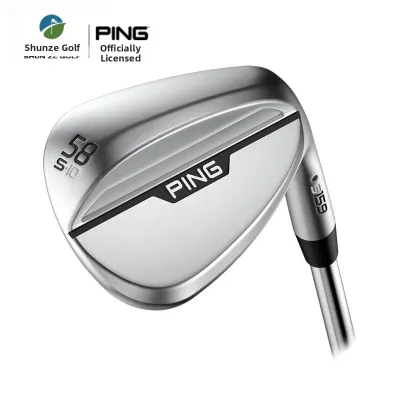
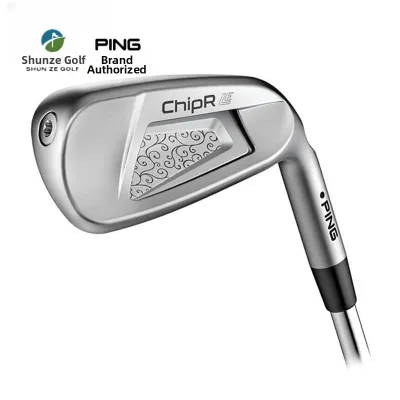
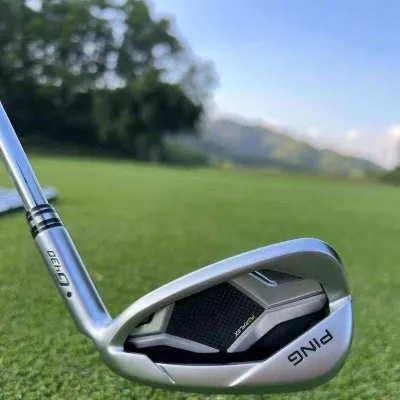
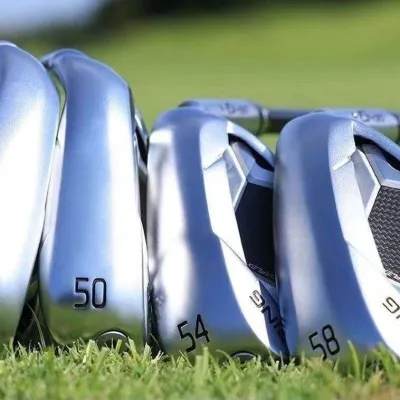
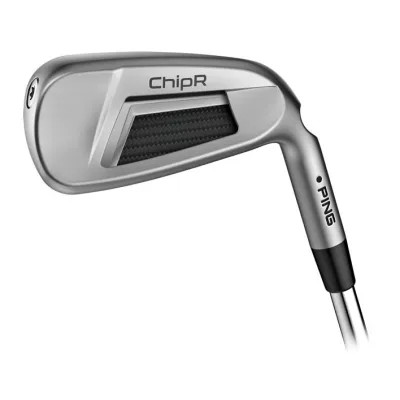
Prices are valid at publication and may change. Please refer to the product page for the latest price.
Mid-handicap players (handicaps between 10 and 24) have developed a more consistent swing but still experience occasional mishits. These golfers are starting to expand their short-game repertoire, moving beyond basic pitch shots to attempt soft chips, flop shots, and controlled bunker escapes. They require a balance between forgiveness and versatility. A mid-handicap player needs a wedge that provides enough stability on off-center strikes to protect their distance control, while still offering a sole shape that allows them to open or close the clubface slightly to handle different lies.
Low-handicap and advanced players (single-digit handicaps and scratch golfers) possess highly consistent swing mechanics and precise contact. Their needs center almost entirely on workability, precise spin control, and highly specific turf interaction. These players use their sand wedge for a wide variety of creative shots, from low-launching spinners that check up quickly on the green to high, delicate flops from tight lies. They demand a compact clubhead that provides immediate tactile feedback, allowing them to feel exactly where the ball made contact with the face. For these golfers, the wedge must act as an extension of their hands, requiring highly specialized sole grinds that match their specific angle of attack and the turf conditions of the courses they play.
Matching PING Wedge Designs to Your Player Profile
When exploring PING’s product offerings, it is helpful to understand how the brand translates these player profiles into specific design philosophies. High-handicap golfers should look for PING wedges that feature larger clubheads, wider soles, and pronounced perimeter weighting. These cavity-back or game-improvement designs distribute weight to the outer edges of the clubhead, which prevents the face from twisting on off-center hits. The wide sole acts as a safety net, gliding smoothly across the grass or sand rather than digging in, which is incredibly helpful when playing on wet, heavy turf common during the rainy season in tropical climates.

For the mid-handicap player, PING typically offers mid-sized profiles that blend the clean look of a traditional wedge with subtle game-improvement technology. These designs often feature a moderate cavity or a weighted insert behind the striking area to maintain forgiveness without sacrificing feel. The key feature to look for here is a versatile sole grind. A mid-sized wedge with a moderate sole width allows the golfer to play straightforward square-faced shots from the fairway, while still providing enough heel and toe relief to open the face for a higher launch out of a greenside bunker.
Low-handicap players will naturally gravitate toward PING’s compact, muscle-back, or forged wedge designs. These clubs feature a traditional teardrop shape with a thin topline and minimal offset, providing the clean visual profile that advanced players prefer at address. Without the bulky perimeter weighting of game-improvement models, these wedges offer maximum feedback, allowing the player to sense subtle differences in strike quality. The compact design also makes it easier to slide the clubhead through thick, heavy rough or nip the ball cleanly off tight, hard-packed lies.
Rather than searching for specific, older model names that may no longer be in production, golfers should consult the manufacturer’s current product descriptions and spec sheets. PING regularly updates its lineup, but the core design categories—ranging from ultra-forgiving wide-sole models to tour-inspired compact blades—remain consistent. By identifying which category a current model falls into based on its head shape, sole width, and weighting style, you can easily match it to your personal skill level.
Key Specifications to Verify on the Product Label
Once you have identified the general design category that fits your skill level, you must evaluate the specific technical details on the product label. The first and most critical specifications are loft and bounce. A standard sand wedge typically features a loft of 54 to 56 degrees. Bounce, which is the angle between the leading edge of the wedge and the lowest point of the sole, determines how the club interacts with the ground. High-bounce wedges (typically 12 degrees or more) are ideal for golfers with a steep angle of attack who take deep divots, as well as for playing in soft sand or lush, thick turf. Low-bounce wedges (8 degrees or less) are better suited for players with a shallow, sweeping swing and for firm, tight turf conditions. Mid-bounce options (around 10 degrees) offer a versatile middle ground.
Sole grinds are another essential specification to verify. The grind refers to the physical shaping of the sole, where material is removed from the heel, toe, or trailing edge. PING offers several distinct grind options designed to accommodate different swing types and course conditions. For example, a grind with significant heel and toe relief allows the clubface to be opened wide without raising the leading edge, making it easier to execute high-lofted shots from tight lies. Conversely, a full-sole grind provides maximum surface area, which is highly beneficial for straight-faced shots and soft bunker play.
Groove technology plays a vital role in generating the spin necessary to stop the ball quickly on the green. When reviewing PING’s specifications, look for details regarding their groove engineering, such as precision-milled grooves or specialized face textures. In highly humid environments or wet weather, water and debris can get trapped between the ball and the clubface, drastically reducing spin. PING often utilizes water-repelling finishes or specific groove configurations designed to channel moisture away from the face, helping to maintain consistent spin rates and launch angles regardless of the weather.
Finally, do not overlook the shaft and grip specifications. The shaft of your sand wedge should generally match the weight and flex profile of your iron set to ensure a consistent swing tempo. While many wedges come standard with wedge-flex steel shafts, players using lightweight graphite irons may want to opt for a matching graphite wedge shaft. Additionally, ensure the grip size is correct for your hands. In hot, humid tropical climates, selecting a grip material with excellent moisture management and traction is essential to prevent the club from slipping during your swing.
Testing and Finalizing Your Purchase Decision
Before making a final purchase, it is highly recommended to test the wedge in real-world conditions or on a launch monitor. When testing, do not just hit full shots from a perfect fairway lie. Instead, focus on the shots you will actually play with a sand wedge: short chips from the rough, pitch shots from various distances, and escapes from a practice bunker. Pay close attention to how the club feels at impact and how consistently the ball reacts when it lands on the green. Observe whether the sole glides smoothly through the turf or if it tends to dig or bounce excessively.
To ensure you are purchasing a genuine product with full warranty coverage, always buy from authorized golf retailers, professional club fitters, or the official brand store. Authorized dealers can guarantee the authenticity of the club and provide access to PING’s custom options. Avoid purchasing from unverified online marketplaces or third-party sellers where counterfeit clubs are common, as these imitation wedges lack the precise engineering, groove quality, and durable materials of genuine PING equipment.
For the best possible performance, consider undergoing a professional custom fitting. A certified fitter can analyze your swing data using a launch monitor to determine the precise loft, bounce, lie angle, and shaft specifications that match your unique swing mechanics. Adjusting the lie angle is particularly important; a wedge that is too upright will tend to pull shots to the left, while a wedge that is too flat will push shots to the right. Investing in a professional fitting ensures your new PING sand wedge is perfectly calibrated to help you execute precise, confident short-game shots.
Frequently Asked Questions (FAQ)
Can I use a PING sand wedge for full shots from the fairway?
Yes, you can use a PING sand wedge for full shots from the fairway, provided the distance matches your specific yardage gap. However, because sand wedges have high lofts (typically 54 to 56 degrees) and significant bounce, they are primarily designed for controlled short-game shots rather than high-speed full swings. When hitting a full shot with a sand wedge, the high bounce can sometimes cause the club to glide over firm turf, leading to thin or bladed shots if your contact is not precise. It is generally recommended to consult the manufacturer’s distance charts and use your sand wedge for full shots only when you need a high, soft-landing shot that stops quickly, ensuring you do not swing too aggressively.
How often should I replace the grooves on my sand wedge?
As a general guideline, active golfers who play once or twice a week should consider replacing their sand wedge every 60 to 80 rounds, or roughly every one to two years, to maintain optimal spin performance. Over time, contact with golf balls, sand, and soil wears down the sharp edges of the grooves, reducing their ability to grip the ball. You can perform a visual inspection of the groove edges; if they appear rounded, nicked, or visibly worn, it is time for a replacement. Additionally, if you notice a significant loss of spin control—such as balls releasing too far on the green or sliding up the face in wet conditions—this is a clear indicator that the grooves have lost their effectiveness. Always follow the manufacturer’s care instructions, including cleaning your grooves with a soft brush after every shot, to prolong the life of your wedge.

Community discussion
Share your experience or ask a question. Comments are reviewed before publication.