
Selecting the right floating seat for a swimming pool is a critical decision that directly impacts your child’s safety, comfort, and confidence in the water. To make an informed choice, parents must evaluate their child’s physical weight, developmental milestones, and emotional readiness. A floating seat is not a passive babysitter or a certified life-saving device; rather, it is a recreational tool designed to support a child who is already comfortable in a pool environment. By matching the seat’s structural design to your child’s specific physical dimensions and water confidence, you can create a positive, supportive experience that fosters a lifelong love for swimming.
Assess Your Child's Readiness and Water Confidence
Before purchasing a floating seat, closely observe how your child reacts to the pool environment. Some children display natural curiosity, eagerly reaching for the water and laughing at splashes, while others experience water anxiety, clinging tightly to parents or crying when water touches their face. If a child is terrified of water splashing near their eyes, forcing them into a floating seat can intensify their fear and create a negative association with swimming. Introduce the pool gradually, ensuring they are comfortable with the sights, sounds, and sensations of splashing while being held securely in your arms before transitioning them into any flotation aid.
Physical development is equally important. A child must possess sufficient core strength to use specific types of floating seats safely. For infants, look for signs of independent sitting balance. If your baby cannot yet hold their head up steadily or sit upright without support on land, they require a specialized float with full neck, head, and back support. Placing a child with weak core muscles into a standard ring float can cause them to slump forward, restricting their breathing or causing discomfort.
Products mentioned in this guide
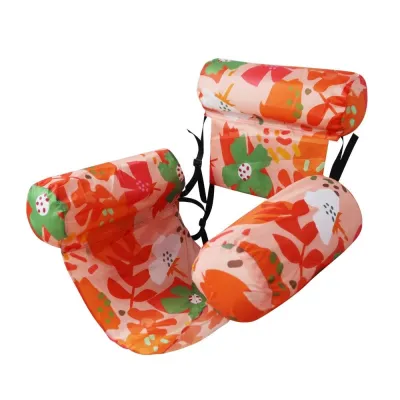
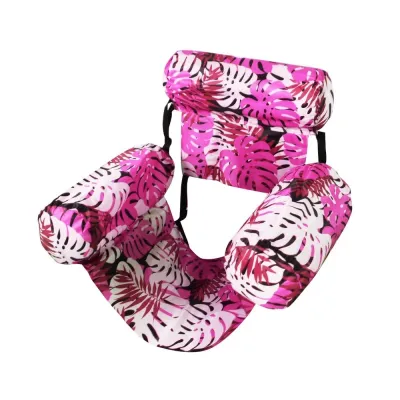
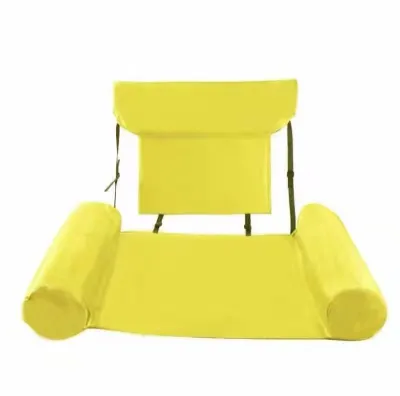
![[deveodo] Pool Lounge Chair Inflatable Portable Pool Lounge Heavy Duty Inflatable Pool Float for Adults – Tropical Plants Pattern Water Hammock Lounge Chair Perfect for Summer Pool Beach and Lake Relaxation](https://img.lazcdn.com/g/p/082d4f5fd9b861cced92ab60e4ad5e59.jpg_400x400q80.jpg_.webp)
Prices are valid at publication and may change. Please refer to the product page for the latest price.
As children grow, their behavioral cues will signal when they have outgrown a seated float. If your toddler constantly tries to climb out of the seat, leans aggressively over the sides to grab toys, or expresses frustration at not being able to kick and paddle freely, they are likely ready to transition. At this stage, moving to wearable flotation aids, such as swim vests or arm bands, under close supervision, will better support their developing swimming skills.
Match the Floating Seat to Age and Weight Specifications
When browsing options, always prioritize the manufacturer’s weight limits over generalized age recommendations. Age ranges on packaging are merely rough guidelines; children of the same age can vary significantly in weight and body proportions. Check the product label carefully for both the minimum and maximum weight capacities. Using a float designed for a heavier child can cause a smaller infant to slip through the leg holes, while exceeding the maximum weight limit compromises the float’s buoyancy, causing it to sit too low in the water.

Understanding how a child’s center of gravity shifts is essential for maintaining stability. Infants have a relatively high center of gravity because their heads are larger and heavier in proportion to their bodies. A properly designed floating seat accounts for this by positioning the child deep within the seat, keeping their center of mass low and centered. As toddlers grow and their limbs lengthen, their movement patterns change. If the seat does not match their physical proportions, their active movements can easily shift the center of gravity outward, increasing the risk of tipping.
To prevent physical discomfort, compare the seat’s physical dimensions to your child’s body. Leg holes should be smooth and wide enough to accommodate chubby thighs without pinching or chafing, yet snug enough to prevent the child from sliding downward. The backrest should align comfortably with their spine. In the tropical climate of the Philippines, where high humidity and warm pool water can make skin more sensitive, tight or rough plastic seams can quickly cause painful skin irritation. Ensuring a proper fit minimizes friction and keeps your child happy during pool sessions.
Evaluate Design Features for Swimming Level and Safety
The structural design of a floating seat must align with your child’s mobility and swimming level. For infants and younger babies, full-enclosure bucket seats are the standard choice. These designs feature a secure, diaper-style seat that provides complete pelvic and back support, keeping the baby upright and stable. For older toddlers who have developed strong core control and are beginning to explore independent movement, open-ring designs with integrated seats offer more freedom. These allow the child to practice kicking their legs and splashing their hands, building foundational water confidence.
Safety features should be evaluated with a critical eye. Look for floating seats constructed with multiple independent air chambers. This design ensures that if one chamber is accidentally punctured by a sharp pool edge or a toy, the remaining chambers will retain enough buoyancy to keep the float stable while you safely retrieve your child. Single-chamber floats present a higher risk, as a single puncture can lead to immediate deflation.
A wide, stable base is another non-negotiable feature. The outer ring of the float should extend significantly beyond the seating area to create a broad footprint on the water’s surface. This wide base resists the tipping forces created when a child leans to reach for a toy or kicks enthusiastically. Additionally, check for secure harness systems or adjustable safety straps. These straps should keep the child centered and upright without restricting their breathing, circulation, or natural movement. Avoid designs with overly complex buckles that could jam in an emergency, opting instead for simple, robust fasteners that are easy to secure and release.
Verify Safety Labels and Manufacturer Guidelines
Before inflating any floating seat, locate and thoroughly read the manufacturer’s warning labels. These labels contain critical operational limits, including maximum weight, recommended water depth, and the mandatory requirement for constant, active adult supervision. In the Philippines, where backyard pools, resort outings, and beach trips are common weekend activities, it is easy to get distracted. However, a floating seat is a recreational water toy, not a life-saving device. It does not replace the watchful eye and physical proximity of a responsible adult.
Inspect the material quality and construction of the float before purchase. High-quality floats are typically made from thick, heavy-duty PVC that resists punctures and stands up to pool chemicals like chlorine. The seams should be heat-sealed and smooth to the touch, indicating strong construction. Look for safety valves that require squeezing to inflate or deflate; these valves prevent rapid air loss if the cap accidentally pops open during play.
Establish a strict pre-use checklist before every pool session. First, inflate the seat fully and inspect the air valves to ensure they seal tightly and can be pushed flush into the float. Second, check the seams for any signs of separation or slow leaks; you can apply a small amount of soapy water to the seams and look for bubbles, which indicate escaping air. Finally, inspect the plastic for signs of degradation, such as brittleness, fading, or stickiness, which can occur when gear is left exposed to intense tropical sunlight and humidity. If you detect any wear, discard the float immediately.
Frequently Asked Questions (FAQ)
Can a floating seat replace a life jacket for boating or open water?
Floating seats are strictly recreational pool toys and cannot replace certified life jackets or personal flotation devices (PFDs). They lack the specialized buoyancy distribution required to keep an unconscious user’s face above water and can easily capsize in waves, currents, or windy conditions. For boating, open water, lakes, or fast-moving rivers, children must wear a properly fitted, coast-guard-approved life jacket that is secured with all safety straps.
What should I do if my child leans forward and the seat tips?
If the seat begins to tip, immediately provide physical support to stabilize the float, reposition your child upright, and gently lift them out of the water to calm them. Once your child is safe and comfortable on the pool deck, reassess the situation. Check if your child has exceeded the maximum weight limit, as overloading reduces stability. Additionally, evaluate if their active movements or shifting center of gravity indicate they have outgrown the seat’s design and are ready for a more active flotation aid.

Community discussion
Share your experience or ask a question. Comments are reviewed before publication.