
Selecting the right portable tent outdoor setup for your adventures in the Philippines depends on matching your specific destination—whether it is a humid beach, a windy mountain ridge, or a drive-in campsite—to the tent’s weight, ventilation, and weatherproofing. Because tropical conditions can shift rapidly from intense heat to sudden downpours, understanding how different tent designs perform in these environments is key to staying comfortable and safe.
Quick Guide: Matching Tent Styles to Activities
Choosing a portable tent starts with understanding how different shapes perform in the field. Dome tents are the most common and versatile, offering a freestanding structure that is easy to pitch on various terrains, making them ideal for general camping. Tunnel tents provide an excellent space-to-weight ratio and excel in shedding wind when aligned correctly, which suits multi-day trekkers. Cabin tents prioritize vertical walls and high ceilings, offering maximum livability for families who travel by car and do not need to carry their gear on their backs.
The primary decision factor when selecting a tent is balancing packed weight against interior living space. Backpackers must scrutinize every gram, often sacrificing standing room for a lightweight, compact package that fits inside a pack. Conversely, car campers can prioritize comfort, choosing larger footprints and tall peak heights because the vehicle handles the heavy lifting.
Products mentioned in this guide
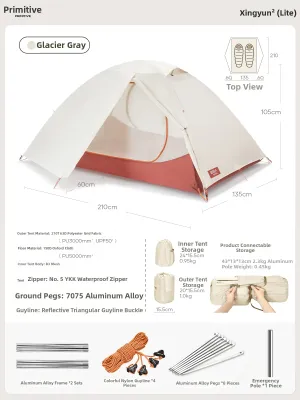
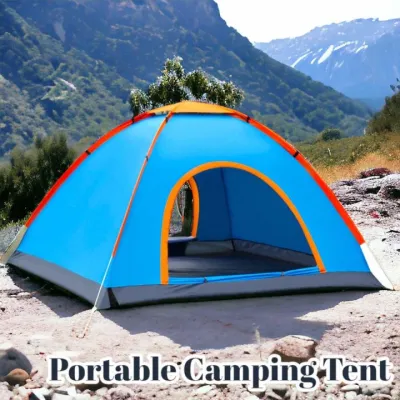
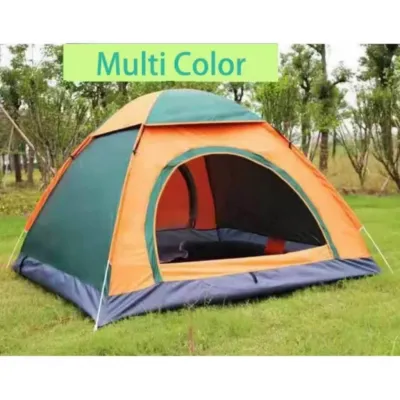
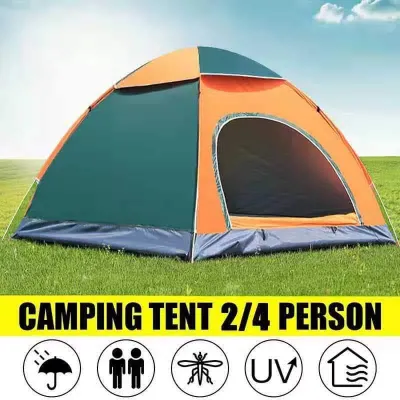
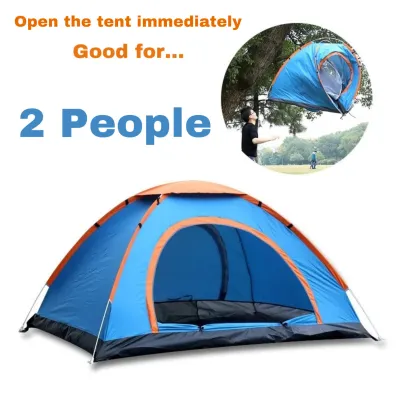
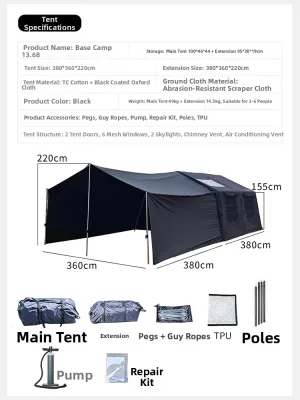
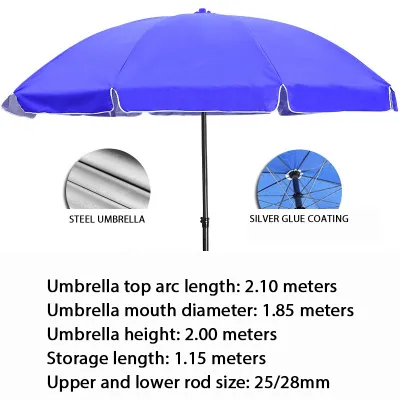
Prices are valid at publication and may change. Please refer to the product page for the latest price.
For tropical environments, the baseline requirement is a reliable three-season tent. This rating indicates the tent can handle heavy rain, high humidity, and moderate winds without the heavy, insulating fabrics required for winter snow. A proper tropical tent must feature extensive mesh panels to facilitate airflow while keeping insects out.
Essential Features to Evaluate for Local Conditions
To ensure your tent performs reliably in high humidity and sudden downpours, you must evaluate specific technical features before purchasing. Ventilation is the most critical factor in managing heat and condensation. In tropical climates, warm air and body moisture quickly build up inside a sealed tent, leading to a damp interior even if it is not raining. Look for designs with large mesh walls, adjustable rainfly vents, and doors that can be partially rolled back to encourage continuous cross-ventilation.

Weatherproofing requires a close inspection of fabric ratings and construction details. Check the manufacturer’s specifications for the hydrostatic head rating, which measures waterproofness in millimeters; a rating of 1,500mm to 3,000mm is generally sufficient for tropical rainstorms. Ensure the rainfly offers full coverage, extending all the way to the ground rather than covering only the top portion of the tent. Additionally, look for a bathtub-style floor, where the waterproof floor material extends several inches up the sides of the tent body to prevent ground water from seeping through the seams.
Structural integrity determines how well your shelter stands up to sudden gusts along ridges or coastlines. Aluminum poles are highly recommended over fiberglass because they offer a superior strength-to-weight ratio, bend without snapping under high pressure, and resist long-term wear. Examine the tent exterior for reinforced guyline attachment points; securing these lines to the ground distributes wind force evenly across the frame, preventing structural collapse during stormy weather.
Tent Recommendations by Specific Outdoor Scenario
Beach Camping and Coastal Trips
Coastal environments present unique challenges, including loose sand, salty air, and intense, unshaded sun exposure. Standard wire tent pegs will easily pull out of loose sand, so you must verify if the tent supports wide, curved sand pegs or features heavy-duty loops for deadman anchors, which involve burying bags of sand or heavy driftwood to secure the guylines.
The materials must also withstand harsh coastal elements. Look for fabrics treated with UV-resistant coatings to prevent the sun from degrading the fibers over time. Zippers are highly vulnerable to salt corrosion and sand jamming; check for heavy-duty, non-corrosive plastic or treated metal zippers, and ensure they are covered by protective fabric flaps.
Airflow is your primary defense against intense coastal heat. Choose a tent with a highly breathable inner body made mostly of fine mesh. This design allows the sea breeze to pass through freely while keeping out tiny sand flies and mosquitoes, ensuring a comfortable sleep even when the rainfly is fully deployed to block the wind.
Mountain Hiking and Backpacking
When carrying your shelter over steep trails and long distances, weight and packability become your highest priorities. It is essential to distinguish between “trail weight”—which includes only the tent body, rainfly, and poles—and “packaged weight,” which includes pegs, guyline cords, repair kits, and storage bags. Aim for a trail weight of under two kilograms for a two-person tent to keep your pack manageable.
The choice between freestanding and non-freestanding designs depends heavily on your destination’s terrain. Freestanding tents use a dedicated pole system to support themselves, allowing you to pitch them easily on rocky ground, wooden platforms, or hard-packed dirt where driving pegs is difficult. Non-freestanding tents rely on trekking poles and tensioned guylines for support; while they are significantly lighter, they require reliable ground conditions to secure the stakes properly.
High-altitude campsites are prone to sudden temperature drops and driving rain. Ensure your backpacking tent features a full-coverage rainfly that creates a secure vestibule for storing your wet pack and muddy boots outside the sleeping area. The tent profile should be aerodynamic, with a low-slung shape that sheds wind efficiently from all directions.
Family Car Camping and Basecamps
When your vehicle handles the transport, you can ignore weight limits and focus entirely on space, comfort, and livability. Cabin-style tents are excellent for families because their near-vertical walls maximize usable floor space, allowing you to place cots or large air mattresses side by side. Look for models with built-in room dividers to provide privacy for family members or to separate sleeping quarters from gear storage.
Livability features greatly enhance the camping experience during extended stays. Multiple doors prevent family members from stepping over each other during nighttime exits, while large gear vestibules act as mudrooms to keep wet shoes and dirty gear out of the main cabin. Interior storage pockets, gear loft loops, and dedicated lantern hangers help keep the living space organized and clutter-free.
However, larger tents come with increased setup complexity. Before purchasing, evaluate the pole configuration and hub systems; some large tents feature pre-attached poles that fold out instantly, while others require a complex assembly of color-coded sleeves and clips. Consider whether the tent can be pitched easily by one or two people, and check that the packed size fits comfortably in your vehicle’s trunk alongside your other gear.
Cross-Scenario Compatibility: Using One Tent for Multiple Trips
If you participate in various outdoor activities but prefer not to own multiple shelters, a hybrid tent might seem like an appealing solution. However, choosing a single “do-it-all” tent involves clear trade-offs. A hybrid tent designed to bridge the gap between backpacking and car camping is often heavier and bulkier than a dedicated trail shelter, making it tiring to carry on long hikes, while remaining significantly smaller and less comfortable than a true family cabin tent.
For most mixed-use scenarios, a standard three-season dome tent designed for two to three people offers the most practical compromise. These tents are typically light enough to be split between two hikers on a backpacking trip, yet spacious enough to provide decent comfort during a weekend car camping getaway. They perform reliably in both coastal and moderate mountain conditions, provided you adapt your anchoring methods to the specific terrain.
You should stop compromising and invest in a second, specialized tent when your primary activity shifts toward extremes. If you begin embarking on multi-day, high-altitude treks where every gram directly impacts your physical stamina, a heavy hybrid tent becomes a safety liability. Similarly, if your family trips grow to include more members or longer stays, the cramped quarters of a backpacking-friendly dome tent will quickly compromise everyone’s comfort and enjoyment.
Pre-Trip Inspection and Care for Tropical Climates
The high humidity and frequent rainfall of tropical climates accelerate the degradation of outdoor gear, making regular maintenance essential. Before departing on any trip, perform a thorough pre-departure inspection at home. Set up the tent in a dry area to check the integrity of the seam tape, which can dry out and peel over time; inspect the zippers for smooth operation, and check the elasticity of the shock cords inside the tent poles to ensure they pull the segments together securely.
Post-trip care is the single most critical factor in extending your tent’s lifespan. Never store a tent while it is damp, as mold and mildew can develop within 24 to 48 hours in warm, humid conditions, permanently damaging the waterproof polyurethane coatings and causing unpleasant odors. If you must pack up your tent in the rain, pitch it or hang it loosely in a well-ventilated, shaded indoor area or balcony as soon as you return home, allowing it to dry completely before packing it away.
Cleaning your tent properly prevents abrasive particles from wearing down the fabrics and coatings. Gently sweep or vacuum out sand, dirt, and dried leaves from the interior floor. To clean the exterior, use a soft sponge and cool water mixed with a mild, non-detergent soap specifically formulated for outdoor gear; avoid harsh household detergents, bleach, or washing machines, as these will strip away the waterproof coatings. Rinse the tent thoroughly to remove all soap residue, and clean the metal zippers with a soft brush to remove salt crystals and sand.
Frequently Asked Questions (FAQ)
How can I test a tent's waterproofness before a trip?
To test your tent’s waterproofness safely, pitch it fully in an outdoor space like a yard, driveway, or large balcony. Use a garden hose equipped with a spray nozzle set to a gentle shower or mist setting to simulate rainfall over the tent for ten to fifteen minutes; avoid using high-pressure streams, which can force water through the fabric and damage the protective coatings. Once finished, crawl inside the tent with a dry towel and carefully inspect the seams, zipper tracks, and the corners of the bathtub floor for any signs of moisture ingress or dampness.
Should I buy a tent footprint or groundsheet?
Investing in a tent footprint or groundsheet is highly recommended to protect your tent’s floor from sharp rocks, twigs, and abrasive soil, which can cause micro-punctures over time. When selecting or cutting a groundsheet, ensure its dimensions are slightly smaller than the actual base of your tent. If the footprint extends beyond the tent walls, it will catch rainwater running off the rainfly and channel it directly underneath your tent, pooling water beneath your floor and increasing the risk of moisture seeping inside.

Community discussion
Share your experience or ask a question. Comments are reviewed before publication.