
Choosing the right portable tent with stand requires balancing structural stability, setup convenience, and weather resistance. Unlike traditional tents that rely entirely on ground stakes, a tent with an integrated stand or freestanding frame offers versatility across different terrains, from sandy beaches to concrete patios. To find the ideal model, you must evaluate how the frame material handles local weather, ensure the interior dimensions accommodate your group comfortably, and verify that the ventilation can manage high humidity. Taking the time to assess these technical specifications before purchasing ensures your outdoor shelter remains safe, comfortable, and durable over many seasons.
Match Tent Capacity and Size to Your Outdoor Scenario
In tropical climates like the Philippines, outdoor activities often involve sudden rain showers or high humidity, meaning you cannot simply leave all your gear outside the tent. When calculating capacity, look beyond the manufacturer’s “person rating.” A rated four-person tent typically fits four sleeping pads side-by-side with zero clearance. For a comfortable experience, subtract one or two people from the official rating to allow space for bags, coolers, and dry clothes.
Consider where you plan to set up the structure. A large footprint might fit perfectly on a wide beach but could struggle on a tight backyard lawn or a designated wooden platform at an established campsite. Measure the flat ground clearance of your typical destinations before purchasing to ensure the stand fits comfortably within the available space.
Products mentioned in this guide
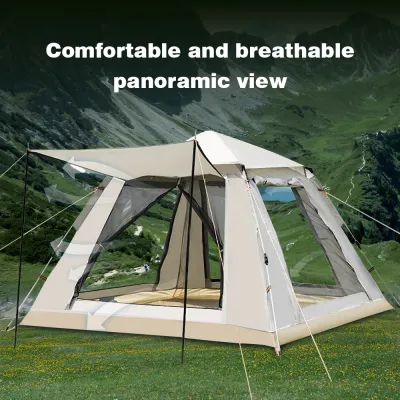
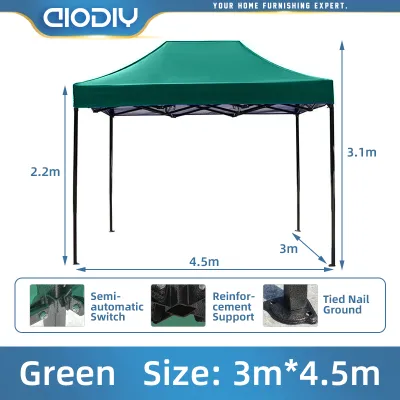
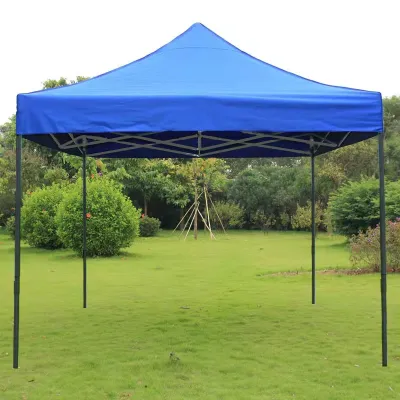
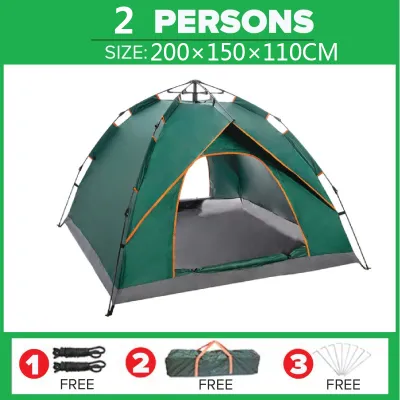
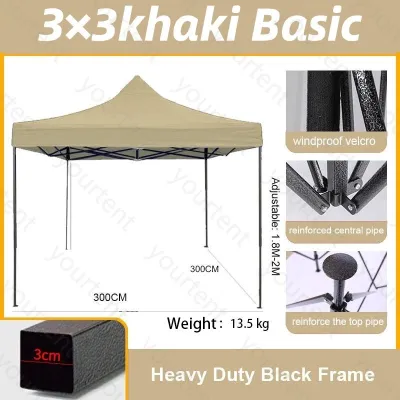
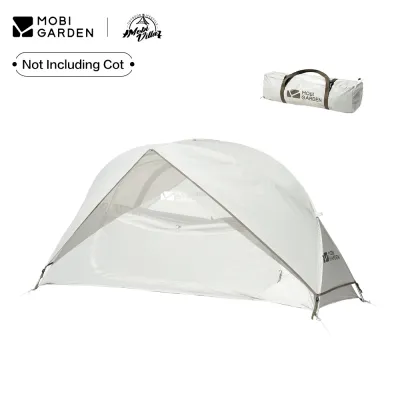
Prices are valid at publication and may change. Please refer to the product page for the latest price.
Peak height is crucial for comfort, especially if you plan to use the tent as a changing room or a daytime social shelter. Tents with vertical walls or dome structures supported by a high-clearance stand allow you to stand upright, reducing back strain during extended trips. Check the exact interior height specifications on the product label to ensure it matches your tallest camper.
When evaluating the footprint, also consider the angle of the tent walls. Slanted walls reduce the usable headroom, making the tent feel much smaller than its floor dimensions suggest. Tents designed with near-vertical walls maximize the interior volume, allowing you to place cots or air mattresses closer to the edges without pressing against the fabric.
Compare Frame Materials for Weight and Durability
The frame is the backbone of any portable tent with stand, and your choice of material directly impacts both transport weight and long-term durability. Steel frames offer exceptional strength and are highly resistant to bending under heavy winds, making them excellent for semi-permanent backyard setups or car camping. However, steel is heavy and prone to rust if exposed to salty sea air or tropical downpours without a protective powder coating. Aluminum frames provide a lighter alternative with excellent natural corrosion resistance, making them easier to carry to remote beach spots, though they can be more expensive. Fiberglass is lightweight and budget-friendly but can splinter under extreme stress or prolonged UV exposure.

Pay close attention to the joints, hinges, and locking pins. These connectors bear the brunt of the tension when the tent is fully pitched. Look for reinforced steel or heavy-duty nylon joints rather than thin plastic components, which can crack easily under the heat of the tropical sun.
Because a freestanding stand catches the wind like a sail, structural stability is paramount. Verify the manufacturer’s wind-resistance guidelines. While a sturdy frame can withstand moderate breezes, always check if the design includes dedicated anchor points to secure the structure when sudden gusts sweep across open coastal areas.
Look closely at the locking mechanisms, such as push-button pins or twist-lock collars. These should operate smoothly without binding. If you frequently camp in humid coastal areas, prioritize aluminum or specially treated steel frames, as salt air accelerates rust on untreated metals, leading to seized joints and structural failure.
Choose the Right Setup Mechanism and Portability Level
The setup mechanism determines how much effort you will expend before you can relax. Pop-up or instant tents feature pre-attached poles that telescope or spring into place within minutes, making them ideal for quick day trips or solo campers. However, these mechanisms often result in a larger, more awkward packed size. Manual pole-assembly models require more time and a steeper learning curve, but they pack down into a much more compact shape, allowing for easier storage in tight spaces.
Before buying, measure your vehicle’s trunk or cargo area. A heavy-duty steel stand might fold down into a long, heavy package that does not fit horizontally in a standard sedan trunk. If you plan to carry the tent over footpaths to a secluded cove, keep the total packed weight within a manageable limit for your physical capability.
A poorly designed carrying bag can turn transport into a chore. Look for bags made from thick, tear-resistant polyester with reinforced handles. Padded shoulder straps or integrated wheels are highly beneficial for heavier steel-framed models, while compression straps help shrink the packed tent to its smallest possible volume.
Consider the weight distribution of the packed tent. A long, unbalanced carrying bag can strain your shoulders and back during transport. Bags with multiple grab handles allow for two-person carrying, which is highly beneficial when moving heavy steel-framed setups from your vehicle to the campsite.
Verify Weather Protection and Ventilation Specifications
Tropical climates demand robust weather protection. Examine the fabric denier (D) rating, which indicates the thickness and durability of the threads. A higher denier rating generally offers better resistance to punctures and wear. Additionally, check the water resistance rating, measured in millimeters (mm). For reliable protection against heavy tropical downpours, look for a rainfly with a rating of at least 1,500mm to 2,000mm, along with factory-taped seams to prevent water from seeping through the stitching.
High humidity can quickly turn a closed tent into a stifling sauna. Proper ventilation is essential for managing condensation and maintaining a cool interior. Choose a tent with large mesh windows, double-layered doors, and adjustable roof vents that promote continuous cross-ventilation even when the rainfly is fully deployed.
Extended sun exposure can degrade tent fabrics and cause uncomfortable interior heat. Look for models featuring built-in awnings or adjustable sidewalls that provide extra shade. Fabrics treated with a UV-resistant coating help block harmful rays and prolong the lifespan of the canopy during long days under the sun.
A full-coverage rainfly that extends all the way to the ground offers the best protection against wind-driven rain. For hot and humid climates, a partial rainfly or one with adjustable roll-up sides is often preferred, as it allows you to maximize airflow while still providing shade from the overhead sun.
Build Your Pre-Purchase Verification Checklist
Before finalizing your purchase on any online marketplace or at a local outdoor retailer, verify the warranty terms. Ensure the manufacturer covers structural defects in the frame, joints, and locking mechanisms, as these are the most expensive parts to replace. A clear return policy provides peace of mind in case the product arrives with manufacturing flaws.
Read through customer feedback specifically looking for long-term durability indicators. Pay attention to recurring complaints regarding stuck zippers, tearing seams, or bent frame poles under normal usage conditions. This real-world feedback often reveals weaknesses not visible on the official specification sheet.
Double-check the package contents to ensure you receive all necessary setup accessories. A complete kit should include heavy-duty stakes, adjustable guylines, a carrying bag, and a basic repair patch kit for quick field fixes. Having these items included saves you the hassle of purchasing them separately before your first trip.
Check if the manufacturer offers replacement parts, such as individual pole segments or joint connectors. Being able to purchase a single replacement part instead of an entirely new tent system can save you a significant amount of money over the lifespan of your equipment.
Frequently Asked Questions (FAQ)
Can I use a portable tent with a stand on concrete or hard surfaces?
Yes, a freestanding tent with a stand is highly adaptable and can be set up on concrete, wooden decks, or hard-packed dirt where stakes cannot penetrate. However, because you cannot drive stakes into the ground, you must use alternative anchoring methods to prevent the tent from shifting or blowing away. Secure the stand legs using heavy sandbags, water weight bags, or concrete pavers placed directly over the base joints. Never leave a freestanding tent unsecured on a hard surface, as even a light breeze can lift the structure, causing severe damage to the frame or posing a safety hazard to nearby people.
How do I clean and store the tent frame to prevent rust?
To protect the metal components from rust and corrosion, always clean the frame after every outdoor excursion, especially when camping near salty coastal environments. Wipe down all metal poles, joints, and connectors with a damp cloth to remove dirt, salt residue, and sand. Allow the entire frame to air-dry completely in a shaded, well-ventilated area before folding and packing it away. Check the manufacturer’s care guide to see if they recommend applying a light silicone-based lubricant to the hinges and locking pins to maintain smooth operation and prevent moisture buildup during long-term storage.

Community discussion
Share your experience or ask a question. Comments are reviewed before publication.