
Finding the right football depends heavily on where you play. In the Philippines, a single week of football might take you from a muddy natural grass pitch to a synthetic turf field, a concrete barangay basketball court, or a polished indoor futsal floor. Each of these environments subjects a ball to different levels of friction, impact, and moisture. Choosing the correct Puma football ball requires matching the ball’s construction, outer casing, and bladder type to your primary playing surface to ensure optimal performance and durability.
Key Features to Check on Puma Football Ball Labels
Before purchasing a Puma football ball from an online marketplace or a local sports store, you must examine the physical specifications printed on the ball or its packaging. Manufacturers categorize their footballs based on intended use, and these designations are usually printed directly near the valve or on the product tag. Look for terms like “Street,” “Futsal,” “Turf,” or “Match” to immediately identify the ball’s primary design purpose.
The outer material of the ball dictates how it feels on your foot and how well it resists wear. Polyurethane (PU) is the standard choice for match-level play because it offers a soft, responsive touch and excellent elasticity. However, PU is more susceptible to scuffing on rough surfaces. For high-friction environments, Polyvinyl Chloride (PVC) or heavy-duty rubber casings are preferred because they provide a tough, scratch-resistant outer shell that can withstand abrasive surfaces.
Products mentioned in this guide
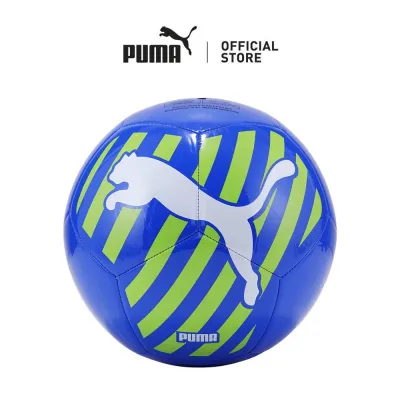
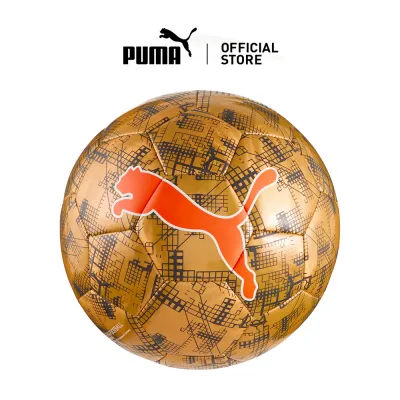
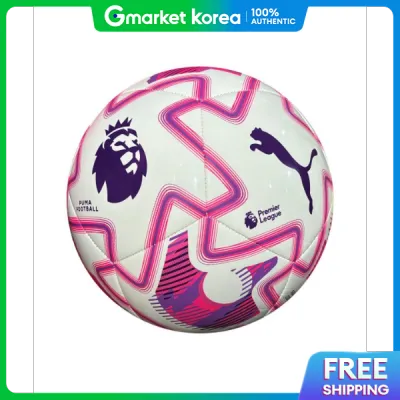
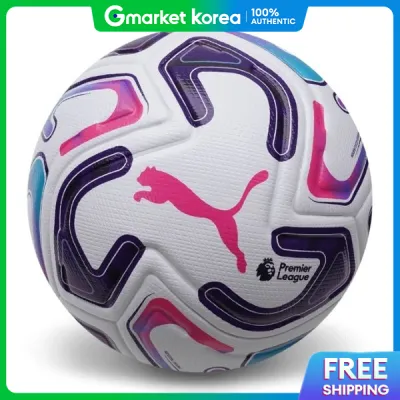
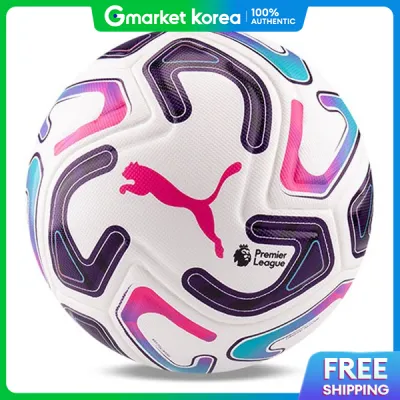
Prices are valid at publication and may change. Please refer to the product page for the latest price.
You should also look for official quality marks if you plan to use the ball for competitive play. Marks such as FIFA Quality Pro, FIFA Quality, or IMS (International Match Standard) indicate that the ball has undergone testing for weight, roundness, water absorption, and bounce consistency. While these certifications are essential for official tournaments, they also serve as a reliable indicator of structural integrity for everyday training.
Selecting a Puma Ball for Grass and Artificial Turf
Playing on natural grass or synthetic turf requires a ball that can maintain its shape, flight stability, and grip under varying weather conditions. Outdoor pitches in tropical climates often experience sudden downpours, making water resistance a critical factor. When selecting a Puma football ball for these surfaces, prioritize thermal-bonded or high-quality hand-stitched PU constructions.

Thermal bonding fuses the panels together without traditional stitching, creating a seamless outer surface. This construction method significantly reduces water absorption, preventing the ball from becoming waterlogged and heavy during wet weather. It also ensures a more predictable aerodynamic flight when passing or shooting across long distances.
For adult play, a standard size 5 ball is the norm. When playing on artificial turf, look for balls that feature textured outer panels or specific dimple patterns. This texturing enhances your grip and control, preventing the ball from slipping off your boot when the synthetic blades are damp or slick. The bladder inside should ideally be made of latex or high-grade synthetic rubber to provide a lively, natural bounce that matches the speed of a grass pitch.
Choosing a Puma Ball for Concrete and Street Play
Concrete courts, street alleys, and paved barangay multi-purpose courts present the harshest environments for any football. The rough, abrasive nature of concrete acts like sandpaper on standard match balls, quickly tearing through delicate outer casings and exposing the inner stitching. To avoid ruining your investment, you must select a Puma ball specifically engineered for street play.
Look for balls constructed with heavy-duty rubber or reinforced PVC outer covers. These materials are designed to absorb high-impact collisions with concrete walls, metal fences, and asphalt without peeling or cracking. The outer layer of a street ball is typically thicker and harder, sacrificing some softness of touch in exchange for extreme durability.
In addition to a tough outer shell, a street football requires a reinforced valve area and a durable butyl bladder. Butyl bladders retain air much longer than latex bladders, which is crucial when the ball is subjected to repetitive, hard impacts against unyielding surfaces. This ensures you spend more time playing and less time inflating your ball before every session.
Picking a Puma Ball for Indoor and Futsal Courts
Indoor wooden courts and synthetic futsal pitches require a completely different type of ball. Futsal is a fast-paced game played in tight spaces, demanding quick footwork and precise ball control. Using a standard outdoor football indoors is highly inefficient and can be hazardous, as the high bounce makes the ball difficult to control on hard, smooth floors.
A proper Puma futsal ball is explicitly marked for indoor use and features a low-bounce construction. This is achieved by filling the inner bladder with specialized foam or synthetic fibers that absorb impact, reducing the rebound height when the ball hits the floor. This low-rebound characteristic keeps the ball close to the ground, facilitating rapid passing and close-quarters dribbling.
Futsal balls are also physically different in size and weight. They are typically size 4, which is smaller than a standard outdoor ball, but they are noticeably heavier. This added weight helps stabilize the ball on smooth indoor surfaces. Additionally, ensure the outer casing is made of soft, non-marking materials that protect the indoor court’s finish while providing a dampened touch for quick control.
Managing Cross-Surface Use and Ball Maintenance
It is highly tempting to use a single football for all your playing sessions, but cross-surface use is the fastest way to destroy your gear. Taking a high-quality PU match ball designed for grass and playing a single game on a concrete court can permanently ruin the outer panels and compromise the seams. Once the outer protective layer is breached, moisture can easily penetrate the inner layers, leading to warping and rot.
To maximize the lifespan of your Puma football ball, establish a simple post-game maintenance routine. After playing on damp grass or dusty concrete, wipe the ball down with a clean, damp cloth to remove dirt, mud, and abrasive grit. Avoid using harsh chemical detergents, which can degrade the outer casing materials. Never leave your football in direct sunlight, inside a hot car, or near heat sources, as extreme tropical heat can warp the bladder and weaken the adhesives holding the panels together.
Regularly check the air pressure using a reliable pressure gauge rather than relying on a simple squeeze test. Over-inflating a ball puts unnecessary stress on the seams, while under-inflating can alter its flight path and increase the risk of punctures. Finally, know when it is time to retire your ball. If you observe visible bladder exposure, severe panel separation, permanent lopsidedness, or if the ball fails to hold air for more than a day, it is time to replace it to prevent injury and maintain quality play.
Frequently Asked Questions (FAQ)
Can I use a standard Puma grass football on a concrete street?
No, using a standard grass football on concrete is not recommended. The abrasive surface of concrete will rapidly wear down the polyurethane (PU) panels and delicate seams designed for soft grass. To protect your investment, use a dedicated street ball with a rubber or PVC casing for hard surfaces.
How do I check if a Puma ball is the correct pressure for my playing surface?
You can find the manufacturer’s recommended pressure range, usually measured in PSI or bar, printed directly next to the inflation valve. Always use a reliable pressure gauge to verify the inflation level, as manual squeezing is highly inaccurate and can lead to over-inflation.
Are Puma training balls suitable for official matches on turf?
Puma training balls are excellent for practice sessions due to their durability, but they may not meet the strict standards required for official matches. Competitive tournaments typically require specific FIFA certification marks, which guarantee precise weight, roundness, and aerodynamic properties not always present in training-tier models.

Community discussion
Share your experience or ask a question. Comments are reviewed before publication.