
Starting baseball in the Philippines is an exciting journey, whether you are joining a local community league, playing in school tournaments, or practicing at a local batting cage. When looking for the best Rawlings baseball bat as a beginner, the key is prioritizing control, swing speed, and consistent contact over raw power. There is no single “perfect” model for every player; instead, the ideal choice depends on your physical dimensions, league regulations, and how the bat handles local tropical conditions. By understanding how Rawlings designs its beginner-friendly lineups, you can select a bat that builds confidence with every swing.
Quick Framework for Choosing Your First Rawlings Bat
When you step up to the plate for the first time, your primary objective is to make solid contact with the ball. Many beginners mistakenly believe that a heavier, more expensive bat will automatically translate to farther hits. In reality, a bat that is too heavy slows down your swing, disrupts your mechanics, and leads to early fatigue. For new players, maximizing bat control and swing speed is the fastest way to develop proper hitting form and build confidence.
To find the right Rawlings bat, you must navigate three core decision pillars: material construction, length-to-weight ratio (commonly referred to as the “drop”), and league certification. Each of these factors directly influences how the bat feels in your hands and whether you are legally allowed to use it in organized games.
Products mentioned in this guide
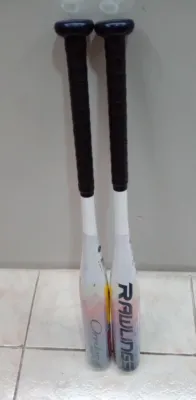
Prices are valid at publication and may change. Please refer to the product page for the latest price.
Because every player possesses a unique combination of height, weight, and physical strength, your selection process must be highly individualized. A bat that works perfectly for a teammate might feel unbalanced or cumbersome to you. By treating your first bat purchase as a personalized fitting process, you ensure that your equipment supports your development rather than hindering it.
Alloy vs. Composite: Which Material Suits a Beginner?
Rawlings manufactures bats using different materials, primarily aluminum alloy and composite materials. Understanding the practical trade-offs between these two options is essential for finding a forgiving, cost-effective, and durable starter bat.

Aluminum alloy bats, often referred to as metal bats, are highly recommended for beginners. These bats are constructed from a single piece or multi-piece blend of metals that offer immediate feedback upon contact. One of the greatest advantages of an alloy bat is that it requires absolutely no break-in period; you can take it straight from the store to the batter’s box. Additionally, alloy bats are generally more budget-friendly, making them an excellent entry point for players who are still testing their commitment to the sport. In the tropical climate of the Philippines, where high humidity and sudden rain showers are common, alloy bats stand up exceptionally well to moisture and temperature fluctuations without degrading.
Composite bats, on the other hand, are engineered from carbon fiber and resin materials. These bats are known for their ability to reduce vibration, which significantly minimizes the painful “hand sting” that occurs when you misjudge a pitch and hit the ball off the handle or the tip of the barrel. However, composite bats require a strict break-in period before they reach their peak performance. They also represent a much higher financial investment. For a beginner, the premium price of a composite bat may not be justified while you are still learning the basics of a consistent swing.
When evaluating these materials, pay close attention to how they handle mishits. Alloy bats will transmit a sharp vibration to your hands on off-center hits, which can be uncomfortable but serves as valuable physical feedback to help you correct your swing path. Composite bats tend to dampen this feedback, offering a larger perceived “sweet spot.” Whichever material you lean toward, always check the manufacturer’s product label and documentation. Look for specific care instructions, temperature limitations, and warranty conditions, as improper storage in hot, humid environments can affect the longevity of the materials.
Sizing Guide: Matching Length, Weight, and Drop Ratio to the Player
Selecting the correct physical dimensions for your Rawlings bat is the most critical step in preventing injury and ensuring a comfortable swing. To do this, you must understand the concept of “drop weight.”
The drop weight, or drop ratio, is a negative number calculated by subtracting the weight of the bat in ounces from its length in inches. For example, a bat that is 30 inches long and weighs 20 ounces has a drop weight of -10. The larger the drop number, the lighter the bat feels.
- Youth Players: Beginners in youth leagues typically require lighter bats with a drop ratio between -10 and -13. These lighter options allow younger players to develop hand speed and maintain control without straining their shoulders or wrists.
- Older Teens and Adults: As players transition to high school, college, or adult recreational leagues, they must adapt to heavier bats. Standard adult regulations, such as BBCOR, mandate a drop ratio of -3, which requires significantly more upper-body and core strength to swing effectively.
To find a starting point for your bat length, you should consult the official Rawlings sizing chart, which correlates a player’s height and weight to recommended bat lengths. However, because charts only provide a general guideline, you should perform practical at-home fit tests to verify the balance and comfort of the bat before making a purchase.
- The Arm Extension Test: Place the knob of the bat in the center of your chest, pointing the barrel straight out parallel to the ground. Reach your arm out along the side of the barrel. If you can comfortably grip the end cap of the bat with your fingertips, the length is generally appropriate for your reach.
- The Wrist Control Test: Hold the bat by the handle with your dominant hand and extend your arm straight out to your side, parallel to the ground. Attempt to hold this position steadily for 20 to 30 seconds. If your wrist begins to sag, or if you feel significant strain in your shoulder, the bat is likely too heavy for your current strength level.
- The Chest-to-Knob Test: Stand the bat vertically on the ground next to your leg. The knob of the bat should reach up to your hip joint or the lower part of your hip. If the bat extends past your waistline, it may be too long, which can cause you to drag the barrel through the hitting zone and struggle with inside pitches.
Checking League Certifications and Safety Standards
Before you invest in a Rawlings baseball bat, you must ensure that it is legally permitted in the specific league or tournament you plan to join. Using an uncertified or illegal bat can lead to immediate disqualification from games, and more importantly, it poses safety risks to other players on the field.
Different leagues enforce strict rules regarding bat construction, barrel diameter, and performance limits. These rules are indicated by specific certification stamps printed directly on the taper of the bat:
- USA Baseball: This standard is commonly required for youth recreational leagues, including Little League. Bats with this stamp are designed to perform similarly to traditional wood bats, prioritizing player safety and defensive play.
- USSSA (United States Specialty Sports Association): Often used in competitive travel ball, these bats allow for a higher spring-like effect (trampoline effect) off the barrel, resulting in faster ball speeds.
- BBCOR (Batten Ball Coefficient of Restitution): This is the mandatory standard for high school and collegiate play. BBCOR bats have a maximum drop ratio of -3 and a barrel diameter of 2 5/8 inches, designed to regulate the speed of the ball leaving the bat for safety reasons.
When shopping online or in local sporting goods stores in the Philippines, be highly cautious of bats that lack clear, legible certification markings. Unauthorized online sellers or unverified marketplaces may offer counterfeit products or older models that no longer comply with current safety standards.
Because league rules can change from season to season, always verify the current equipment guidelines with your local league organizers, school athletic directors, or tournament officials in the Philippines before finalizing your purchase. Confirming these details beforehand prevents the frustration of buying a high-quality bat that you are not allowed to use in official games.
Final Verification: Building Your Shortlist and Purchasing Safely
Once you have determined your ideal material, size, and required certification, you are ready to build a shortlist of Rawlings bats. During this final phase, careful verification of product details is essential to ensure a safe and satisfactory purchase.
When examining a specific Rawlings model, whether on an online product page or on a physical store shelf, cross-reference the following key label details:
- Exact Drop Weight: Double-check that the numerical drop matches your physical testing and league requirements.
- Barrel Diameter: Ensure the barrel width (such as 2 1/4, 2 1/2, or 2 5/8 inches) complies with your league's specific limits.
- Grip Type: Look for a high-quality, tacky grip wrap that provides secure handling, especially when playing in hot, humid Philippine weather where sweaty hands can cause the bat to slip.
- Certification Stamp: Visually confirm that the required league logo is clearly printed on the bat's surface.
Additionally, review the return policies and warranty terms provided by the seller. This is particularly important for composite bats, which may require specific conditions—such as proof of purchase from an authorized dealer—to remain covered under the manufacturer’s warranty.
While high-end bats can cost upwards of ₱15,000, a beginner can find highly durable, certified alloy options starting around ₱3,500 to ₱6,000, which offers excellent value without overcommitting financially. To protect yourself from counterfeit, altered, or defective equipment, always purchase your Rawlings bat from authorized sporting goods retailers, official brand stores, or reputable local distributors. Avoid buying from unverified individual sellers on social media or unregulated ecommerce platforms. Investing in a genuine product ensures that you receive a bat manufactured to strict safety standards, giving you peace of mind as you step up to the plate.
Frequently Asked Questions (FAQ)
Do I need to break in a new Rawlings baseball bat?
Whether you need to break in your Rawlings bat depends entirely on its material construction. If you choose an aluminum alloy bat, it is ready for game action immediately after purchase, requiring no break-in period. However, if you opt for a composite Rawlings bat, you must perform a structured break-in process to loosen the tightly woven carbon fibers and resin. To do this safely, hit a stationary ball off a tee or receive soft-toss pitches, rotating the bat a quarter-turn after each hit. Always consult the manufacturer’s included care instructions for the exact number of recommended hits and any specific temperature restrictions to avoid damaging the barrel.
How often should a beginner upgrade their baseball bat?
A beginner should upgrade their baseball bat when they experience significant physical growth or transition to a new league division. If a player undergoes a sudden growth spurt in height or weight, their current bat may become too short or light, leading to poor swing mechanics and reduced control. Additionally, moving up to an older age group often introduces different league certification requirements, such as transitioning from USA Baseball youth standards to BBCOR high school standards. Regularly monitor your swing comfort and consult with coaches to determine when your physical development or league rules necessitate a step up in bat size.

Community discussion
Share your experience or ask a question. Comments are reviewed before publication.