
Selecting the ideal resistance level for your elastic fitness bands requires matching the band’s tension to your current physical strength, specific exercise selection, and ultimate fitness goals. Because there is no universal standard for band colors or tension ratings, finding the right fit involves assessing your baseline capabilities, understanding the physical properties of the rubber material, and performing practical movement tests. Making the correct choice ensures your workouts remain highly effective while protecting your joints from unnecessary strain.
In tropical environments like the Philippines, where high humidity and heat can affect the elasticity and lifespan of rubber bands goma, selecting the right resistance also means understanding how these environmental factors impact material performance. Whether you are recovering from an injury, toning your muscles, or building serious strength, the right band should challenge your muscles during the final repetitions of a set without forcing you to compromise on your form.
Assess Your Fitness Baseline and Training Objectives
Your fitness journey and specific training targets dictate the amount of tension you need from a rubber band. Different physical goals require distinct levels of resistance to stimulate muscle fibers effectively. For instance, rehabilitation, physical therapy, and joint mobility routines demand very low tension. These light bands allow you to perform high-repetition movements that increase blood flow and restore range of motion without overloading healing tissues or sensitive joints.
Products mentioned in this guide
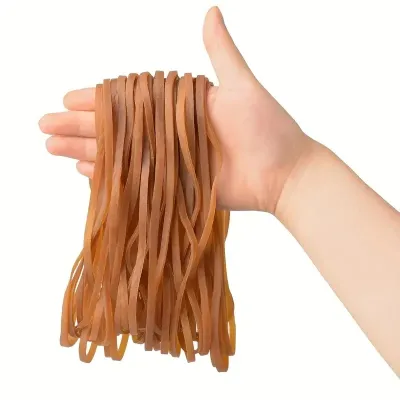
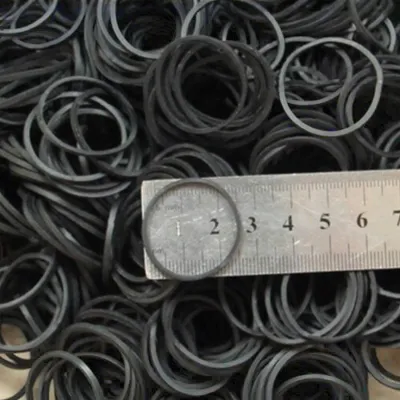

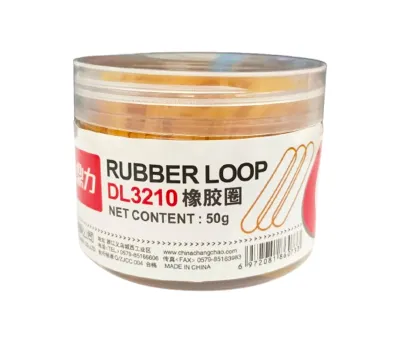
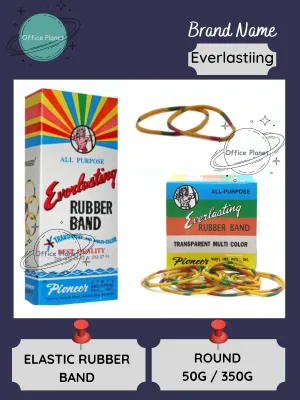
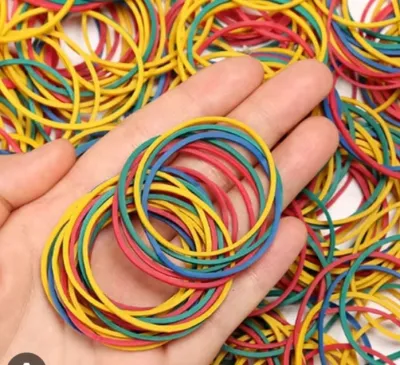

Prices are valid at publication and may change. Please refer to the product page for the latest price.
If your primary objective is muscular endurance, toning, or cardiovascular conditioning, medium-tension bands are generally the most appropriate choice. These bands provide enough resistance to fatigue the muscles over a higher repetition range, typically between fifteen and twenty-five repetitions per set. This level of tension helps build stamina and definition without placing excessive mechanical stress on your skeletal system.
For those focusing on hypertrophy, muscle growth, and maximum strength, high-tension bands are necessary. These heavy-duty bands mimic the resistance of free weights, challenging your muscles within a lower repetition range of six to twelve repetitions. To safely utilize these heavier bands, you must already possess a solid foundation of core stability and proper movement mechanics.
Evaluating your baseline strength is a crucial step before purchasing or using any rubber bands. You can gauge your readiness by performing basic bodyweight exercises, such as squats, push-ups, or glute bridges. If you struggle to complete ten controlled bodyweight squats with proper posture, starting with a light-to-medium band for lower-body exercises will prevent premature fatigue and form breakdown.
Joint health and physical limitations must always take precedence over training intensity. If you have a history of shoulder instability, knee pain, or lower back discomfort, starting with the lowest possible tension allows you to test your joint response safely. Progressing gradually ensures that your connective tissues adapt alongside your muscles, reducing the risk of acute strains or chronic overuse injuries.
Decode Resistance Labels and Band Specifications
When shopping for fitness accessories on local ecommerce platforms, you will quickly notice that color-coding systems are not standardized across the industry. A red band from one manufacturer might offer light resistance, while a red band from another brand could represent a heavy tension level. Always look past the color and verify the actual printed tension range, usually measured in kilograms or pounds, on the product packaging or online specification sheet.

The physical dimensions of the rubber bands goma directly determine their resistance characteristics and overall durability. Thicker and wider bands require significantly more force to stretch, translating to higher resistance levels. Additionally, the material composition—whether natural latex, synthetic rubber, or fabric-blend rubber—influences how smoothly the band stretches and how well it resists snapping under high tension.
Understanding the difference between loop bands, tube bands with handles, and therapy flat bands is essential for matching the equipment to your routine. Loop bands are excellent for lower-body movements and heavy compound lifts, while tube bands offer a more familiar grip for upper-body pulling and pushing exercises. Flat therapy bands are highly versatile for targeted mobility work and gradual rehabilitation exercises.
Before beginning any exercise session, you must inspect the band’s structural integrity and verify its maximum elongation limit. Most high-quality rubber bands can safely stretch to two or three times their resting length, but exceeding this limit risks sudden snapping. Checking the band for tiny punctures, discoloration, or thinning areas is a vital safety practice, especially when performing high-velocity movements.
Test the Tension During Your Actual Workout Movements
The most reliable way to determine if a rubber band is suitable for your workout is to perform a practical test set of your target exercise. Select a band and attempt to complete a set of ten to twelve repetitions of a movement, such as a bicep curl or a lateral walk. The final two or three repetitions should feel highly challenging, requiring significant effort to complete, yet you must be able to maintain perfect posture and control throughout.
If you find yourself jerking your body, arching your back, or shortening the range of motion to complete the movement, the resistance is too heavy. Using excessive tension forces secondary muscles to compensate, which reduces the effectiveness of the exercise and increases the risk of joint injury. Conversely, if you can complete twenty repetitions easily without feeling any muscle burn or fatigue, the band is too light to stimulate physical adaptation.
You can easily adjust the effective tension of a single band during a workout by modifying your physical setup. For loop bands, widening your stance increases the starting tension, making the exercise harder. For flat bands or tube bands, shortening your grip or folding the band in half doubles the resistance, allowing you to customize the challenge without constantly switching between different products.
It is important to recognize that different muscle groups possess vastly different strength capacities, meaning a single band cannot cover a full-body routine. Your glutes, hamstrings, and back muscles are much stronger than your shoulders, triceps, and biceps. Consequently, you will need a versatile set of bands ranging from light to extra-heavy to target both large and small muscle groups effectively.
Recognize When to Upgrade or Replace Your Current Band
As your muscles adapt to consistent training, your current rubber bands will eventually fail to provide an adequate challenge. Recognizing a strength plateau is the primary indicator that it is time to upgrade to a higher resistance level. If you can easily breeze through your usual workout routines without experiencing muscle fatigue or an elevated heart rate, your body has adapted, and you need greater tension to continue progressing.
Physical wear and tear is an inevitable reality for rubber fitness equipment, particularly in warm, humid climates. Inspect your bands regularly for micro-tears, hairline cracks, permanent stretching, or a sticky texture, which indicates chemical degradation of the rubber. Using a compromised band is highly dangerous, as it can snap unexpectedly during an exercise and cause painful welts or facial injuries.
Compensatory movements are another clear sign that your current band selection is hindering your progress. If you notice your form deteriorating as you tire, or if you experience joint pain rather than muscle fatigue, the band may be too heavy for your current strength level. In this scenario, temporarily downgrading to a lighter band or focusing on slow, controlled repetitions is the safest path to rebuilding proper movement patterns.
To ensure long-term safety and progress, treat your resistance bands as consumable fitness tools that require periodic replacement. Even without visible damage, rubber gradually loses its elasticity and snapback force over months of regular stretching. Replacing your bands every one to two years, depending on your usage frequency, ensures consistent tension levels and minimizes the risk of sudden material failure.
Frequently Asked Questions (FAQ)
Can I combine multiple rubber bands to increase resistance?
Yes, stacking multiple rubber bands is a highly effective and practical way to increase overall tension without purchasing heavier individual bands. By looping two or more bands around your feet or hands simultaneously, you combine their resistance levels to create a custom, heavier challenge. However, this practice requires caution; you must ensure that all combined bands are in excellent physical condition. Stacking a worn band with a new one increases the stress on the weaker band, which can lead to uneven stretching and sudden snapping during your exercise. Always align the bands evenly to prevent them from slipping or rolling during use.
How do I clean and store my elastic bands to maintain their tension?
Proper maintenance is essential for preserving the elasticity and structural integrity of rubber bands, especially in hot and humid tropical climates. After each workout, wipe your bands down with a clean, damp cloth to remove sweat, body oils, and dirt, which can degrade the rubber over time. Avoid using harsh chemical cleaners, alcohol, or dish soaps, as these substances strip the moisture from the rubber and cause dry rot. Store your bands in a cool, dry place away from direct sunlight, heat sources, and sharp objects. Applying a light dusting of unscented talcum powder or cornstarch occasionally prevents the rubber from becoming sticky and sticking to itself.

Community discussion
Share your experience or ask a question. Comments are reviewed before publication.