
Flying a saranggola is a timeless outdoor activity that connects generations, especially when the steady tropical breezes sweep across the fields and coastlines of the Philippines. However, a frustrating launch or a sudden crash can quickly cut the fun short. Choosing the right kite requires matching the design to your personal experience level and the specific wind and space conditions of your chosen flying spot. By understanding how different shapes, materials, and control systems interact with the air, you can ensure a smooth, stable flight every time you head outdoors.
To make an informed decision, you must evaluate three primary factors: your ability to control the kite, the physical constraints of your environment, and the structural quality of the equipment. A kite that performs beautifully on a wide, windy beach might become completely unmanageable in a crowded neighborhood park. Taking the time to assess these variables beforehand saves time, protects your investment, and ensures a safe, enjoyable experience for everyone involved.
Assess Your Kite Flying Experience Level
Your experience level determines how much active control you can comfortably exert over a kite. Beginners should prioritize single-line kites that emphasize stability and self-correction. Classic shapes like the diamond and the delta are ideal because their geometric designs naturally channel air to keep the structure upright. These kites require very little input from the flyer; once they catch a steady breeze, they can remain aloft with minimal adjustment. This allows first-time flyers and young children to focus on learning how to feel the tension in the line and understand basic wind directions.
Products mentioned in this guide
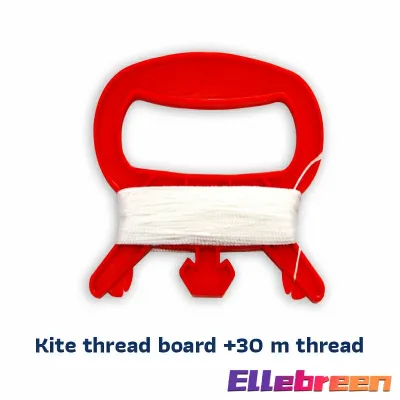
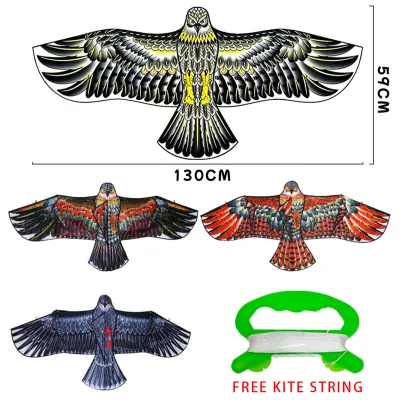
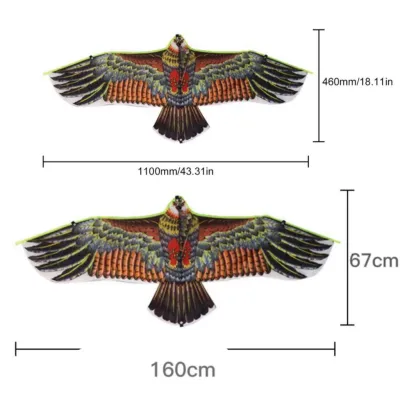
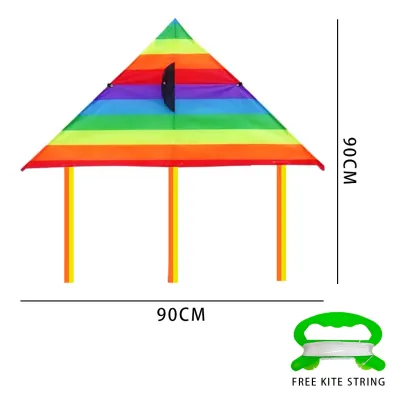
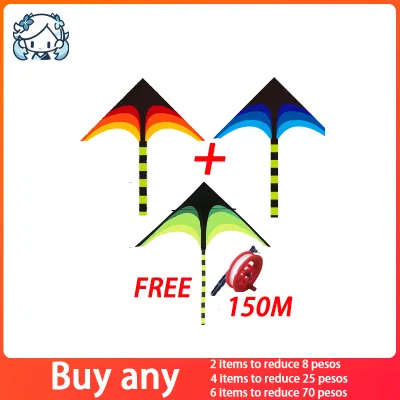
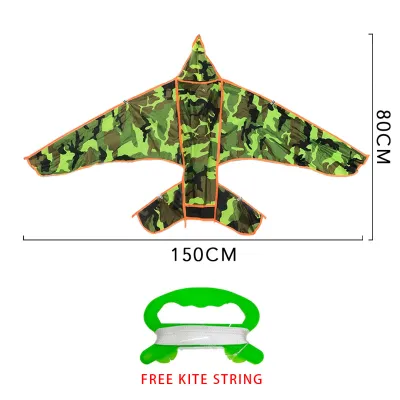
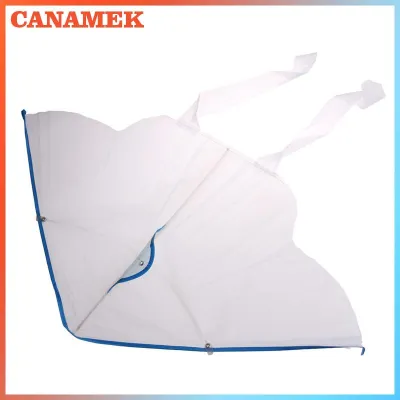
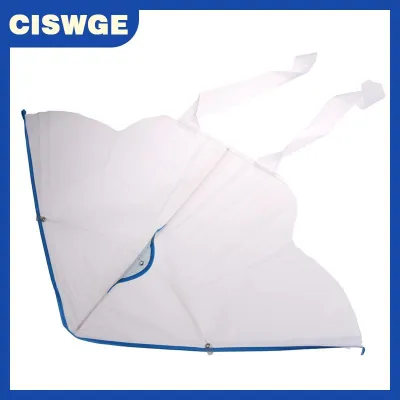
Prices are valid at publication and may change. Please refer to the product page for the latest price.
As you transition to an intermediate level, you can explore designs that offer greater responsiveness and adaptability. Intermediate kites often feature adjustable bridles, which are the multi-line harness systems connecting the kite body to the flying line. By shifting the tow point on an adjustable bridle, you can alter the kite’s angle of attack to suit either light or strong winds. Foil kites—which lack a rigid frame and instead rely on air pockets to hold their shape—are also excellent for intermediate flyers. They offer a stronger pull and can pack down into a small pouch, making them highly portable for family trips.
Advanced flyers can step up to multi-line control systems, such as dual-line stunt kites or quad-line designs. These high-performance models require active, two-handed coordination to steer, loop, and perform aerial tricks. Because stunt kites travel at high speeds and generate significant pull, they demand constant spatial awareness and quick reflexes. Advanced flyers might also enjoy complex, multi-dimensional box kites or large parafoils, which require precise assembly, careful wind assessment, and a deep understanding of aerodynamic drag to launch and fly safely.
Match the Saranggola to Your Flying Location
Your flying environment dictates the quality of the wind and the amount of physical clearance you have. Open beaches and coastal areas are among the best locations for kite flying because they offer laminar wind—smooth, steady air flowing directly off the water. These consistent breezes are perfect for launching larger delta kites, heavy box designs, or high-pull parafoils. When flying near the ocean, always check for local hazards such as high-density tourist zones, low-flying coastal aircraft, and nearby power lines. Additionally, the high humidity and salt air of coastal regions mean you must choose corrosion-resistant hardware to prevent rust.

Inland parks and open grassy fields present a different set of wind conditions. Because trees, buildings, and hills disrupt the air, inland wind is often turbulent and gusty. For these locations, lightweight diamond kites or flexible deltas are ideal because they can quickly react to sudden drops or surges in wind speed. When setting up in a park, ensure you have a clear safety zone. A good rule of thumb is to maintain a distance of at least three times the height of the tallest nearby obstacle, such as trees or utility poles, to avoid getting your line tangled or losing your kite to a sudden downdraft.
Urban spaces, small barangay plazas, or restricted backyards require a highly strategic approach. Large wingspans and long, trailing tails are impractical here because they require extensive running room to launch and are highly susceptible to tangling in low-hanging wires or fences. For tight spaces, look for compact pocket sleds or specialized low-wind miniature kites. These designs are engineered to launch almost instantly with minimal line release, allowing you to enjoy the hobby safely without risking property damage or creating safety hazards for neighbors and pedestrians.
Inspect Kite Materials and Build Quality
Before purchasing or launching a saranggola, a close inspection of its structural components will tell you how well it will withstand crashes and humid tropical weather. The frame, or spar system, is the backbone of the kite. Fiberglass is the most common frame material for recreational kites because it is highly flexible, affordable, and resilient during hard landings. Carbon fiber is lighter and stiffer, making it the preferred choice for advanced stunt or low-wind kites, though it is more brittle and can shatter upon high-velocity impacts on hard ground. Ensure all frame connectors and ferrules fit snugly without slipping.
The sail fabric must be durable enough to resist tearing when subjected to high winds or rough ground contact. Ripstop nylon and ripstop polyester are the industry standards; they feature a cross-hatched reinforcing pattern that prevents small punctures from spreading into major tears. Examine the stitching along the trailing edge of the sail, as this area experiences the most vibration and wear during flight. Look for double-stitched seams and reinforced pockets at the nose and wingtips where the spars exert the most pressure. UV-treated fabrics are highly recommended to prevent the intense tropical sun from weakening the fibers over time.
Finally, evaluate the flying line and connecting hardware. A high-quality swivel clip prevents the line from twisting and tangling as the kite spins in the air. For basic single-line kites, braided polyester line is excellent because it offers a good balance of strength, low stretch, and comfort on the hands. Ensure the line’s weight rating matches the size of your kite; a large kite in strong winds can easily snap a lightweight line, leading to a lost saranggola. For high-pull or multi-line kites, consider using specialized lines like Dyneema, which offer incredible strength with minimal thickness and drag.
Build Your Final Saranggola Selection Checklist
To ensure you choose the perfect kite for your next outdoor adventure, use this step-by-step checklist to guide your decision:
- Step 1: Cross-Reference Skill with Space. If you are a beginner flying in a local park, opt for a single-line delta or diamond kite. Avoid purchasing a dual-line stunt kite unless you have access to a wide, completely unobstructed field or beach where you can safely practice steering without risk to others.
- Step 2: Verify the Wind Range. Check the manufacturer's specifications for the kite's recommended wind speed range (typically measured in kilometers per hour or knots). Compare this to the average wind speeds in your area. Flying a light-wind kite in a heavy coastal gale will warp the frame, while flying a heavy kite in light park breezes will result in constant crashes.
- Step 3: Assess Portability and Assembly. Consider how you will transport the kite to your destination. Frameless parafoils and pocket sleds can be folded tightly into small bags, making them excellent for travel. If you choose a framed kite, ensure the spars are easy to assemble and disassemble without requiring specialized tools.
- Step 4: Gather Essential Safety Accessories. Depending on the size of your kite, plan to acquire appropriate safety gear. For larger kites that generate significant pull, a pair of protective flying gloves is essential to prevent painful line burns. Always carry a dedicated winder or reel to keep your line organized and prevent dangerous tangles on the ground.
Frequently Asked Questions (FAQ)
What is the easiest saranggola design for a child to fly?
The easiest design for a child is a single-line delta or a classic diamond kite equipped with a long, lightweight tail. Delta kites have a wide triangular shape that naturally catches light breezes, allowing them to launch easily with a simple toss. The addition of a tail provides essential drag at the bottom of the kite, which prevents it from spinning or diving uncontrollably. Look for models that come pre-framed and pre-rigged with the flying line already attached to the bridle, as this eliminates complicated setup steps and lets children focus entirely on the fun of flying.
How do I know if the wind is too strong for my kite?
You can identify excessive wind conditions through several clear, observable signs. If your kite begins to shake violently, dive repeatedly toward the ground, or bend its frame spars to extreme angles, the wind speed has exceeded the kite’s structural limits. On the ground, if you feel a painful or uncomfortable strain on your hands while holding the line, or if the flying line makes a high-pitched humming sound under intense tension, the wind is too strong. In these situations, immediately and carefully wind in the line to retrieve the kite before a spar snaps or the line breaks.

Community discussion
Share your experience or ask a question. Comments are reviewed before publication.