
Choosing a scooter for your daughter is an exciting milestone that encourages outdoor play, physical coordination, and independence. However, finding the right model goes beyond picking her favorite color or selecting a popular design. The most suitable scooter is one that matches her current physical development, balance, and riding environment. In the Philippines, where neighborhood streets can range from smooth concrete to uneven pavements, and where tropical humidity is a constant factor, selecting the right equipment ensures she stays safe while having fun.
To make an informed decision, parents must evaluate how a child interacts with the toy. A scooter that is too advanced can lead to frustration and falls, while one that she has outgrown might limit her development and pose safety risks. By understanding the physical cues of readiness and comparing the structural differences between three-wheel, two-wheel, and electric models, you can select a scooter that builds her confidence step by step.
Assessing Your Daughter's Readiness and Skill Level
Before browsing online marketplaces or visiting a local sporting goods store, take a few moments to observe your daughter’s physical coordination in daily activities. Balance is the foundational skill required for any scooter. A reliable way to test this is by watching her play: can she stand on one foot for several seconds without wobbling, or hop confidently on a single leg? If she easily maintains her balance during these simple movements, her core strength is likely developed enough to handle the pushing and gliding motions of a scooter.
Products mentioned in this guide
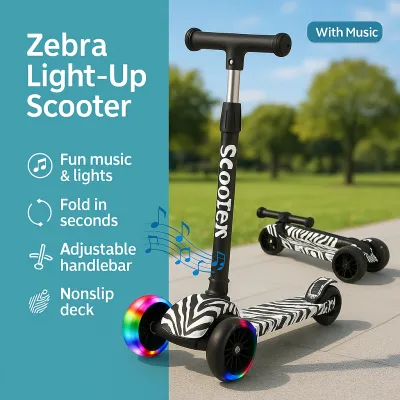
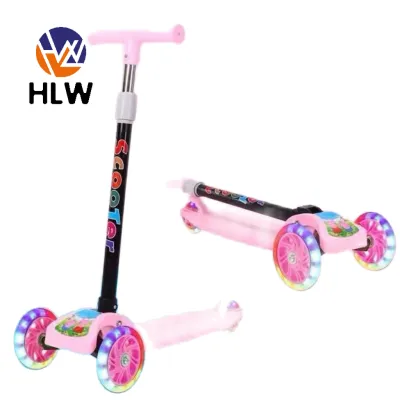
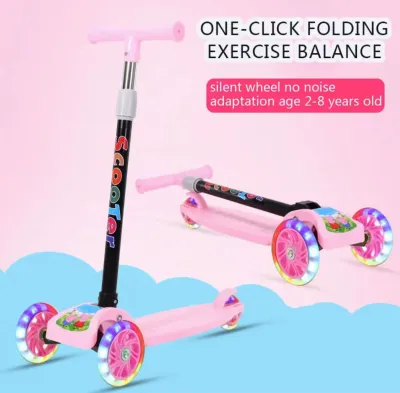
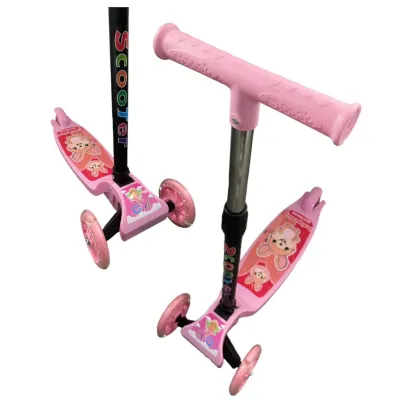
Prices are valid at publication and may change. Please refer to the product page for the latest price.
Next, consider her steering control and spatial awareness. If she has previously ridden a balance bike, tricycle, or other ride-on toys, observe how she navigates obstacles. A child who can steer around toys on the veranda or avoid bumps on the driveway demonstrates the hand-eye coordination needed to steer a scooter. If she is a complete beginner who has never used a ride-on toy, she will require a highly stable starting platform, whereas a child transitioning from a well-loved toddler trike will adapt much faster to a dynamic two-wheel setup.
Matching Scooter Types to Age and Experience
Scooters generally fall into three main categories, each designed for specific developmental stages. Aligning these configurations with your daughter’s age and experience level ensures she has the right amount of support as she learns.

3-Wheel Scooters for Toddlers and Beginners
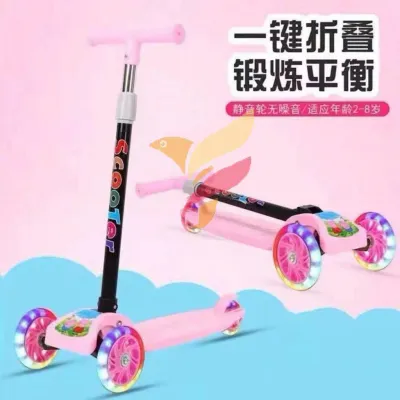
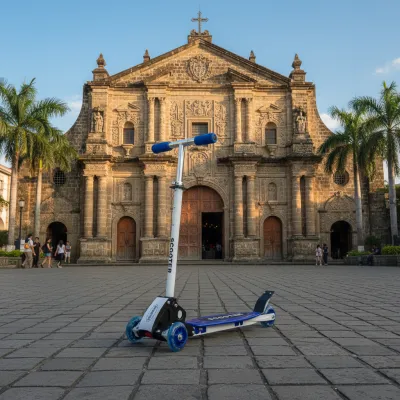
Three-wheel scooters are the standard starting point for toddlers and young beginners, typically ranging from ages two to five. These models feature two wheels in the front and one in the back, providing a self-standing platform that does not tip over when stationary. This design allows young riders to focus entirely on the motion of kicking and pushing without the added challenge of balancing the scooter upright.
When evaluating three-wheel models, pay close attention to the steering mechanism. Many beginner models utilize a “lean-to-steer” system, where the handlebars do not turn like a bicycle. Instead, the child gently leans her body weight to the left or right to curve the scooter in that direction. This intuitive mechanism helps develop bilateral coordination and mimics the natural balance shifts used in later sports. Alternatively, some models feature fixed handlebars that steer traditionally, which may be easier for children who prefer a familiar bicycle-like control.
Additionally, look for a wide deck with low ground clearance. A deck that sits close to the ground reduces the distance her kicking foot has to travel, making it much easier to maintain stability and push off. Always verify the manufacturer’s specified weight and height limits on the packaging. Even if a scooter is marketed for toddlers, ensuring her weight falls safely within the certified limits prevents structural strain on the deck and steering column.
2-Wheel Scooters for Developing Balance and Older Kids
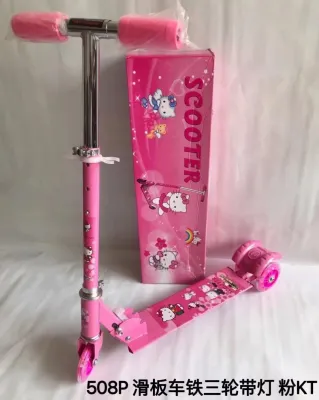
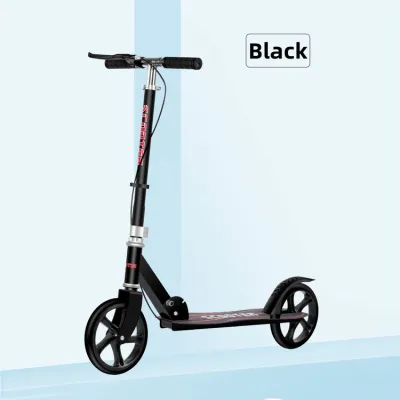
As your daughter grows and refines her balance, she will eventually outgrow the stability of a three-wheel design. Two-wheel kick scooters are ideal for older children, usually starting around ages five to eight, who have mastered basic coordination. These models require active balance to keep upright, offering a faster, more agile ride that can handle tighter turns and narrower paths.
The transition to two wheels introduces a highly responsive handlebar steering system. Unlike lean-to-steer models, two-wheel scooters turn directly with the handlebars, requiring precise hand movements. Your daughter must be coordinated enough to make minor steering adjustments while maintaining her forward momentum. If she oversteers too quickly, the scooter can jackknife, so practicing slow turns on a flat surface is essential during the first few rides.
Stopping also becomes more dynamic on a two-wheel model. Most of these scooters feature a rear foot brake—a metal or plastic fender over the back wheel that slows the scooter when pressed. Operating this brake requires her to shift her weight to her front foot while lifting her back foot to press down on the fender. Verify that she has the leg strength and balance to perform this motion smoothly without losing her footing. The deck on a two-wheel scooter is also narrower, which allows for more efficient kicking but requires her to place her feet precisely in a tandem position while gliding.
Electric Scooters for Experienced Riders
For older kids and teenagers who have years of riding experience, electric scooters offer an exciting step up. However, because these are motorized vehicles, they require a much higher level of responsibility, physical maturity, and safety awareness. They are not suitable for young children or beginners who have not fully mastered manual braking and balance.
Before purchasing an electric model, it is critical to verify the manufacturer’s strict age, weight, and height requirements. Many electric scooters are rated for ages eight or twelve and above, and ignoring these guidelines can put your daughter at risk. Look for models that feature built-in speed restrictions or beginner modes, allowing you to cap the maximum speed while she learns. A responsive throttle and a reliable hand brake—similar to a bicycle brake—are essential features to verify, as foot brakes are rarely sufficient for motorized speeds.
Riding environments must also be carefully managed. In the Philippines, local subdivision rules or park regulations often dictate where electric scooters can be operated. Ensure she only rides on flat, dry, and designated paths away from public roads and vehicle traffic. Continuous parental supervision is mandatory to ensure she respects speed limits, watches for pedestrians, and handles the motorized power safely.
Key Fit and Ergonomic Checks Before You Buy
Even if a scooter matches your daughter’s age group on paper, you must perform physical ergonomic checks to ensure a proper fit. A poorly fitted scooter is difficult to control and can lead to muscle strain or accidents. Whether you are looking at entry-level models starting around ₱1,500 or premium adjustable options, focusing on structural quality and correct sizing is essential.
Start by checking the handlebar height. If the scooter has an adjustable stem, stand your daughter flat on the deck and adjust the handlebars so the grips sit comfortably between her waist and lower chest. If the handlebars are too high—approaching her collarbone or chin—she will have less leverage to steer and may struggle to keep her arms comfortable. If they are too low, she will be forced to hunch forward, which throws off her center of gravity and strains her back.
Next, examine the deck itself. It should be wide enough to accommodate her riding foot comfortably with room to spare, allowing her to easily transition her pushing foot onto the deck while gliding. Check the quality of the grip tape or anti-slip surface. In the humid, tropical climate of the Philippines, sudden afternoon showers can make outdoor surfaces slick. A high-traction, rubberized, or heavily textured grip tape is essential to keep her feet from sliding off the deck when damp.
Finally, consider the overall weight of the scooter. Your daughter should be able to lift and carry the scooter independently. If she encounters a high curb, a flight of stairs, or needs to lift it into the trunk of a car, she should not struggle under its weight. A lightweight aluminum frame is often easier for kids to manage than heavy steel, while still offering excellent durability.
Essential Safety Gear and Riding Boundaries
No matter her skill level or the type of scooter she rides, safety gear is non-negotiable. Establishing a strict “no helmet, no ride” rule from day one builds safe habits that last a lifetime.
When choosing a helmet, prioritize a proper fit over aesthetics. The helmet must sit level on her head, covering her forehead, rather than tilting backward. Adjust the side straps so they form a clean “V” shape just beneath her earlobes. The chin strap should be snug enough that only one or two fingers can fit between the strap and her chin when buckled. For beginners, adding knee and elbow pads provides crucial protection against painful scrapes on rough asphalt or concrete driveways.
Define clear boundaries for where and when she can ride. Smooth, flat pavements in secure backyards, quiet village streets, or designated park pathways are the safest options. Avoid areas with steep inclines, loose gravel, or heavy pedestrian traffic.
Lastly, establish clear conditions for when to stop riding. Wet surfaces greatly reduce tire traction and brake effectiveness, making riding during or immediately after a tropical downpour highly hazardous. Low lighting conditions at dusk also make it difficult for others to see her. Teach her to inspect her scooter regularly, checking for loose folding clamps, rattling wheels, or worn brake pads, and to stop riding immediately if something feels unstable.
Frequently Asked Questions (FAQ)
When should my daughter switch from a 3-wheel to a 2-wheel scooter?
She is ready to transition when she demonstrates sustained single-leg balance, steers confidently around obstacles without relying on the self-standing stability of three wheels, and has outgrown the manufacturer’s weight or height limits on her toddler model. Expressing a desire to ride faster or try new maneuvers is also a clear sign of readiness.
What should I check on a used or hand-me-down scooter before letting her ride?
Before letting her ride a second-hand scooter, perform a thorough safety inspection. Tighten all folding mechanism clamps, handlebar stem bolts, and wheel axles to ensure nothing collapses during a ride. Spin the wheels to check for smooth bearings and inspect the polyurethane tires for deep cracks or flat spots. Finally, test the rear brake pad to ensure it has sufficient thickness and is free of sharp, worn-down metal edges that could cause injury.

Community discussion
Share your experience or ask a question. Comments are reviewed before publication.