
Selecting the ideal scuba pro diving mask is not about finding the most expensive model or the one with the most colorful frame; it is about achieving an anatomical match between the mask’s silicone skirt and the unique contours of your face. In the warm, high-humidity environments of tropical destinations like the Philippines, where sweat, sunscreen, and saltwater constantly challenge your gear, a secure seal is the difference between an effortless dive and a frustrating, water-logged experience. Your mask serves as your primary window to the underwater world, and its selection must align with both your physical facial structure and your specific diving activities, whether you are exploring deep reefs, navigating shipwrecks, or freediving along coastal drop-offs.
Before diving into specific features, it is vital to recognize that no piece of equipment can substitute for proper dive training, situational awareness, and sound underwater judgment. A mask that fits perfectly on land can still leak if cleared incorrectly or if your strap tension is poorly adjusted. By understanding how different mask configurations interact with your facial features and diving style, you can systematically narrow down your options to find a model that remains comfortable, watertight, and reliable throughout your underwater adventures.
Assessing Your Face Shape for a Secure Seal
To find a mask that provides a reliable, watertight seal, you must first analyze the physical dimensions of your face. Faces vary widely in width, cheekbone prominence, jawline structure, and nose shape, meaning a mask that fits one diver perfectly may leak constantly on another. When evaluating a scuba pro diving mask, pay close attention to the width of the frame and the flare of the silicone skirt. A face with high, prominent cheekbones requires a skirt that curves smoothly without pressing directly against the bone, while a narrower face needs a more compact frame to prevent the skirt from overlapping onto the temples or the outer edges of the eye sockets.
Products mentioned in this guide
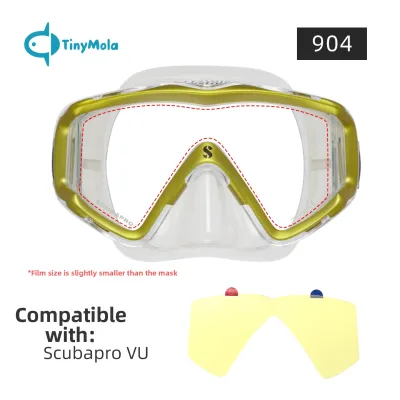
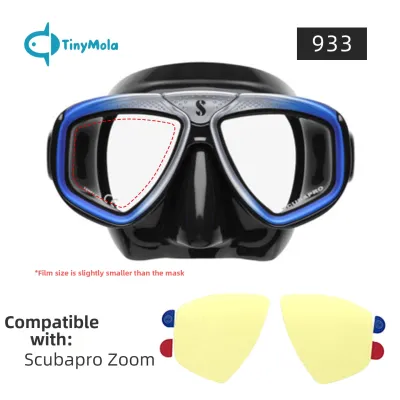
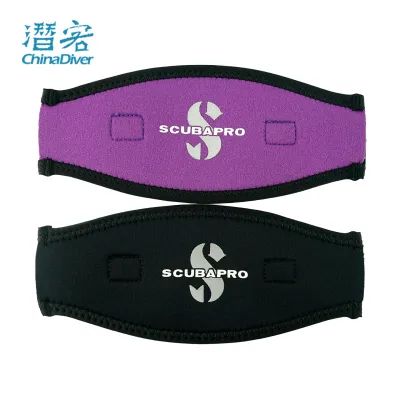
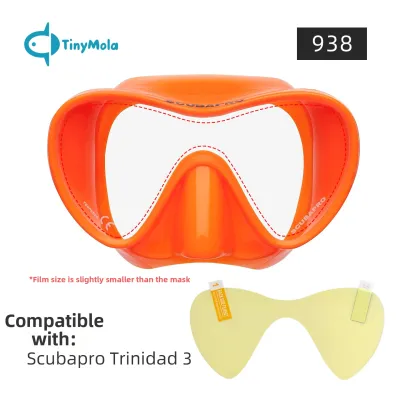
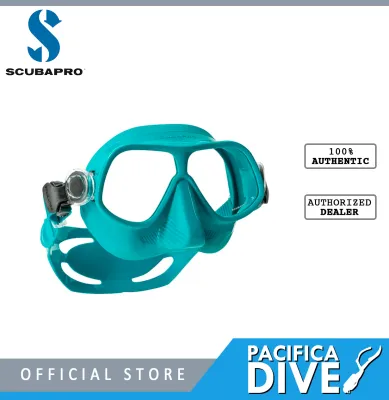
Prices are valid at publication and may change. Please refer to the product page for the latest price.
The nose bridge and pocket depth represent another critical area of fit. If you have a high or prominent nose bridge, a shallow nose pocket can cause the hard frame of the mask to press painfully against the bone, especially as water pressure increases at depth. Conversely, a nose pocket that is too large or deep can make it difficult to pinch your nose for equalization, particularly when wearing gloves. When trying on a mask, ensure your nose is fully enclosed within the pocket with enough clearance to prevent the tip or bridge of your nose from touching the inner plastic frame, even when the mask is pressed gently against your face.
Facial hair, deep expression lines, and skin texture also play a significant role in how well a silicone skirt adheres to your skin. Mustaches and stubble create tiny pathways for water to seep into the mask, which often requires a skirt made of ultra-soft, highly flexible silicone that can mold around individual hairs. Divers with prominent laugh lines or dimples may find that standard skirts buckle or crease when they smile or hold a regulator in their mouth. Choosing a mask with a textured or variable-thickness skirt can help absorb these facial movements, maintaining a secure seal even when your facial expressions change underwater.
Matching Mask Configurations to Your Diving Style
Your preferred diving activities dictate the ideal mask configuration, particularly regarding internal volume and lens design. Internal volume refers to the amount of air trapped inside the mask when it is secured on your face. Low-volume masks sit very close to your eyes, reducing the amount of air you need to exhale into the mask to equalize pressure or clear out water. This design is highly advantageous for freedivers, who must conserve breath, and technical divers, who appreciate the streamlined profile and ease of clearing. Standard-volume masks, while requiring slightly more effort to clear, often provide a more spacious feel and can accommodate a wider variety of face shapes.

The choice between single-lens and dual-lens configurations affects both your field of view and your ability to use corrective lenses. Single-lens masks feature a continuous pane of tempered glass without a central nose bridge, offering an unobstructed, panoramic view of your surroundings. This setup is excellent for recreational divers who want to maximize their peripheral vision in clear, sunlit waters. Dual-lens masks, on the other hand, feature two separate lenses divided by a central frame. This design brings the lenses closer to your eyes, which naturally widens your field of view while keeping the internal volume low. Crucially, dual-lens masks are the primary choice for divers who require prescription lenses, as the individual panes can be easily replaced with corrective glass.
Additionally, the color of the silicone skirt influences your visual experience and comfort in different diving environments. Clear silicone skirts allow ambient light to enter from the sides, creating a bright, open feeling that is highly favored by newer divers or those who feel claustrophobic in enclosed spaces. However, in the bright, shallow waters of tropical reefs, clear silicone can cause distracting glare and internal reflections on the lens. Black or dark-colored silicone skirts block out peripheral light entirely, focusing your vision forward and eliminating glare. This makes dark skirts the preferred choice for underwater photographers, videographers, and technical divers who need to focus on their camera screens or dive computers without visual distractions.
Verifying Key ScubaPro Build and Design Elements
When selecting a scuba pro diving mask, it is essential to inspect the specific materials and construction methods detailed on the product label or specification sheet. High-quality masks utilize liquid silicone for the skirt, which offers superior flexibility, durability, and resistance to UV damage compared to cheaper PVC or plastic materials. Look for masks that feature variable-thickness silicone, where the skirt is thinner and softer near the face for comfort, but thicker and more rigid near the frame to maintain structural integrity. This ensures the mask can withstand the high humidity and intense sunlight typical of tropical dive destinations without degrading or losing its shape over time.
The construction style of the mask frame also impacts its durability and portability. Frameless masks mold the silicone skirt directly to the tempered glass lens, eliminating the heavy plastic outer frame. This results in an incredibly lightweight, low-profile mask that can fold flat, making it an excellent choice as a backup mask to carry in your buoyancy compensator pocket. Traditional framed masks utilize a robust plastic sub-frame to hold the lenses and skirt together. While heavier, framed masks are exceptionally durable and allow for easy lens replacement if you need to install prescription glass or replace a damaged component.
Finally, examine the buckle and strap assembly, as these components are critical for maintaining the correct tension and position of the mask on your head. High-quality masks feature buckles that attach directly to the silicone skirt rather than the rigid frame. This design allows the buckle to fold flat for packing and enables the strap to angle more naturally around the curve of your head, reducing pressure points. Ensure the buckle mechanism is easy to operate, with micro-adjustable tabs that lock securely into place. This allows you to make precise adjustments even when wearing thick neoprene gloves or when preparing for a giant-stride entry from a moving boat in rough surface conditions.
Testing the Fit and Seal Before You Dive
Before purchasing a mask or taking it on a dive, you must perform a series of dry-fitting tests to verify that it matches your facial anatomy. The most common and effective check is the inhalation test. To perform this, tilt your head back slightly, place the mask gently on your face without putting the strap over your head, and inhale gently through your nose. If the mask fits well, the suction created by your inhalation should hold the mask securely in place, even when you look down and shake your head gently. If you feel air leaking in around the temples, forehead, or nose pocket, the mask is not creating a proper seal and will likely leak underwater.
Next, simulate the physical movements you will make while diving to ensure the mask remains comfortable and watertight under realistic conditions. Place the mask on your face with the strap positioned correctly around the crown of your head. Insert a snorkel or a regulator mouthpiece into your mouth and practice smiling, talking, and moving your jaw from side to side. These movements alter the shape of your cheeks and upper lip, which can break the seal of an ill-fitting mask. If you feel the skirt pulling away from your skin or if the hard frame presses painfully against your forehead or nose bridge during these movements, you should try a different model or size.
Proper strap adjustment is the final step in securing a perfect fit. A common mistake among divers is over-tightening the mask strap to stop a leak. In reality, over-tightening pulls the mask too hard against your face, causing the soft silicone skirt to buckle, fold, and actually create new leak points. The strap should only be tight enough to hold the mask in place; the natural water pressure at depth will do the rest of the work to seal the mask against your skin. Position the split strap high on the back of your head to prevent it from slipping down, and adjust the tension so that the mask rests comfortably against your face without leaving deep red marks on your skin after a few minutes of wear.
Frequently Asked Questions (FAQ)
How do I manage equalization with a low-volume mask?
Equalizing a low-volume mask requires a subtle and controlled technique because there is very little air space inside the frame. To equalize, you must gently exhale a tiny amount of air through your nose into the mask as you descend to prevent squeeze. Because the nose pocket on a low-volume mask sits much closer to your face, it is crucial to verify during your initial dry fit that you can easily pinch your nostrils closed. Ensure that the silicone of the nose pocket is flexible enough to allow a secure grip, even when wearing gloves, so you can perform the Valsalva maneuver or other equalization techniques without breaking the mask’s seal or shifting its position on your face.
Are optical lenses available for dual-lens ScubaPro models?
Yes, many dual-lens ScubaPro models are designed to accommodate optical lenses, making them an excellent choice for divers who require vision correction. These masks typically feature a removable frame or lens-retaining ring that allows the standard tempered glass to be swapped out for corrective lenses. Depending on your needs, you can find pre-made corrective lenses in various diopters, or you can have custom prescription lenses bonded to the existing glass. Before purchasing, always verify the specific model’s lens replacement mechanism and consult an authorized dealer to ensure compatibility, as some high-end or specialized dual-lens designs may have specific installation limits or require professional assembly to maintain a watertight seal.

Community discussion
Share your experience or ask a question. Comments are reviewed before publication.