
Finding the perfect blue pompoms for a Philippine university cheer routine is more than just picking a bright color off an online marketplace shelf. In local collegiate sports leagues, school colors carry decades of pride, tradition, and identity. A slight mismatch can make a squad look uncoordinated under the bright lights of a major arena or during a high-stakes halftime performance. To get the match exactly right, cheerleaders, coaches, and pep squad coordinators must look beyond generic color names and take a systematic approach to sourcing their gear.
To ensure your squad’s gear looks cohesive, professional, and true to your school’s heritage, you must decode official branding guidelines, understand how different materials reflect light, and verify physical samples under realistic performance conditions. Taking these steps eliminates guesswork and prevents costly ordering mistakes. By focusing on quality and color accuracy, your team can confidently represent your institution on the national stage.
Decoding Your University's Official Color Standards
Every major educational institution maintains specific visual identity guidelines to protect its brand. These documents, often managed by the university’s communications or athletic department, outline the exact color specifications allowed for official representation. When sourcing blue pompoms, your first step should always be requesting these official guidelines rather than guessing based on a logo image found online.
Products mentioned in this guide
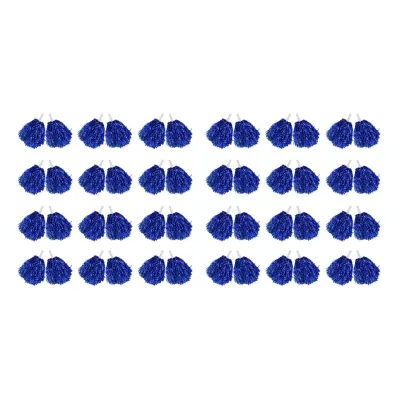
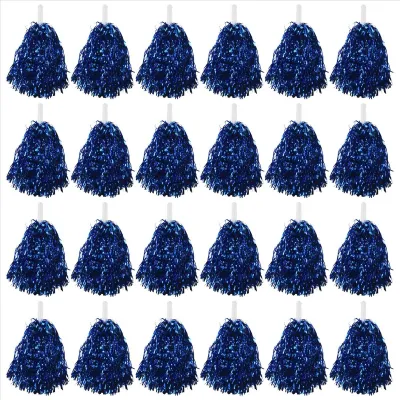
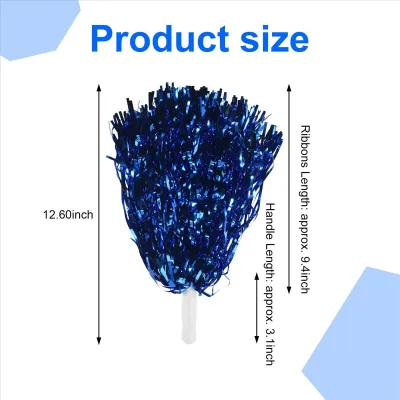
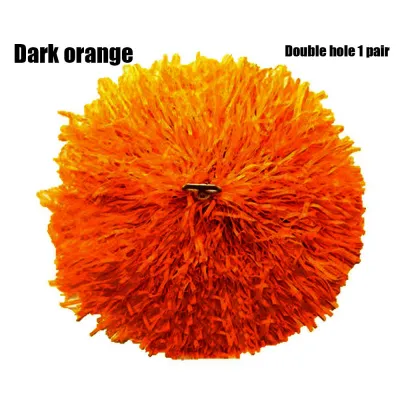
Prices are valid at publication and may change. Please refer to the product page for the latest price.
Many universities define their colors using standardized color matching systems, such as Pantone Matching System (PMS) codes, or specific digital values like Hex or CMYK codes. For instance, a school might specify a deep royal blue or a dark navy blue that has very distinct undertones. Having these exact codes allows you to communicate clearly with specialized cheerleading manufacturers who can match dye lots to these precise standards.
If you do not have direct access to the branding manual, consult the cheerleading squad captain, the pep squad coordinator, or the campus sports office. These departments usually keep historical records of approved vendor swatches from previous seasons. They can tell you which specific shades were approved in the past and which local or international suppliers successfully delivered the correct match.
It is crucial to avoid basing your purchase decisions on casual school merchandise, such as t-shirts, hoodies, or caps sold at informal stalls near the campus. Casual apparel often uses cheaper, non-standardized dyes that can vary wildly from one batch to another. What looks like the correct blue on a cotton t-shirt may look completely different when translated into the synthetic, reflective plastics used for athletic pompoms.
Navigating Common Shades of Blue in Cheerleading
In the cheerleading industry, “blue” is a broad category that spans dozens of distinct variations. The most common options you will encounter when browsing catalogs include navy, royal, sky, and teal. Each of these shades has a different visual depth, brightness level, and undertone that can dramatically alter how your squad is perceived from the bleachers.

Navy blue is deep, dark, and authoritative, often used by institutions that want a classic, traditional look. Royal blue is highly vibrant and saturated, offering excellent visibility even from the furthest seats in a massive coliseum. Sky blue is light, airy, and energetic, while teal introduces green undertones that require very careful matching to avoid looking like a completely different color family.
When trying to differentiate these shades, relying solely on mobile phone screens or uncalibrated computer monitors is a common mistake. Digital displays use different color profiles, and a shade that looks like a perfect royal blue on your phone might actually arrive as a dark navy or a purplish blue. Always treat digital images as preliminary guides rather than absolute truths.
To eliminate guesswork, request physical sample strands or a color swatch ring from your chosen supplier before committing to a bulk order. Holding a physical sample of the blue pompoms in your hand allows you to compare it directly against official school banners or uniforms. This step is especially important for custom orders where returning dozens of pairs of custom-made pompoms is not an option.
How Material and Lighting Affect Color Perception
The material and finish of your blue pompoms play a massive role in how the color actually registers to the human eye and camera lenses. Pompoms are typically available in metallic (foil), holographic, and matte plastic (wet-look) finishes. Each of these finishes interacts with light in unique ways, which can shift the perceived shade of blue during a routine.
Metallic blue pompoms feature a highly reflective foil finish that catches light easily, making them incredibly popular for high-energy routines. However, this high reflectivity means they will mirror the colors of their surroundings, sometimes making a royal blue look lighter or silver-toned under bright lights. Matte plastic pompoms, on the other hand, absorb more light and provide a solid, consistent block of color, but they may lack the flashy sparkle that some squads prefer. Holographic finishes split light into a rainbow spectrum, which can add excitement but may dilute the purity of your official school blue.
You must also consider the specific lighting conditions of your performance venues. In the Philippines, cheer squads perform in a wide variety of environments, from dimly lit indoor gymnasiums with yellowing fluorescent bulbs to massive, modern arenas flooded with white LED light. An outdoor pep rally under the intense tropical sun will make colors look vastly different than an evening game played under stadium floodlights. Testing your sample pompoms under these specific lighting setups is the only way to guarantee they will look right on game day.
Additionally, the tropical climate in the Philippines demands that you check manufacturer labels for UV resistance and colorfastness. High humidity and prolonged exposure to strong sunlight during outdoor practices can cause cheap plastic dyes to fade or bleed. Choosing high-quality, UV-resistant blue pompoms ensures that your investment retains its vibrant, official shade throughout the entire athletic season without turning into a dull, washed-out gray-blue.
Selecting the Right Size and Handle for Performance
While color accuracy is vital, the physical specifications of your blue pompoms must also match the practical demands of your cheer routines. The diameter of the pompom should be scaled to the size of your primary performance venue. For close-up indoor basketball courts, smaller, high-density pompoms (around 4 to 6 inches in diameter) offer clean, sharp lines. For massive outdoor football fields or track ovals, larger pompoms (8 inches or more) are necessary to ensure the visual impact carries all the way to the top bleachers.
The handle type is another critical factor that affects both performance safety and comfort. Baton handles, which feature a solid bar in the middle of the pompom, are excellent for quick transitions, tosses, and tumbling because they allow the cheerleader to grip the center securely. Loop or strap handles are worn around the fingers or wrist, which can prevent accidental drops during complex dance sequences but may limit certain hand transitions.
Finally, pay close attention to the weight and strand density of the pompoms. A high-density pompom looks full and professional, but if the strands are too thick or heavy, they can cause significant arm fatigue during extended halftime shows or long parades. Look for lightweight, high-strength plastic or foil strands that provide maximum visual volume without adding unnecessary physical strain to your athletes.
Sourcing and Verifying Your Order
When you are ready to purchase, prioritize specialized cheerleading equipment suppliers or official campus bookstores over generic party supply stores. Generic party stores often sell low-cost blue pompoms that shed easily, have weak handles, and come in highly inconsistent shades. Specialized suppliers understand the rigorous demands of athletic cheerleading and are more likely to stock durable, color-accurate gear.
Before placing a bulk order for your entire squad, always confirm the supplier’s return policies, lead times, and custom dye lot consistency. If you are ordering custom shades, ask if the manufacturer guarantees that all items in the order will be produced from the same dye lot. Slight variations between different manufacturing runs can result in half your squad holding royal blue pompoms while the other half holds a slightly purplish shade.
When budgeting for your order, keep in mind that custom manufacturing and international shipping fees can add up, with local distributors often quoting total costs in Philippine Pesos (₱). Ensure you factor in a buffer period of several weeks in your timeline to account for potential customs delays or production backlogs.
As soon as your shipment arrives, conduct a thorough quality inspection on the first batch. Shake the pompoms vigorously to check for excessive shedding, pull on the strands to test the security of the binding, and hold them up against your approved school swatch in natural daylight. Identifying any color mismatches or construction defects early gives you the necessary time to work with the supplier for replacements before your first official performance.
Frequently Asked Questions (FAQ)
Can I mix two different shades of blue for a custom cheer routine?
Mixing two different shades of blue, such as navy and sky blue, can create stunning visual depth and dynamic patterns during formations. However, before finalizing this design, you must check with your squad coach, athletic director, or league rules committee. Some collegiate leagues have strict regulations regarding uniform compliance and may require all hand-held props to match the primary school colors exactly. If permitted, combining a darker blue with a lighter, metallic blue can make your visual accents pop beautifully.
How do I clean blue pompoms without fading the color?
To preserve the vibrant blue shade and structural integrity of your pompoms, avoid machine washing, tumble drying, or using harsh chemical detergents. Instead, spot clean them by gently wiping the strands with a soft cloth dipped in a mixture of mild dish soap and cold water. Once clean, shake them out to restore their volume and air dry them completely in a shaded, well-ventilated indoor area. Never leave them to dry in direct tropical sunlight, as intense UV rays can warp the plastic strands and cause the blue color to fade prematurely.

Community discussion
Share your experience or ask a question. Comments are reviewed before publication.