
Selecting a lifevest jacket for kids is one of the most critical decisions you will make before heading out for a day of swimming, boating, or island hopping. In tropical climates like the Philippines, where weekend trips to coastal resorts and pool gatherings are common, keeping young swimmers safe in the water is a top priority. However, many parents make the mistake of choosing a life vest based on their child’s age or clothing size, which can lead to dangerous fit issues.
To ensure your child remains safe and buoyant, you must match the gear strictly to their current weight and chest measurements. A properly fitted personal flotation device keeps the child’s head comfortably above water and prevents the vest from riding up or slipping off. Understanding how to read sizing charts, verify buoyancy ratings, and perform essential fit checks will give you peace of mind during your family’s water adventures.
Decoding Weight Limits and Sizing Charts
When shopping for a lifevest jacket for kids, the manufacturer’s sizing chart should be your primary guide, with weight serving as the absolute first filtering criterion. Children grow at vastly different rates, meaning two kids of the same age can have completely different body shapes and weights. Relying on age recommendations or height can result in a vest that is either too tight to buckle or too loose to stay secure in the water.
Products mentioned in this guide
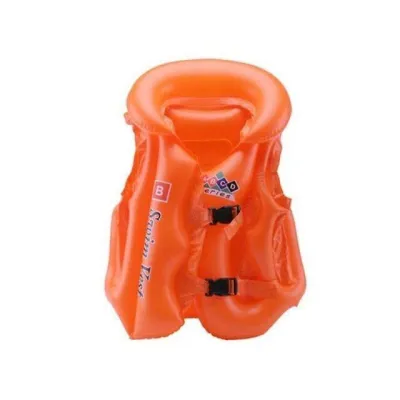
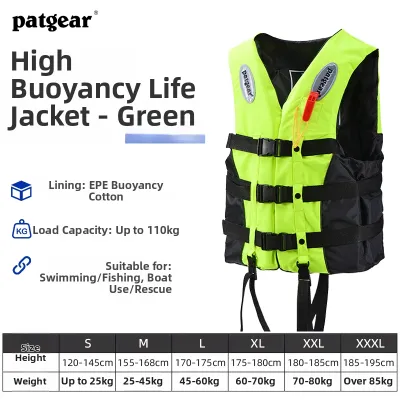

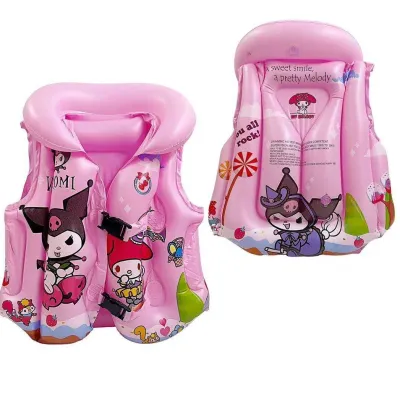
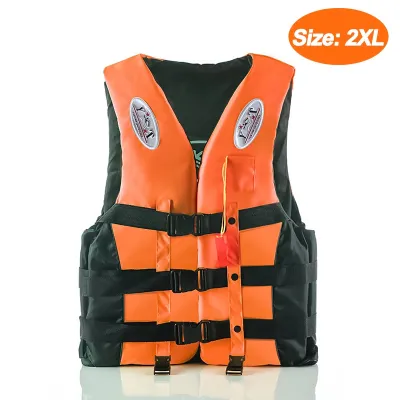
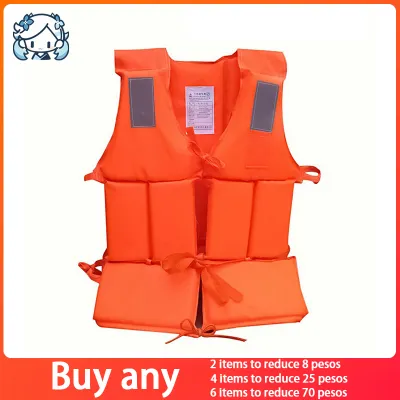
Prices are valid at publication and may change. Please refer to the product page for the latest price.
To find the correct size, start by weighing your child on a reliable scale. Sizing categories for children’s flotation devices are typically divided into infant, child, and youth ranges. Always verify which category your child’s current weight falls into on the specific product label before looking at any other design features, as weight limits are calibrated to the physical foam volume inside the vest.
Once you have established the weight category, the next step is to measure your child’s chest size. Use a flexible measuring tape and wrap it snugly around the widest part of their chest, right under the armpits. Manufacturers use this measurement to ensure the vest’s fabric panels and straps can wrap fully around the torso. A vest that matches the weight limit but is too small for the chest will restrict breathing, while one that is too large for the chest cannot be tightened securely.
After adjusting the straps on a new vest, you must perform the shoulder lift test to verify the fit. Have your child stand with their arms at their sides while you grab the shoulder straps of the vest and pull firmly upward. If the vest slides up past their chin, nose, or ears, the fit is too loose, and the vest must be rejected. A properly fitted vest will stay firmly in place, transferring the lifting force to the child’s torso without riding up.
Understanding Buoyancy Ratings and Safety Standards
Buoyancy is the upward force required to keep a person afloat, and it is measured in Newtons or pounds of lift. For children’s life vests, the level of buoyancy must match both the child’s physical build and the specific water environment they will encounter. Calm, inland waters like backyard swimming pools or quiet lakes require different flotation characteristics than rough, open coastal waters where waves and currents are present.

When examining a lifevest jacket for kids, look closely at the physical label printed on the inside of the vest. This label contains critical safety certification marks from recognized maritime safety authorities or international standards organizations. Avoid relying solely on online product descriptions or marketing claims on ecommerce platforms; the physical stamp on the vest is the only reliable proof that the gear has undergone rigorous safety testing.
The certification label will also indicate the performance level or type of the vest. For instance, some vests are designed to turn an unconscious wearer face-up in the water, which is highly recommended for infants and non-swimmers. Other vests offer more freedom of movement for active water sports but require the wearer to actively keep their head tilted back. Choose a performance level that aligns with your planned activities, whether it is a calm day at a resort pool or a boat transit between islands.
It is vital to remember that even the highest-rated life vest is only a secondary safety layer. A flotation device can never replace active, undistracted adult supervision or formal swimming lessons. In tropical waters where sudden weather changes can alter swimming conditions rapidly, keeping a close eye on your child remains the most effective way to prevent water-related accidents.
Essential Fit Checks Before Entering the Water
Before your child steps onto a boat or splashes into the water, you must perform a systematic pre-use inspection and fit check. Start by securing all closures in the correct order, beginning with the main zipper if the vest has one, followed by the buckles and adjustment straps. Pull each strap until the vest fits snugly against the child’s body, ensuring there are no loose gaps around the shoulders or chest.
A critical component of any child’s life vest is the crotch strap, which runs between the legs and connects the front and back of the vest. This strap is designed specifically to prevent the vest from sliding off over the child’s head when they plunge into the water. Always ensure the crotch strap is threaded correctly, buckled securely, and adjusted to a snug fit that does not pinch or cause discomfort during movement.
Environmental factors in tropical regions, such as intense sunlight, high humidity, and saltwater exposure, can accelerate the degradation of safety gear. Inspect the vest thoroughly before every outing for observable signs of wear and tear. Check for compressed or waterlogged foam, frayed webbing, rusted metal components, cracked plastic buckles, or torn fabric seams. If you notice any of these defects, the vest’s structural integrity is compromised, and it must be replaced immediately to ensure your child’s safety.
Frequently Asked Questions (FAQ)
Can my child use a smaller life vest if they are a strong swimmer?
No, swimming proficiency does not alter the physics of buoyancy or the manufacturer’s weight limits. Even an excellent young swimmer can experience fatigue, muscle cramps, or panic in unexpected water conditions. A vest that is too small will not provide the necessary upward force to keep their head above water, especially in rough conditions. Always adhere strictly to the weight and chest parameters specified on the manufacturer’s safety label, regardless of your child’s swimming skills.
Is it safe to buy a larger life vest for my child to grow into?
It is highly unsafe to purchase an oversized life vest with the intention of letting your child grow into it. While it might be tempting to save a few hundred pesos (₱) by purchasing a larger vest, an oversized vest will not fit snugly against their torso, allowing the child’s body to slip down inside the vest when they enter the water. This can cause the collar of the vest to rise up and obscure their face, nose, and mouth, creating a severe suffocation and drowning hazard. Always invest in a vest that fits their exact current measurements, and purchase a larger size only when they naturally outgrow their current gear.

Community discussion
Share your experience or ask a question. Comments are reviewed before publication.