
Selecting a giant inflatable volleyball requires balancing physical dimensions with material strength to match your specific playing environment, group size, and local weather conditions. While a massive ball brings high novelty and fun to any gathering, choosing the wrong size can make the game unplayable in windy conditions, while poor material choice can lead to immediate punctures on grass or sand. By evaluating key specifications such as diameter, material thickness, and seam construction, you can find a durable option that provides hours of safe entertainment.
Matching Volleyball Size to Your Game and Player Count
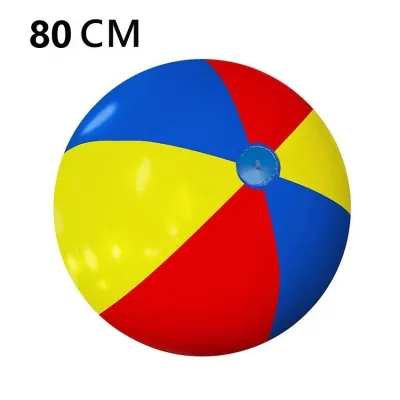
Giant inflatable volleyballs typically range from 1 meter (about 3 feet) to over 2 meters (6.5 feet) in diameter. A 1-meter ball is highly manageable for smaller groups of four to six players and fits standard backyard spaces or smaller beach setups. This size allows for a game pace that closely resembles traditional volleyball, though with a much lighter and more forgiving impact.
Larger sizes, such as 1.5 to 2 meters, require more players—often eight or more—to keep the ball in motion. The game pace slows down significantly as the ball’s surface area increases, turning the match into a cooperative, high-energy activity rather than a fast-paced competitive sport. These massive dimensions are highly suited for large family reunions, team-building events, or school field days where participation is the main goal.
Products mentioned in this guide
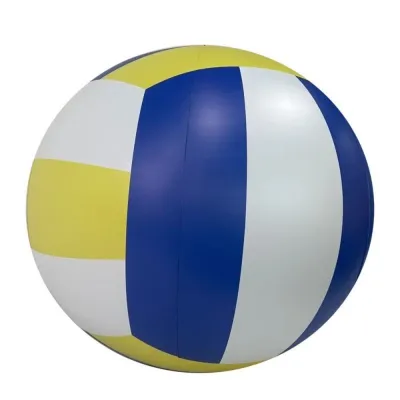
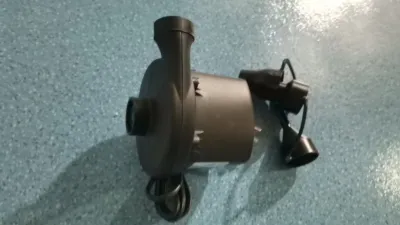
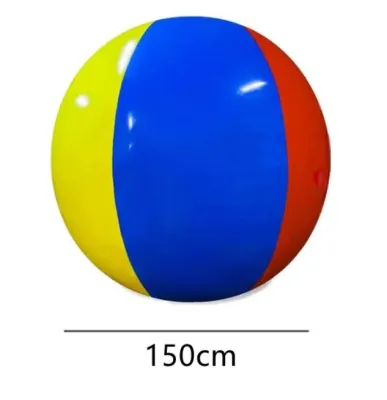
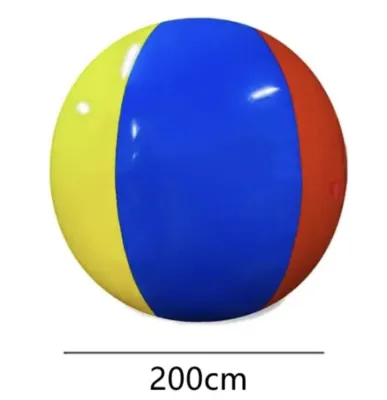
Prices are valid at publication and may change. Please refer to the product page for the latest price.
Environmental factors play a massive role in how these oversized balls perform. In the Philippines, beach outings and park gatherings often come with strong coastal breezes or sudden gusts of wind. A larger diameter acts like a sail, catching the wind easily and drifting away from the court. If you plan to play in open, windy areas, a slightly smaller, heavier-weight inflatable is much easier to control than an ultra-lightweight 2-meter ball.
In a swimming pool, a giant ball takes up significant water surface area. A 1.5-meter ball might completely crowd a standard residential pool, leaving little room for players to swim or move safely. On grass or sand, the ball needs enough weight to resist light drafts but must remain light enough for players of all ages to lift and strike without straining their wrists or arms.
When shopping, check the product specifications for the deflated weight of the ball. A heavier deflated weight usually indicates thicker material, which translates to better stability in outdoor drafts. Balancing the physical size with the expected wind conditions and player count ensures the game remains fun rather than a constant chase after a runaway ball.
Evaluating Material Quality for Durability and Playability
Polyvinyl Chloride (PVC) is the most common material used for giant inflatables due to its affordability and flexibility. However, standard retail PVC varies wildly in thickness and quality. For a giant volleyball, look for labels specifying heavy-duty, raft-grade, or reinforced PVC, which offers enhanced resistance to abrasions from sand, grass, and occasional contact with rough poolside concrete.

Thermoplastic Polyurethane (TPU) is a premium alternative to standard PVC. TPU is highly elastic, lightweight, and exceptionally resistant to punctures, abrasions, and oil. It also remains flexible across a wider temperature range and does not emit the strong chemical odor often associated with new PVC products. While TPU inflatables typically come at a higher price point, their durability makes them well-suited for frequent or commercial use.
To assess durability, interpret the thickness specifications listed on the manufacturer’s spec sheet. For a giant inflatable ball, a thickness of 0.18mm is suitable only for light, indoor, or gentle pool use. For rugged outdoor play on grass or sand, look for specifications of 0.3mm to 0.45mm or higher to ensure the casing can withstand high-impact hits, rough ground contact, and accidental bumps against twigs.
Seam construction is the most critical indicator of an inflatable’s lifespan. The seams are the most vulnerable points of any giant ball, especially when subjected to the sudden pressure changes of a hard spike or block. Look for terms like “heat-welded” or “high-frequency welded” seams rather than simple glued edges. Welded seams fuse the material together, creating a unified bond that is far less likely to split under pressure.
Additionally, the intense tropical sun in the Philippines can quickly degrade untreated plastics, causing them to become brittle and prone to cracking. Verify if the product label mentions UV-resistant coatings or inhibitors. These protective treatments help prolong the material’s life when exposed to direct sunlight for hours during outdoor tournaments.
Essential Features to Check Before Buying
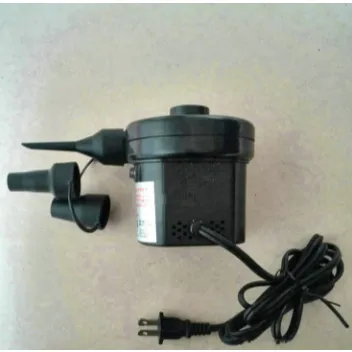
Because a giant volleyball holds a massive volume of air, inflation mechanism compatibility is a crucial feature to verify. Attempting to inflate a 1.5-meter ball by mouth or with a small hand pump is highly impractical and exhausting. Check the valve type on the ball; many feature rapid-inflation valves, such as Boston valves, which require a compatible electric pump or a high-volume foot pump. Ensure the product description lists the valve size or includes the necessary adapters.
Even the most durable materials can suffer punctures from stray twigs, sharp shells, or dry grass. A high-quality inflatable should come with a dedicated repair kit containing adhesive patches compatible with the ball’s specific material. Note that standard PVC patches do not adhere well to TPU without specialized glue, so verifying the inclusion of a material-specific patch kit is essential for quick field repairs.
Because manufacturing defects in seams or valves are often only visible upon first inflation, review the seller’s return policy on your chosen ecommerce platform. Look for brands that offer a clear window for returns or exchanges if the ball exhibits slow leaks during its initial setup. This protection is especially important when purchasing online where physical inspection prior to buying is impossible.
In the local market, prices for giant inflatable volleyballs vary significantly based on material quality and included accessories. Basic, thin-walled PVC models designed for single-use pool parties can be found on online marketplaces for under ₱500. Durable, thick-gauge TPU or heavy-duty PVC models equipped with reinforced seams and pump adapters generally range from ₱1,200 to ₱3,500 or more. Investing in a higher-priced, thicker model is more cost-effective if you plan to use the ball across multiple seasons.
Setup, Inflation, and Safety Guidelines
Proper inflation practices are vital for maintaining the structural integrity of your giant volleyball. Air expands when heated, which is a critical consideration in tropical climates. If you inflate the ball to maximum capacity in the cool morning shade, the midday sun will cause the air inside to expand, putting immense pressure on the welded seams. It is highly recommended to inflate the ball to about 90% capacity, leaving some visible “give” so the material can stretch safely as temperatures rise.
Before laying out the deflated ball, thoroughly inspect the playing area to prevent premature damage. Clear away sharp stones, dry twigs, thorns, and rough debris from the grass or sand. If you are inflating the ball on concrete or rough tiles near a swimming pool, lay down a protective tarp or utility blanket during the setup process to prevent scuffing the material before the game even begins.
Giant inflatables are designed for soft, recreational contact, and players must follow basic safety guidelines to protect both themselves and the equipment. Players should avoid wearing sharp jewelry, watches, or metal-buckled belts during play. Additionally, remind players not to sit, stand, or climb on the inflated ball, as concentrated body weight can easily rupture the seams or damage the valve assembly.
After the game, proper deflation, cleaning, and storage will protect the material from degradation between uses. Wipe down the ball with fresh water to remove salt, sand, or chlorine residue, which can degrade the plastic over time. Allow the ball to dry completely in a shaded area before folding it loosely. Storing a damp inflatable in a humid environment encourages mold and mildew growth, which can weaken the seams and ruin the material.
Frequently Asked Questions (FAQ)
Can a giant inflatable volleyball be used in a standard swimming pool?
Yes, but size compatibility and safety are critical. A ball larger than 1 meter can quickly overwhelm a standard residential pool, leaving little room for safe movement. Ensure there is ample clearance from hard pool edges, concrete coping, and ladders to prevent players from colliding with these hazards while chasing the ball. Always prioritize water safety and maintain clear sightlines across the pool area.
How do I fix a small puncture in the material?
To repair a puncture, first locate the leak by spraying soapy water over the inflated ball and watching for bubbles. Deflate the ball completely and clean the area around the hole with rubbing alcohol to remove oils and dirt. Apply a thin layer of the manufacturer-provided adhesive, press the patch firmly over the puncture, and smooth out any air bubbles. Allow the patch to cure for the exact time recommended in the instructions—usually 12 to 24 hours—before re-inflating.
Is it safe to leave the inflated ball outside overnight?
It is not recommended to leave the ball outside overnight. Nighttime temperature drops will cause the air inside to contract, making the ball look deflated, while the returning morning sun will cause rapid expansion that can rupture the seams. Additionally, overnight winds can blow the lightweight ball into sharp fences, trees, or swimming pool drains. Store the deflated or slightly deflated ball in a secure, shaded indoor area when not in use.

Community discussion
Share your experience or ask a question. Comments are reviewed before publication.