
Choosing the right leather boxing gloves for your child requires balancing their physical hand size, age, and the weight of the glove’s padding to ensure safety during home training. In the warm, humid climate of the Philippines, selecting genuine leather is highly beneficial because it offers natural breathability and durability against heavy sweat, but the glove must fit perfectly to prevent slips and wrist strain. Equipment alone cannot replace proper supervision and training, so establishing a precise fit is your first line of defense.
When setting up a home boxing corner, parents often focus on the punch bag or the space itself, but the gloves are the most critical point of contact. A glove that is too heavy can fatigue a child’s shoulders and compromise their form, while a glove that is too light or poorly fitted fails to absorb the shock of impact. By taking accurate measurements and understanding how glove weights correspond to physical development, you can create a safe, engaging, and supportive environment for your young athlete.
Understanding Ounce Weights and Hand Measurements
To select the correct gear, you must first understand that boxing gloves are categorized by weight, measured in ounces (oz), rather than standard clothing sizes like small or large. This ounce rating represents the weight of the padding built into the glove, which directly correlates to the level of impact absorption it provides. A higher ounce rating means more protective foam is layered over the knuckles, which is essential for dampening the force transmitted to a child’s developing joints and bones. However, because the weight of the padding increases, the physical size of the glove also scales up, meaning a heavier glove naturally features a larger internal hand compartment.
Products mentioned in this guide
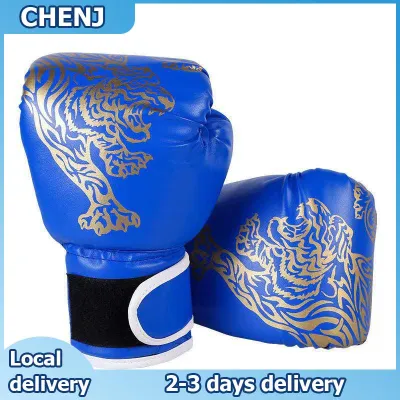
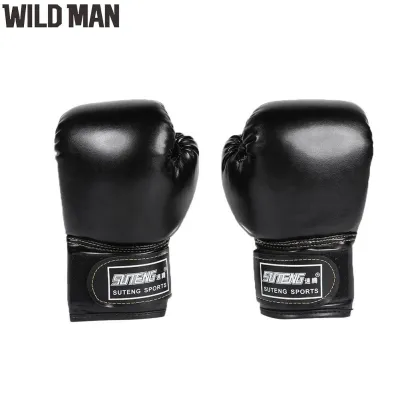
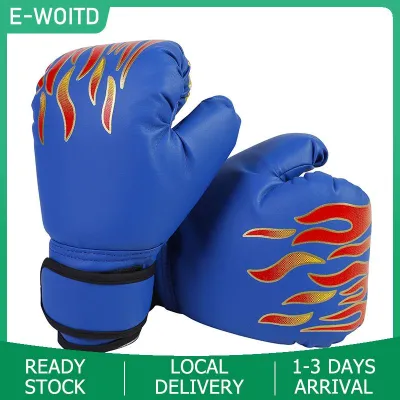
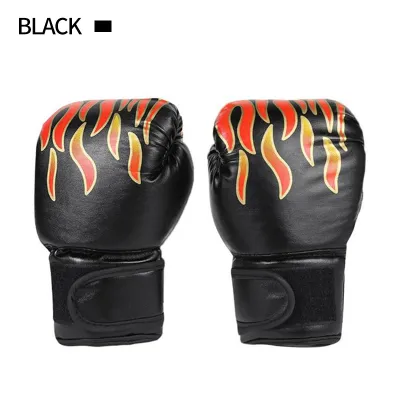
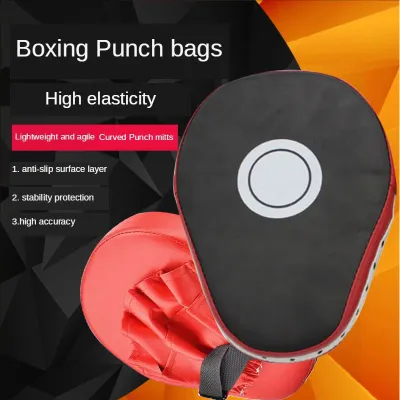
Prices are valid at publication and may change. Please refer to the product page for the latest price.
To find the right starting point, you must measure your child’s hand circumference rather than relying on age alone. Use a flexible fabric tape measure and wrap it around the widest part of their dominant hand, directly across the knuckles, excluding the thumb. Ensure your child’s hand is open, flat, and relaxed during this process to get an accurate reading. Note the measurement in both inches and centimeters, as different manufacturers use different units on their sizing charts. If you do not have a flexible tape measure, you can wrap a piece of string around the knuckles, mark the intersection, and measure the string flat against a standard ruler.
It is also important to distinguish between standard training gloves and specialized bag gloves when setting up your home training space. Standard training gloves are designed with balanced padding distribution, making them versatile enough for shadowboxing, mitt work, and light partner drills. Specialized bag gloves, on the other hand, often feature denser, more compact foam specifically engineered to withstand repetitive impacts against a heavy hanging bag. For most children starting out at home, a versatile training glove made of high-quality leather is the most practical choice, as it accommodates a wider variety of exercises while offering robust hand protection.
Matching Hand Size and Age to the Right Glove Weight
While every child develops at a different rate, general weight brackets serve as a reliable starting point for matching your child’s physical measurements to the correct glove weight. For toddlers and very young children under the age of six, who typically have a hand circumference under 5.5 inches, a 4 oz glove is generally appropriate. Children aged six to eight, with hand circumferences ranging between 5.5 and 6.5 inches, usually pair well with 6 oz gloves. For older children aged nine to twelve, whose hand circumferences measure between 6.5 and 7.5 inches, an 8 oz glove provides the necessary padding to handle the increased force of their punches.

These brackets are initial reference points, and you must always cross-reference your child’s exact measurements with the specific manufacturer’s size chart. Sizing is not standardized across the sporting goods industry; a 6 oz glove from one brand may have a significantly tighter hand pocket than a 6 oz glove from another. When browsing an online marketplace or visiting a local sporting goods store, look for detailed sizing tables that link hand circumference directly to the recommended glove model. If your child’s measurements fall directly between two sizes, it is generally safer to opt for the larger size to accommodate natural growth and hand protection accessories.
You must also consider the trade-offs between a snug glove fit and leaving adequate room for protective hand wraps. Hand wraps are essential for stabilizing the wrist and protecting the small bones in the hand, but they add noticeable bulk to the overall hand circumference. If you plan to have your child wear wraps during their home workouts, measure their hand while the wraps are applied, or add approximately half an inch to their bare-hand measurement. A glove that fits perfectly on a bare hand may become painfully tight once wraps are introduced, restricting blood circulation and causing hand cramping during training.
Verifying the Fit and Wrist Support at Home
Once the gloves arrive at your home, you must perform a thorough physical check before allowing your child to hit any targets. Begin by checking the internal finger placement; your child’s fingertips should reach near the top of the inner compartment without being bent or forced into a curled position. The knuckles must align perfectly with the thickest part of the glove’s padding, ensuring that impact is absorbed by the foam rather than the delicate finger joints. Additionally, verify that the thumb is comfortably positioned in its designated pocket and securely attached to the main body of the glove, which prevents the thumb from bending backward during a punch.
Next, evaluate the wrist closure system, which is typically a hook-and-loop strap on youth leather gloves. Wrap the strap firmly around the wrist, ensuring it covers the joint where the hand meets the forearm to provide structural alignment. The closure should feel secure enough to prevent the glove from shifting or twisting, yet it must not be so tight that it leaves deep red marks or restricts blood flow. Ask your child to open and close their hand several times; they should be able to form a natural, tight fist inside the glove without fighting excessive resistance from the padding.
Establish clear stop conditions during this home fitting session to prevent injury during subsequent workouts. If your child complains of pinching along the sides of their hand, if the glove slips off easily when they shake their arm, or if they cannot fully close their fist, do not proceed with training. Slippage indicates the glove is too large, which can cause friction blisters and wrist misalignment upon impact. Conversely, an inability to close the fist indicates the glove is too small or too stiff, forcing the hand muscles to overwork and increasing the risk of strain.
Common Sizing Mistakes to Avoid When Buying for Kids
One of the most frequent mistakes parents make is purchasing oversized gloves with the intention of letting their child “grow into” them. While this strategy works well for casual school wear or jackets, it poses a severe safety hazard in combat sports. An oversized glove leaves excess empty space inside the hand compartment, allowing the child’s hand to slide and shift during a punch. When the glove strikes a heavy bag, this internal movement can cause the wrist to collapse or the knuckles to scrape against the inner lining, leading to painful sprains or skin abrasions.
Another common error is purchasing lightweight adult gloves, such as 8 oz speed gloves, assuming they are suitable for a child simply because the weight is low. Adult gloves are constructed around the anatomical proportions of fully developed adult hands, meaning the hand pocket, finger length, and wrist opening are far too wide for a child. Even if the weight seems manageable, a child’s hand will swim inside an adult glove, rendering the wrist support entirely useless and leaving the knuckles misaligned with the primary impact zone. Always ensure you are purchasing gloves specifically labeled for youth or kids.
To safeguard your investment, always check the retailer’s return and exchange policies before finalizing your purchase on any online marketplace. Because children’s hands vary so widely in shape and thickness, there is always a possibility that the first pair you select will not fit perfectly. Keep all original packaging, tags, and protective plastics intact while your child tries the gloves on indoors. Testing the fit on a clean, carpeted surface ensures the leather remains pristine and eligible for a hassle-free exchange if a different size is required.
Frequently Asked Questions (FAQ)
Do kids need hand wraps under their leather boxing gloves?
Yes, children should wear hand wraps under their leather boxing gloves to protect their developing bone structure and secure their wrists. Hand wraps compress the many small bones in the hand, distributing the force of impact more evenly and preventing joint hyperextension. Furthermore, in the tropical climate of the Philippines, hand wraps serve a vital secondary purpose by absorbing sweat before it reaches the inner lining of the glove. This moisture absorption helps preserve the leather, prevents the buildup of unpleasant odors, and extends the overall lifespan of the gear.
How often should I check if my child's boxing gloves still fit?
You should evaluate the fit of your child’s boxing gloves every three to six months, or immediately following any noticeable growth spurts. Children grow rapidly, and a glove that fit perfectly at the start of the season can quickly become too tight, compressing the fingers and straining the hand muscles. During your check, inspect the physical condition of the gloves as well; look for signs of leather cracking, worn-out hook-and-loop straps, or compressed padding over the knuckles. If the padding feels flat or lumpy, or if your child’s fingers are pressed hard against the very top of the glove, it is time to upgrade to a larger size.

Community discussion
Share your experience or ask a question. Comments are reviewed before publication.