
To fit a standard set of mask, snorkel, and fins, you generally need a diving net bag with a length of at least 25 to 30 inches (64 to 76 cm) and a volume capacity of 30 to 50 liters. The exact size depends heavily on the length of your fins—especially if you use long-blade freediving fins or heavy open-heel scuba fins—and whether you plan to pack extra tropical gear like a rash guard, booties, or a thin 3mm wetsuit. Selecting the right mesh bag ensures your gear remains organized, drains efficiently in humid tropical climates, and stays protected during transit to the boat.
Before purchasing a bag, it is essential to evaluate your specific gear configuration rather than relying on generic size labels. A bag that is too small will force you to bend your fin blades, which can permanently warp the material and ruin your kick efficiency. Conversely, an oversized bag allows your gear to shift constantly, increasing the risk of scratches on your mask lens and making the load awkward to carry down to the shore or onto a local bangka boat.
Assessing Your Gear Dimensions and Volume
To establish a baseline for your required bag capacity, start by measuring your longest piece of equipment, which is almost always your fins. Lay your fins flat on a table and measure the total length from the tip of the foot pocket or heel strap to the very end of the blade. Next, measure the widest part of the blade. These two dimensions dictate the minimum length and width your diving net bag must have to accommodate your fins without bending or warping them.
Products mentioned in this guide
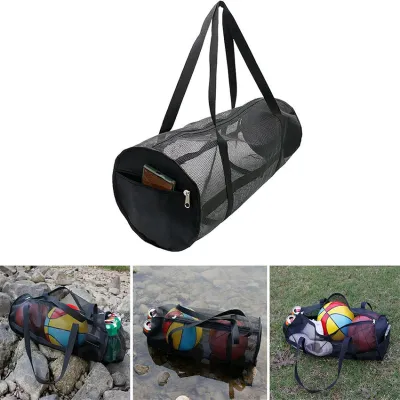
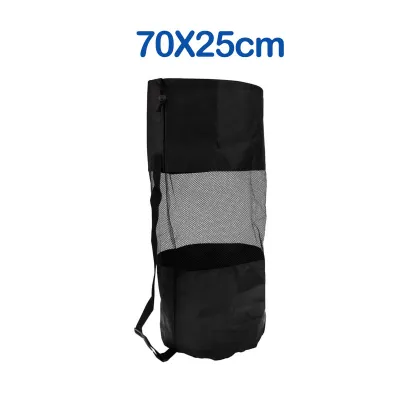
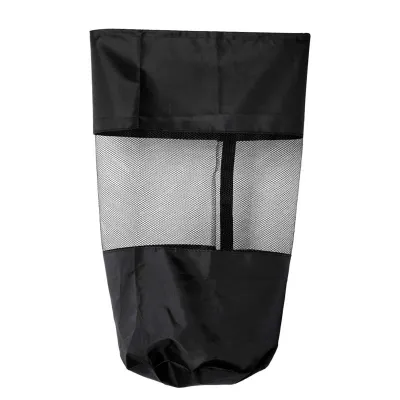
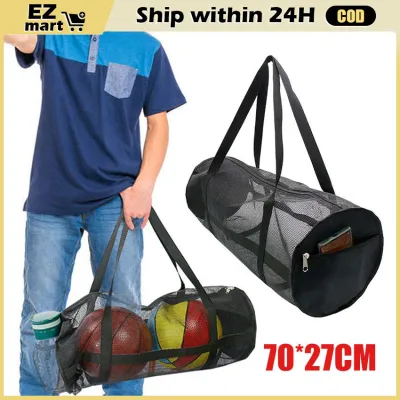
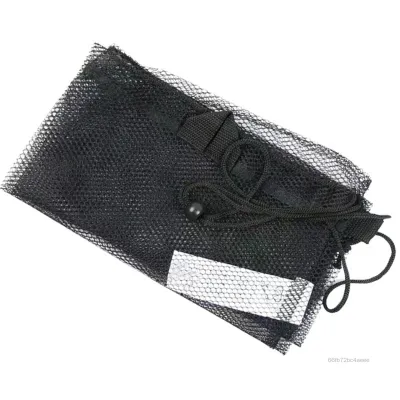
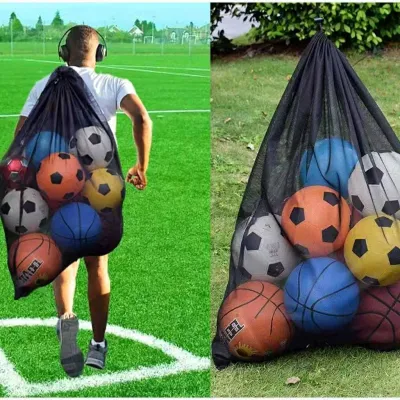
Prices are valid at publication and may change. Please refer to the product page for the latest price.
After measuring your fins, estimate the physical bulk of your remaining gear. A standard diving mask is relatively compact, but storing it in a rigid plastic mask case to protect the tempered glass adds significant volume. Snorkels are flexible but often feature rigid purge valves or dry-top mechanisms that cannot be folded tightly without risking damage to the silicone valves. If you wear dive booties or gloves, their thick neoprene construction adds substantial bulk that must be factored into the overall volume.
Finally, account for the extra space required when your gear is wet or when you carry additional apparel. Wet neoprene and fabric expand slightly and weigh more than dry gear, requiring a bag that does not force you to squeeze items together. If you plan to pack a thin wetsuit, a rash guard, or a microfiber towel alongside your mask, fins, and snorkel, you will need to add roughly 10 to 15 liters of extra volume to your baseline estimate to ensure a comfortable fit.
Understanding Diving Net Bag Size Categories
Standard size labels like Small, Medium, Large, and Extra-Large vary significantly across different manufacturers. A “Medium” bag from one brand might measure 24 inches in length, while a “Medium” from another brand might reach 28 inches. Because there is no universal standard, you must always compare your measured fin length directly against the manufacturer-provided physical dimensions in inches or centimeters rather than relying solely on the letter size.

When matching your fin length to the bag, look specifically for the internal length specifications. The bag should be at least one to two inches longer than your fins to allow for easy packing and unpacking, especially when your hands are wet and slippery after a dive. If you use long-blade freediving fins, you will almost certainly need to bypass standard snorkeling bags and look for specialized extra-long gear bags designed specifically to accommodate blades exceeding 35 inches.
Volume ratings, typically listed in liters, provide a general idea of overall capacity but can be misleading due to the flexible nature of mesh. Mesh materials naturally stretch under load, which can temporarily increase the bag’s volume but places immense stress on the seams and zippers. A cylindrical duffel bag and a flat backpack-style bag might both be rated at 40 liters, but they distribute that space differently; the cylindrical shape is generally better for bulky mask cases, while the flat backpack style keeps a lower profile on your back.
Key Design Features That Affect Usable Space
Structural design elements play a massive role in how much gear you can actually fit inside a mesh bag. Flat, envelope-style mesh bags are highly portable and easy to store when empty, but they lose a significant amount of usable volume when you insert wide, three-dimensional items like a rigid mask box. For a complete gear set, look for bags featuring gusseted sides or a boxed, rounded bottom, which allows the bag to expand outward and accommodate bulky items without tensioning the zipper.
The type of closure system also dictates how efficiently you can use the bag’s space. Drawstring closures with extended fabric collars allow for secure overfilling, making it easier to slide a long snorkel or an extra towel out of the top of the bag. Heavy-duty zippers, while offering excellent security and easier access to the bottom of the bag, limit your packing capacity to the exact physical boundaries of the zipper track and can fail if forced shut over an overpacked load.
Additionally, external storage features can free up valuable space inside the main compartment. Bags equipped with external zippered pockets, D-rings, or gear loops allow you to store smaller items like defog drops, dive lights, or keys on the outside of the bag. This keeps delicate accessories separated from heavy fins and prevents small items from slipping through the larger holes of the main mesh compartment.
Step-by-Step Sizing and Packing Strategy
To maximize the space inside your diving net bag and protect your investment, adopt a systematic packing strategy. Always apply the “fin-first” rule by sliding your fins into the bag first, placing them flat against the back or bottom panel. The rigid structure of the fin blades acts as a supportive spine for the flexible mesh, giving the bag shape and making it much easier to pack the rest of your gear without the bag collapsing.
Once the fins are in place, position your mask and snorkel in the center or near the top of the bag. Never place your mask at the very bottom where the heavy foot pockets of your fins or the weight of the bag itself can crush the frame or deform the soft silicone skirt. If you do not use a rigid mask case, wrap the mask inside a soft rash guard or towel to prevent the metal buckles or plastic straps of your fins from scratching the lenses during transit.
If your bag features external compression straps, use them to secure the load once everything is packed. Tightening these straps minimizes the movement of gear inside the bag, which prevents friction damage and keeps the bag from sagging awkwardly while you walk. If your bag lacks internal dividers, you can use small, color-coded mesh accessory pouches to keep your snorkel, mask, and anti-fog solution organized and prevented from shifting.
Common Sizing Mistakes to Avoid
One of the most common mistakes divers make is ignoring the width of their fin blades and focusing solely on length. Wide split fins or heavy open-heel scuba fins with thick side rails require a much wider bag opening than standard, narrow snorkeling fins. If the bag’s opening or zipper track is too narrow, you will struggle to slide the fins inside, which can eventually tear the mesh fabric near the zipper seams.
Another frequent error is overestimating the stretch capacity of the mesh material. While high-quality nylon or polyester mesh has some give, relying on this stretch to force an oversized gear set into a small bag will lead to premature failure. In warm, coastal environments, salt crystals can accumulate in the weave of the mesh; if the material is constantly stretched tight, these crystals act as tiny abrasives that degrade and snap the fibers over time.
Finally, avoid the temptation to buy a massive, one-size-fits-all gear bag if you only own a basic mask, fins, and snorkel set. Carrying a half-empty 90-liter duffel bag is highly inefficient, as the gear will slosh around constantly, increasing the likelihood of damage. Instead, select a bag tailored specifically to your current gear list, or pair a compact primary mesh bag with a small, separate dry bag to keep your dry clothes and electronics safe from dripping dive gear.
Frequently Asked Questions (FAQ)
Can I use a regular sports duffel instead of a diving net bag?
Using a regular sports duffel is not recommended for wet dive gear because standard fabrics lack the drainage and ventilation required for water sports. A dedicated diving net bag allows water to drain instantly and promotes air circulation, which is crucial for preventing mold, mildew, and unpleasant odors in humid climates. Additionally, a mesh bag allows you to submerge your entire gear set in a freshwater rinse tank directly inside the bag, saving time and keeping your gear organized.
How do I clean and dry my mesh bag after a dive trip?
To prolong the lifespan of your mesh bag, thoroughly rinse it with clean, fresh water after every dive trip to remove salt residue, sand, and organic debris that can degrade the fabric and corrode the zippers. Hang the bag to dry completely in a shaded, well-ventilated area. Avoid leaving the bag in direct, harsh sunlight for extended periods, as prolonged ultraviolet exposure can weaken the nylon or polyester fibers and cause the material to become brittle and tear.

Community discussion
Share your experience or ask a question. Comments are reviewed before publication.